-
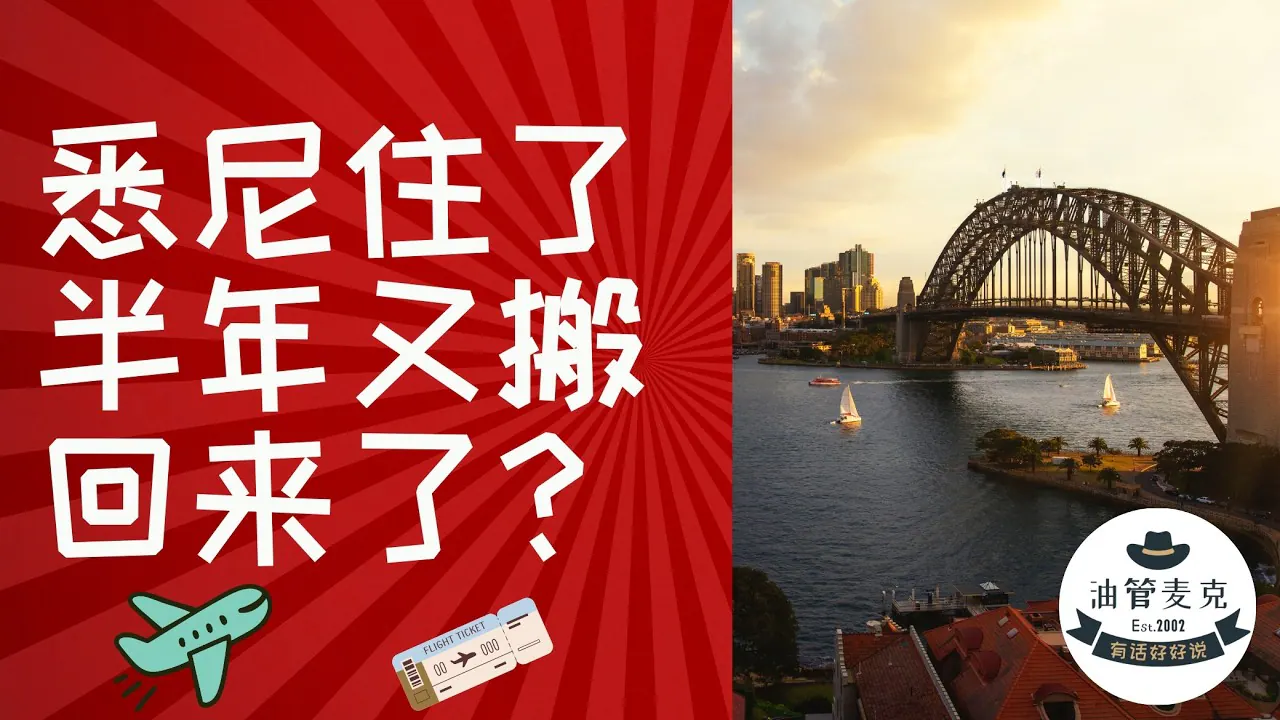
油管麦克观点:润澳半年又搬回新西兰,带娃家庭到底该不该只看工资差?
油管麦克这期视频聊到一个很真实的问题:澳洲工资更高、机会更多,但为什么有人润澳半年又搬回新西兰?本文从工资差、带娃成本、生活节奏、通勤、社交支持和家庭幸福感角度,解读新西兰和澳洲到底差在哪里。
-

Astro视频解读:从“高薪工作”到“赴马度假”,跨国绑架骗局为什么越来越像精准狩猎?
Astro《新闻报报看》报道马来西亚吉打跨国绑架案:犯罪集团疑似通过微信、Telegram、交友平台等渠道,用高薪工作、旅游、社交邀约诱骗外国人赴马,随后囚禁勒索。本文解读这类骗局为什么危险,也整理给新西兰读者的出境防骗提醒。
-
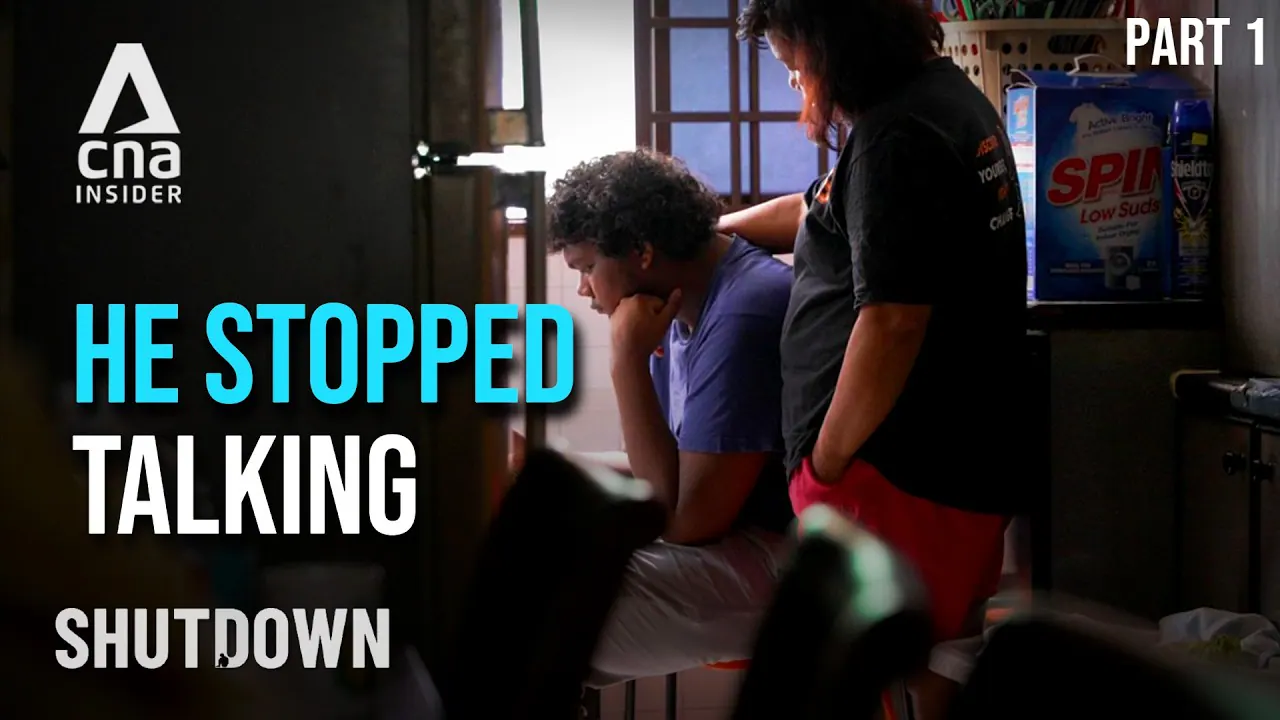
CNA纪录片解读:新加坡“隐蔽青年”,当孩子把世界关在门外,父母该看见什么?
CNA Insider《Shutdown》第一集走进新加坡青少年 hikikomori 现象:有孩子多年不出房门,有家庭在沉默、焦虑和无助中等待回应。本文解读这部纪录片为什么值得看,以及为什么“隐蔽青年”不该被简单理解成懒惰或叛逆。
-

Mahi tahi i te kīhini: mā te tunu kai ka ako te tamaiti
Ehara te kīhini i te wāhi kai anake. Mā te whakarite kai tahi ka tipu te reo, te pāngarau, te haumaru, te manaaki me ngā kōrero o te whānau.
-

Podcast Pick: Ologies turns fear into a question you can examine
In Fearology, Alie Ward and Mary Poffenroth unpack fear as biology, interpretation and social learning. The episode is lively, practical and best heard as a framework for curiosity, not clinical treatment.
-
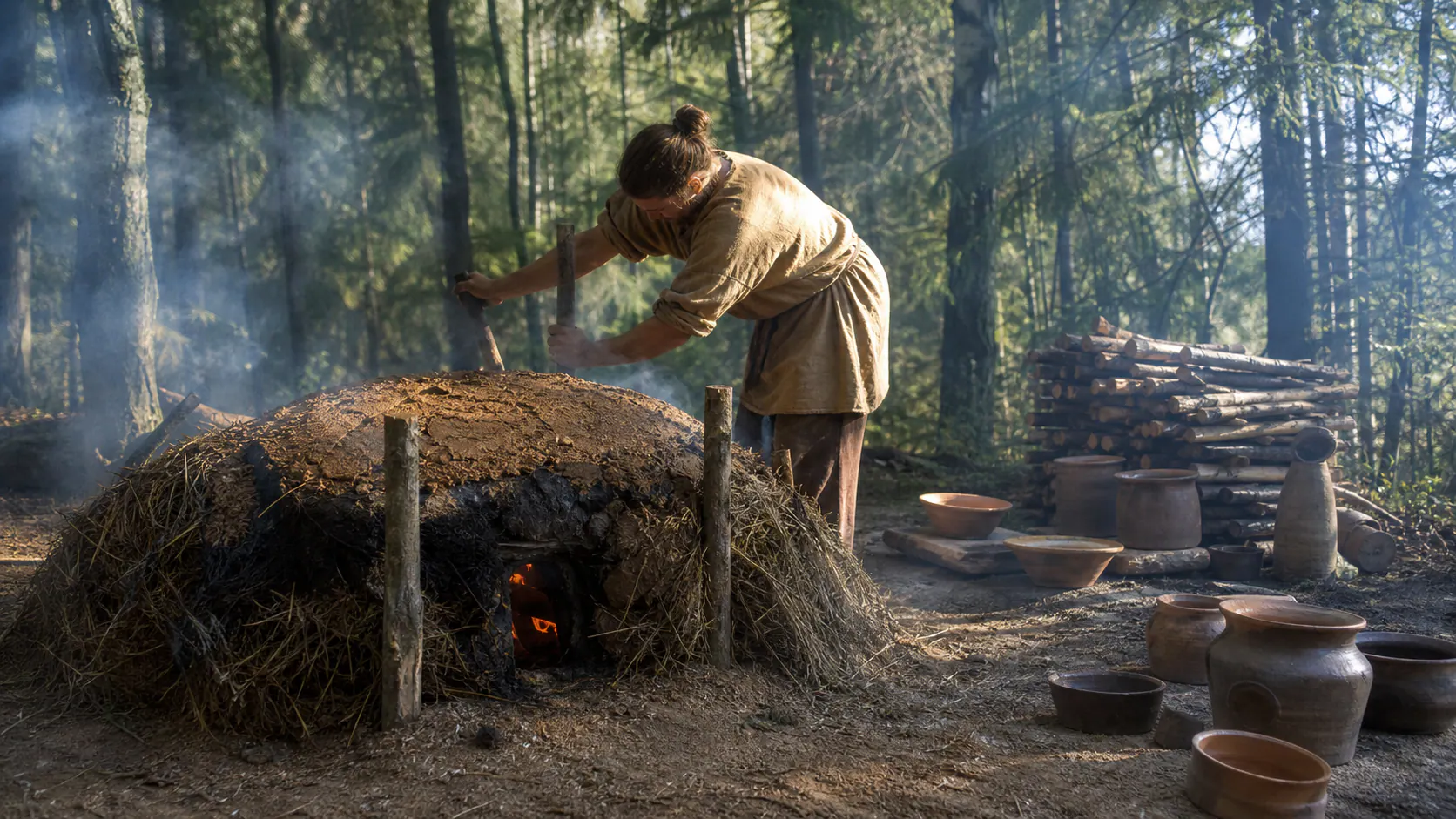
YouTube Pick: Primitive Technology makes process visible without pretending the past was easy
A wordless charcoal-making video rewards patient viewing: materials, failed assumptions and physical work remain visible. It is an experiment in process, not a shortcut to survival expertise.
-

Monthly CPI will improve New Zealand’s eyesight, but frequency is not certainty
Monthly inflation data from 2027 should improve New Zealand’s economic picture. The gain will be squandered if politics and markets treat every monthly movement as a definitive change in direction.
-
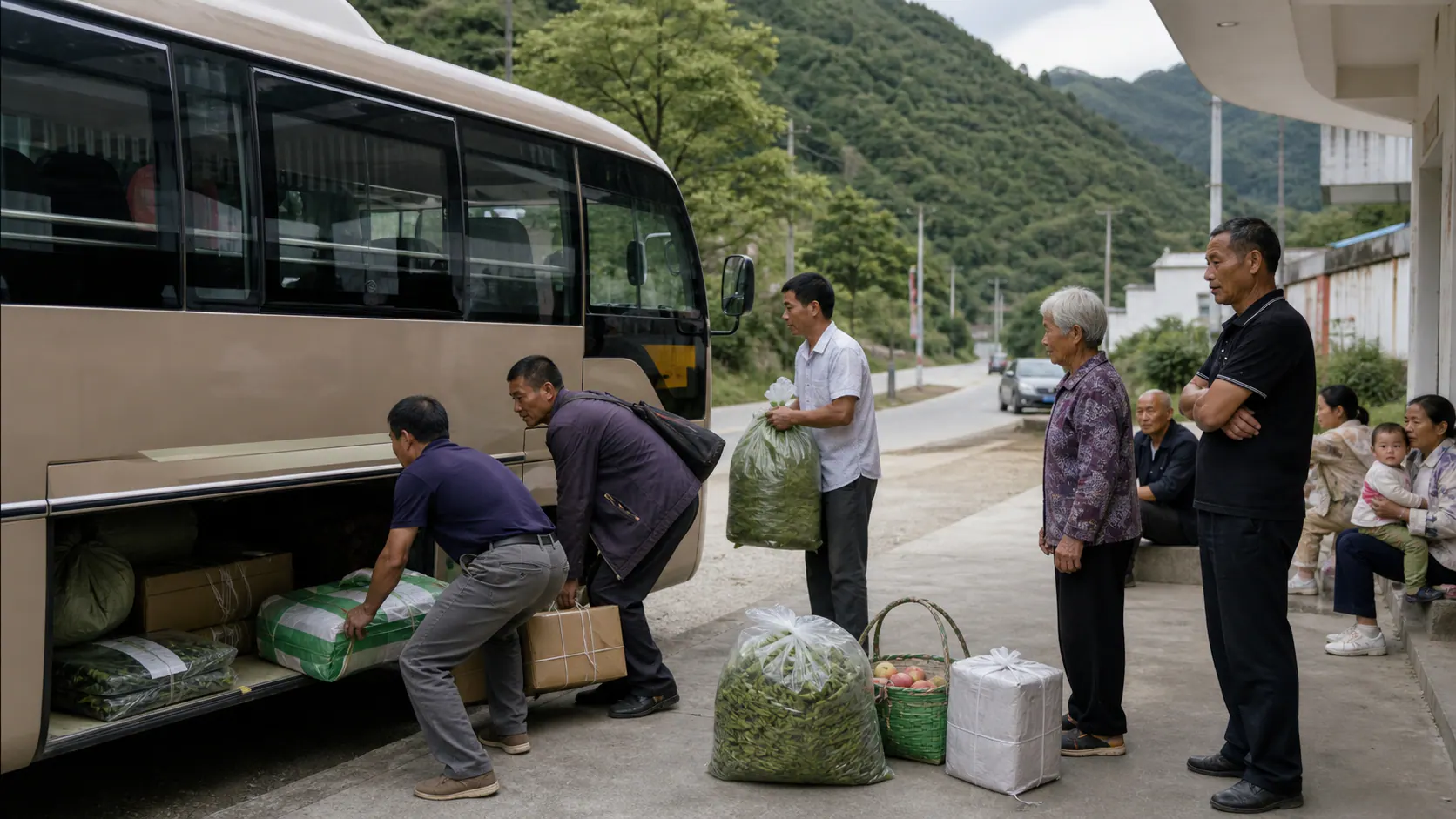
China’s rural buses are being asked to carry parcels too
China’s 2026–28 rural passenger-freight-mail plan aims to combine buses, parcels and postal services. Integration can preserve routes and improve access, but only if time, liability and last-mile labour are funded.
-
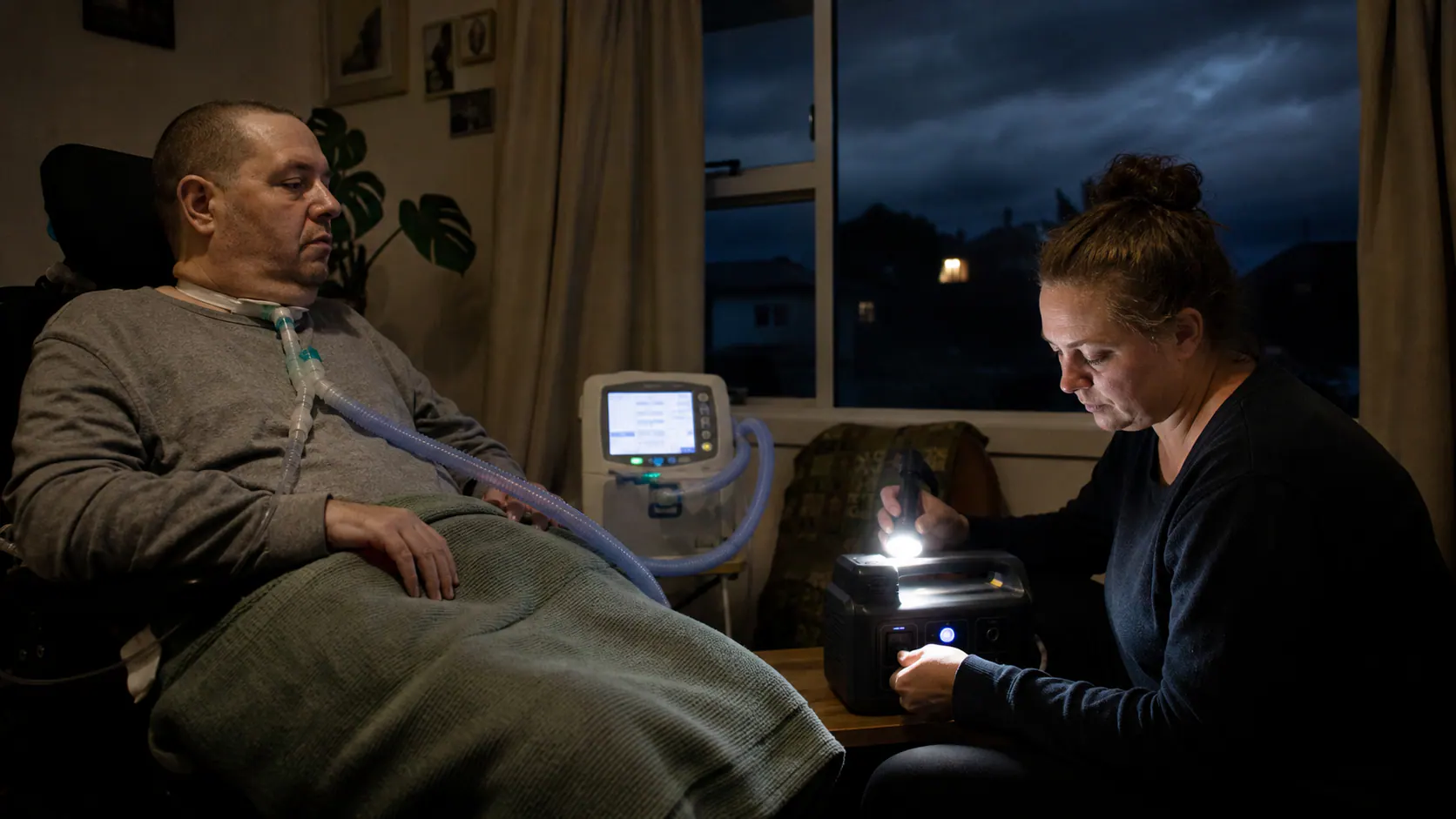
Registration prevents disconnection, not outages: the fragile power chain behind home medical care
New Zealand protects registered medically dependent consumers from disconnection, but storms and network failures still happen. Real safety requires a tested chain from household backup to health and electricity services.
-
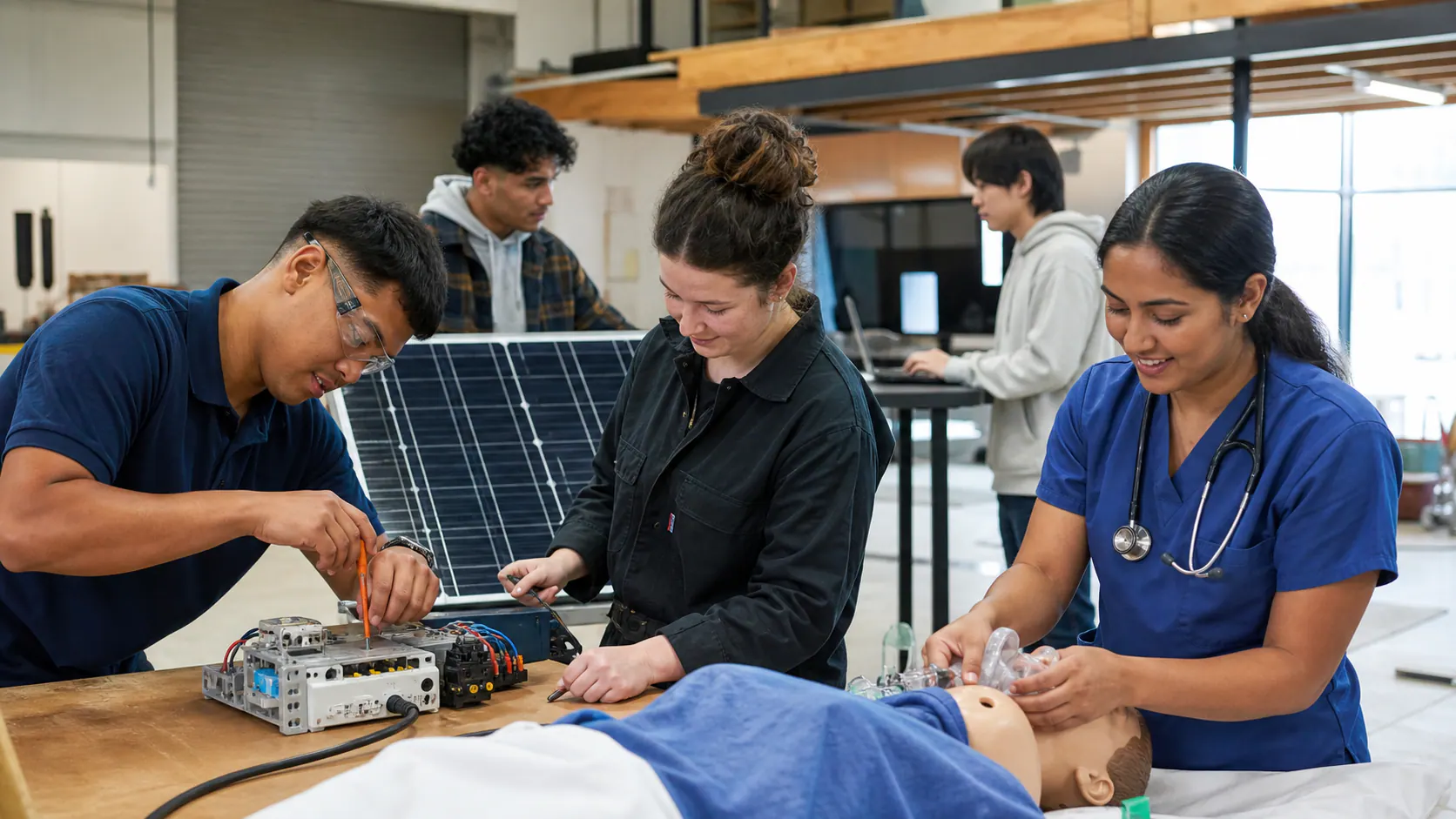
New Zealand’s new occupation list is economic infrastructure, not clerical housekeeping
A New Zealand-specific occupation classification can make emerging work visible sooner. Its value will depend on transparent updates, usable concordances and honest treatment of work that resists neat boxes.
-

Whakarongo ki ngā kaumātua: mā te kōrero tuku iho ka whai kāinga ngā mahara
He aratohu māhaki mō te whakarongo, te ui pātai me te tiaki i ngā kōrero a ngā kaumātua. Ehara te hopu reo i te tango kōrero noa iho; he hononga, he whakaaetanga, he taonga mā ngā uri.
-

Podcast Pick: The Science of Happiness finds awe on an ordinary walk
How to Find the Wow in Life makes awe practical without turning it into another performance target. The episode invites adults and children to slow down, notice and follow curiosity close to home.
-
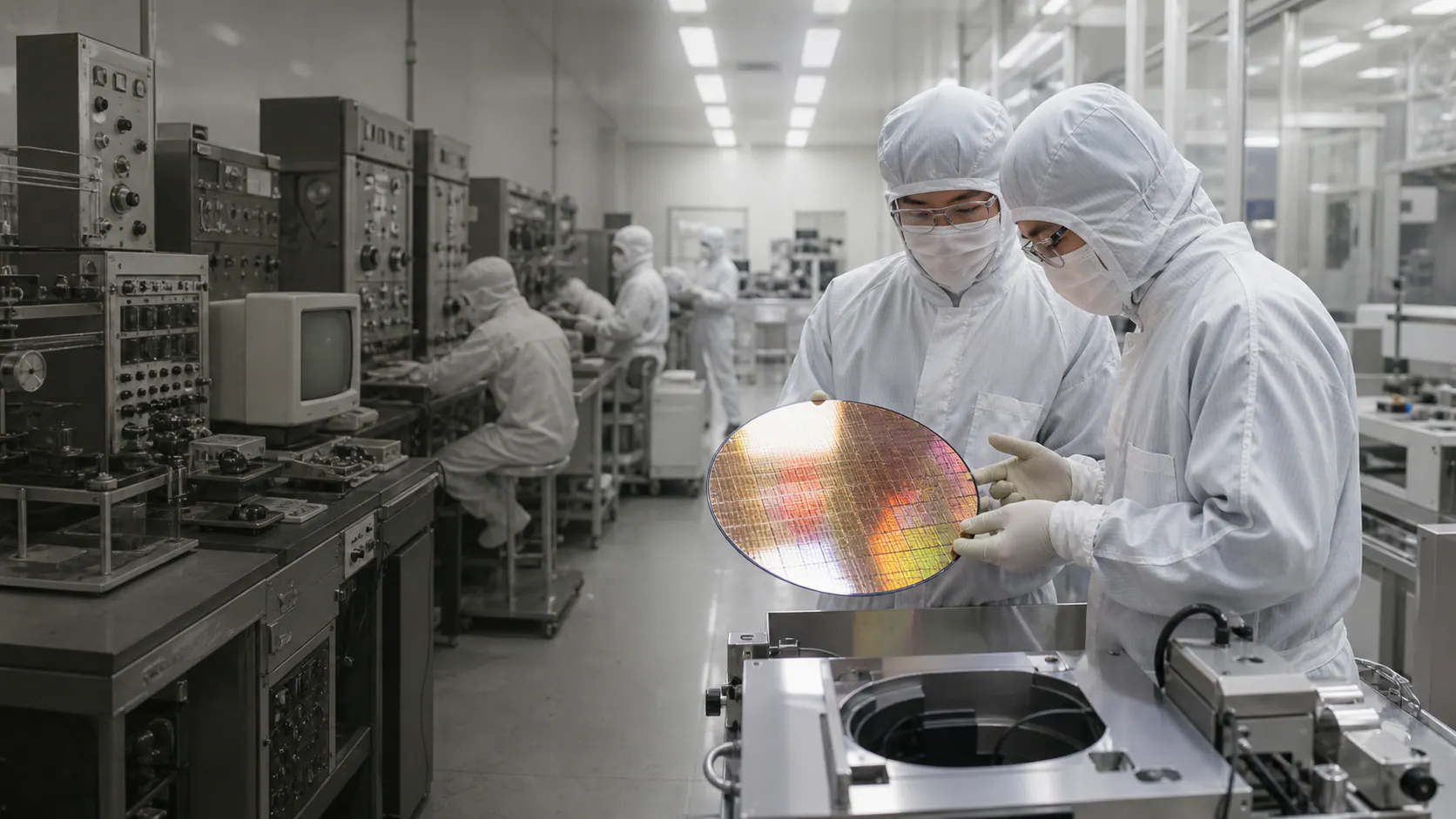
YouTube Pick: Asianometry explains how Japan learned to make semiconductors
Asianometry’s history of Japan’s semiconductor rise shows that industrial capability is accumulated through licensing, production learning, institutions and markets, not created by a single factory announcement.
-

Cutting Total Mobility support asks disabled New Zealanders to pay more for an incomplete transport system
The Total Mobility subsidy fell from 75% to 65% on 1 July 2026. Treating the change as a fare adjustment ignores that many users have no workable bus, train or walking alternative.
-

China wants to professionalise domestic work. The real test begins inside the home
China’s new domestic-services measures support insurance, standards, training and home-based elder care. Professionalisation will depend on enforceable contracts, portable skills and protection for workers in private households.
-

New Zealand’s next census will be continuous. Public trust must be continuous too
The next census will combine administrative records with a continuous survey. Fresher statistics could improve planning, but coverage, privacy, small-community detail and transparent quality measures will determine legitimacy.
-
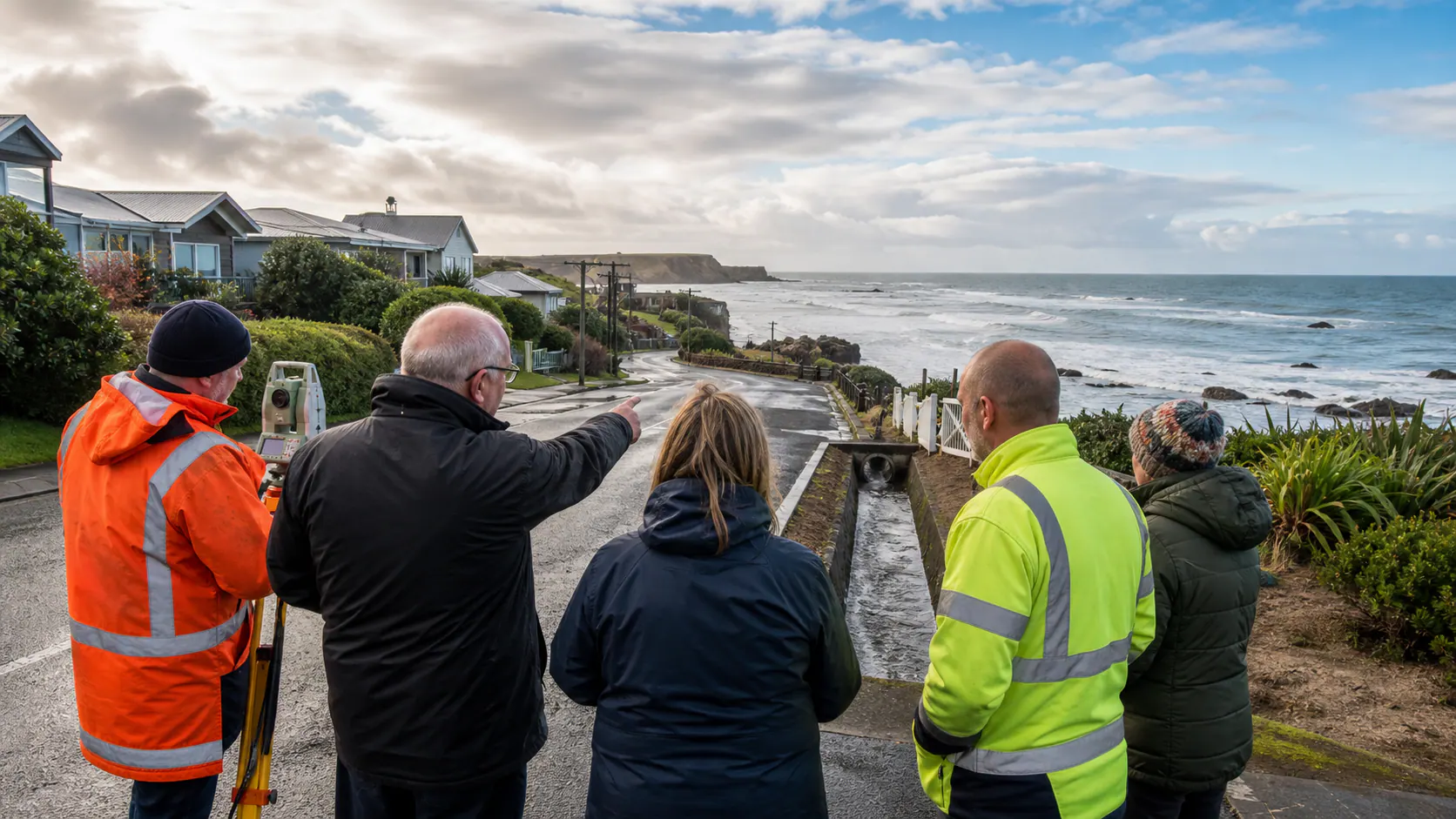
Climate adaptation plans will expose New Zealand’s hardest question: who pays before disaster?
New legislation would require councils to plan for priority climate-risk areas. Maps and plans matter, but durable adaptation depends on transparent cost-sharing before property, insurance and infrastructure decisions harden.
-
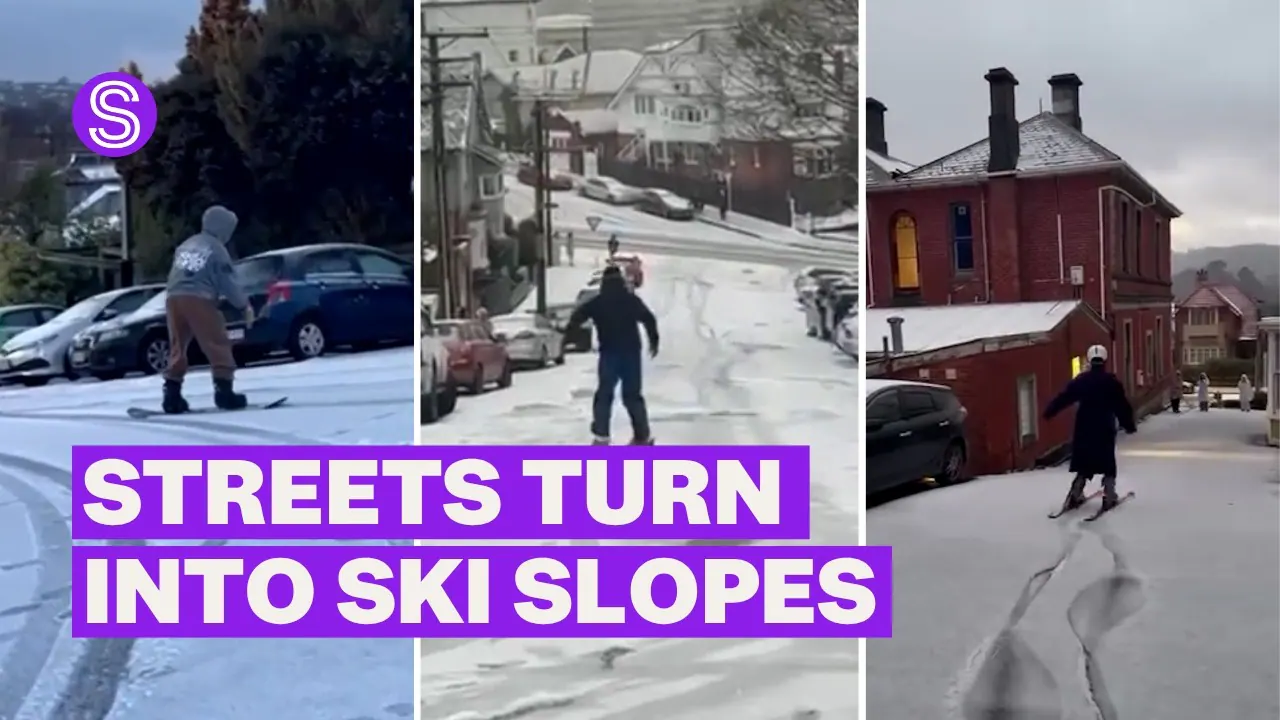
Stuff视频解读:南岛街道变滑雪场,南极寒潮把新西兰一夜带回冰雪模式
Stuff这条视频记录了南极寒潮席卷新西兰后,南岛多地被白雪覆盖,街道变成临时滑雪场,学校停课、道路结冰、交通受阻。雪景很好看,但真正需要关注的是黑冰、出行安全、学校安排和冬季用电压力。
-

WillNE视频解读:马来西亚森林城市,1000亿美元“鬼城”为什么像中国楼市的一面镜子?
WillNE走进马来西亚柔佛州Forest City森林城市,一个曾被包装成未来生态新城、计划容纳约70万人的超级项目。今天它被称为1000亿美元鬼城,背后不只是烂尾感,更是中国房企出海、海外置业、政策变化和房地产泡沫共同留下的现场。
-
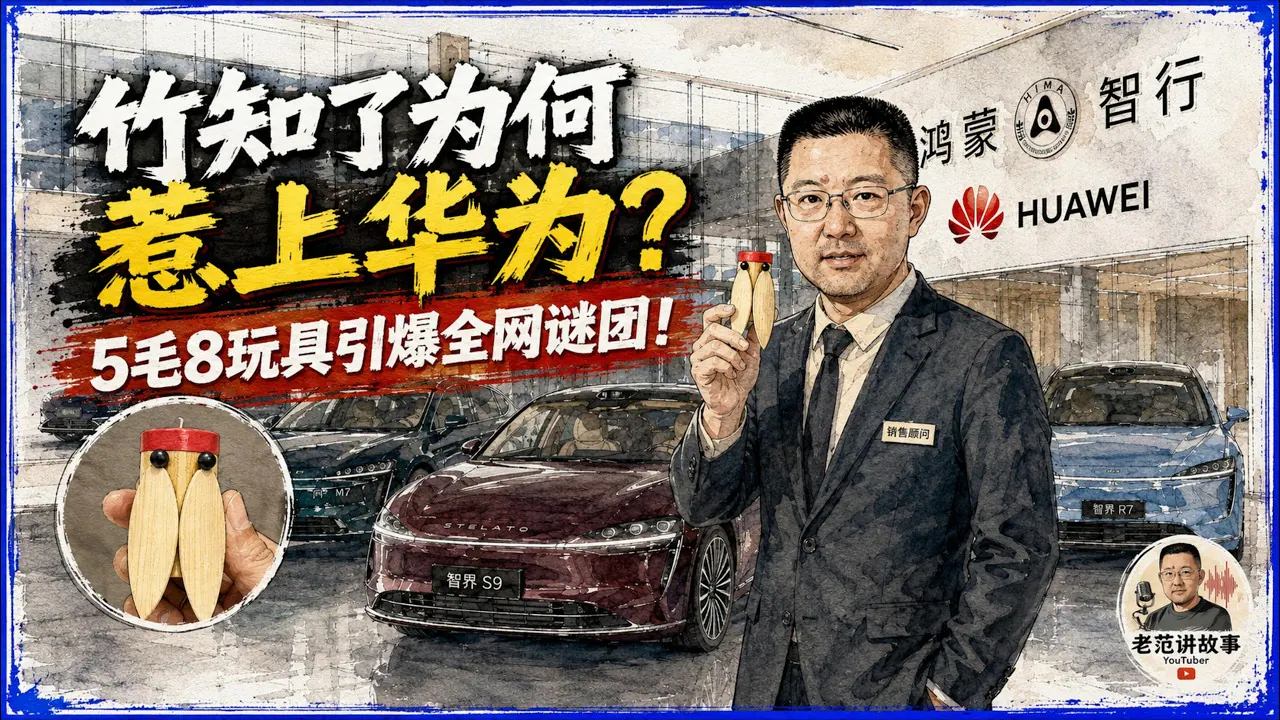
老范讲故事视频解读:华为“竹知了”风波,为什么删帖越删越火?
老范讲故事这期视频从一个5毛8的竹知了玩具讲起,分析华为投诉、平台下架、网友二创和流量反噬之间的关系。真正值得讨论的不是玩具,而是大企业在短视频时代还能不能把流量当成随开随关的水龙头。
-

Stuff视频解读:非法减重针在新西兰爆红,空乘暴瘦四分之一体重背后的风险
Stuff报道新西兰边境查获创纪录非法肽类药物,一名空乘使用非法减重注射后体重大幅下降,医生甚至警告可能危及生命。真正危险的不是减重药本身,而是社媒黑市、未批准注射品和没有医生监管的身体实验。
-

啾啾鞋视频解读:新西兰南岛为什么美到像明信片?库克山雪山飞行真的一生要体验一次吗
啾啾鞋这期新西兰南岛旅拍,把库克山冰川飞行、雪山、湖泊和南岛随手拍都像明信片的风景放在一起。新西兰南岛真正迷人的地方,不只是景点,而是那种开进世界尽头的辽阔感。
-
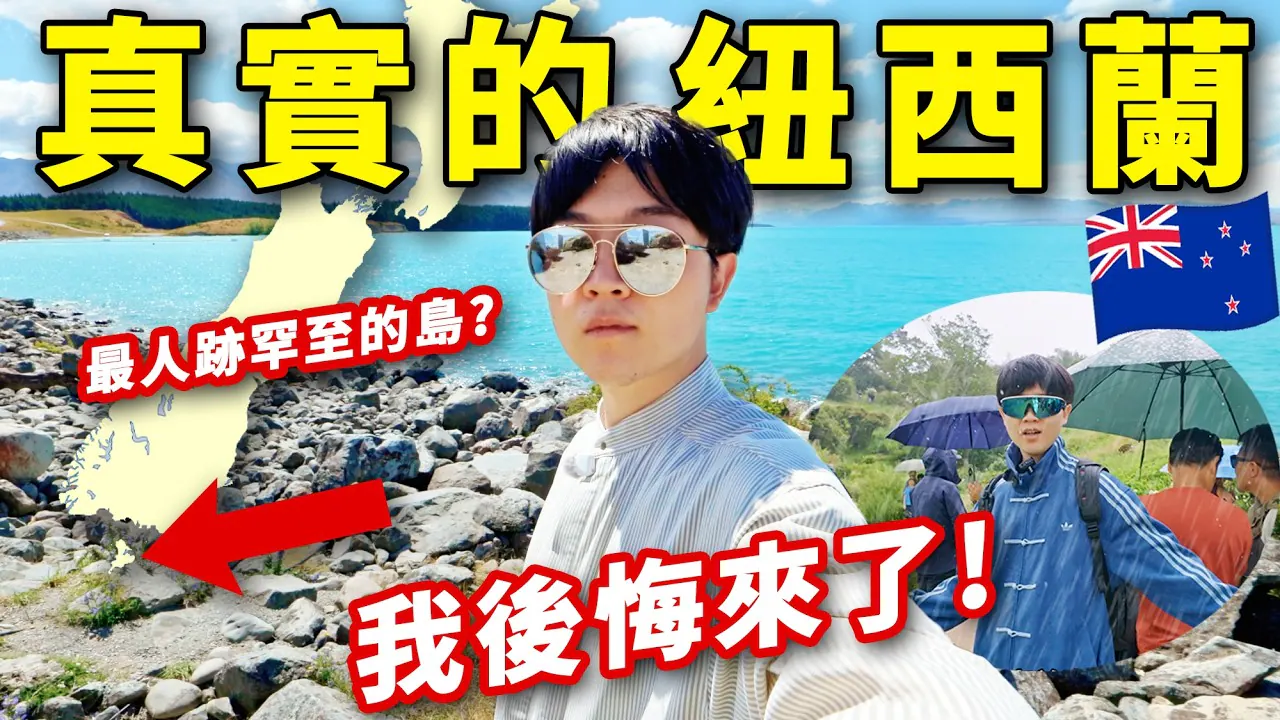
LKs视频解读:一辈子值不值得去一次新西兰?斯图尔特岛给了一个很真实的答案
LKs这期新西兰旅拍没有只走热门路线,而是把斯图尔特岛、极南之地、南岛自驾和城镇体验放在一起。新西兰到底值不值得一辈子去一次?答案可能是:值得,但它不是轻松型旅行,而是一场用时间、预算和体力换来的荒野体验。
-

Safiya视频解读:她去了中国哈尔滨“温泉主题乐园”,火锅池为什么会让海外观众看上头?
Safiya Nygaard在哈尔滨枫叶小镇温泉度假村体验火锅温泉、鱼疗、果冻池、中药池和东北搓澡。这个视频好看的地方,不只是猎奇,而是它把中国文旅的想象力、网红传播和东北式休闲生活拍得很有画面感。
-
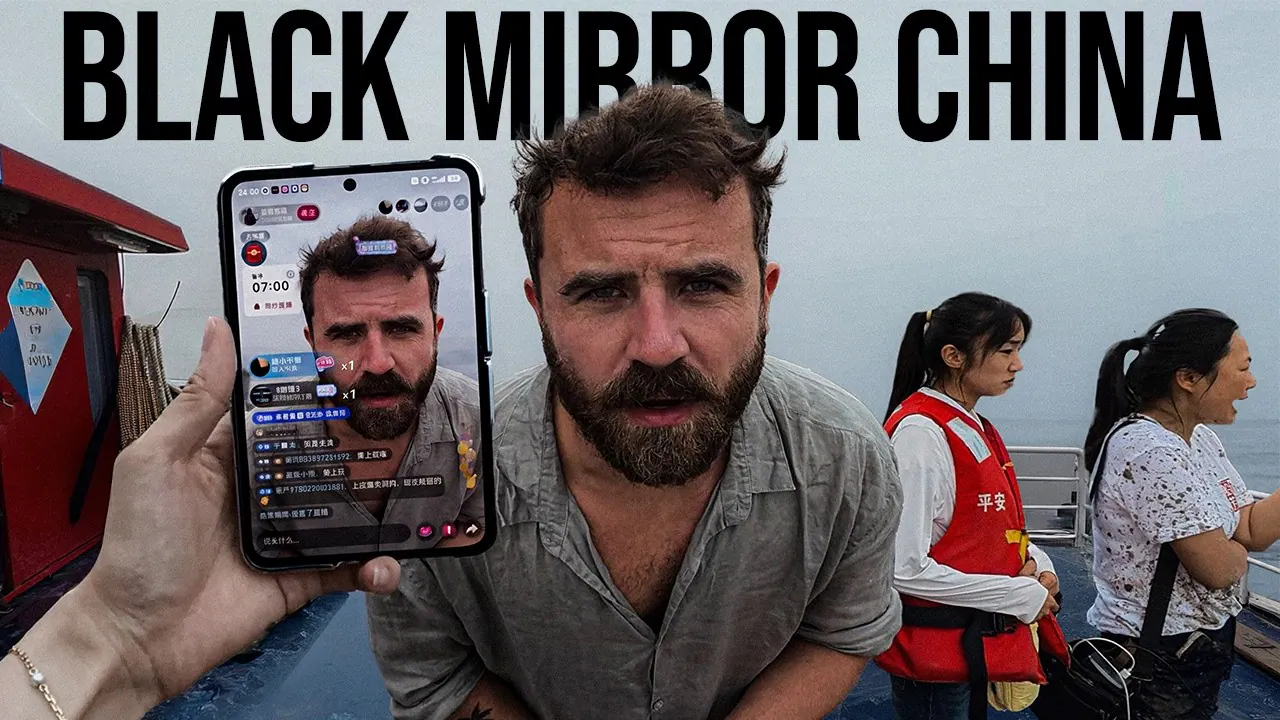
Mike Okay视频解读:长江上一艘靠直播活下来的船,是人情味还是赛博围观?
Mike Okay记录中国长江上一艘仍为商贩运行的船:它曾因公路网络兴起而失去功能,如今靠全程直播和观众打赏继续免费运营。这个故事温暖,也刺痛,因为它让我们看到直播经济如何把普通人的生计变成公共景观。
-
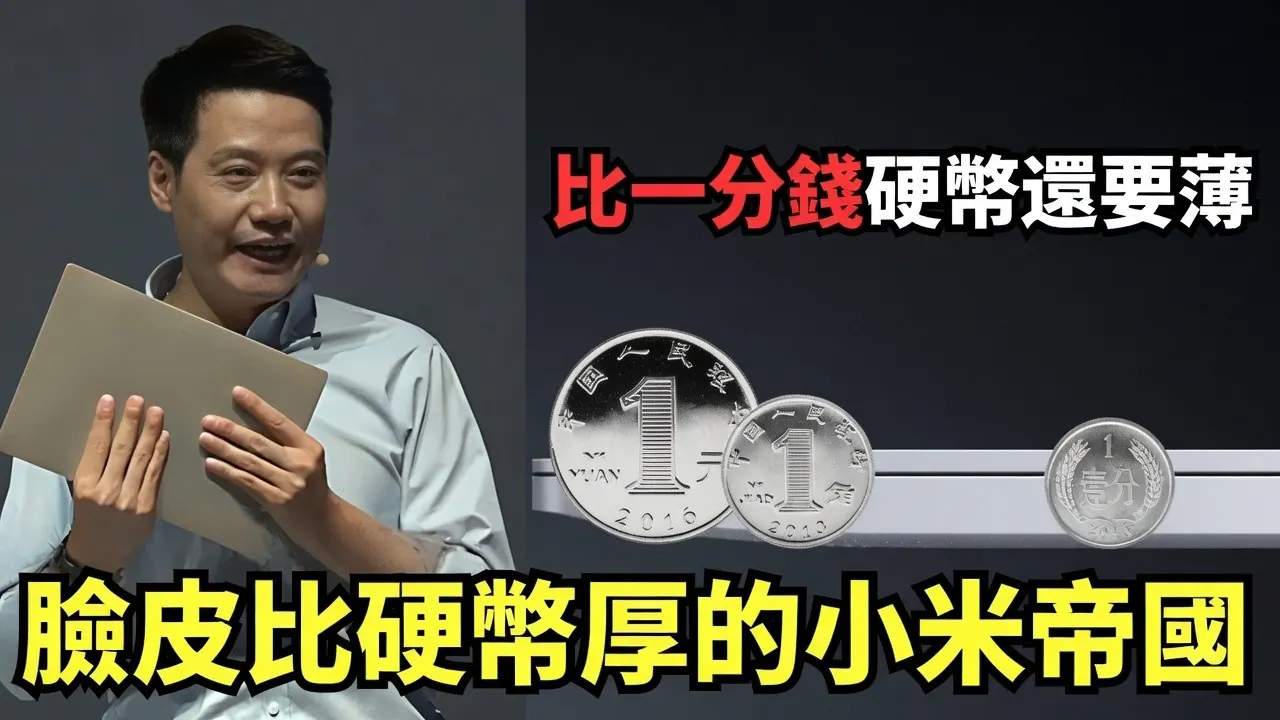
叉鸡视频解读:雷军和小米的魔幻崛起,为什么“会营销”不能替代造车责任?
叉鸡这期视频用讽刺方式回看雷军和小米:从手机时代的高性价比神话,到小米汽车SU7的爆红、争议和安全拷问。小米最强的是把产品做成话题,但汽车不是手机,营销越强,责任越不能薄。
-

Manaakitanga i te kāinga: ehara te whakatau manuhiri i te whakataetae tunu kai
Ka kitea te manaakitanga i te whakarite wāhi, te whakarongo, te tohatoha kai me te tiaki i te mana o te manuhiri. Kāore e hiahiatia kia nui te utu, kia tino pai rānei te whare.
-

Podcast Pick: Articles of Interest explains why clothes are never just clothes
Avery Trufelman uses garments to investigate labour, status, gender, technology and identity. The podcast makes fashion legible even to listeners who think they do not care about it.
-
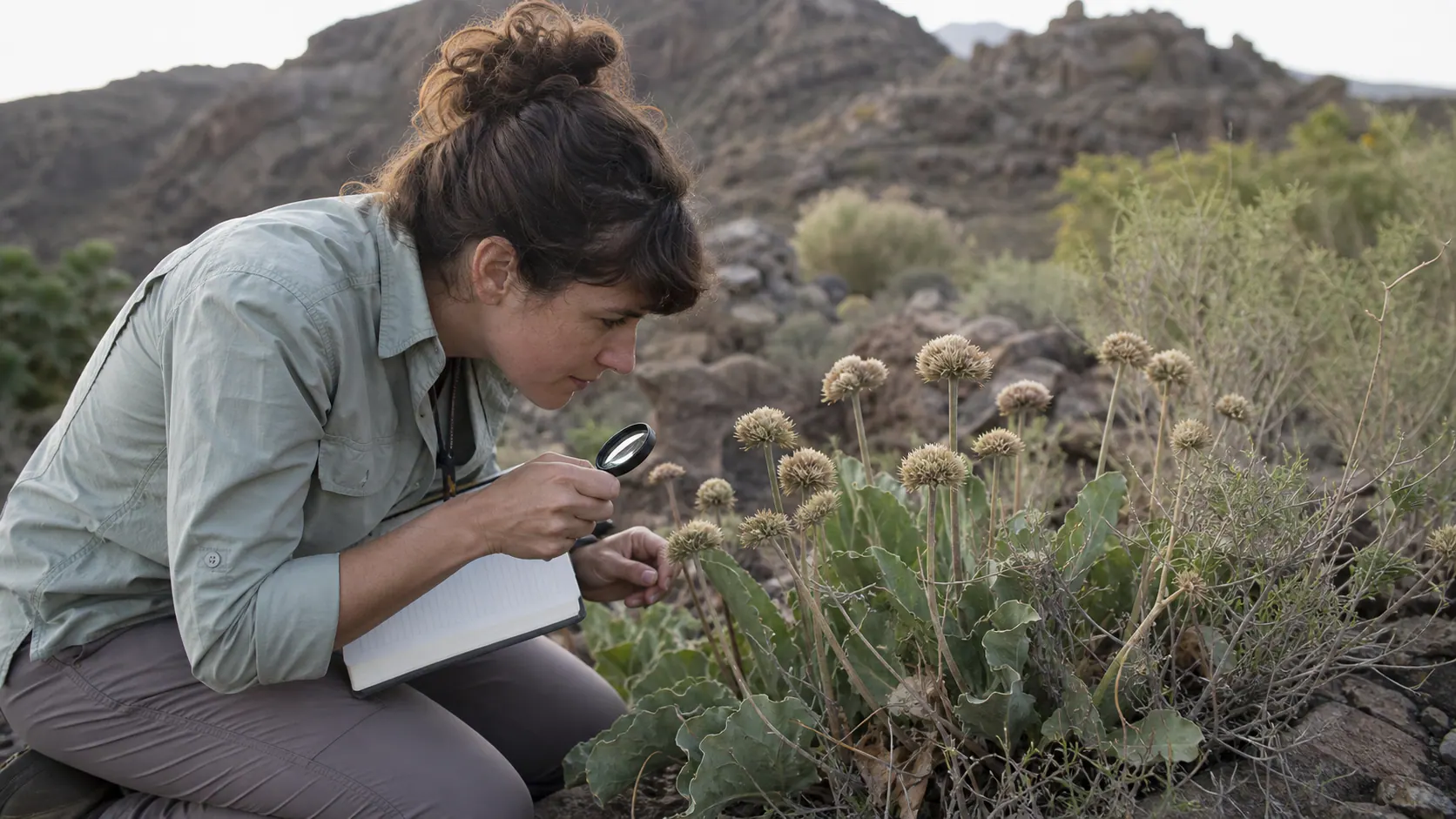
YouTube Pick: Crime Pays But Botany Doesn’t teaches plants in their own grammar
Joey Santore’s field videos connect plant form, geology, climate and evolution. The language is deliberately abrasive, but the botanical observation is unusually alive.
-
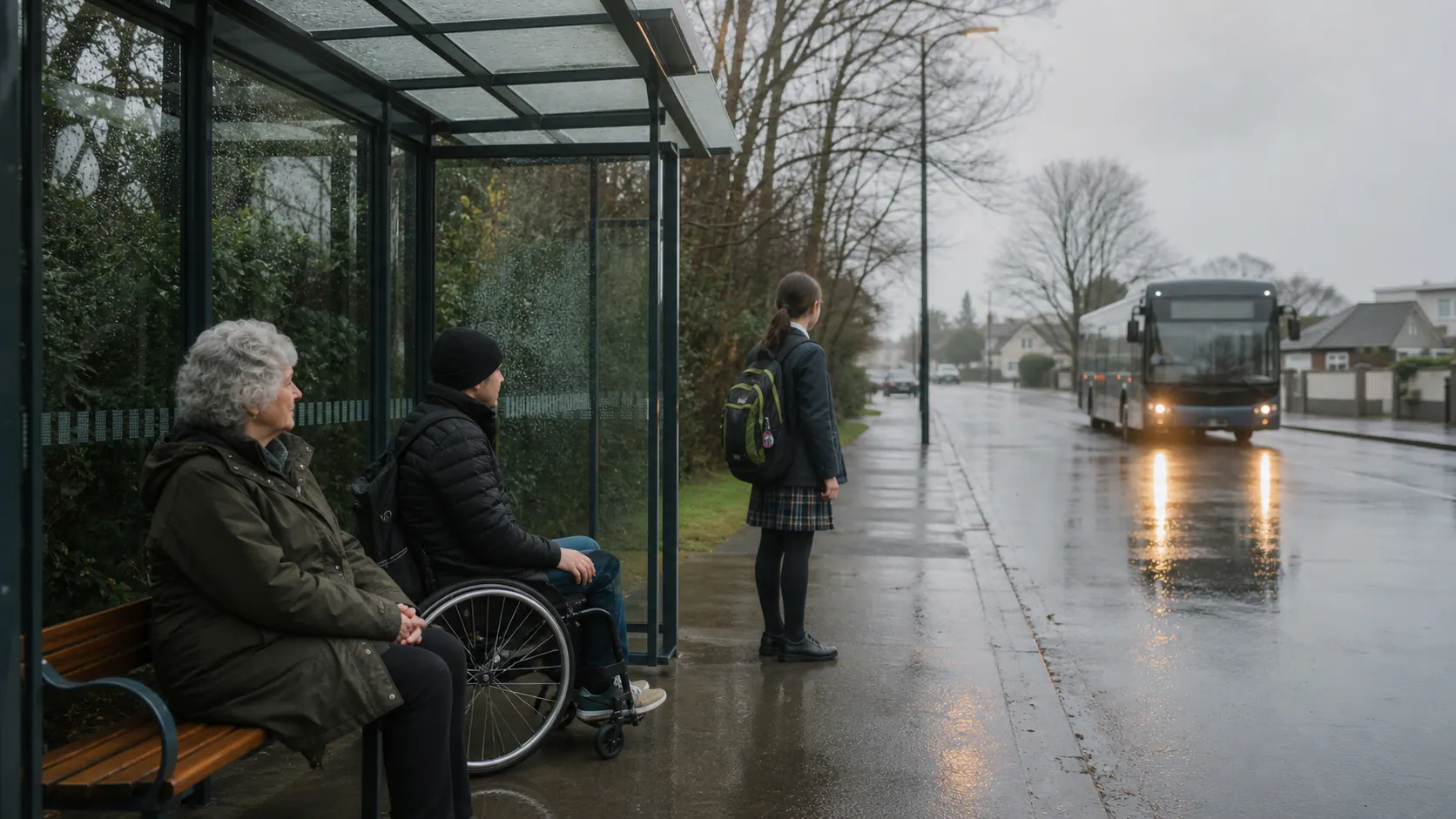
New Zealand should set a minimum standard for waiting at a bus stop
Public transport begins before the bus arrives. Shelter, seating, lighting, accessible kerbs and reliable information should be basic service components, not postcode luck.
-
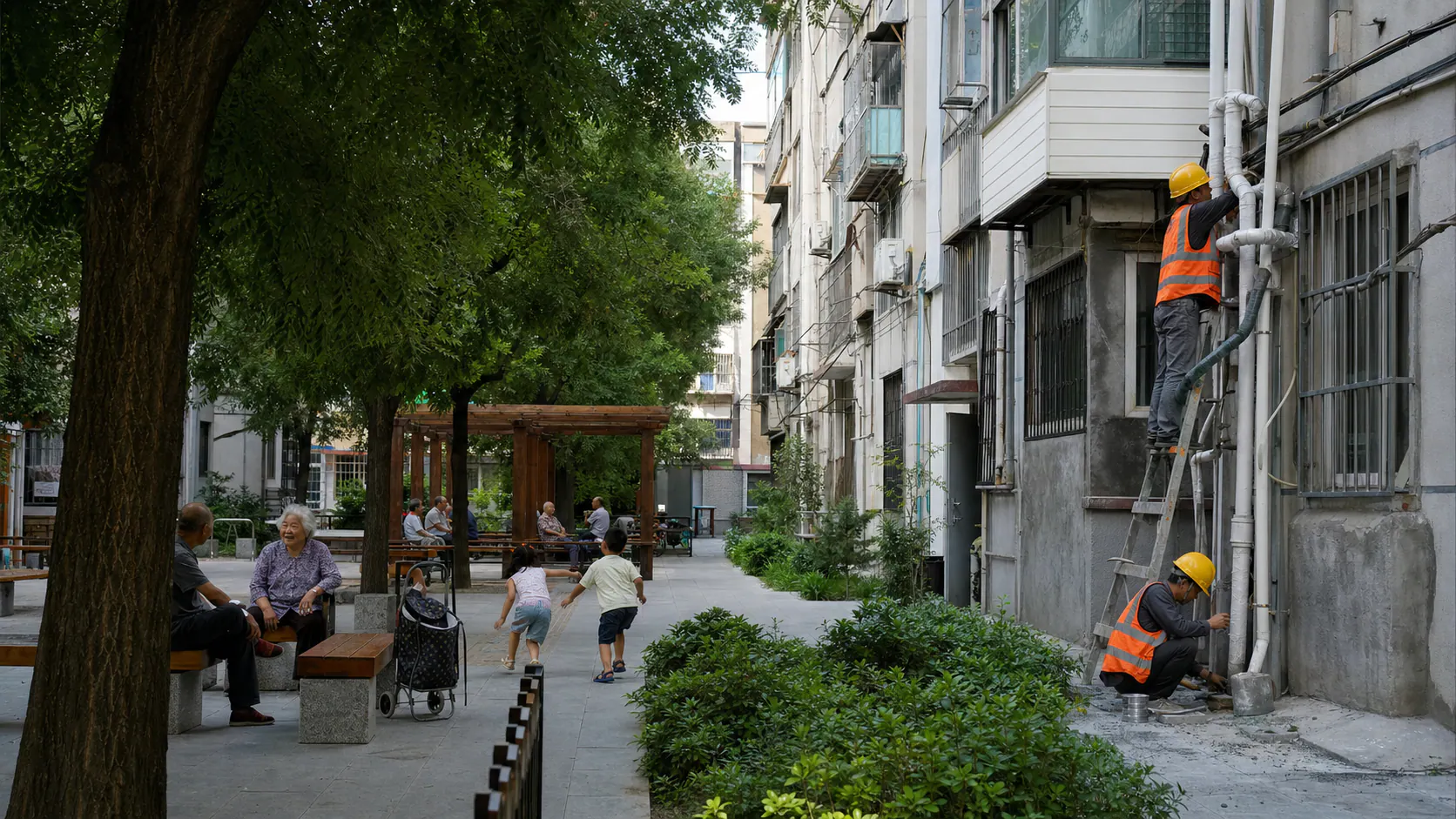
China’s urban renewal should repair neighbourhoods without erasing them
China’s 2026–2030 urban renewal plan links housing, infrastructure, resilience and culture. Delivery should prioritise residents, maintenance and gradual repair over cosmetic projects.
-
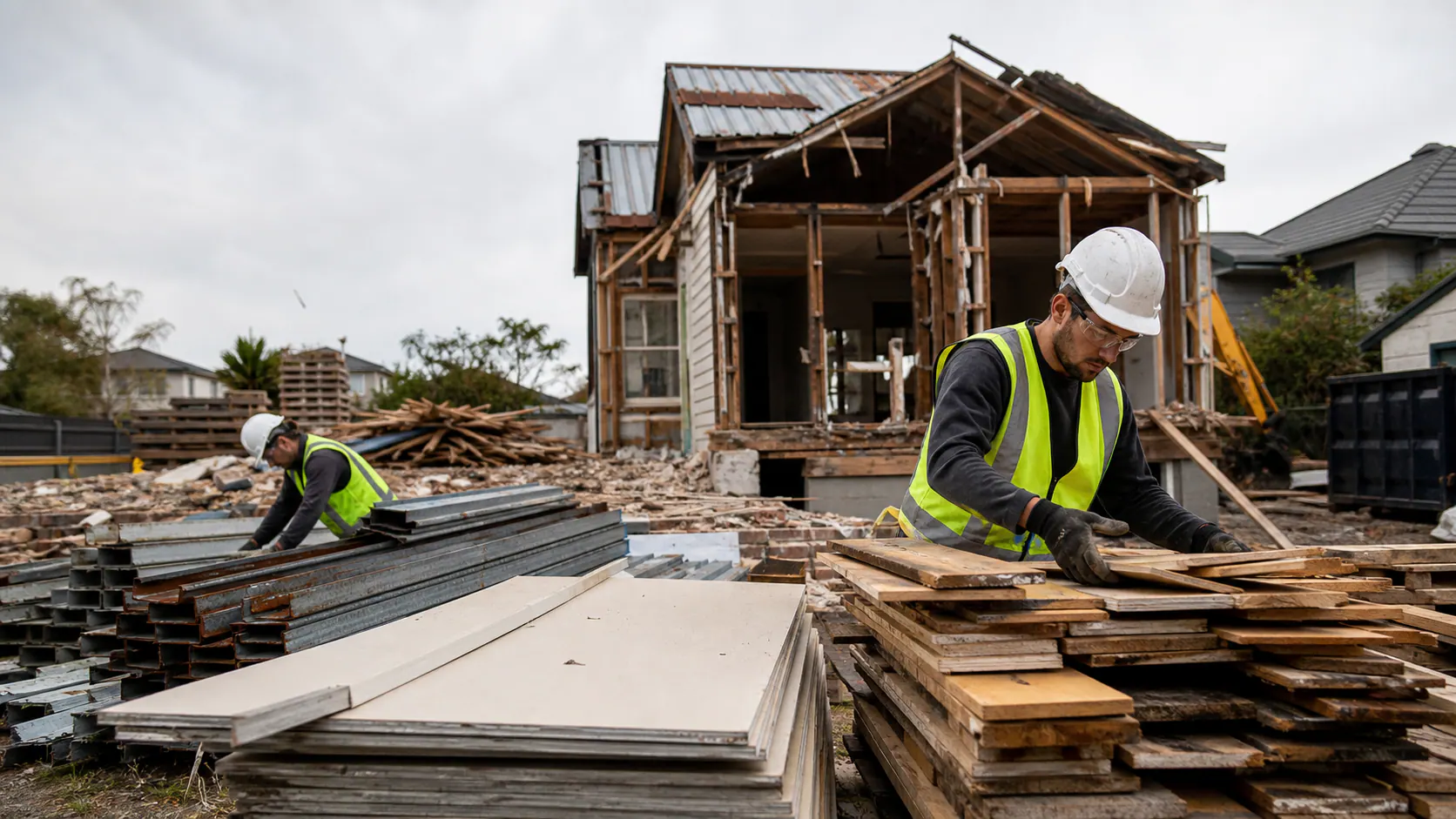
New Zealand should dismantle buildings with their next use in mind
Construction waste is a design and logistics problem. Deconstruction, source separation, material records and reuse markets can retain value before mixed skips destroy it.
-

Rural maternity care is measured in kilometres as well as appointments
For rural families, maternity access depends on travel, workforce continuity, transfer plans and accommodation near higher-level care. Funding must recognise time and geography.
-

VEXILLA视频解读:王虹、邓煜获菲尔兹奖,为什么既是中国人的骄傲,也是高等教育的拷问?
王虹、邓煜获得2026年菲尔兹奖,是华人数学家的历史性时刻。但VEXILLA这支视频提出的尖锐问题也值得认真看:如果顶尖人才必须在海外科研体系中完成真正成长,中国高等教育到底是在培养人,还是只是在筛选人?
-

He whenu, he kōrero: mā te raranga ka hono te ringa, te whenua me te whakapapa
Ehara te raranga i te mahi ā-ringa noa. Ka tīmata ki te tiaki i te pā harakeke, ki te ako tikanga, ki te whakarongo ki te kaiako, ā, ka kawe kōrero ki ngā reanga e whai ake nei.
-

Podcast Pick: The Memory Palace makes a small life large enough to notice
Nate DiMeo’s short narrative essays recover overlooked people, objects and moments. Their emotional force comes from form, but listeners should still distinguish archive, reconstruction and reflection.
-

YouTube Pick: Tasting History treats a recipe as evidence
Max Miller recreates historical food while examining texts, myths, ingredients and kitchen constraints. The result is entertaining because uncertainty stays in the recipe.
-
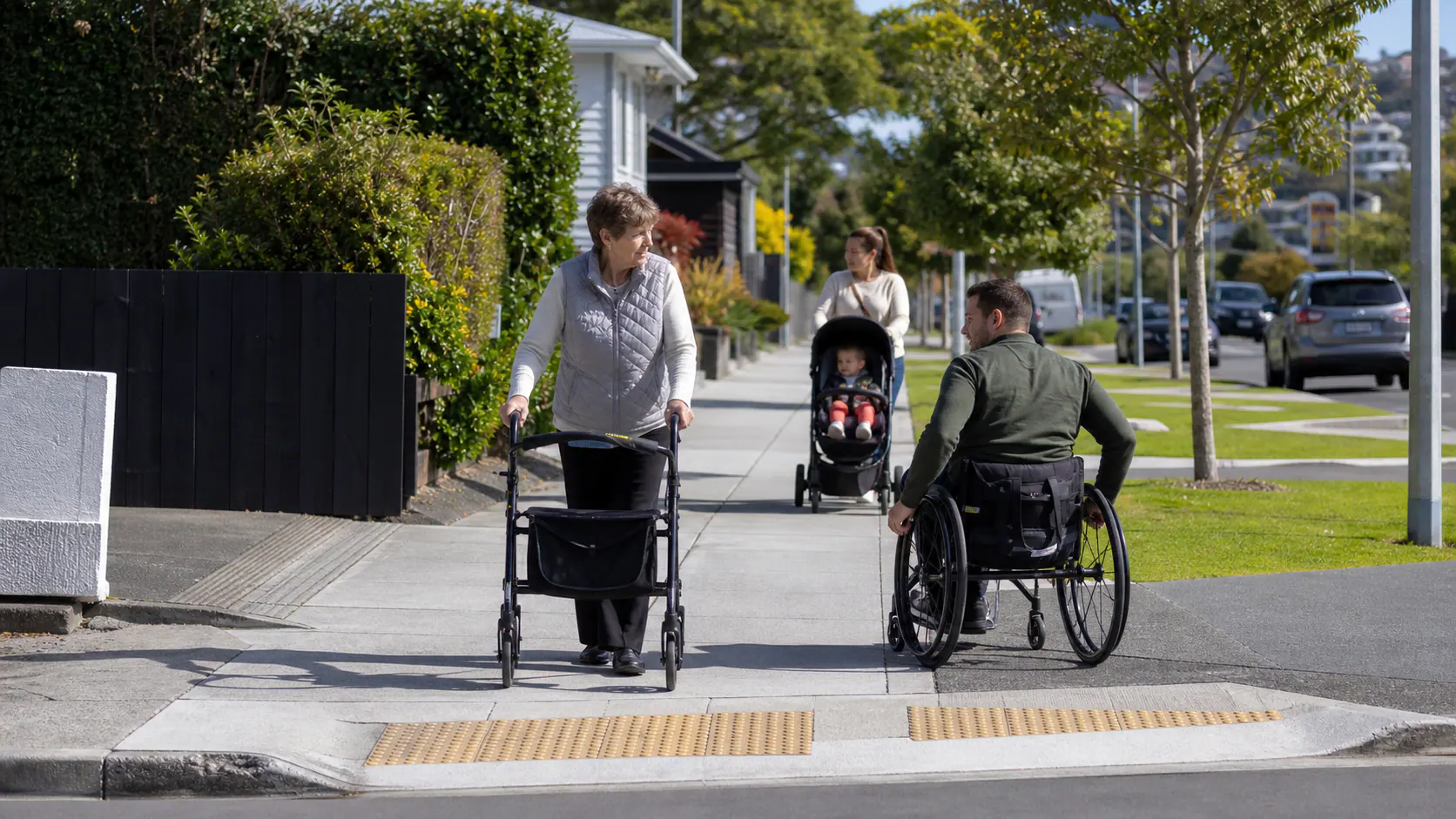
New Zealand footpaths should be managed as a continuous mobility network
A good footpath is not a decorative strip beside a road. Width, surface, crossings, driveways, vegetation and construction detours determine whether people can complete an ordinary trip.
-

China’s public services should follow the resident, not the registration book
Providing basic services where people actually live could make urbanisation more secure. Delivery will depend on school capacity, portable social insurance, housing access and municipal finance.
-
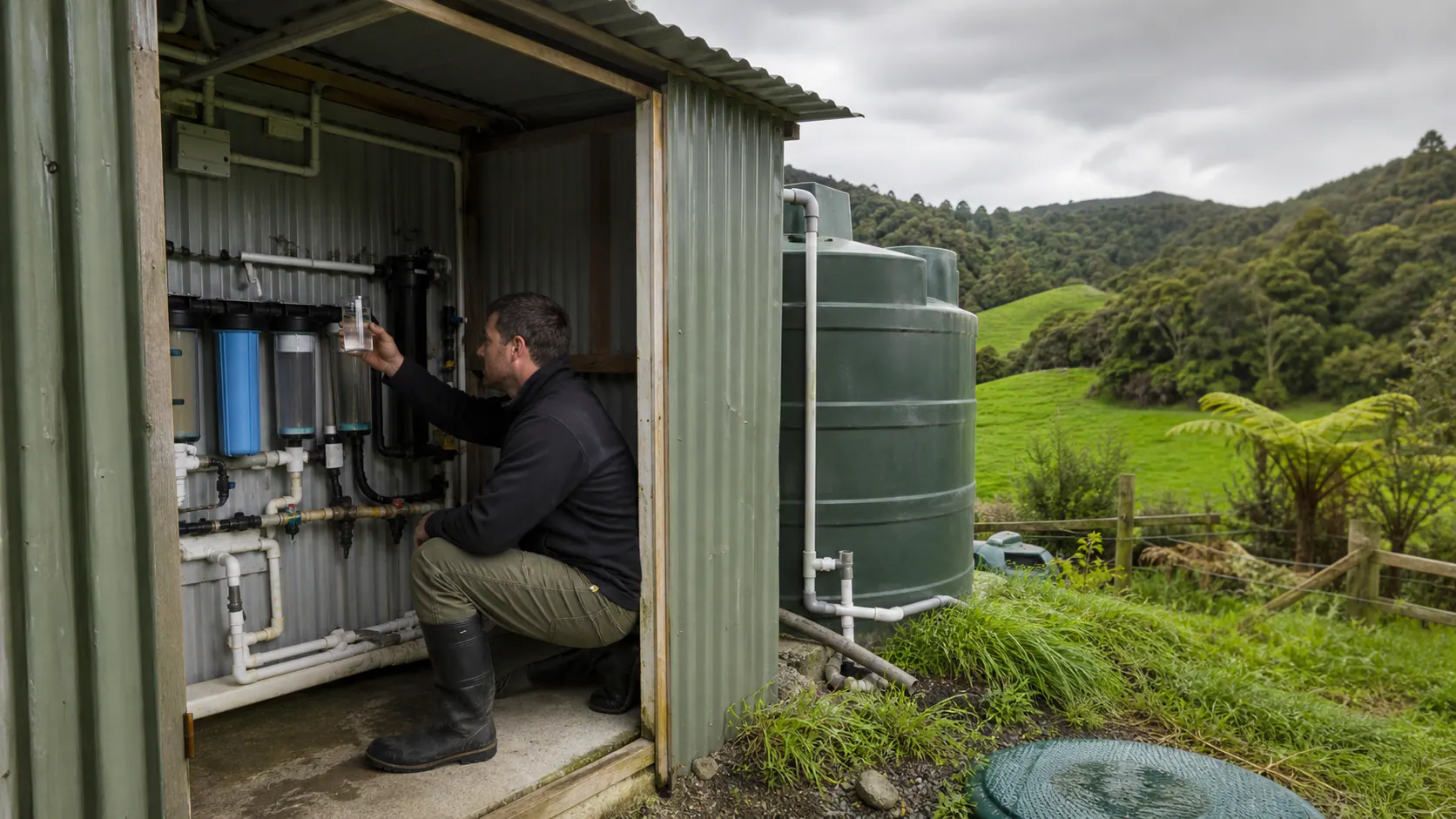
Safe drinking water gets harder when the supply is very small
Marae, halls, rural communities and mixed-use supplies face the same duty to provide safe water as larger systems, but with fewer operators, smaller budgets and less redundancy.
-
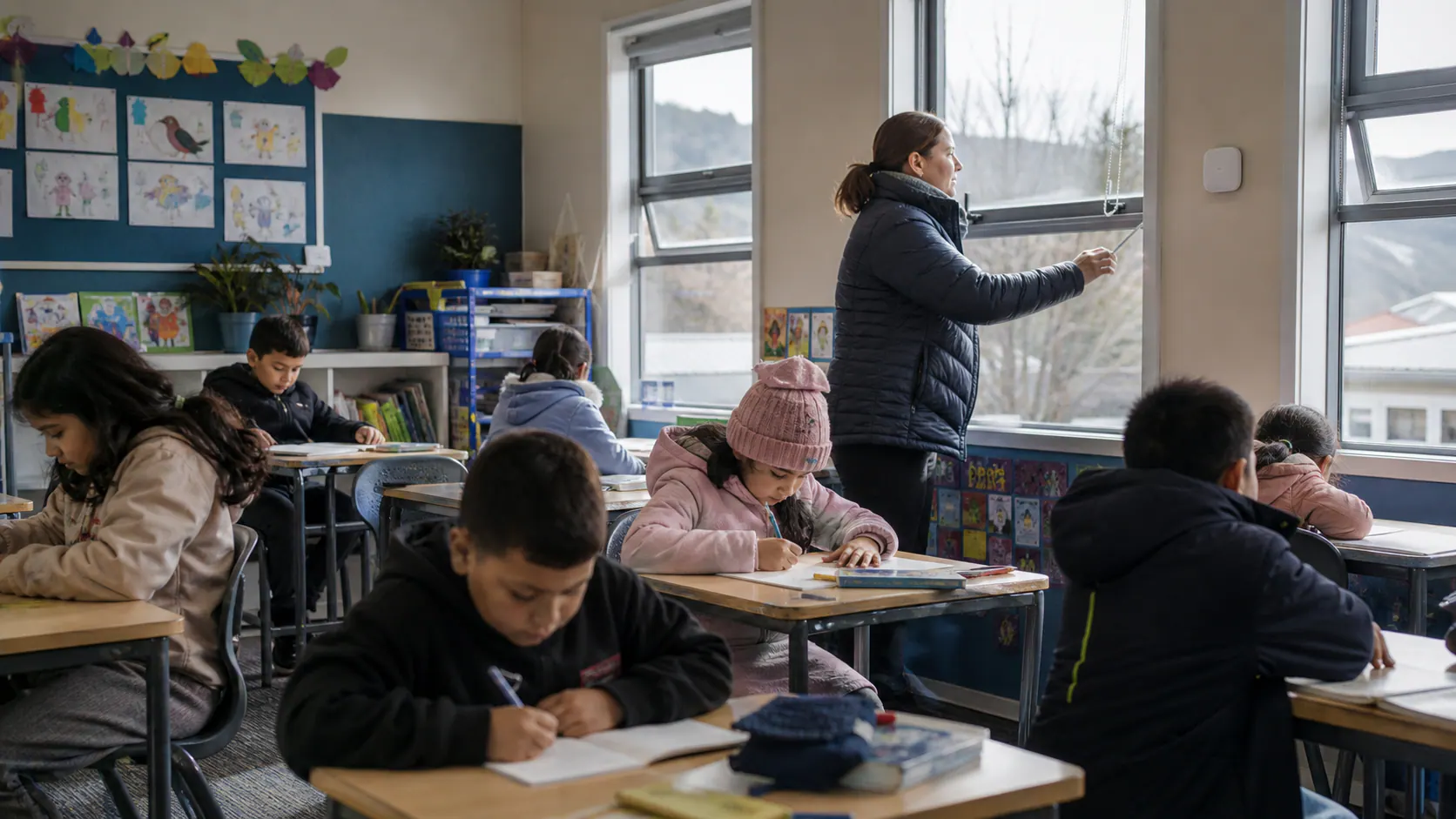
A classroom air monitor is useful only when someone can act on it
New Zealand schools can measure carbon dioxide, temperature, humidity, sound and light. The harder task is turning indoor-environment data into maintenance, teaching practice and equitable property investment.
-

Te maramataka i te kāinga: tirohia te rangi, te wai me ngā tohu o te wā
Ka titiro tātou ki te rā i runga waea kia mōhio ai ki te rā o te marama. Engari i mātaki ngā tūpuna ki te marama, ki ngā whetū, ki te hau, ki te wai, ki ng
-
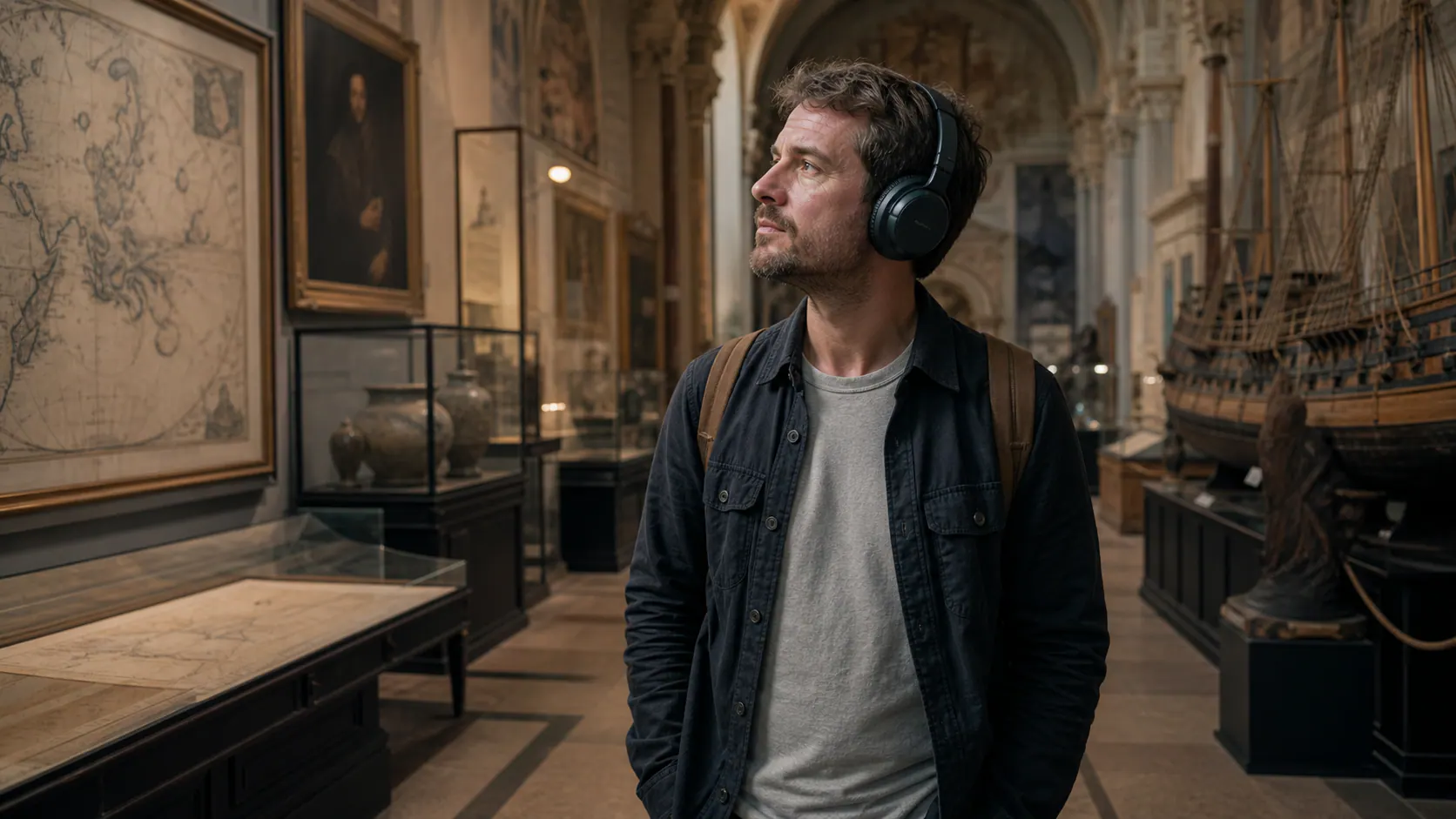
Podcast Pick: The Rest Is History makes disagreement part of the lesson
History podcasts can become either lectures or banter with dates attached. The Rest Is History works best in the space between. Historians Tom Holland and
-
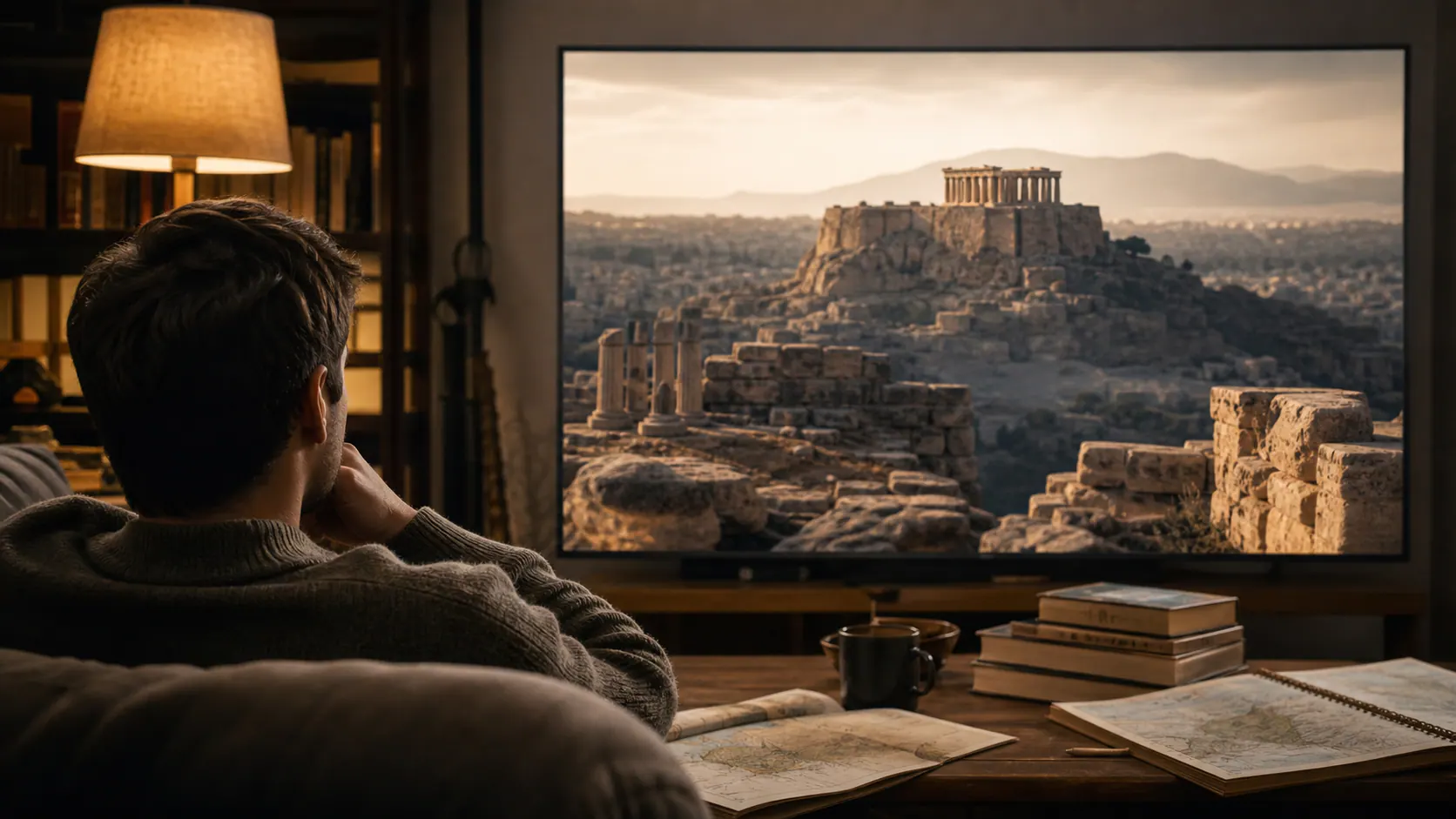
YouTube Pick: Fall of Civilizations gives history enough time to become a place
Short history videos often race from ruler to battle to collapse. Fall of Civilizations moves differently. Its feature-length episodes linger on geography,
-
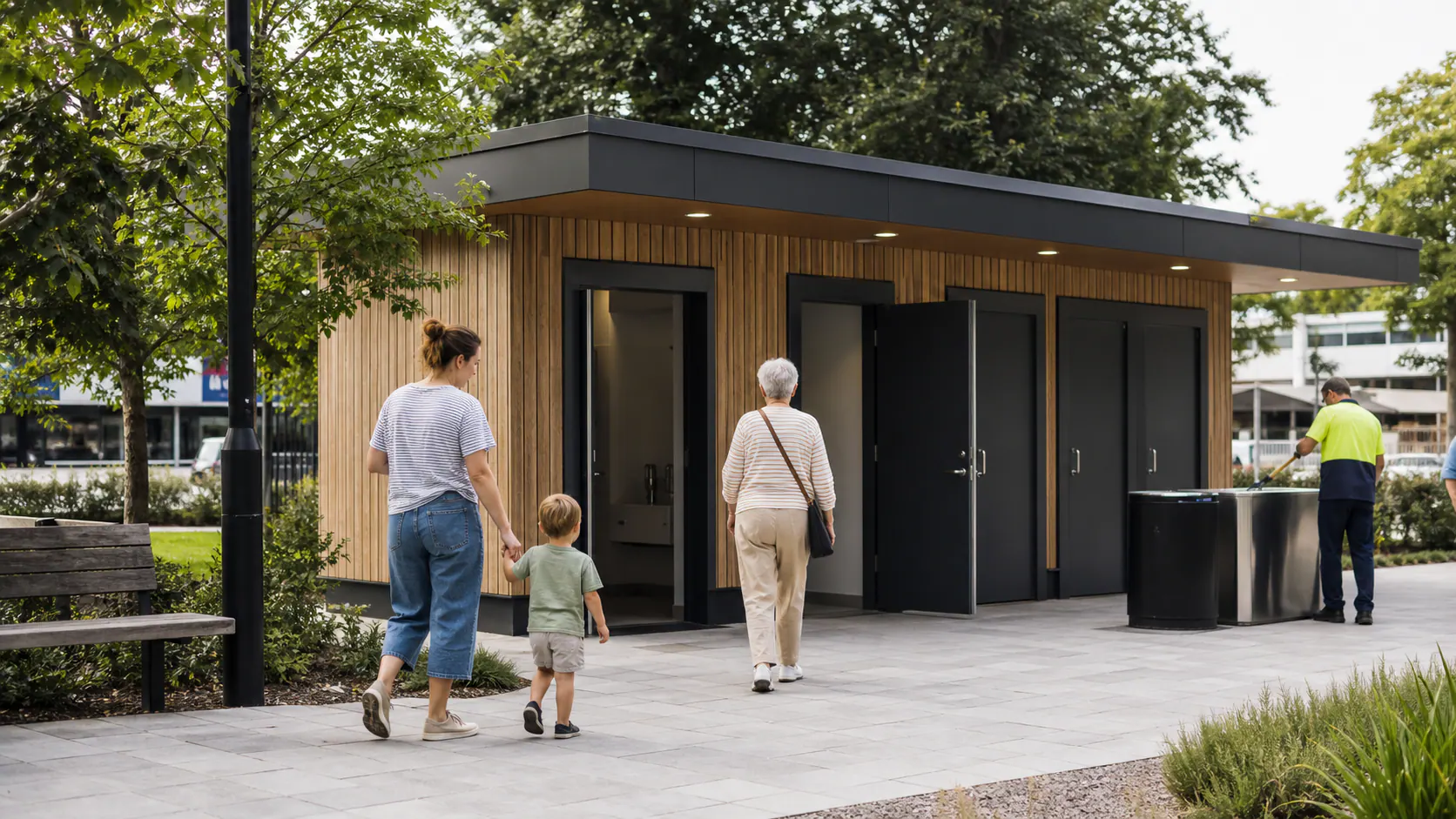
New Zealand needs a public-toilet standard people can actually use
A town can advertise walkability while quietly requiring people to plan their day around a toilet. Parents with young children, older people, pregnant peop
-
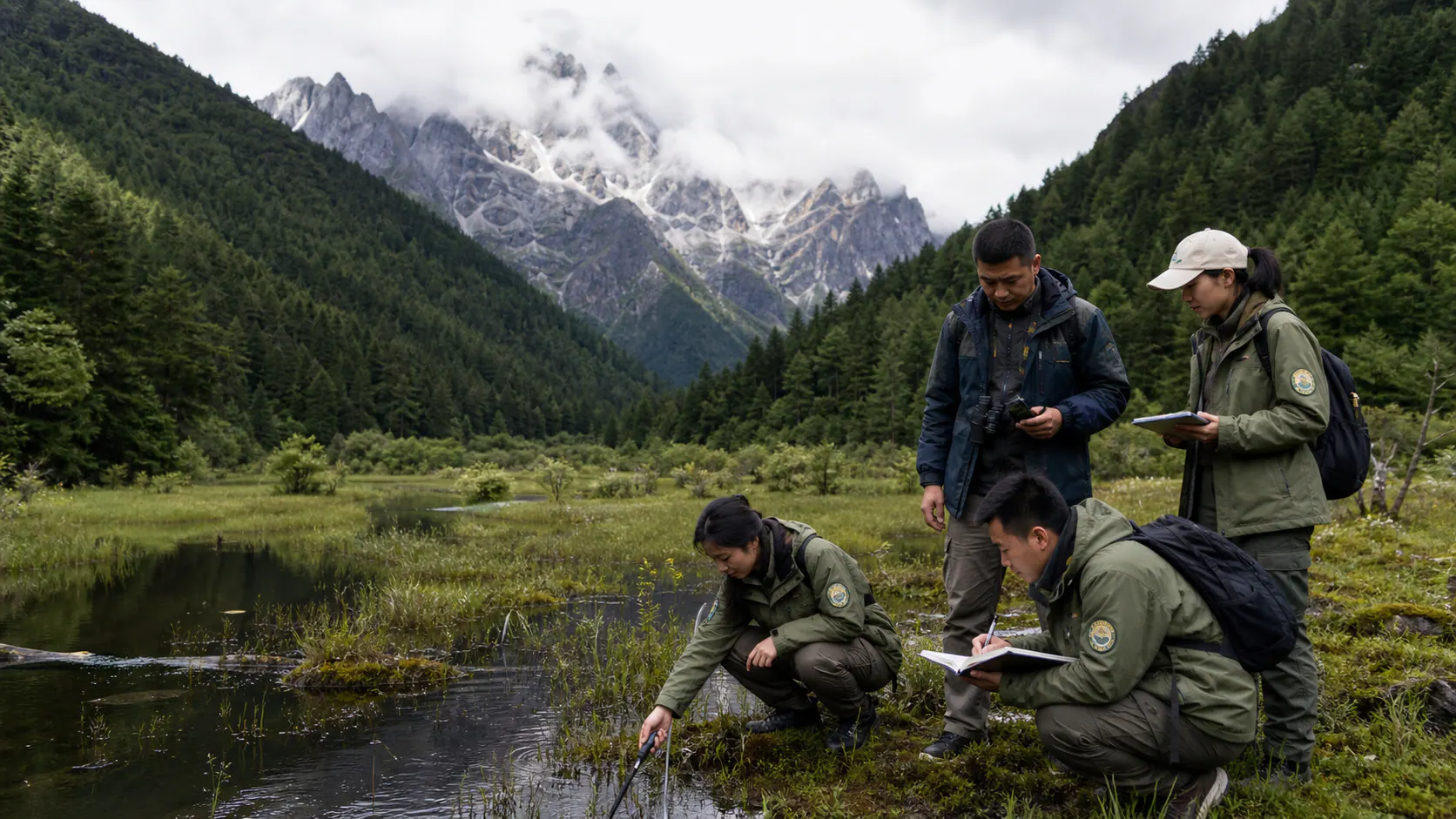
China’s national parks need boundaries that work for wildlife and people
A wild animal does not recognise the line between a national park, a scenic area and a local forest reserve. Water, fire and migration routes cross adminis
-
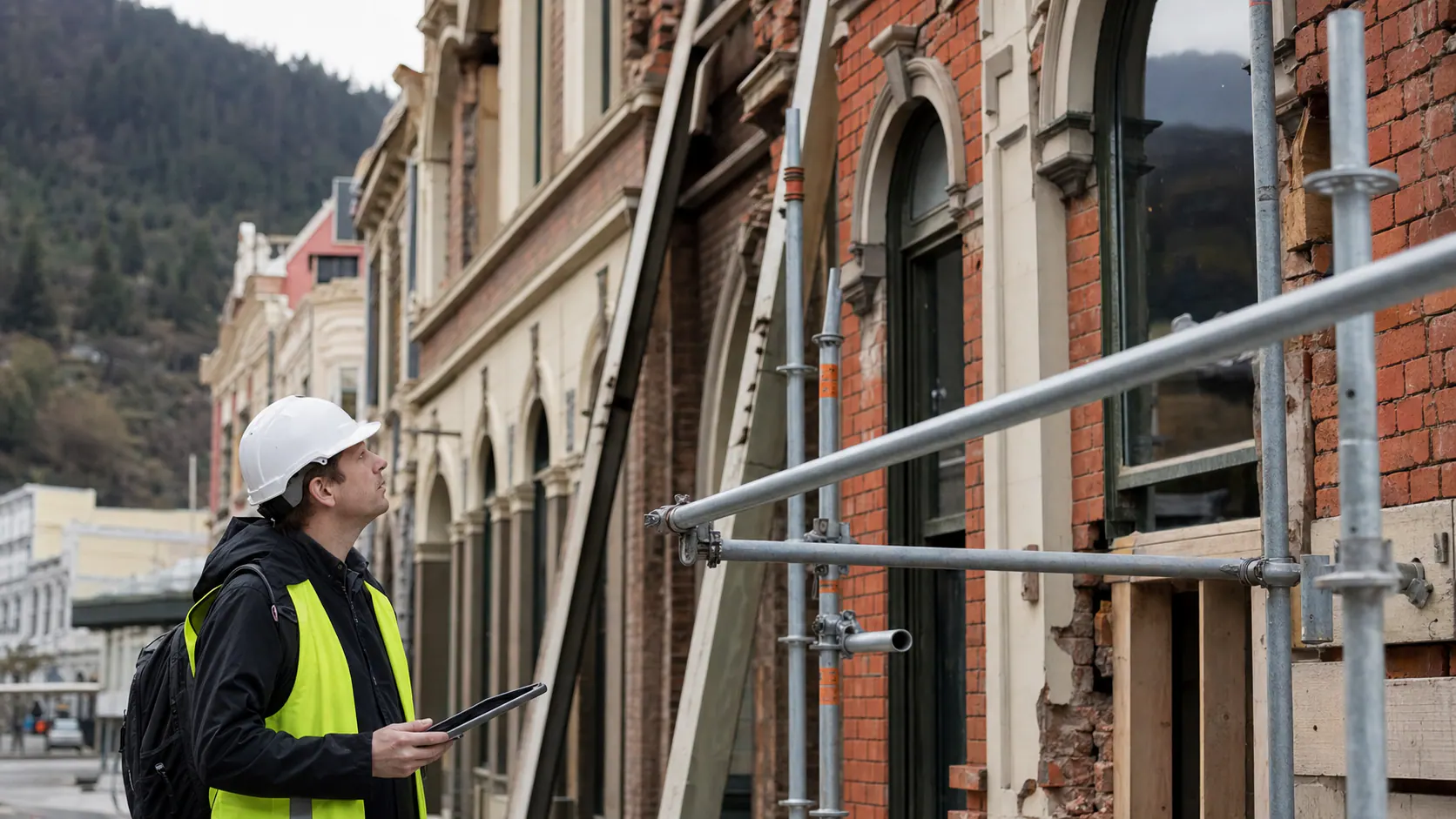
Earthquake-prone buildings are a test of timing, finance and public trust
A coloured notice on a building compresses a complicated judgement into one public signal. Behind it sit engineering assumptions, ground conditions, occupa
-

Community pharmacy can do more, but New Zealand must fund the handover
A community pharmacy may be the only health service a person can enter without an appointment. Pharmacists see medication confusion, untreated symptoms, co
-

ABC Four Corners纪录片解读:抗衰老生意跑在监管前面,长寿焦虑正在变成高风险消费
ABC News In-depth 的 Four Corners 纪录片《The health trends outpacing regulation and putting people at risk》,把镜头对准一个正在全球扩张的生意:长寿、抗衰老、biohacking,以及所有宣称能让人更年轻、更有能
-

Nobby On Cars中国行视频解读:看完BYD工厂和5分钟闪充,他终于明白中国EV为什么这么快
Nobby On Cars 这支视频《I Went to China… Now I Understand》,标题很简单:去了中国,现在终于明白了。它真正有意思的地方,不是又一个外国车评人夸中国车,而是他把镜头放在了一个更大的问题上:为什么中国电动车产业跑得这么快?欧洲车企还能不能追上? 视频讲了什么 根据
-
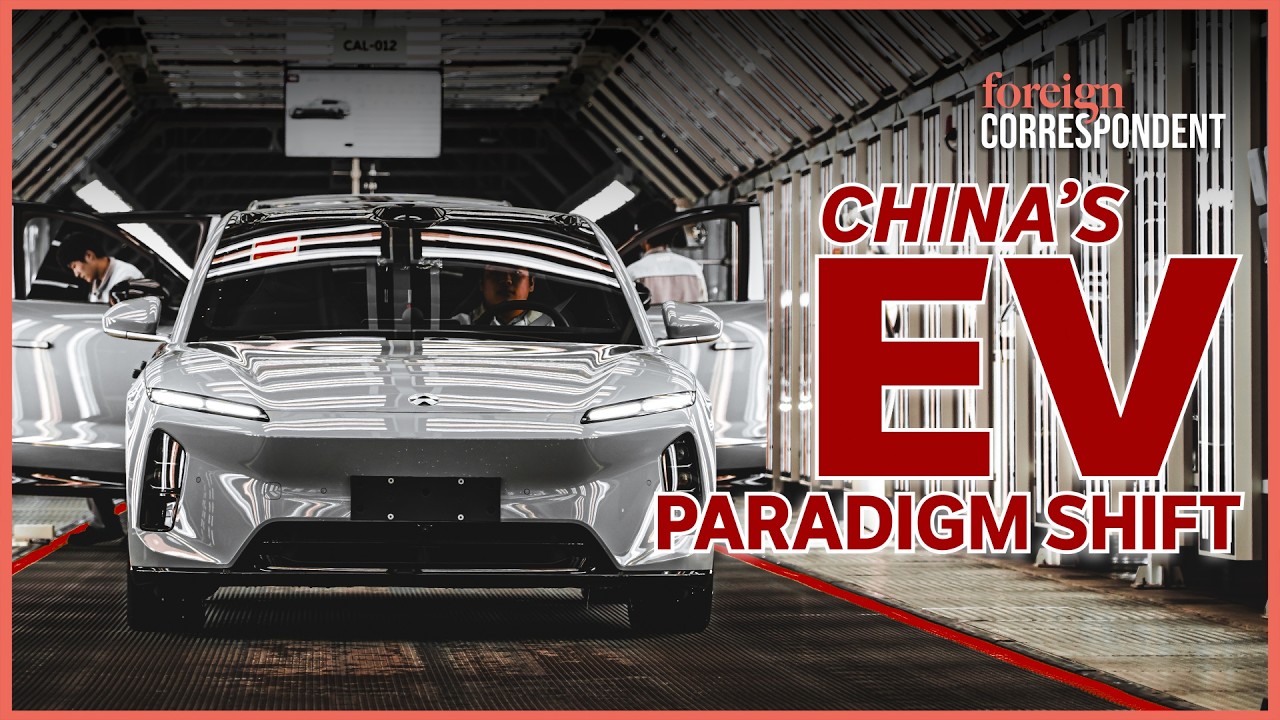
ABC视频解读:中国电动车已经活在未来,澳洲和新西兰该醒了吗?
ABC News In-depth 的《Foreign Correspondent》最新视频《How China is already living in an EV future》,把镜头对准中国电动车产业。它的重点不是简单说“中国车便宜”,而是指出一个更重要的事实:在电动车这件事上,中国不是只做出一批产品
-

He pukapuka mā te mokopuna: tuhia ngā kōrero i mua i te ngaronga
Kei roto i ia whānau ngā kōrero kāore anō kia tuhia: te ingoa karanga o tētahi kuia, te take i neke ai te whānau ki tētahi tāone, te waiata i rangona i te
-

Podcast Pick: Cautionary Tales asks why smart people repeat avoidable mistakes
After a failure, the lesson often sounds obvious. Someone ignored a warning, trusted the wrong model or continued a plan after conditions changed. The clar
-
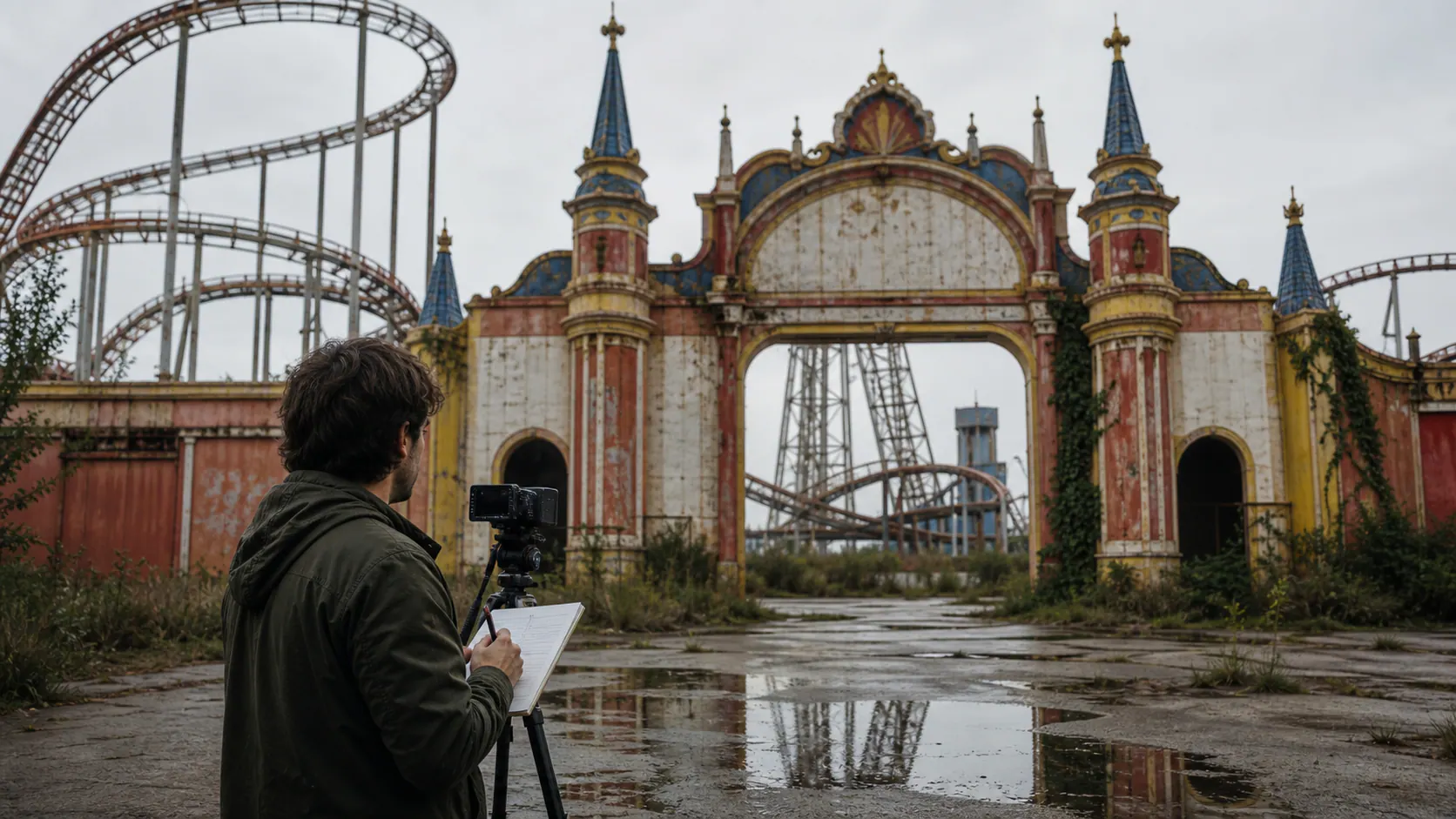
YouTube Pick: Defunctland turns entertainment history into systems reporting
An abandoned attraction can look like pure nostalgia: faded paint, an empty queue and a theme song remembered from childhood. Defunctland uses that emotion
-
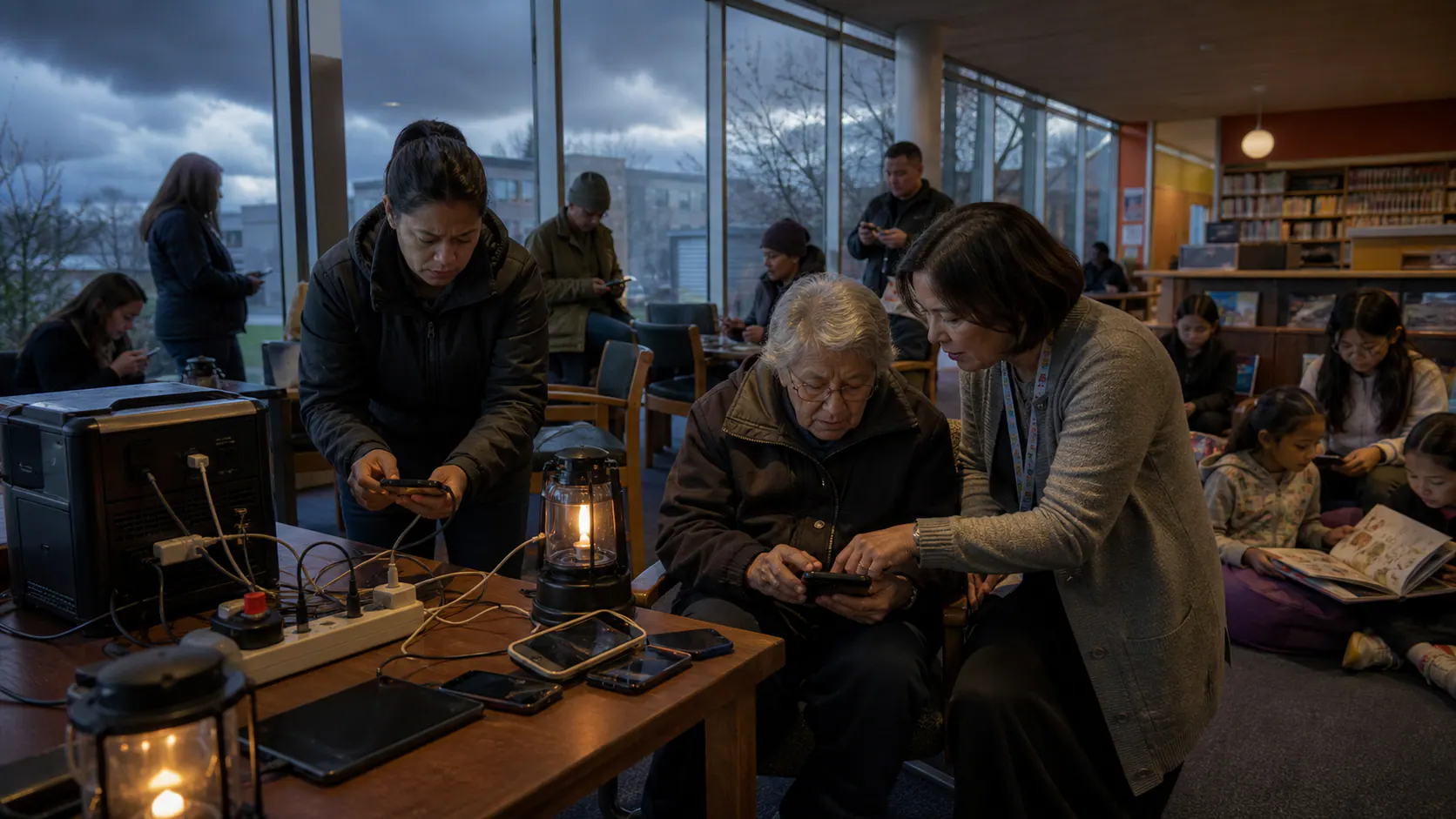
New Zealand should treat libraries as resilience infrastructure
A library is easiest to undervalue when measured only by books issued. On an ordinary day it offers internet, warmth, bathrooms, study space, printing, loc
-

China’s disease-prevention plan will be tested between outbreaks
Disease prevention becomes visible when an outbreak is already frightening. Cameras show laboratories, emergency meetings and protective equipment. The mor
-
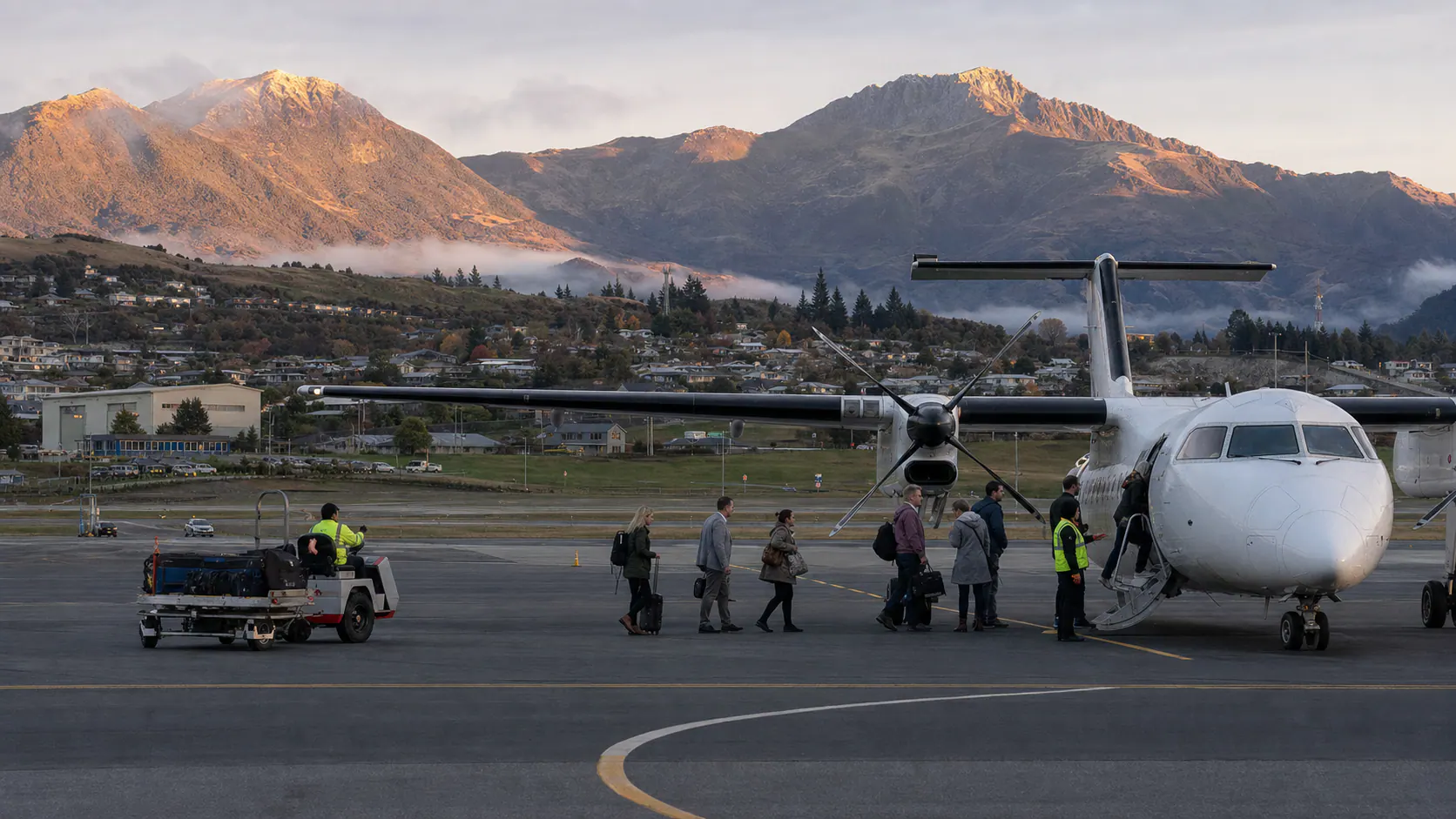
Regional air links are public infrastructure with airline economics
At a regional airport, a cancellation is rarely just a later holiday. It can mean a missed specialist appointment, a lost day of work, a student unable to
-
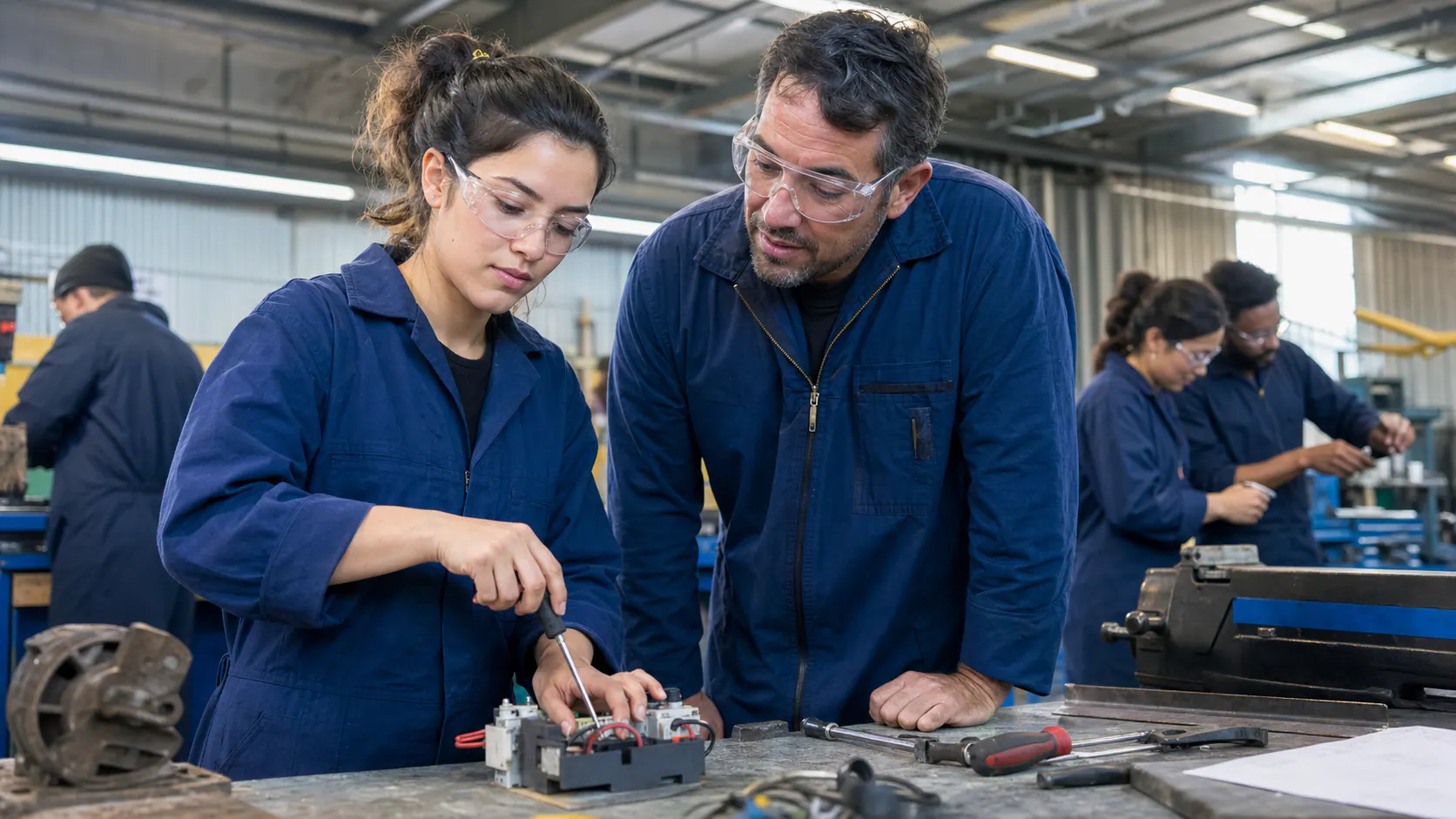
New Zealand needs apprenticeships that survive the economic cycle
An apprentice learns on two clocks. The first is the daily clock of the job: tools, deadlines, customers and the judgement of experienced workers. The seco
-

SBS中文视频解读:上海十年、收养中国女儿,墨大教授Andrew Godwin的中国情缘
SBS中文这支视频,表面上是一段人物访问:墨尔本大学法学院教授 Andrew Godwin 和妻子 Angie,讲述他们与中国之间跨越数十年的关系。从澳洲课堂上的中文启蒙,到在上海生活十年,再到收养中国女儿,这不是一个简单的“外国人喜欢中国”的故事,而是一段把语言、家庭、职业和身份真正缝合在一起的人生经历。
-

Kei roto i te ingoa te mahara: kia rangona anō ngā kōrero o te whenua
Ka haere tātou mā runga rori, ka whakawhiti awa, ka titiro ki ngā maunga. He maha ngā wā ka whakahua noa i te ingoa, kāore e pātai nō hea taua ingoa, ko wa
-

Podcast Pick: 99% Invisible teaches you to read the street beneath your feet
A curb cut, a storm drain, a bench divider and the painted marks left by utility crews can look like background clutter. After listening to 99% Invisible,
-
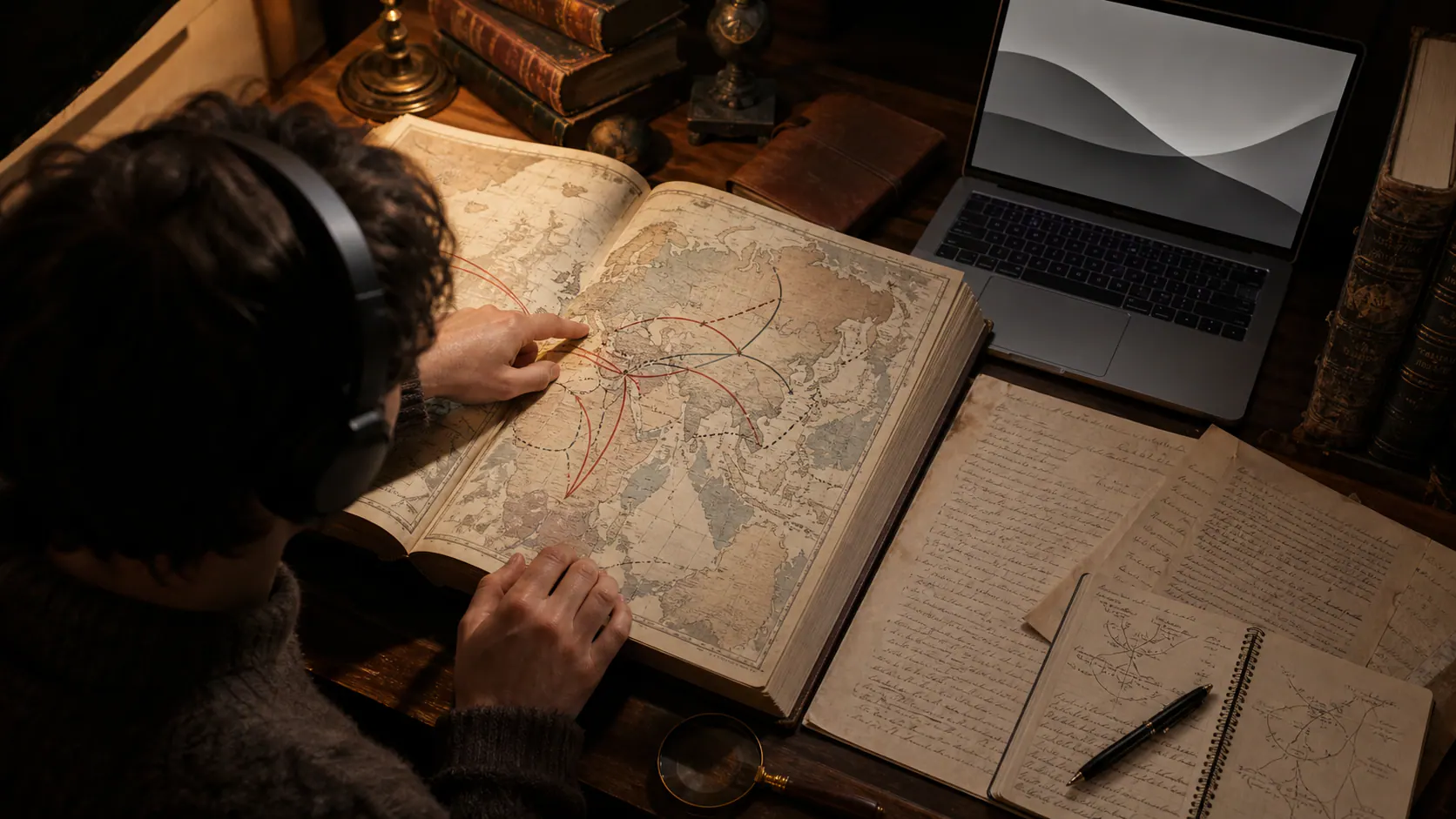
YouTube Pick: NativLang makes language history feel like human migration
A familiar word can carry a journey longer than any person’s lifetime. Its sounds shift, its meaning narrows or expands, and speakers carry it across mount
-

Healthy homes must be safe in summer as well as warm in winter
New Zealand’s housing-health debate has been shaped by cold bedrooms, condensation and mould for good reason. The healthy homes standards require heating,
-

China is giving EV batteries a digital identity. The hard part begins when cars retire
An electric vehicle can leave a showroom as a clean-technology success and reach the end of its first life as a difficult industrial object: heavy, high-vo
-
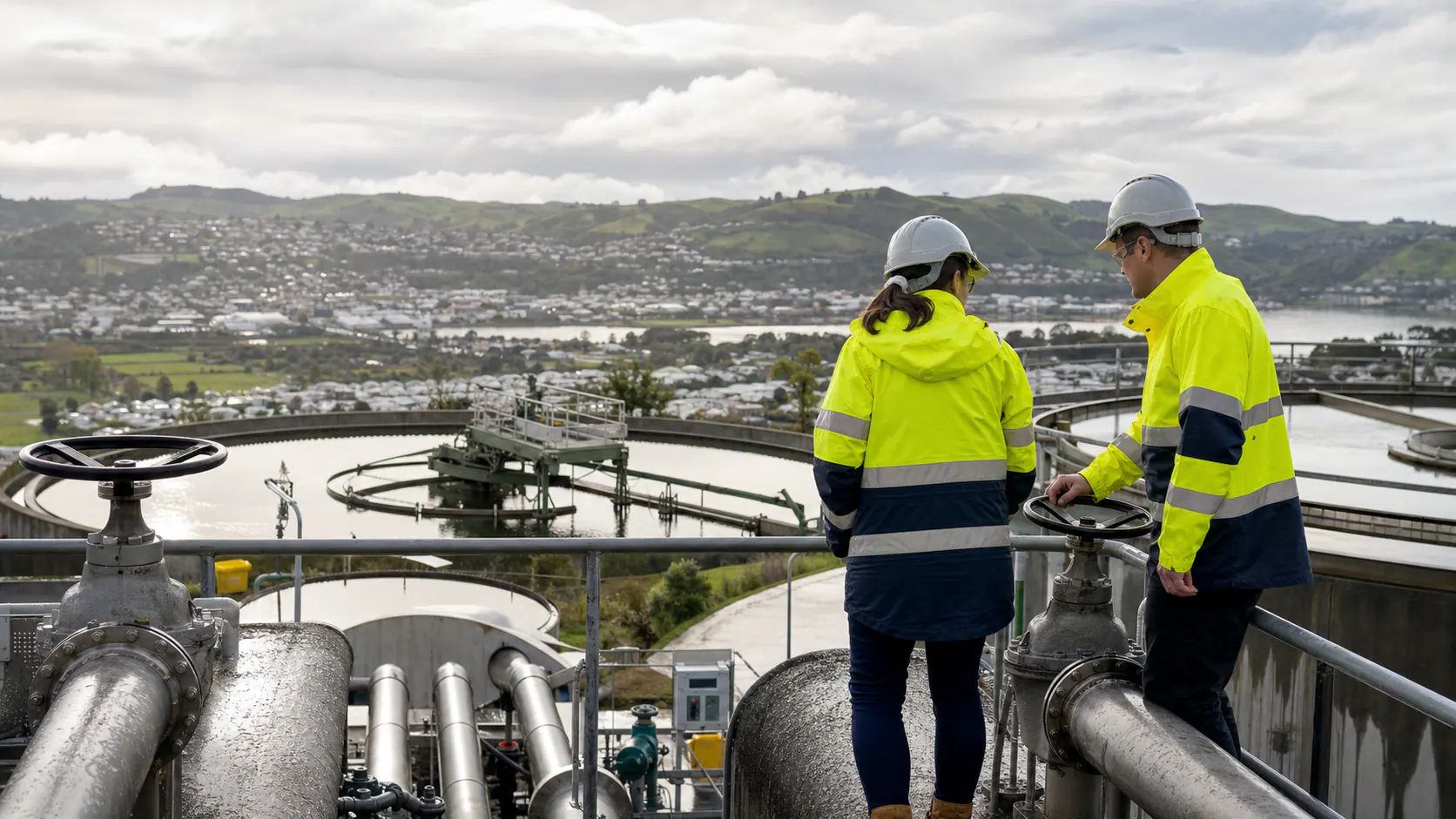
Water reform will be judged underground, not in Parliament
Most water infrastructure is designed to disappear. A tap works, a toilet clears and stormwater leaves the street; the public rarely sees the reservoirs, p
-
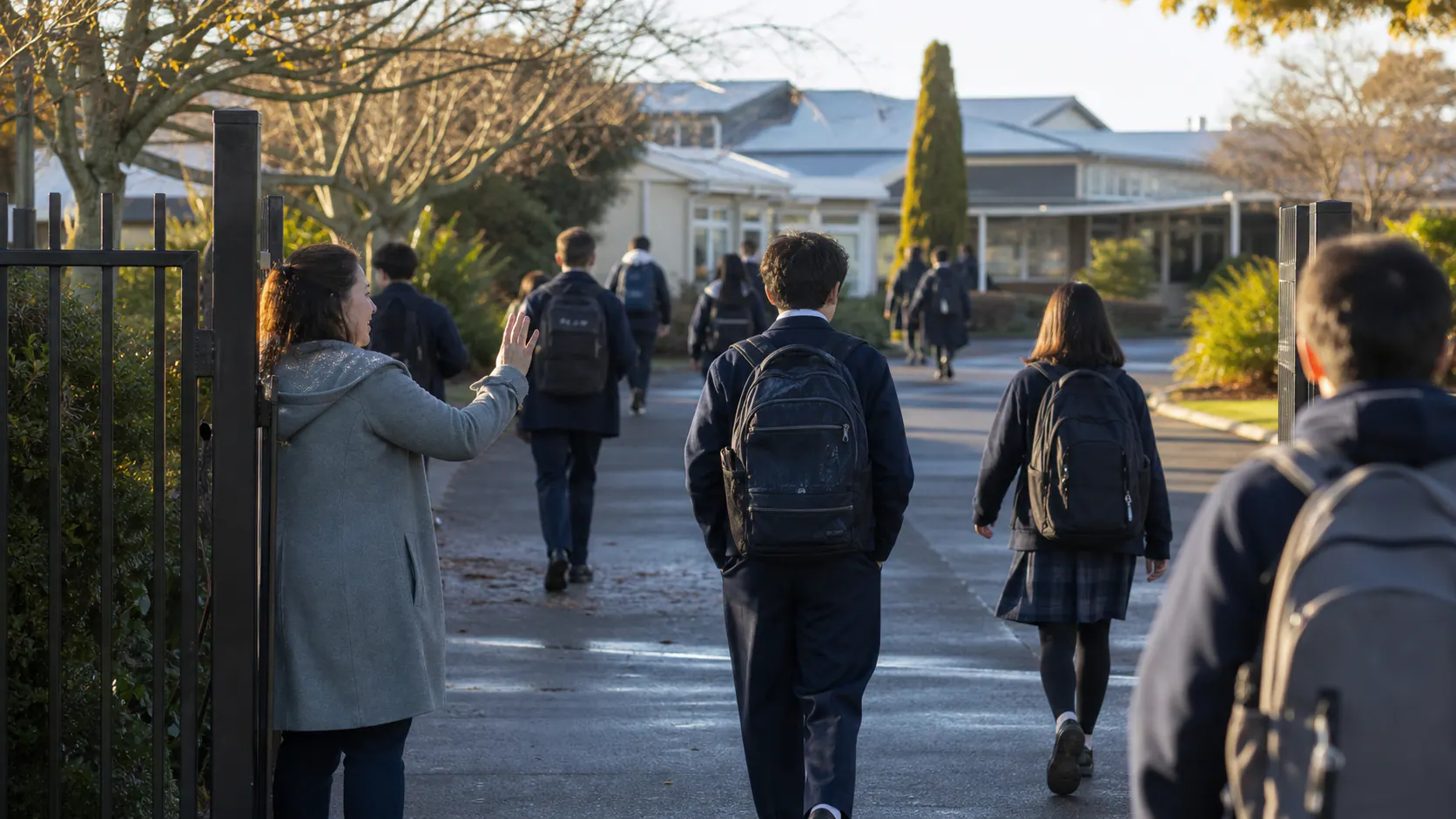
School attendance is improving. New Zealand still needs to understand who is missing
At 8.45 on a winter morning, school attendance looks simple: a gate, a bell and a student either present or absent. By the end of a term, however, that bin
-
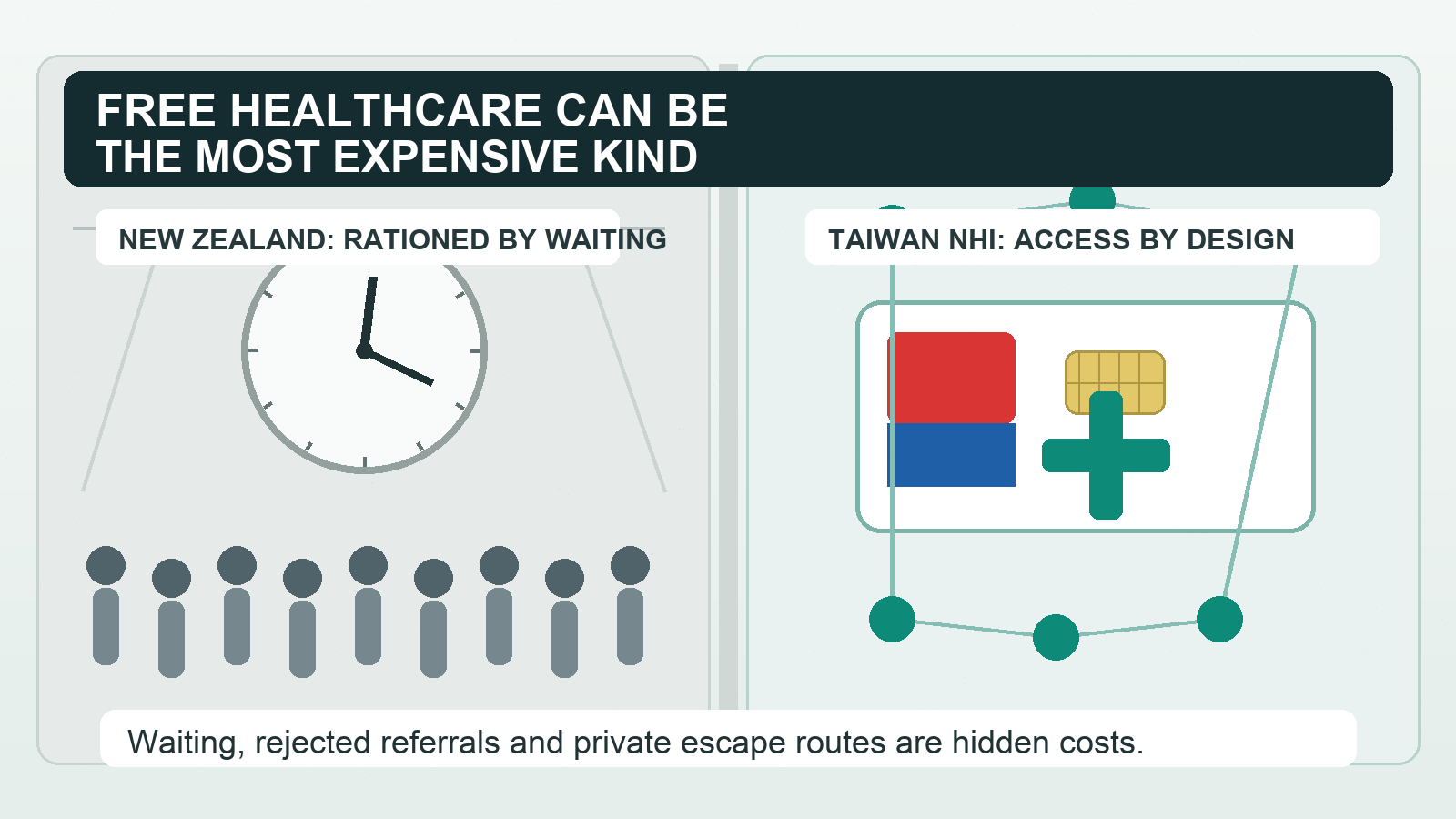
Free Healthcare Can Be the Most Expensive Kind: What New Zealand Should Learn from Taiwan
Opinion: The most comforting myth in New Zealand healthcare is also the most expensive one: because the public system is free at the point of care, we tell
-

Kia Reri te Marae: he mahere ohotata nā te whānau, mā te whānau
Ina pā mai te rū whenua, te waipuke, te āwhā rānei, ka noho te marae hei wāhi hui, hei wāhi haumaru, hei wāhi manaaki. Engari kāore taua kaha e puta noa ma
-

Podcast Pick: On Being shows that a good question can change the room
Many interviews are designed as extraction: obtain a revelation, a conflict or a sentence that can travel on social media. On Being, hosted by Krista Tippe
-
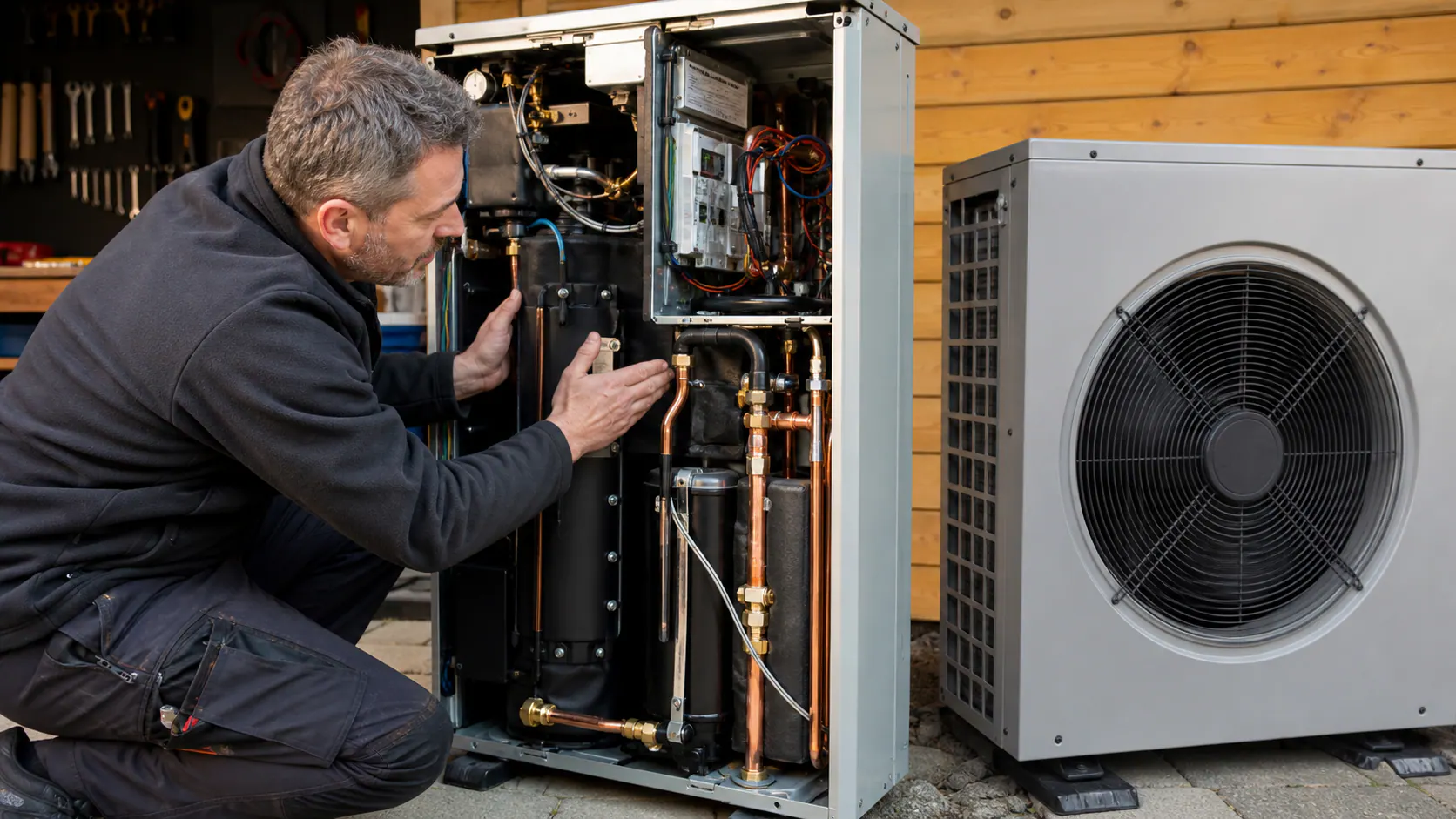
YouTube Pick: Technology Connections makes heat pumps much less mysterious
Heat pumps are common in New Zealand homes, yet many owners know them mainly through a remote control and an electricity bill. Technology Connections is un
-
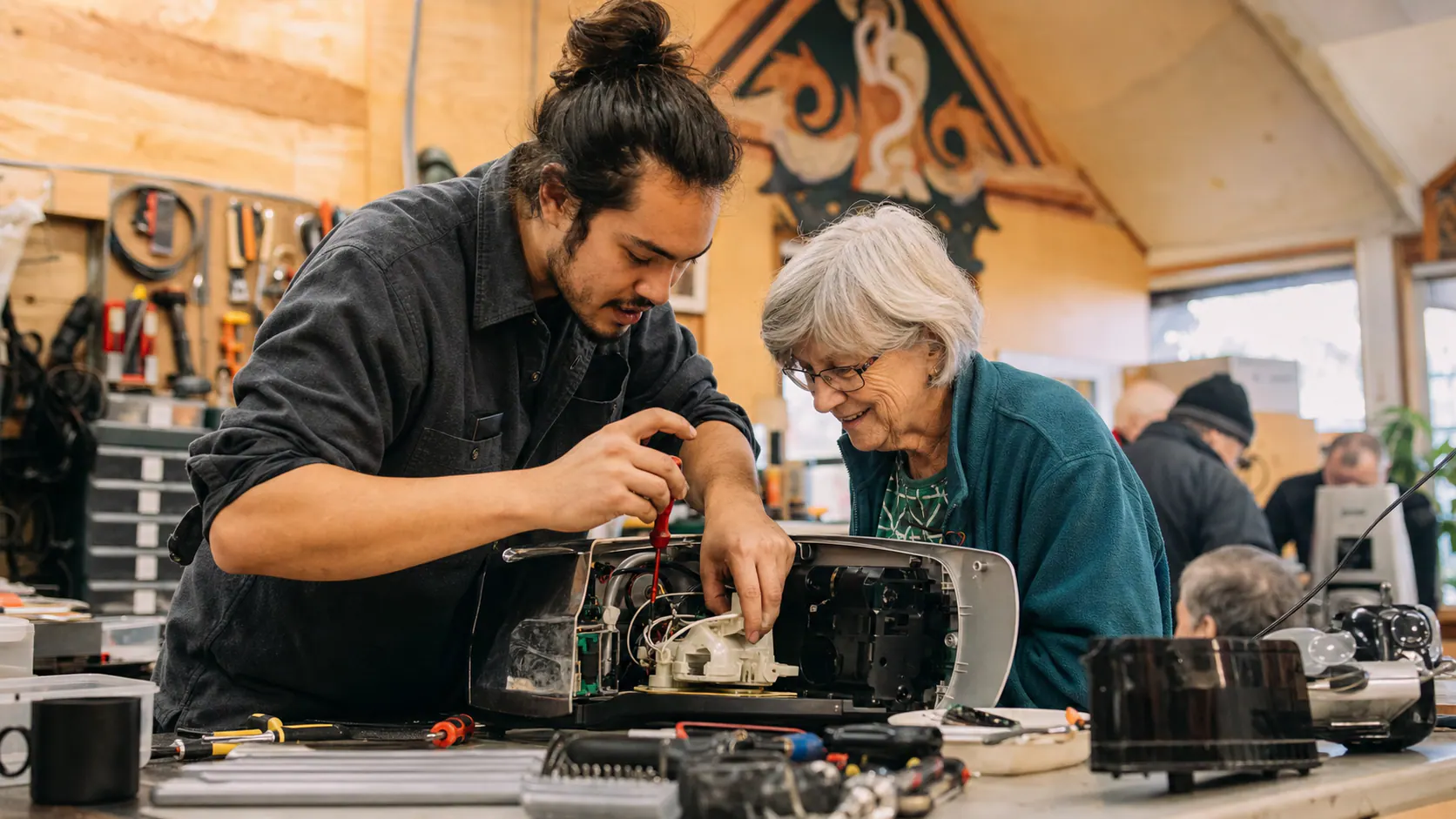
New Zealand needs a right to repair that works after the warranty ends
When a household appliance fails just outside warranty, the real choice is often not repair versus replacement. It is an expensive assessment with uncertai
-
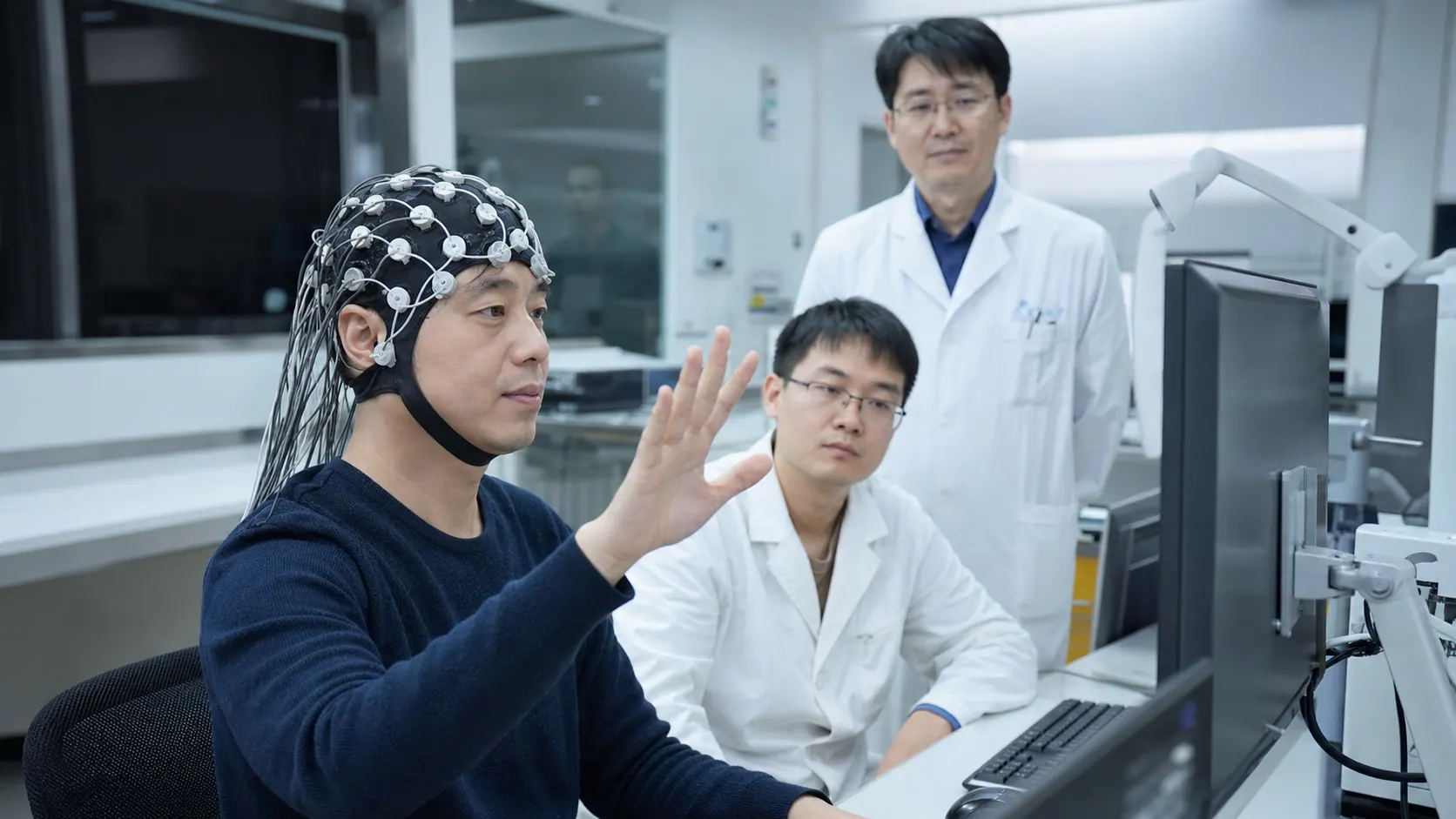
China brain-computer interfaces are moving from spectacle to rehabilitation
Brain-computer interfaces are often introduced through spectacular images: a cursor moves by thought, a robotic arm responds or a patient performs a motion
-
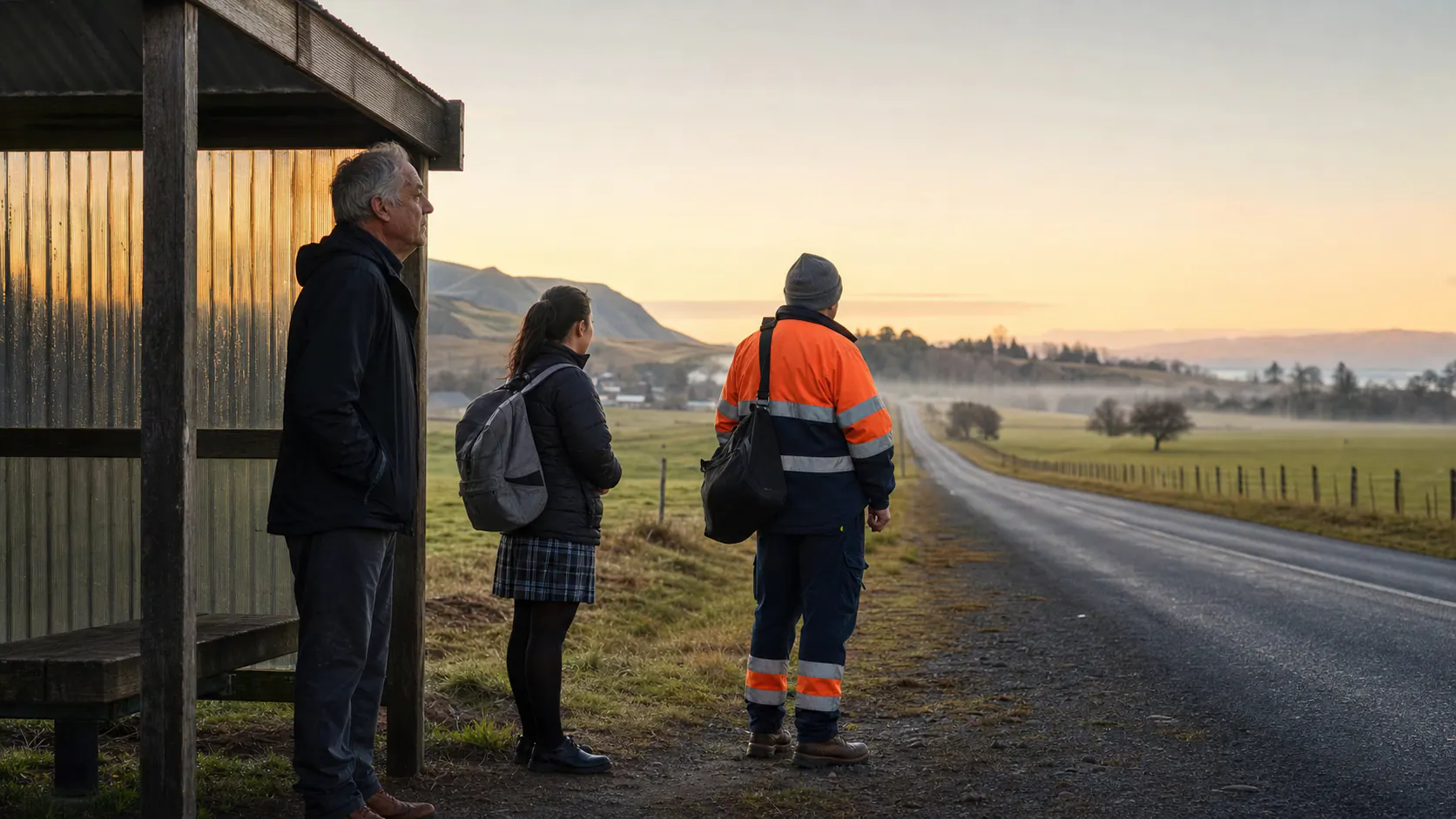
Regional buses are social infrastructure, not a leftover service
In a large city, missing one bus may mean waiting fifteen minutes. In a small New Zealand town, the next service may be tomorrow or next week. That differe
-
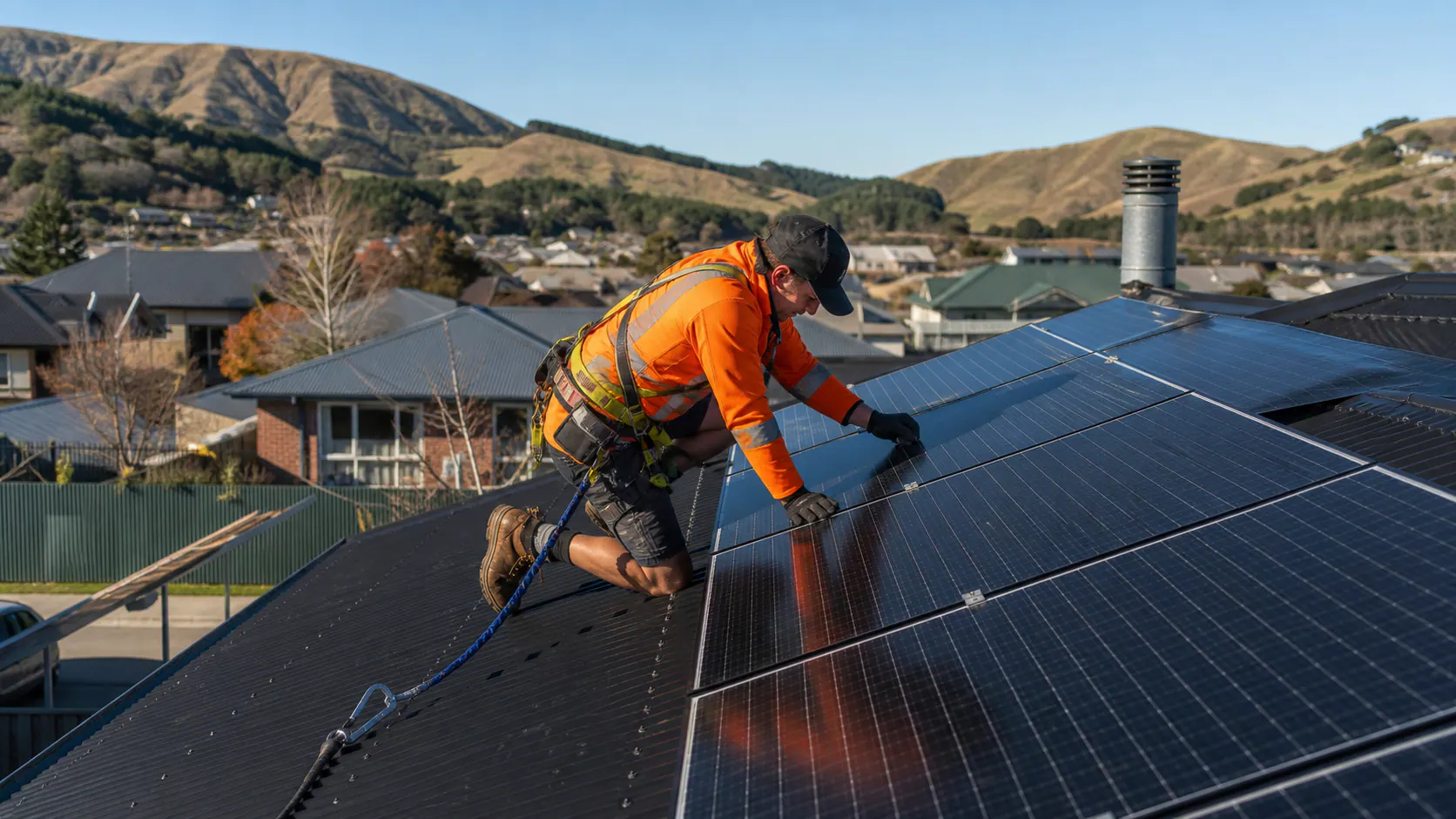
New Zealand rooftop solar needs a market households can understand
Rooftop solar seems simple: panels turn sunlight into electricity and a household buys less power. The financial reality is harder. Roof orientation, shadi
-

Te Māra Kai i te Hōtoke: whakatō hononga, kaua ko ngā huawhenua anake
Ka whakaaro ētahi tāngata me tatari kia tae mai te kōanga kātahi anō ka hoki ki te māra. Engari he wā mahi tonu te hōtoke. Ka taea te whāngai i te oneone,
-

Podcast Pick: Search Engine asks how we find music after algorithms
Finding music once meant radio schedules, record shops, borrowed discs, magazines and recommendations from a friend who had spent money on the wrong album
-

YouTube Pick: Practical Engineering shows why bridges are designed to move
A bridge looks permanent because its scale hides its motion. Steel expands in heat, concrete creeps and shrinks, traffic bends decks, wind pushes long span
-

New Zealand needs a public register of government algorithms
New Zealand’s Algorithm Charter recognises that automated systems can affect people’s lives and that agencies should explain their use. That principle is s
-
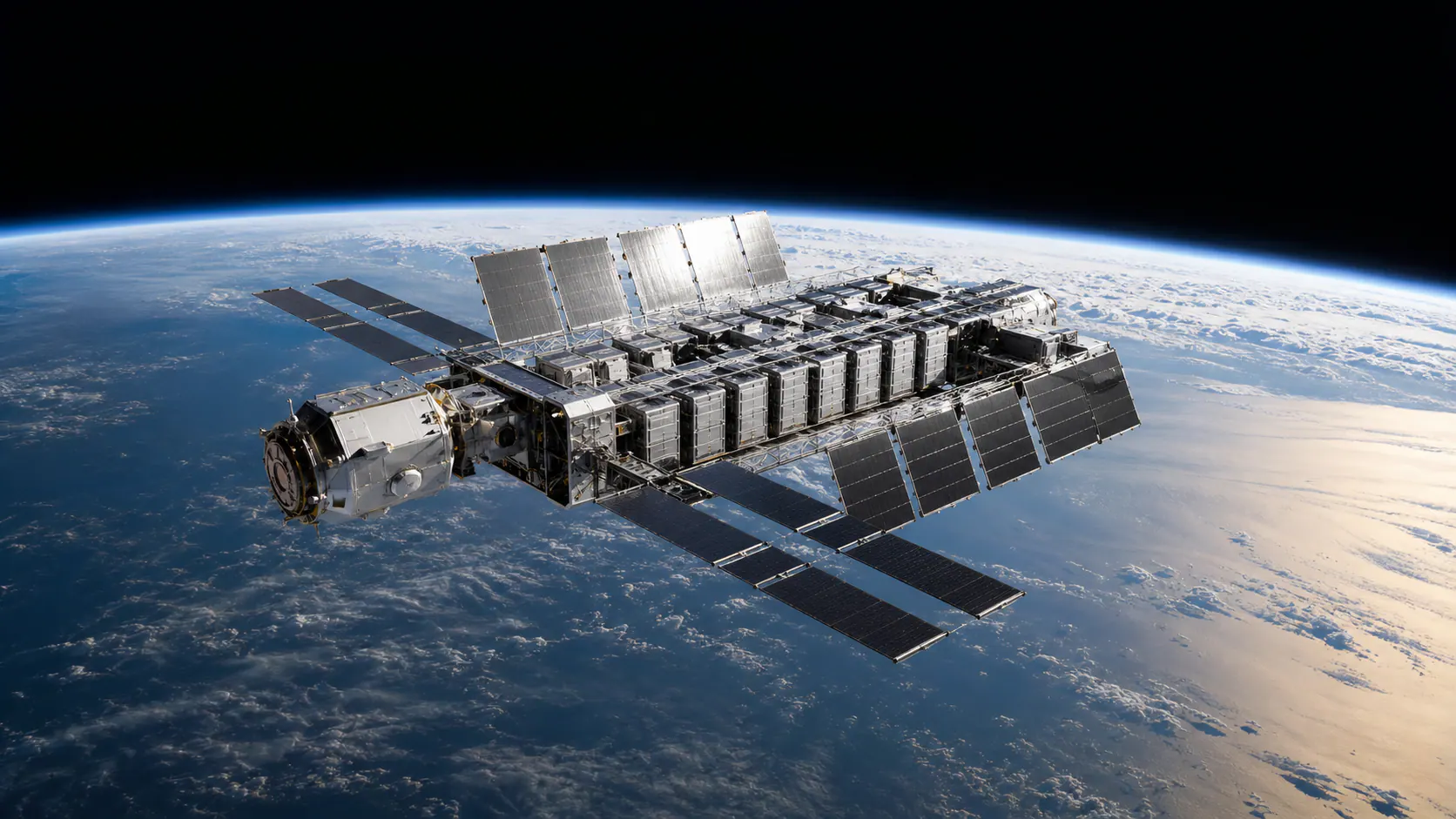
China’s space data-centre plan moves the AI energy debate into orbit
Artificial intelligence has turned data-centre electricity, land and water use into a strategic constraint. China’s reported plan to explore space-based da
-

New Zealand’s supermarket problem is about bargaining power, not only shelf prices
Every supermarket debate returns to the checkout total, and rightly so. Food is unavoidable, lower-income households spend a larger share of income on it,
-

New Zealand’s car-crushing law is a test of deterrence, evidence and restraint
Illegal street racing and intimidating vehicle gatherings impose real costs on communities. Residents lose sleep, roads become unsafe, businesses face disr
-

FOCUS视频解读:瘦瘦针停药复胖、副作用和诉讼,普通人该怎么看?
FOCUS全球新闻这支视频的标题很有冲击力:“减肥神药成恶梦!瘦瘦针停药速复胖,千人爆副作用怒提告。”它抓住了当下GLP-1减重药最容易被忽略的一面:这些药确实能帮助部分人减重,但它们不是一次性美容项目,更不是不用付出代价的捷径。 先弄清:瘦瘦针到底是什么 公众口中的“瘦瘦针”,通常指GLP-1受体激动剂或相
-

TVBS视频解读:中国潜射导弹落点南太,为什么美国和太平洋都警觉?
TVBS《文茜的世界周报》完整版上集把焦点放在中国潜射弹道导弹试射南太:为什么一次导弹测试会让美国、澳洲、新西兰、日本和太平洋岛国同时警觉? 这次测试为什么敏感 AP报道,中国在2026年7月进行一次从核潜艇发射的远程弹道导弹测试,导弹搭载模拟弹头,落入南太平洋相关海域。外界关注点不只是“导弹飞了多远”,而是
-

TVBS视频解读:佛里曼为什么把特朗普式政治称为危险信号?
TVBS《文茜的财经周报》这支短篇用很强的标题呈现佛里曼对特朗普的批评:华府施政无方,佛里曼激动评价特朗普像“疯癫国王”。这样的说法当然有戏剧性,但如果只停在骂人,就会错过真正值得讨论的问题:美国治理为什么让一些长期观察者感到失控? 这不是医学判断,而是政治隐喻 首先要说明,“疯癫国王”在这类评论里是政治隐喻
-

上海宁视频解读:6月新增新冠确诊7.9万例,我们该紧张吗?
上海宁在上海这支视频的标题很直接:新冠卷土重来,6月全国新增新冠病例7.9万例。对经历过疫情的人来说,这个数字很容易触发记忆和焦虑。但看这类健康视频,最重要的不是被标题吓到,而是回到官方数据和个人风险管理。 官方数据说了什么 中国疾控中心7月8日发布《全国新型冠状病毒感染疫情情况(2026年6月)》
-

TVBS视频解读:特朗普相关交易争议,为什么市场最怕“先知先觉”?
TVBS《文茜的财经周报》这支短篇把一个敏感问题放到台前:当总统的一句话、一次政策转向或一次外交决定都可能让市场瞬间波动,如果有人提前知道,会不会变成“只赚不赔”的生意? 重点不是先判罪,而是看制度风险 讨论这类议题要非常谨慎。市场上出现异常交易、媒体提出疑问、议员要求调查,并不等于已经证明某个人违法。真正需
-

TVBS视频解读:温哥华、旧金山为什么不再像记忆中那样?
TVBS《文茜的世界周报》这支短篇问了一个很有情绪的问题:温哥华、旧金山,还是我们记忆中的样子吗?这个问题之所以有力量,是因为很多华人对这两座城市都有一种旧印象:海湾、山景、多元文化、科技、咖啡、书店、大学和自由气质。但过去几年,另一种画面也反复出现:街头毒品、无家可归、商铺关闭、downtown 人流下降和
-

He Ara Haumaru ki te Kura: ko te oranga o ngā tamariki te mea matua
Ia ata, ia ahiahi hoki, ka whakawhiti ngā tamariki me ō rātou whānau i ngā rori e karapoti ana i te kura. Mēnā he tere rawa ngā waka, kāore he whitinga pai
-

Podcast Pick: Hidden Brain explains why doubt can improve decisions
Doubt has a branding problem. In work and public life, confidence is often treated as evidence of competence, while hesitation is read as weakness. Hidden
-

YouTube Pick: Baumgartner Restoration makes patience visible
Many YouTube videos promise transformation in minutes. Baumgartner Restoration offers something rarer: the experience of watching skilled work refuse to hu
-
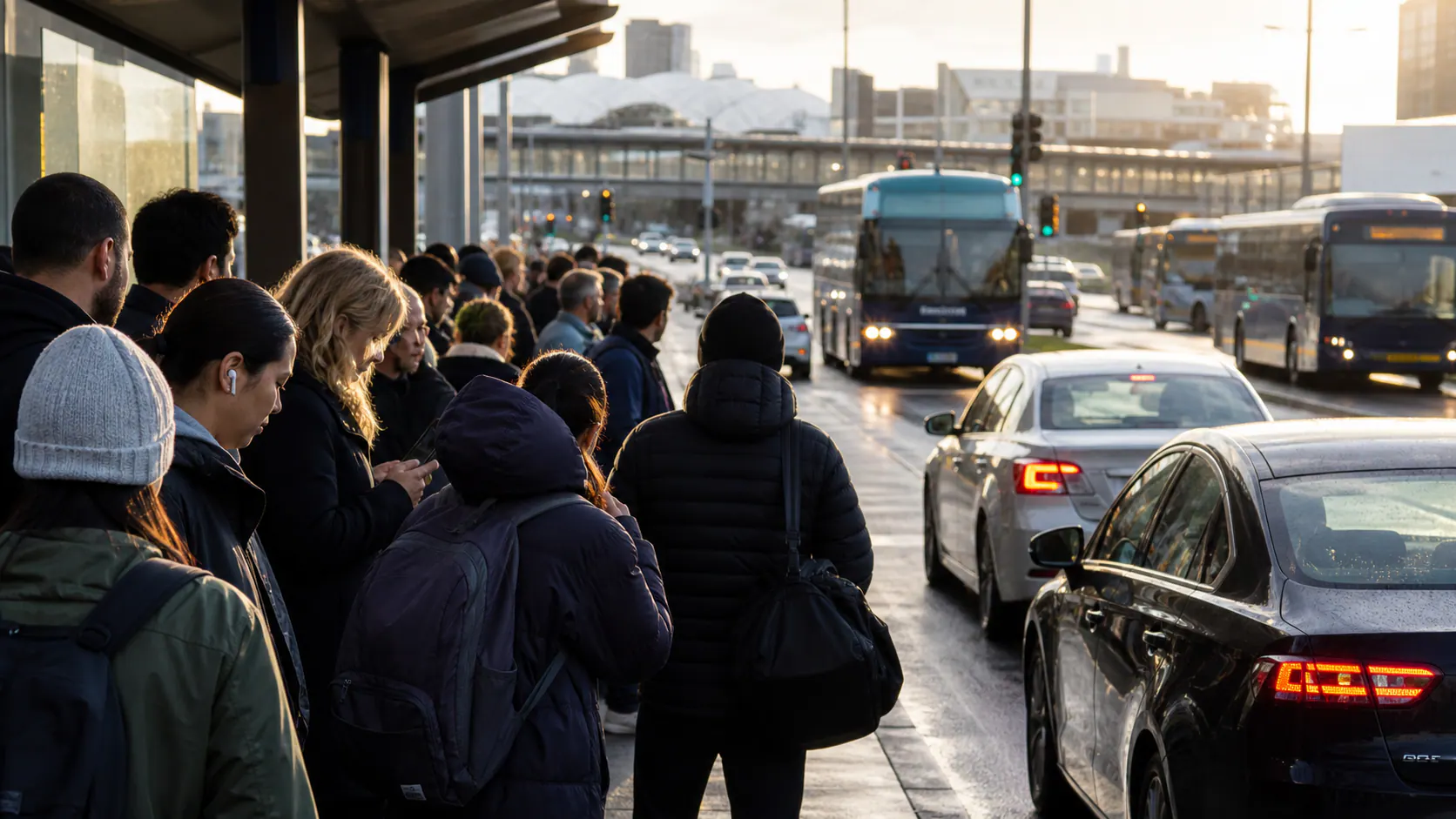
Auckland should not price peak travel until it can explain the bargain
My objection to Auckland time-of-use charging is not that roads must always be free at the busiest hour. Scarce road space is already rationed; we currentl
-
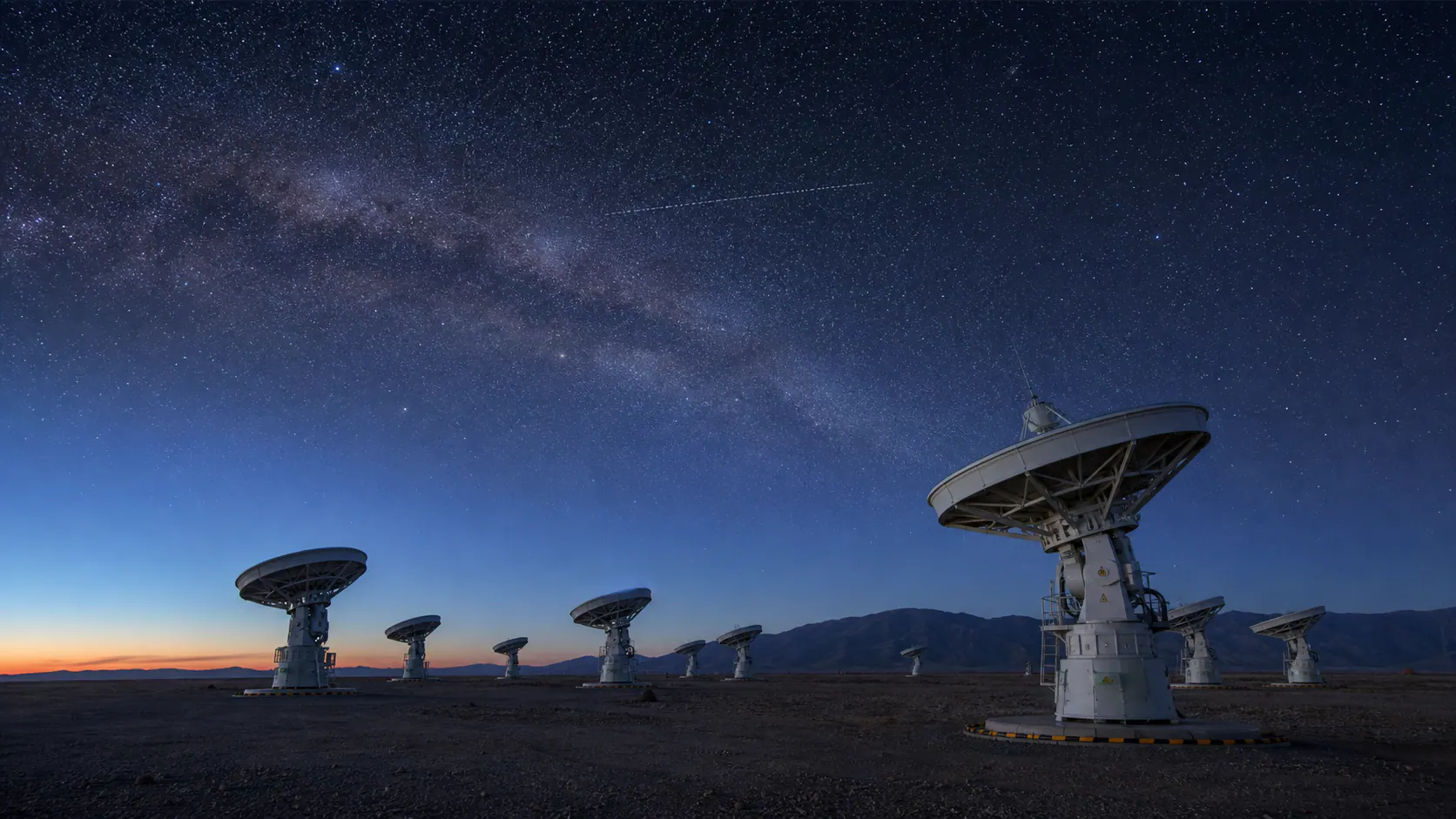
China’s asteroid warning network will be judged by the data it shares
China’s plan for a space-ground asteroid early-warning network is easy to frame as another chapter in the space race. That frame is incomplete. Near-Earth
-
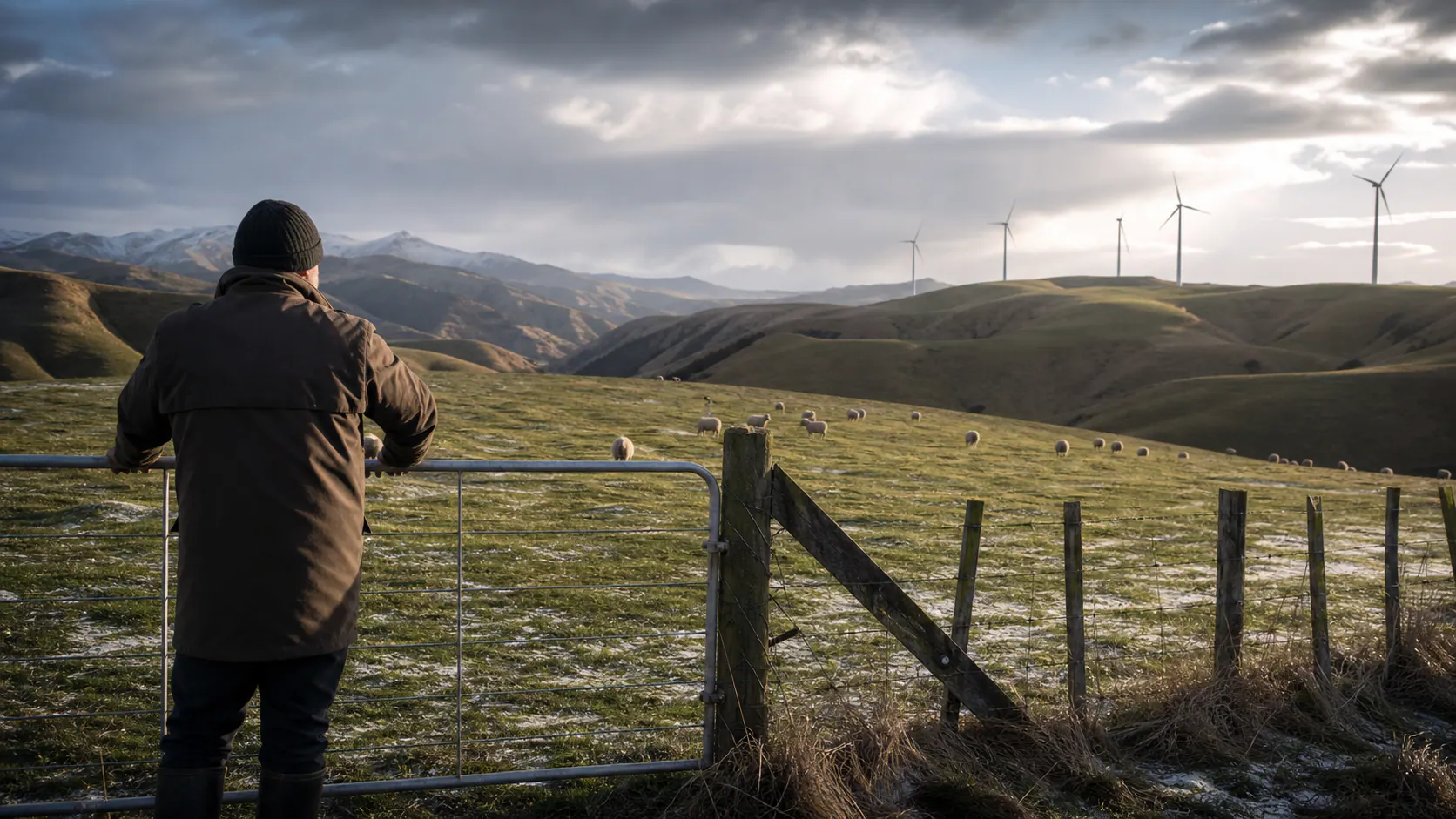
New Zealand’s farm transition needs to value skills, not only count emissions
New Zealand’s agricultural climate debate is often compressed into a target and a date. Targets matter, but farms do not transition on spreadsheets. They t
-
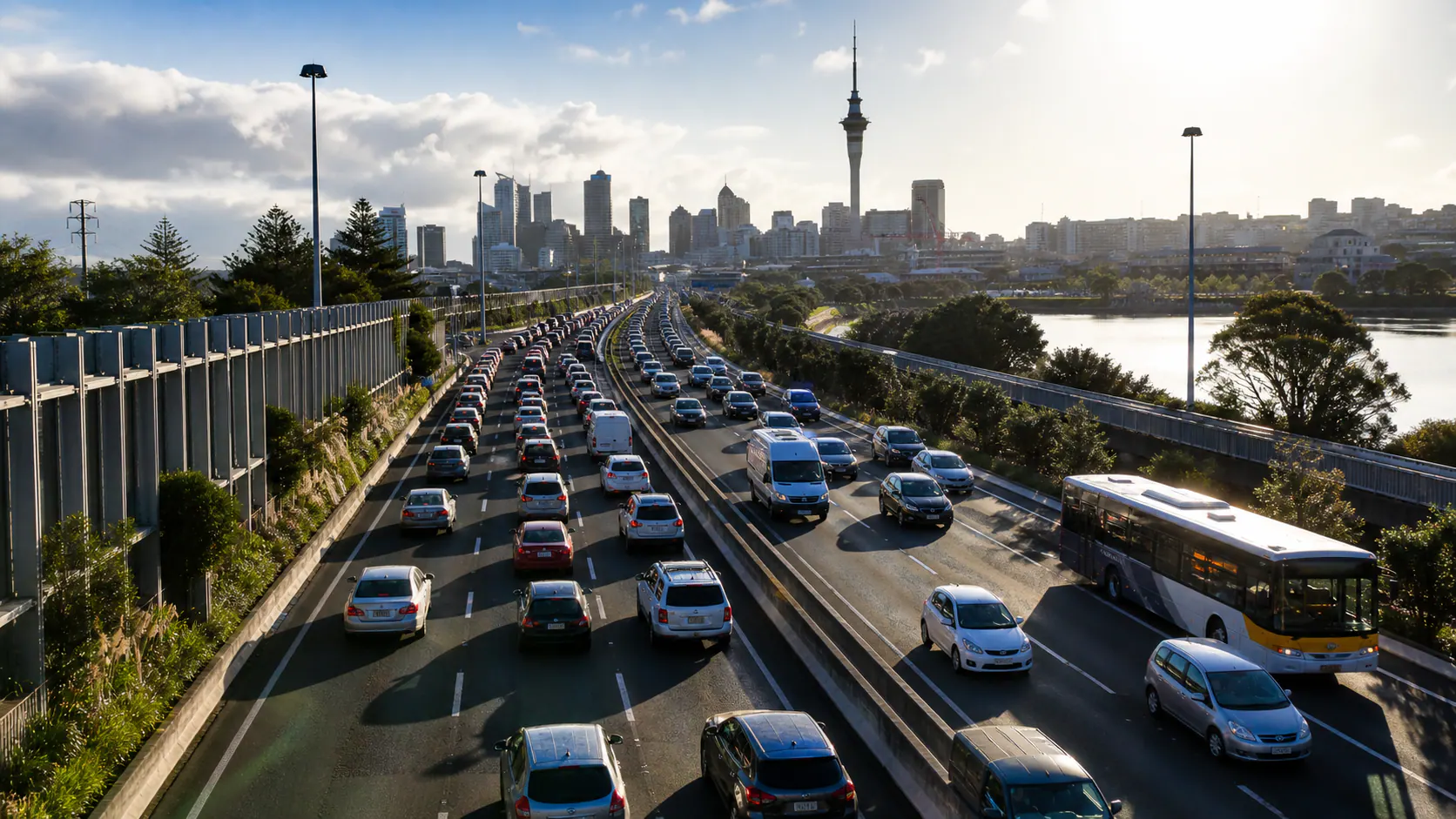
Auckland time-of-use charging will only be fair if people have real choices
Auckland’s traffic problem is visible every weekday, but visibility does not make the solution simple. Time-of-use charging can reduce peak demand by askin
-

He Hinu, He Manaaki Moana: te kaha o ngā kaitūao
I te ata hāpara, ka whakatūwhera tētahi kaitūao i te whare iti kei te taha moana. Ka tirohia te waka, ngā taura, ngā kākahu haumaru, ngā rama, ngā ipu hinu
-

Podcast Pick: 10% Happier is useful when work follows you home
One of the most exhausting forms of work stress happens after work is technically over. The laptop is closed, the meeting has ended, the commute is finishe
-

YouTube Pick: Dover Kohl makes street design feel like civic literacy
Some urban-design videos make cities feel like a collection of opinions: bike lanes good, cars bad, density good, sprawl bad. Dover Kohl’s The Design of Ci
-

New Zealand’s wage problem will not be fixed by productivity slogans
When wage growth is weak, households do not experience it as a macroeconomic trend. They experience it at the supermarket, the rent payment, the insurance
-

Amap’s overseas ride-hailing push shows Chinese platforms are following travellers abroad
The most stressful moment of an international trip is often not the flight. It is the first ten minutes after arrival: unfamiliar pickup lanes, a language
-

Taranaki’s oil and gas question is really about transition credibility
Energy policy becomes most honest when the easy slogans run out. New Zealand wants lower emissions, reliable electricity, affordable industrial energy, reg
New Zealand Review

