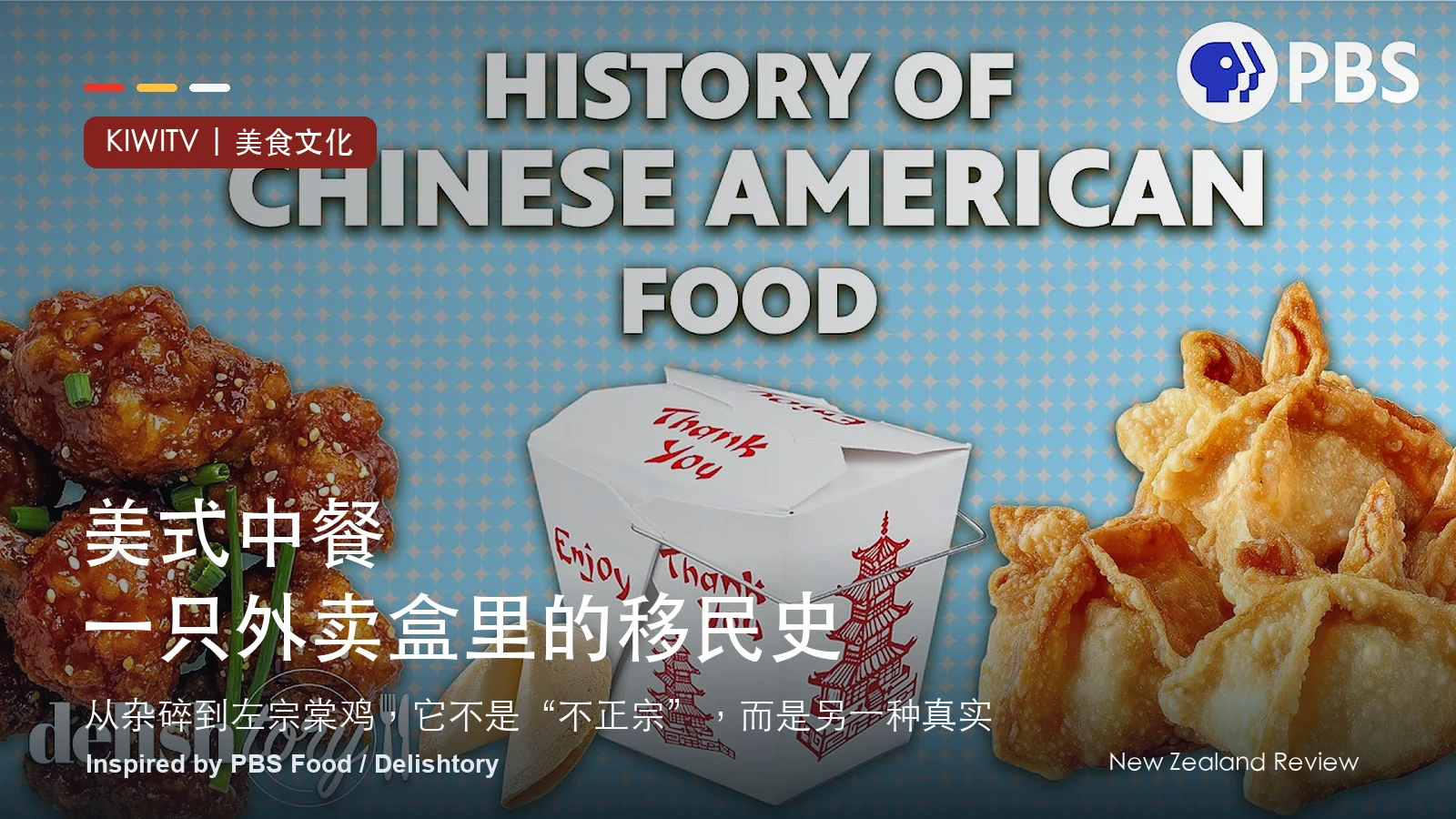
PBS Food 的视频从杂碎、左宗棠鸡、幸运饼和外卖盒讲起,带出美式中餐背后的移民历史、排斥与适应。它不是“假中餐”,而是一种在美国土地上长出来的真实移民食物。
Category: 新闻速递
新西兰新闻速递频道,持续报道本地政策、社会、民生、社区与突发事件,帮助华语读者及时了解新西兰正在发生的重要变化。
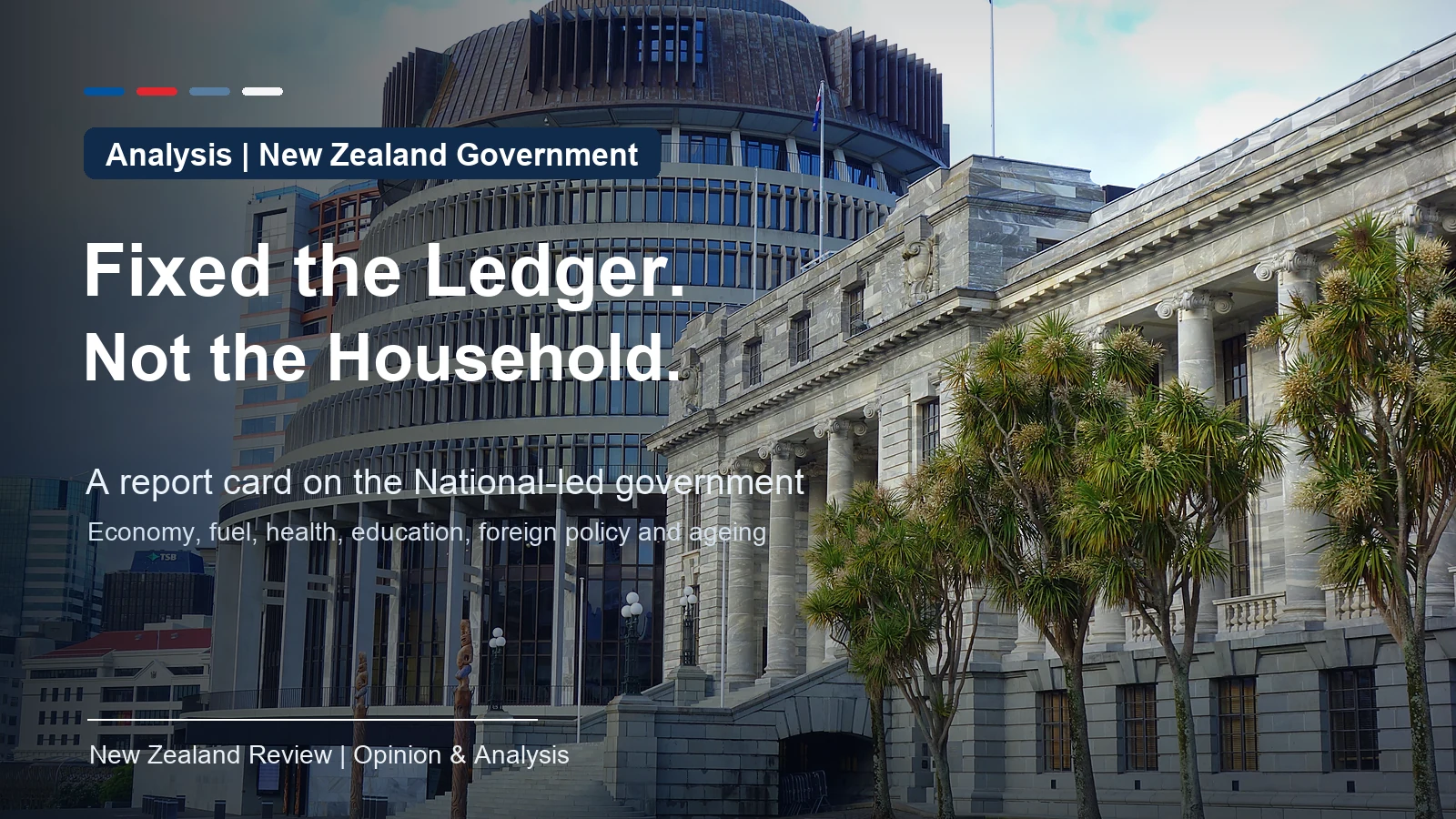
Grade C-minus: New Zealand’s National-Led Government Has Fixed the Ledger. It Hasn’t Fixed the Household.
Nearly three years into office, New Zealand’s National-led coalition can claim progress on fiscal discipline, emergency housing, school attendance and parts of health delivery. But weak growth, rising unemployment, fuel-driven inflation…
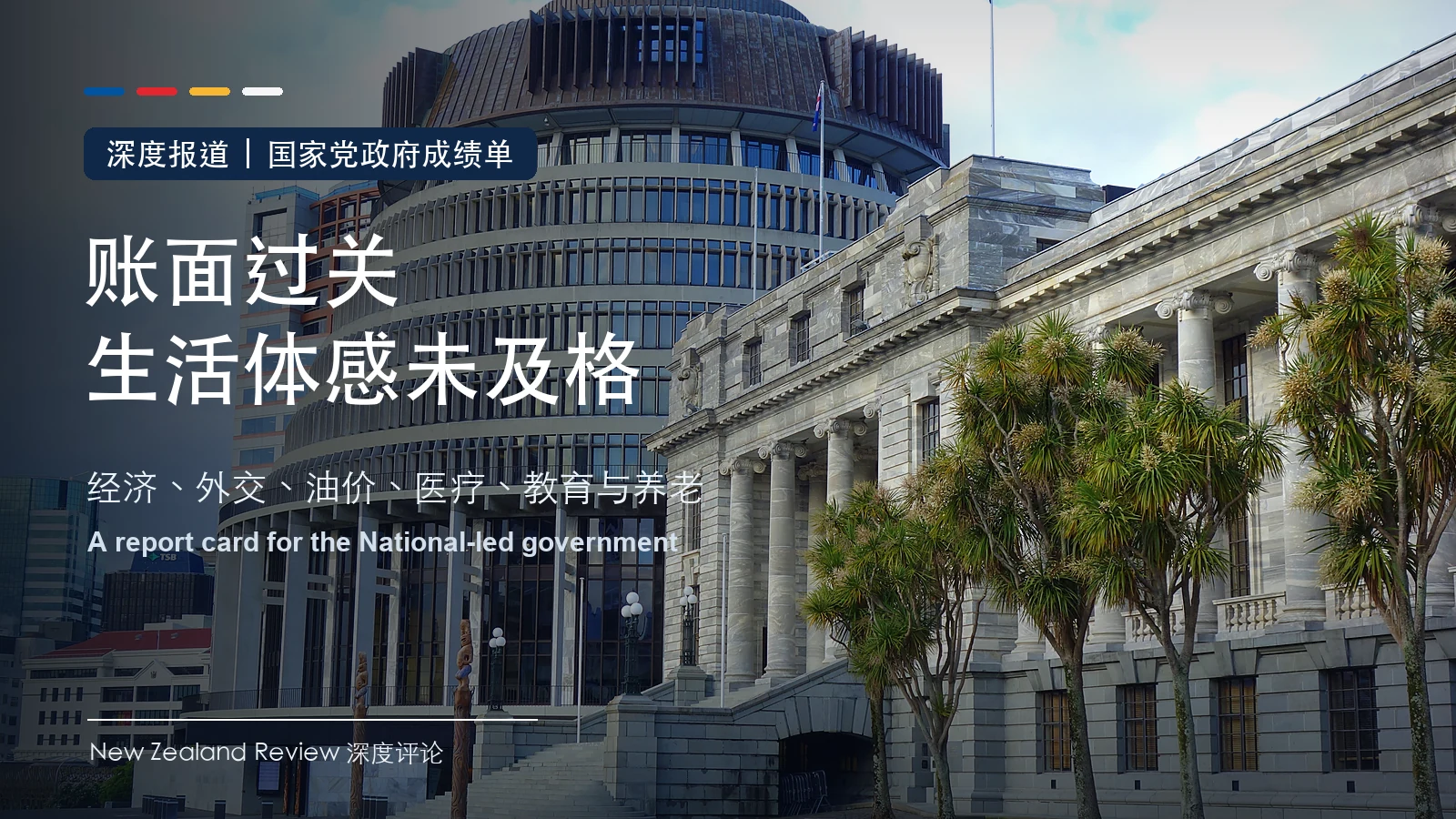
60分:这一届国家党政府,到底合格吗?经济账面过关,生活体感仍不及格
执政近三年后,国家党领导的联合政府交出了一份复杂成绩单:财政纪律有所恢复,外交更主动,部分公共服务指标改善;但通胀反复、失业上升、油价冲击、医疗与教育积弊、养老压力和普通家庭生活体感,仍让“把新西兰带回正轨”的承诺显得不够完整。

新西兰新闻热搜榜TOP15|2026年10月11日|青年失业率升至危机水平、十一年级拟改为必须完成、北岸医院拥挤引发照护投诉
新西兰新闻TOP15:青年失业率升至危机水平、十一年级拟改为必须完成、北岸医院拥挤引发照护投诉。精选15条当天重要新闻,每条提供三句具体事实及原始来源。
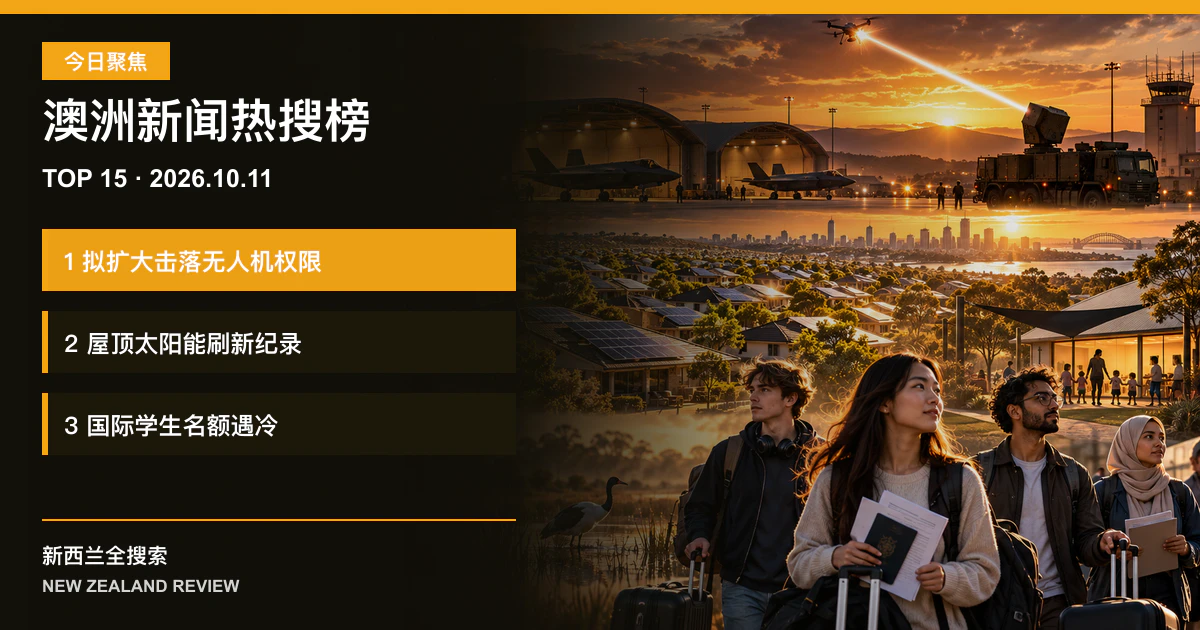
澳洲新闻热搜榜TOP15|2026年10月11日|拟扩大击落闯入无人机权限、屋顶太阳能安装刷新纪录、国际学生名额平均仅填满三分之二
澳洲新闻TOP15:拟扩大击落闯入无人机权限、屋顶太阳能安装刷新纪录、国际学生名额平均仅填满三分之二。精选15条当天重要新闻,每条提供三句具体事实及原始来源。
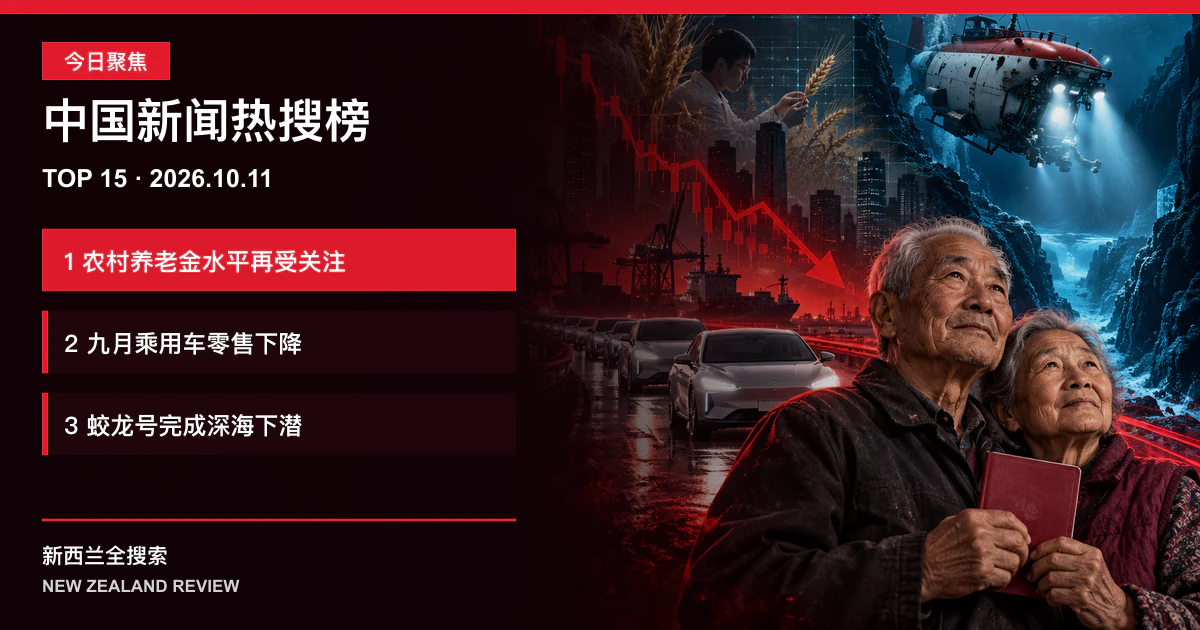
中国新闻热搜榜TOP15|2026年10月11日|农村养老金水平再受关注、九月乘用车零售下降、蛟龙号完成第四百六十六次下潜
中国新闻TOP15:农村养老金水平再受关注、九月乘用车零售下降、蛟龙号完成第四百六十六次下潜。精选15条当天重要新闻,每条提供三句具体事实及原始来源。
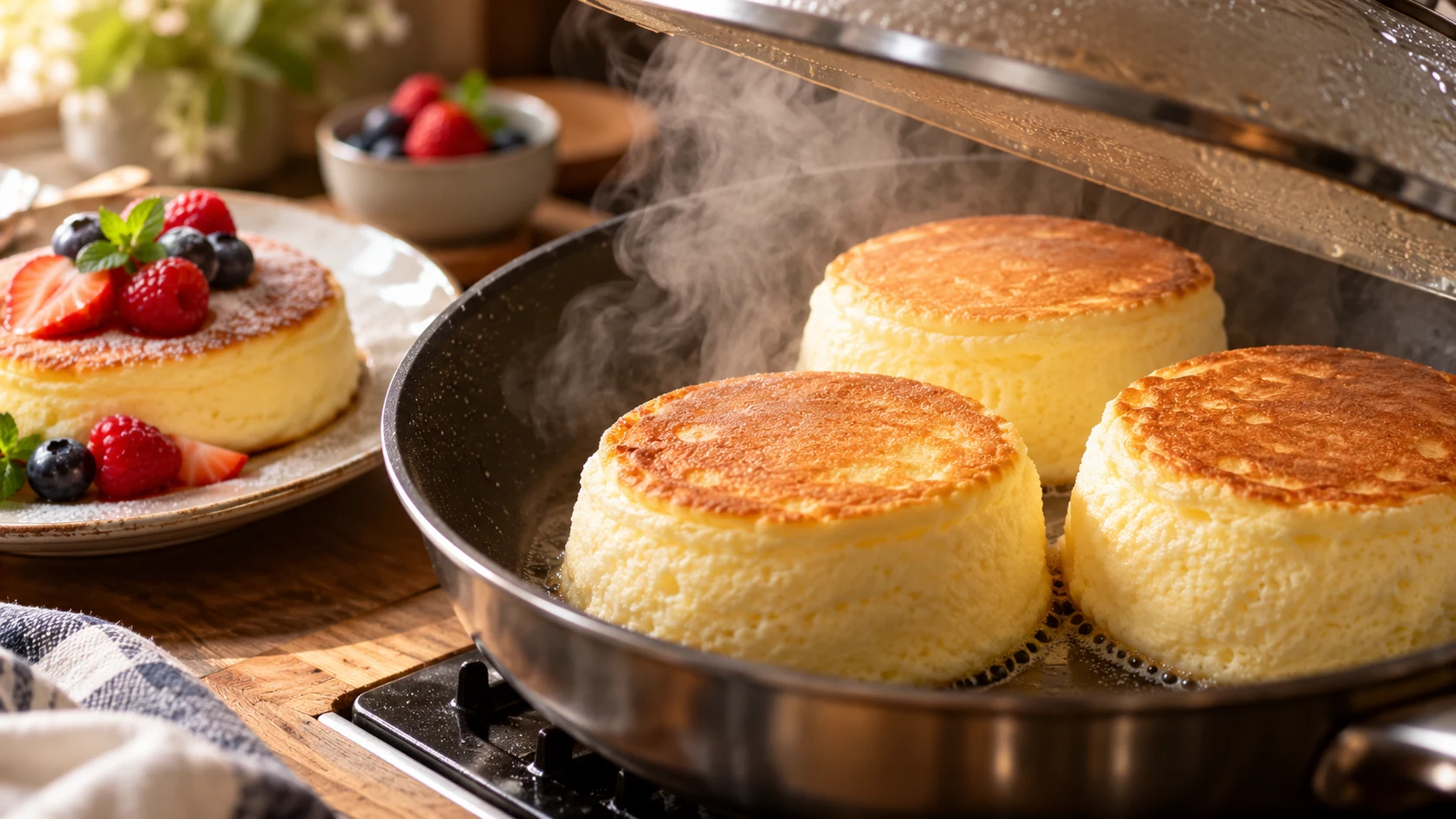
日式舒芙蕾松饼离开锅就塌:高度不是靠多放泡打粉,而是让蛋白泡沫慢慢熟透
日式舒芙蕾松饼依靠稳定蛋白霜、轻柔翻拌和加盖小火蒸煎获得高度。蛋白过软或过硬、锅温太高、中心未熟及面糊久放都会导致塌陷。
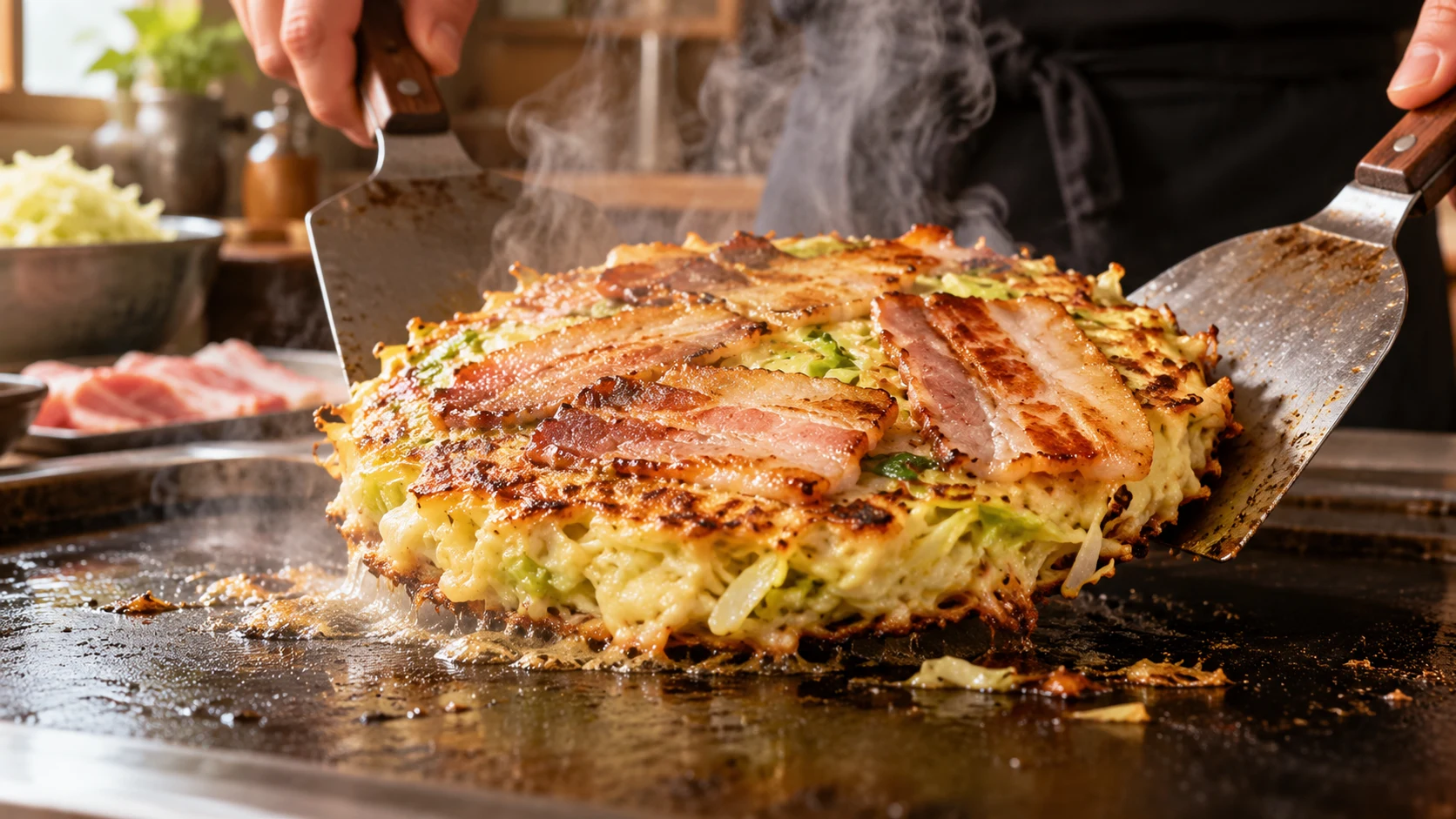
大阪烧翻面以后外焦里生:卷心菜不是配料,它才是这张饼真正的主体
大阪烧以大量切细并沥干的卷心菜、少量面糊和鸡蛋形成结构。饼做得过大、蔬菜出水、火力过高或反复按压,都会造成外焦内生和厚重口感。

春天沿卡特林斯住三晚:灯塔、雨林和海湾之间,最难安排的是一条没有捷径的路
卡特林斯春季三晚可从卡卡角、奥瓦卡到库里欧湾分段住宿。道路曲折、手机信号和补给有限,野生动物、潮汐及强风会改变计划,行程应保留余地。

朋友陪你把同一件委屈说到深夜,为什么反而更难受:倾诉也可能变成共同反刍
共同反刍是两个人反复讨论问题、负面细节和后果,却很少转向行动或恢复。它可增强亲密感,也与焦虑和抑郁症状相关;关键是让倾听有目标和结束点。