
New Zealand’s 2026 credit reforms seek a more proportionate regime. Simplification is defensible only if lenders still test suitability, disclose clearly and detect harm before arrears become a crisis.
Category: English
New Zealand Review’s English channel publishes reporting, explainers, reviews and practical guides about New Zealand society, culture, health and everyday life.

Soil health needs a decade, but farmers need useful measures now
FAO discussions include a proposed UN Decade on Soil Health for 2031–40. Durable progress requires locally meaningful indicators, long-term finance and policies that make stewardship economically possible.

Antibiotic resistance is also a diagnostic access crisis
WHO’s antimicrobial-resistance priorities link prevention, diagnosis, treatment, data and financing. Stewardship cannot succeed when clinicians and patients must make high-stakes decisions without timely tests.
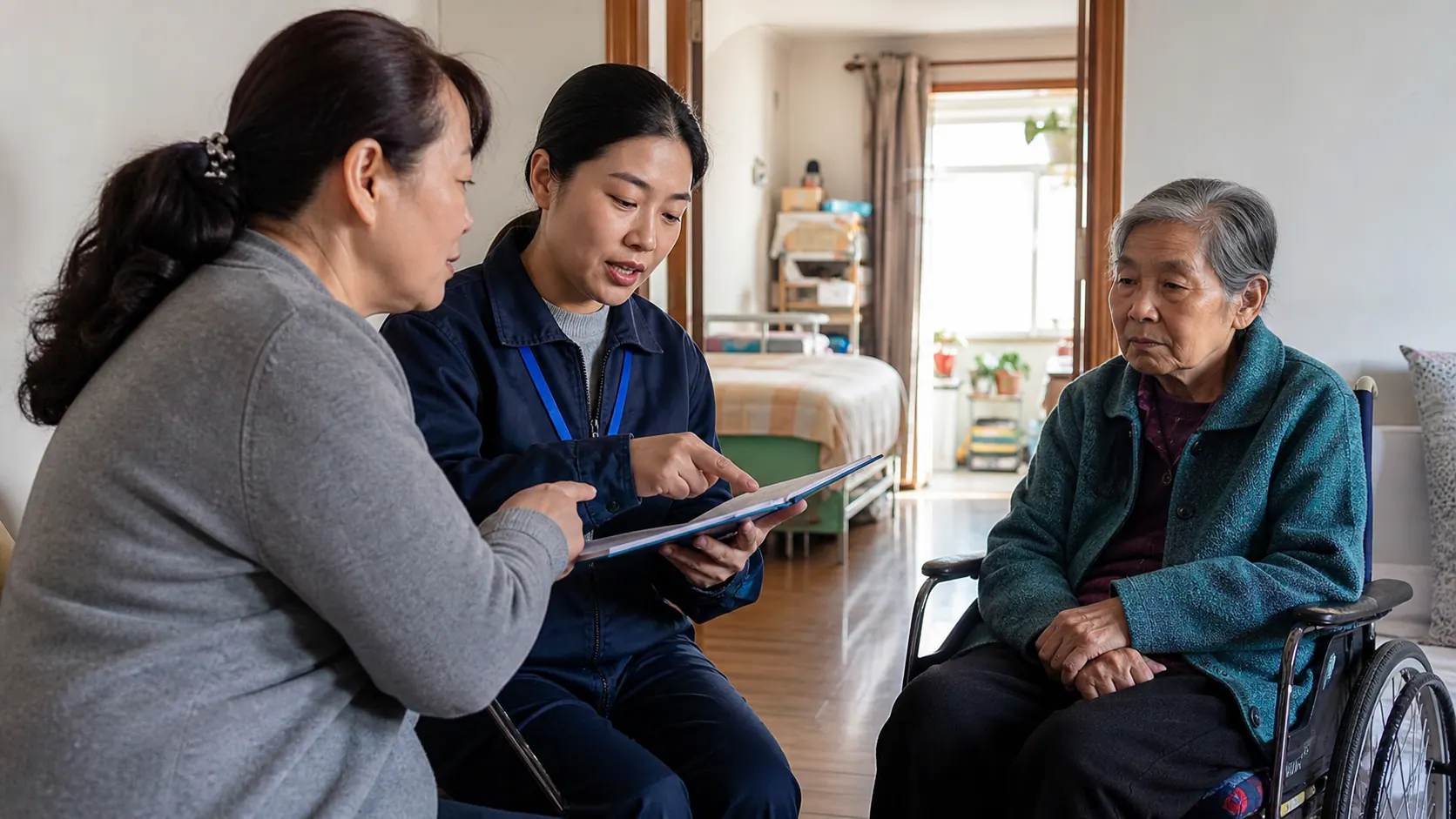
China’s elder-care subsidy will be tested at the front door
China is extending care-consumption subsidies for moderately and severely disabled older people. Access depends on fair assessment, qualified home care, transparent pricing and support for families navigating the system.
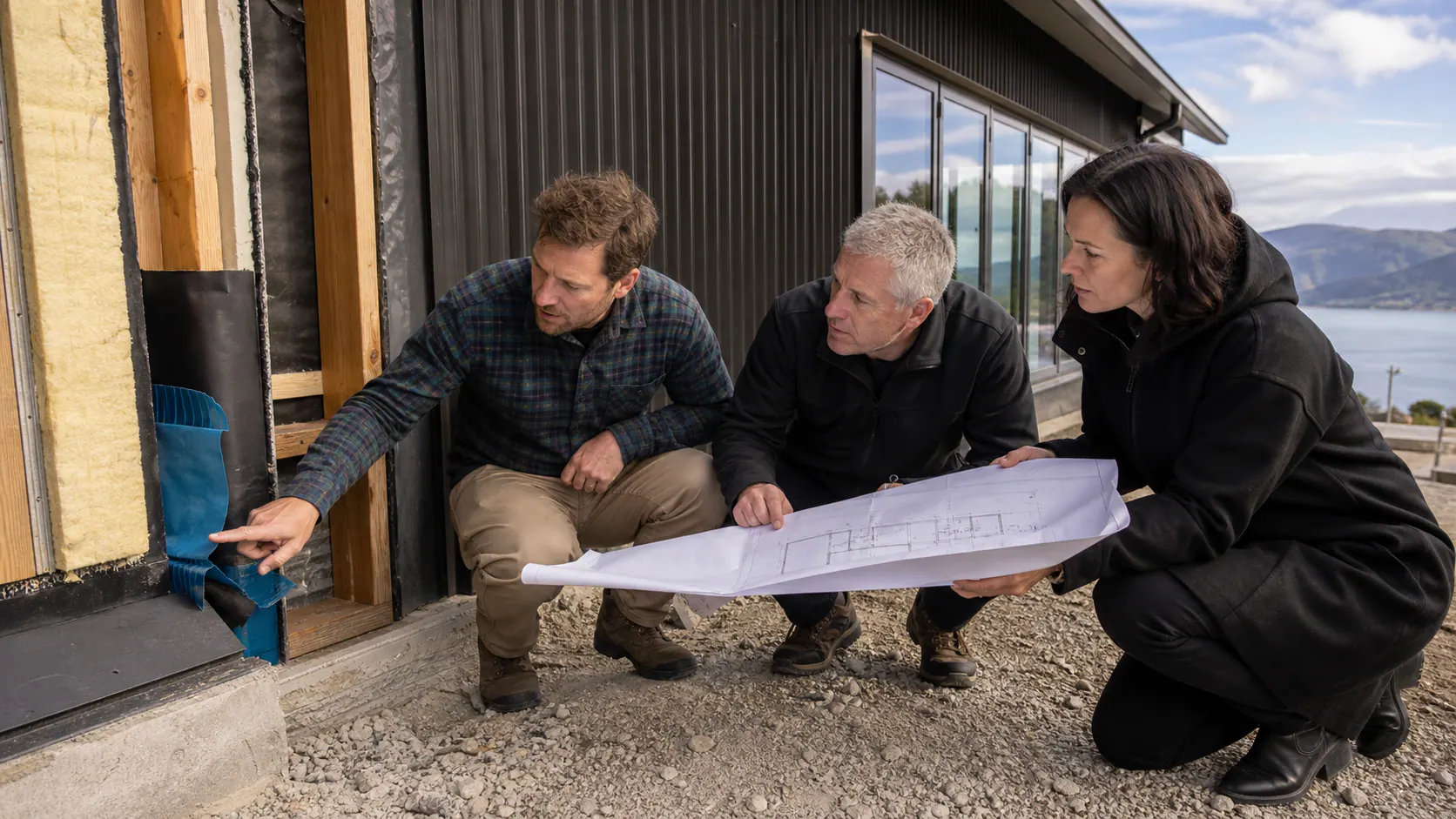
Proportionate liability changes who is left carrying a building failure
New Zealand’s Building Amendment Bill proposes proportionate liability, mandatory warranties and professional insurance. Faster building matters, but reform must answer what happens when a responsible party disappears.
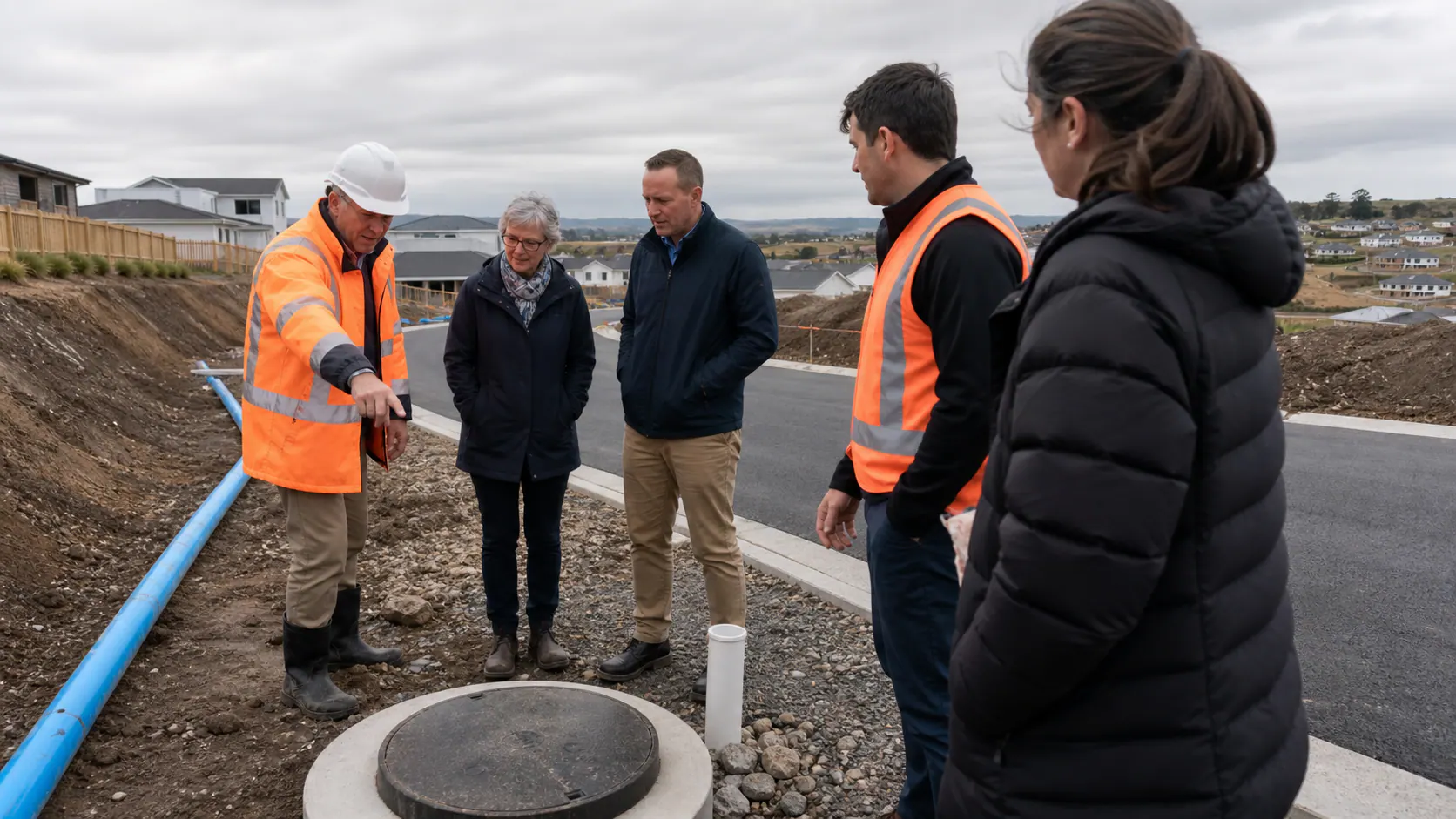
New infrastructure levies move debt off council books, not out of household budgets
New Zealand is expanding tools that finance growth infrastructure through special vehicles and property levies. The model can unlock housing, but disclosure, affordability and long-term accountability must follow the charge.

Health targets should be dashboards, not destinations
New Zealand’s amended health law requires six targets in the Government Policy Statement. Targets can focus effort, but narrow numbers must not displace quality, equity and the patients who are hardest to count.
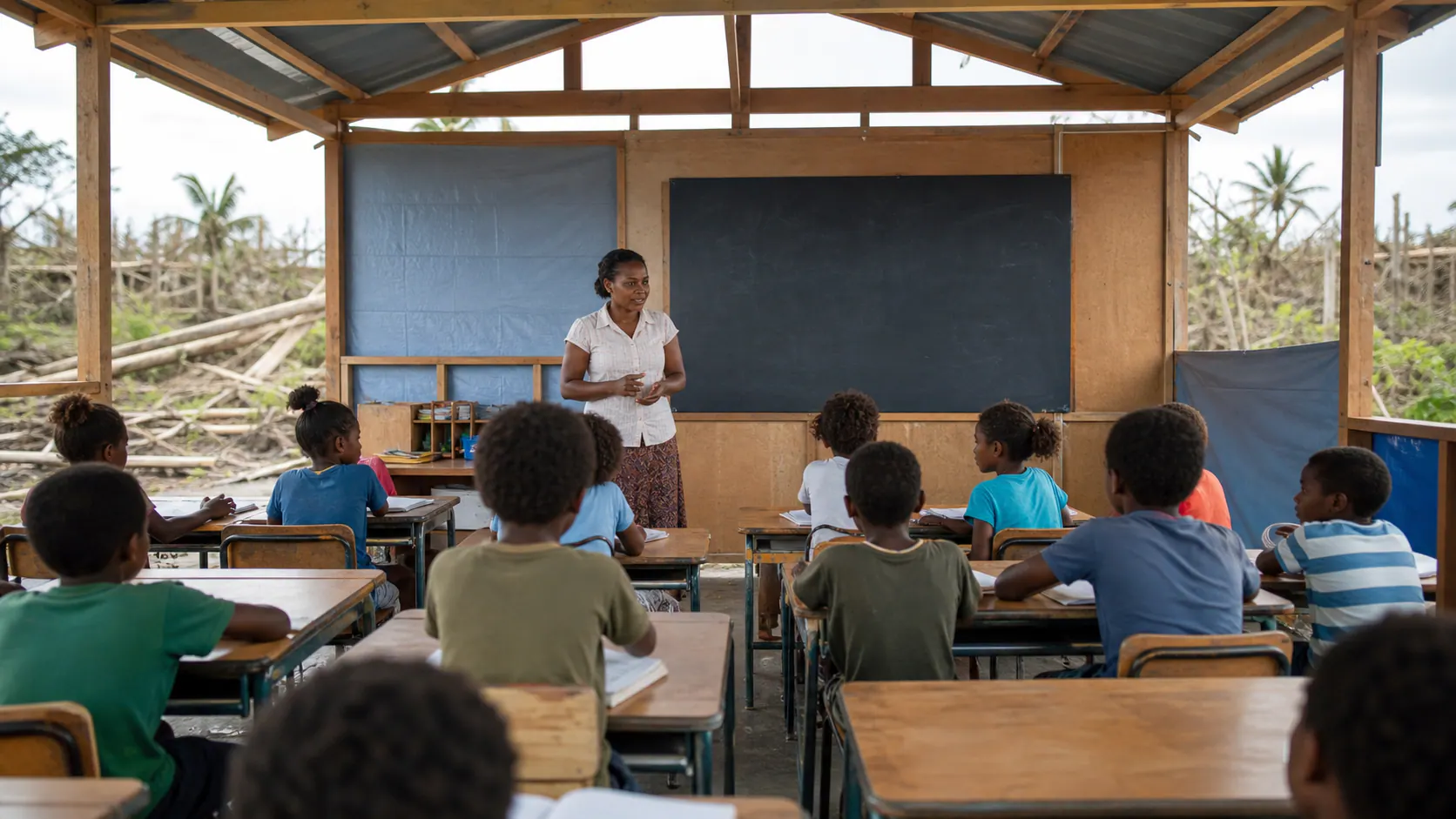
A temporary classroom is not a temporary right
UNESCO says 258 million school-age children face crisis-related education disruption. Continuity requires safe spaces, teachers, records, language support and a funded bridge from emergency lessons to recovery.
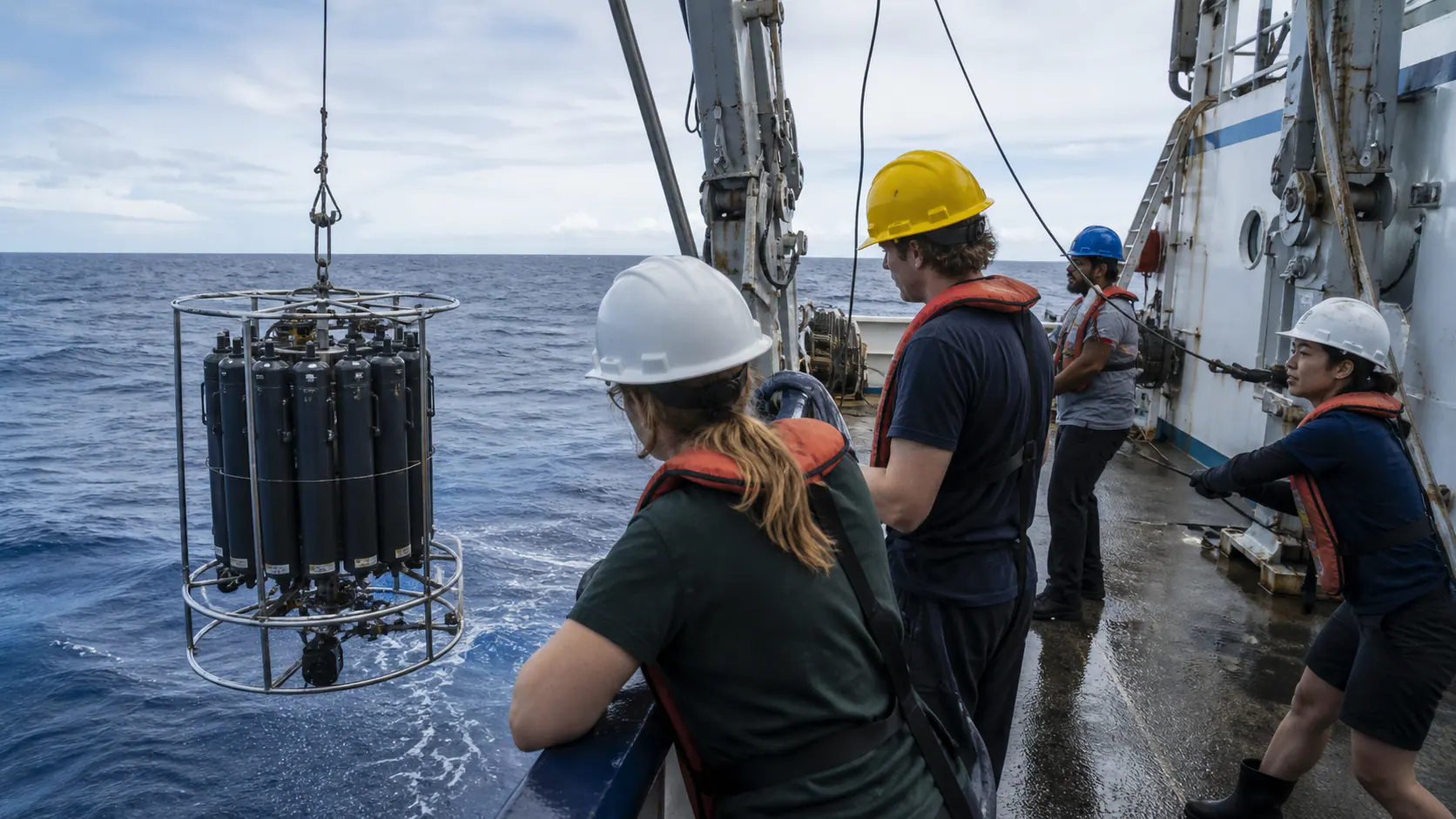
The world cannot govern the ocean with missing observations
UNESCO’s 2026 Global Ocean Science Report maps scientific capacity and investment. Better policy requires sustained observations, shared infrastructure and authority for coastal communities, not occasional expeditions.

China’s digital services are getting an age-friendly test
China’s 2026 Digital Age-Friendly China campaign promotes accessible products and guidance. Real inclusion depends on task completion, offline alternatives, fraud protection and design with older users.