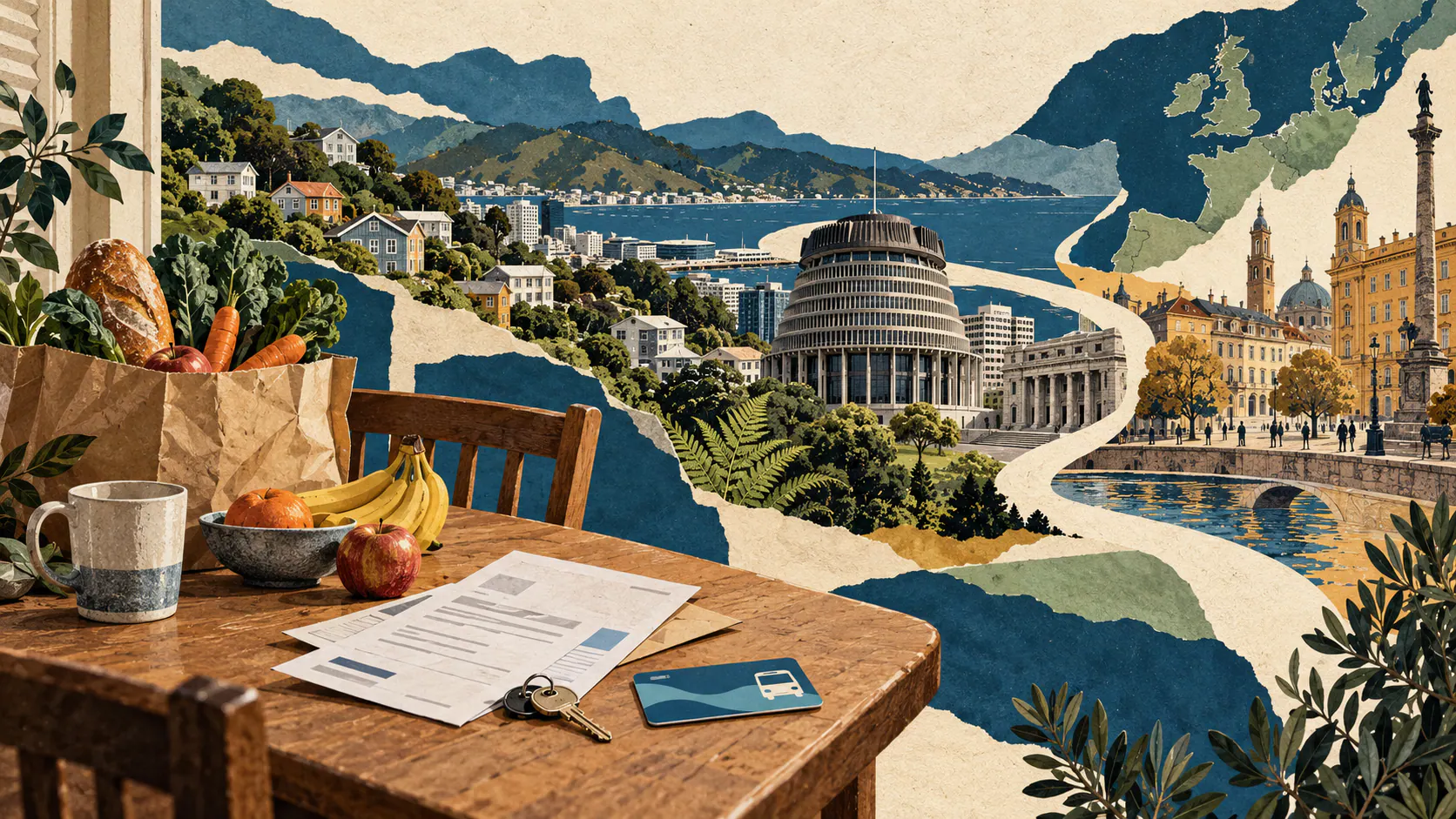
France’s unrest exposes the gap between national economic promises and household security. For New Zealand, the practical lessons concern housing, essential costs, reliable services and a fiscal strategy whose consequences people can see.
Category: NZ Voices
This is the NZ Voices Channel, we bring in the voices from New Zealand. To hear from NZ, please follow this channel。

New Zealand should celebrate maintenance before the bridge closes
Maintenance lacks ribbon-cuttings, but deferral converts predictable work into disruption, emergency procurement and larger bills.
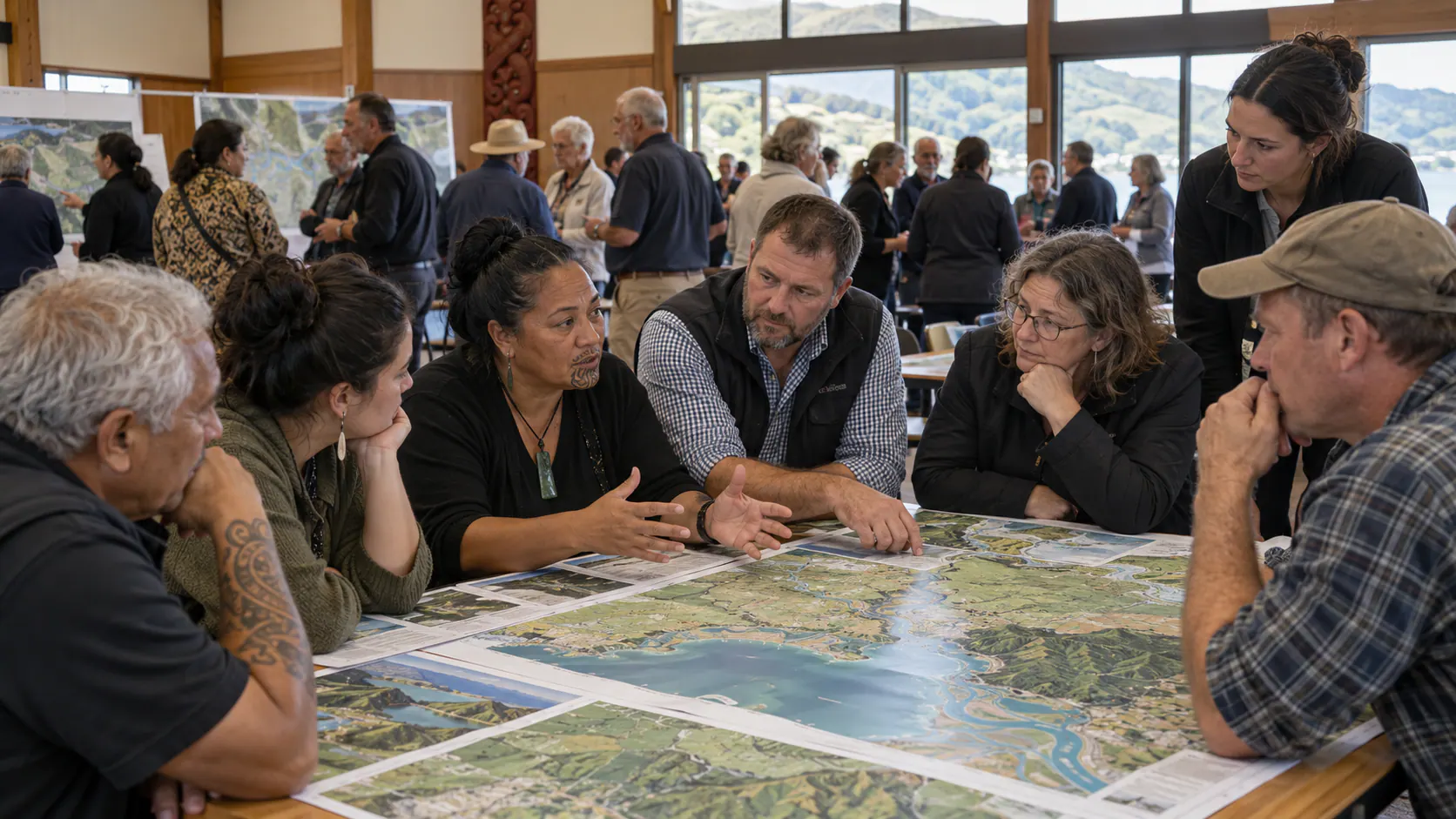
New Zealand’s new planning direction should expose trade-offs, not hide them
A national planning system can improve consistency, but it should make conflicts between growth, hazards, nature and infrastructure visible and contestable.
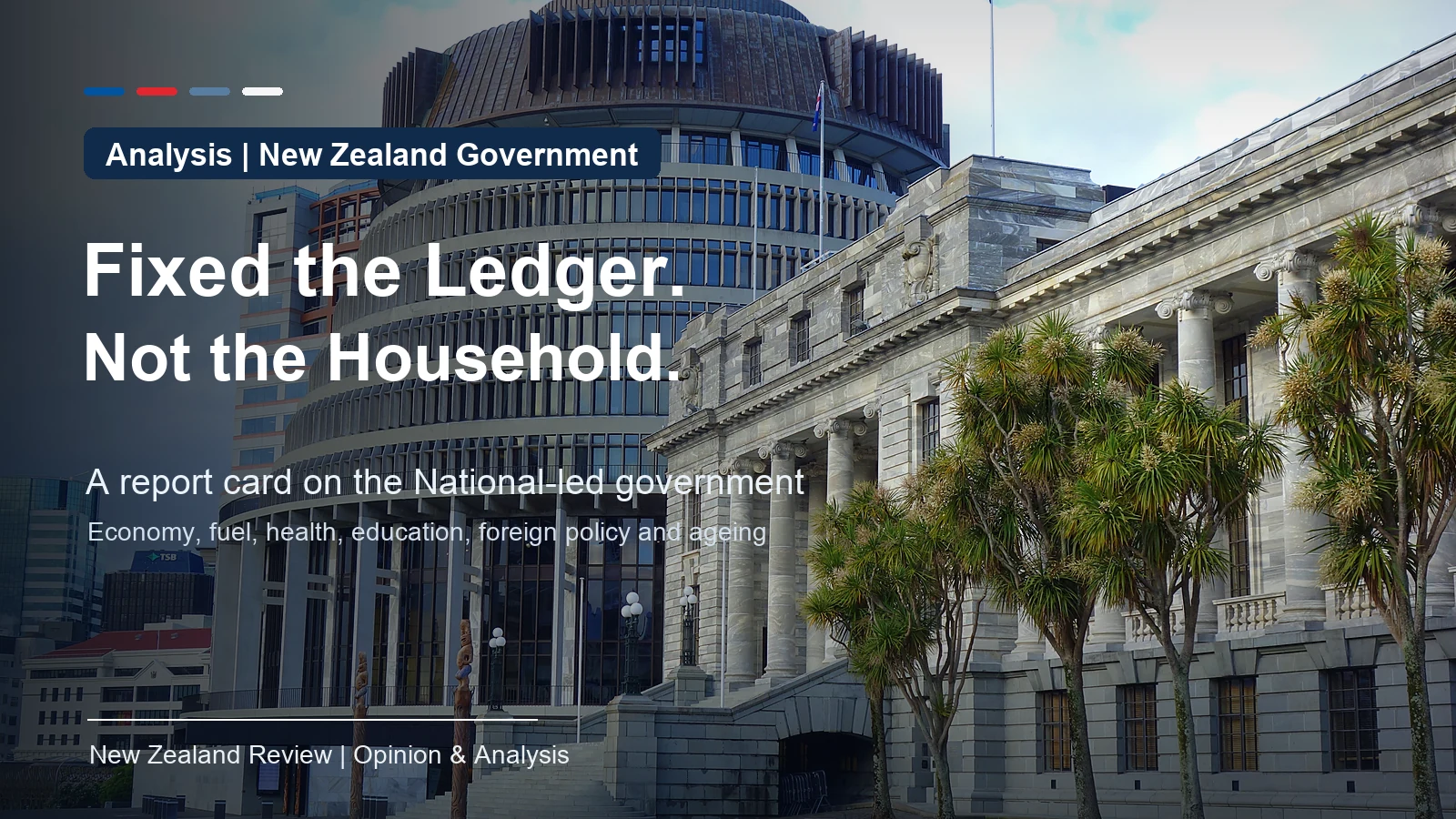
Grade C-minus: New Zealand’s National-Led Government Has Fixed the Ledger. It Hasn’t Fixed the Household.
Nearly three years into office, New Zealand’s National-led coalition can claim progress on fiscal discipline, emergency housing, school attendance and parts of health delivery. But weak growth, rising unemployment, fuel-driven inflation…
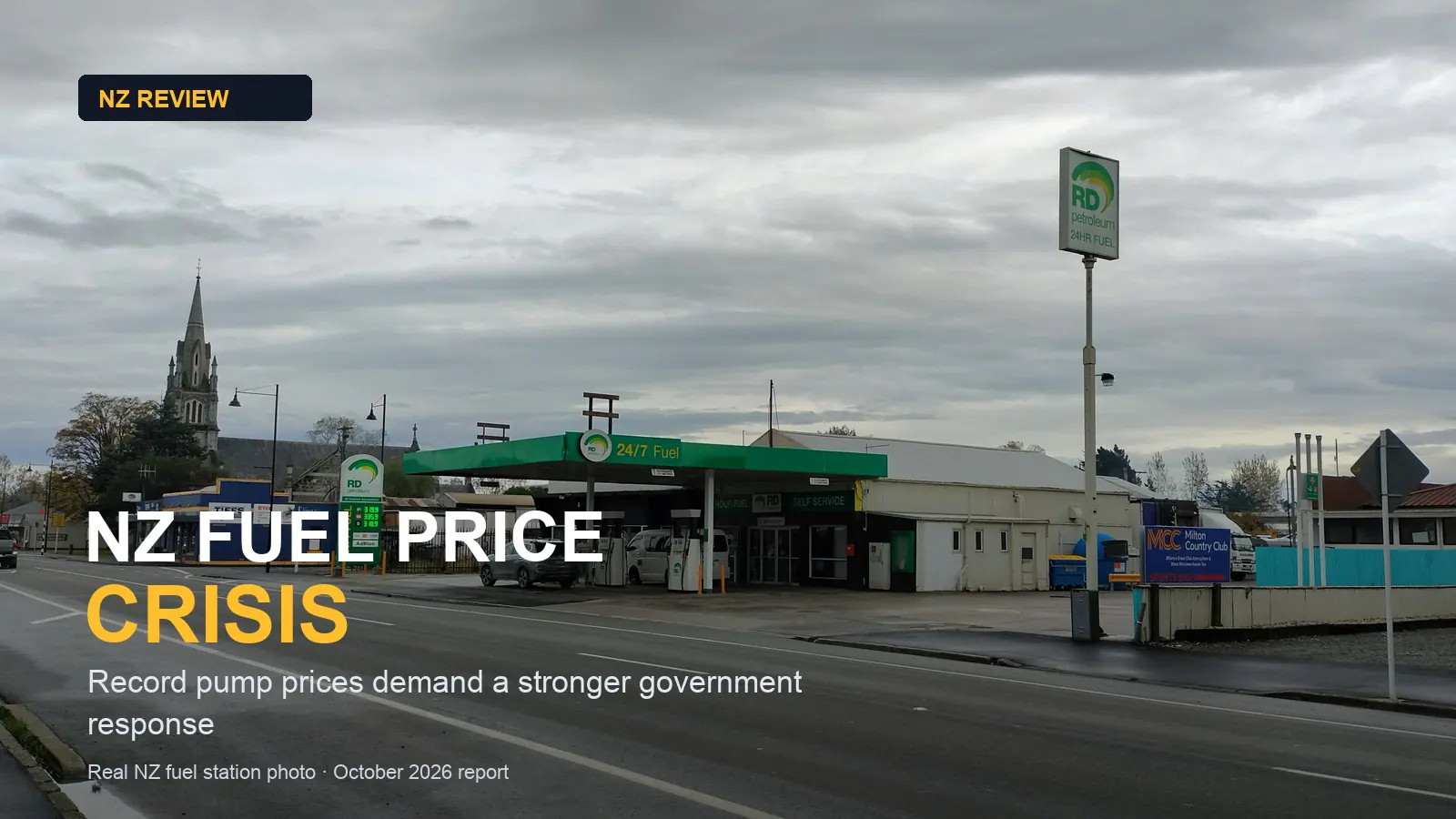
New Zealand’s Fuel Price Crisis: Record Pump Prices Need a Stronger Government Response
New Zealand’s record fuel prices are no longer just a petrol-station problem. They are becoming a food, freight, business and cost-of-living crisis – and the Government’s response is still too narrow.

Responsible lending reform should reduce paperwork, not responsibility
New Zealand’s 2026 credit reforms seek a more proportionate regime. Simplification is defensible only if lenders still test suitability, disclose clearly and detect harm before arrears become a crisis.

Health targets should be dashboards, not destinations
New Zealand’s amended health law requires six targets in the Government Policy Statement. Targets can focus effort, but narrow numbers must not displace quality, equity and the patients who are hardest to count.

Monthly CPI will improve New Zealand’s eyesight, but frequency is not certainty
Monthly inflation data from 2027 should improve New Zealand’s economic picture. The gain will be squandered if politics and markets treat every monthly movement as a definitive change in direction.

Cutting Total Mobility support asks disabled New Zealanders to pay more for an incomplete transport system
The Total Mobility subsidy fell from 75% to 65% on 1 July 2026. Treating the change as a fare adjustment ignores that many users have no workable bus, train or walking alternative.
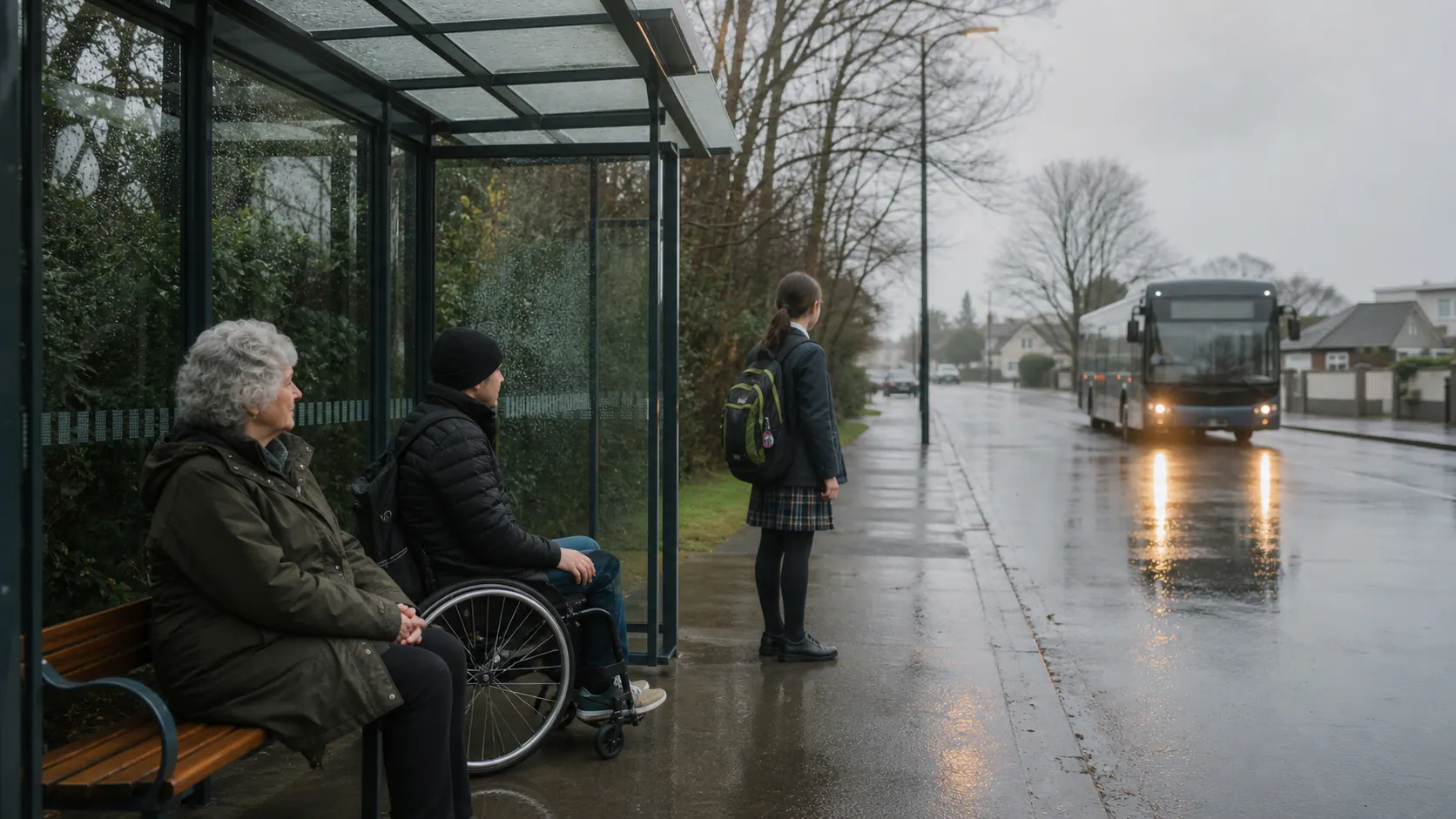
New Zealand should set a minimum standard for waiting at a bus stop
Public transport begins before the bus arrives. Shelter, seating, lighting, accessible kerbs and reliable information should be basic service components, not postcode luck.