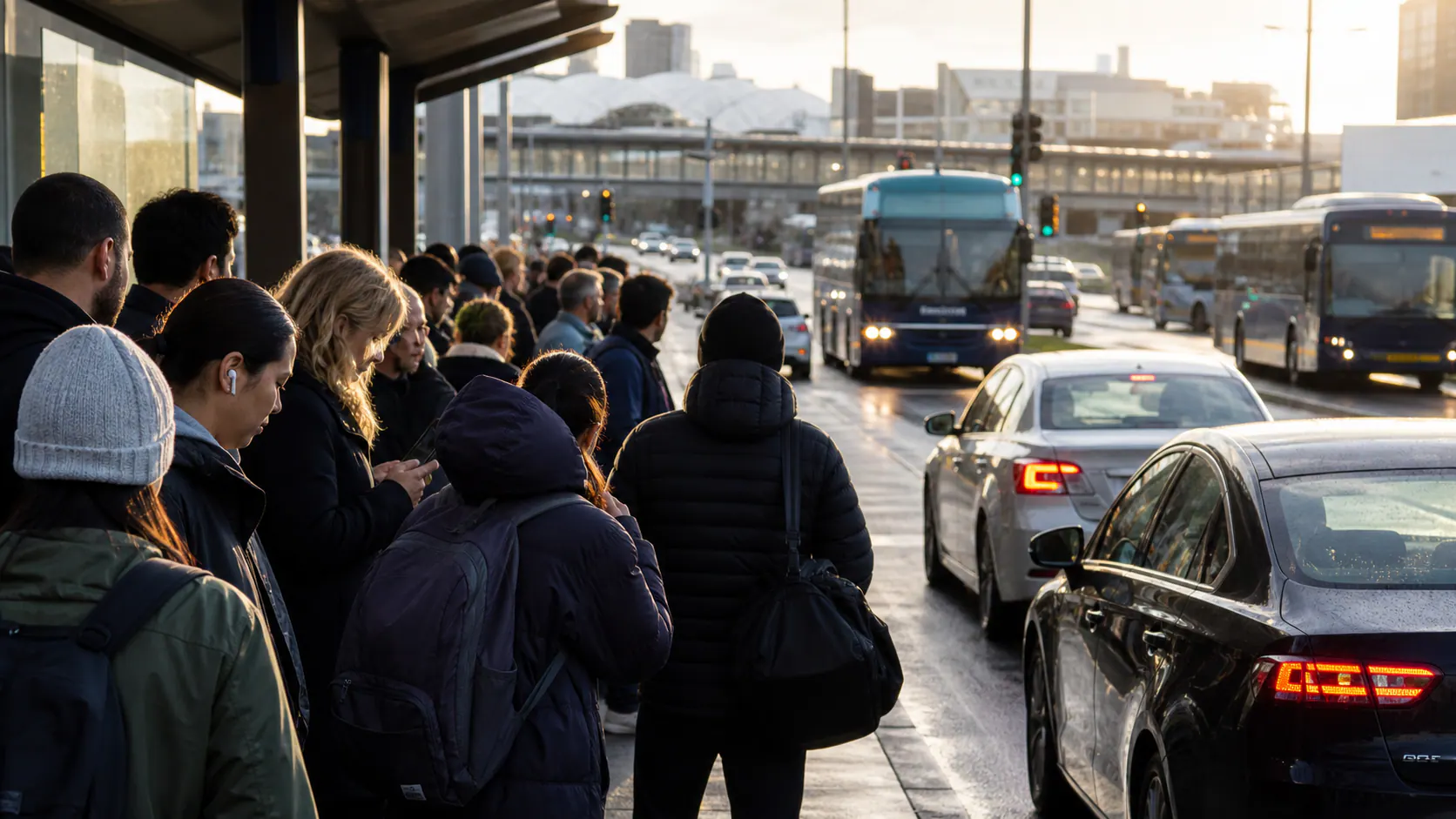
My objection to Auckland time-of-use charging is not that roads must always be free at the busiest hour. Scarce road space is already rationed; we currently pay with lost time, unreliable buses, missed appointments and higher freight costs. Pricing can be a better rationing tool. But only if the public bargain is explicit.
The law enabling schemes comes into force in November 2026. Before Auckland moves from planning to charging, officials should be able to answer three questions in one page: who pays, what improves, and how people without alternatives are protected.
Do not sell it as painless
Some people will pay more. Others will leave earlier, change route or skip trips. That behaviour change is the mechanism, not an accidental side effect. Pretending everyone will be better off immediately invites distrust.
The honest argument is that a modest reduction in peak trips can improve reliability for everyone, while revenue can improve alternatives. That benefit must be measured and published.
Build the escape routes
A charge is fairest when people can avoid it without losing employment, education or care. Auckland needs frequent buses, safe walking access, dependable rail and practical park-and-ride on the affected corridors before launch.
Employers should also be part of the response. Flexible starts and remote days can shift demand more cheaply than new lanes, but those options are unevenly distributed.
Protect people, not every trip
Blanket exemptions would hollow out the scheme. Targeted support for disability, essential medical travel and severe hardship is more defensible. Low-income workers with fixed shifts may need credits or improved services rather than another complicated application.
Any support should be automatic where possible and reviewed against real travel data.
Ring-fence revenue
Every dollar after reasonable operating costs should be transparently tied to transport improvements and affordability measures. Annual reporting should show what each charged corridor received.
Movement data must also be tightly governed. Drivers should not have to trade open-ended location surveillance for a shorter commute.
Earn consent through evidence
Start with a bounded pilot, publish the baseline, define success and allow independent evaluation. If congestion merely moves to neighbourhood streets or buses cannot absorb demand, pause and fix the design.
Aucklanders may accept paying for a more reliable network. They are less likely to accept a vague promise attached to another bill. The policy will succeed only when the bargain is concrete enough to hold government to it.
Sources and further reading: Ministry of Transport time-of-use charging; Auckland Transport project information.