
New Zealand’s 2026 credit reforms seek a more proportionate regime. Simplification is defensible only if lenders still test suitability, disclose clearly and detect harm before arrears become a crisis.
Tag: New Zealand
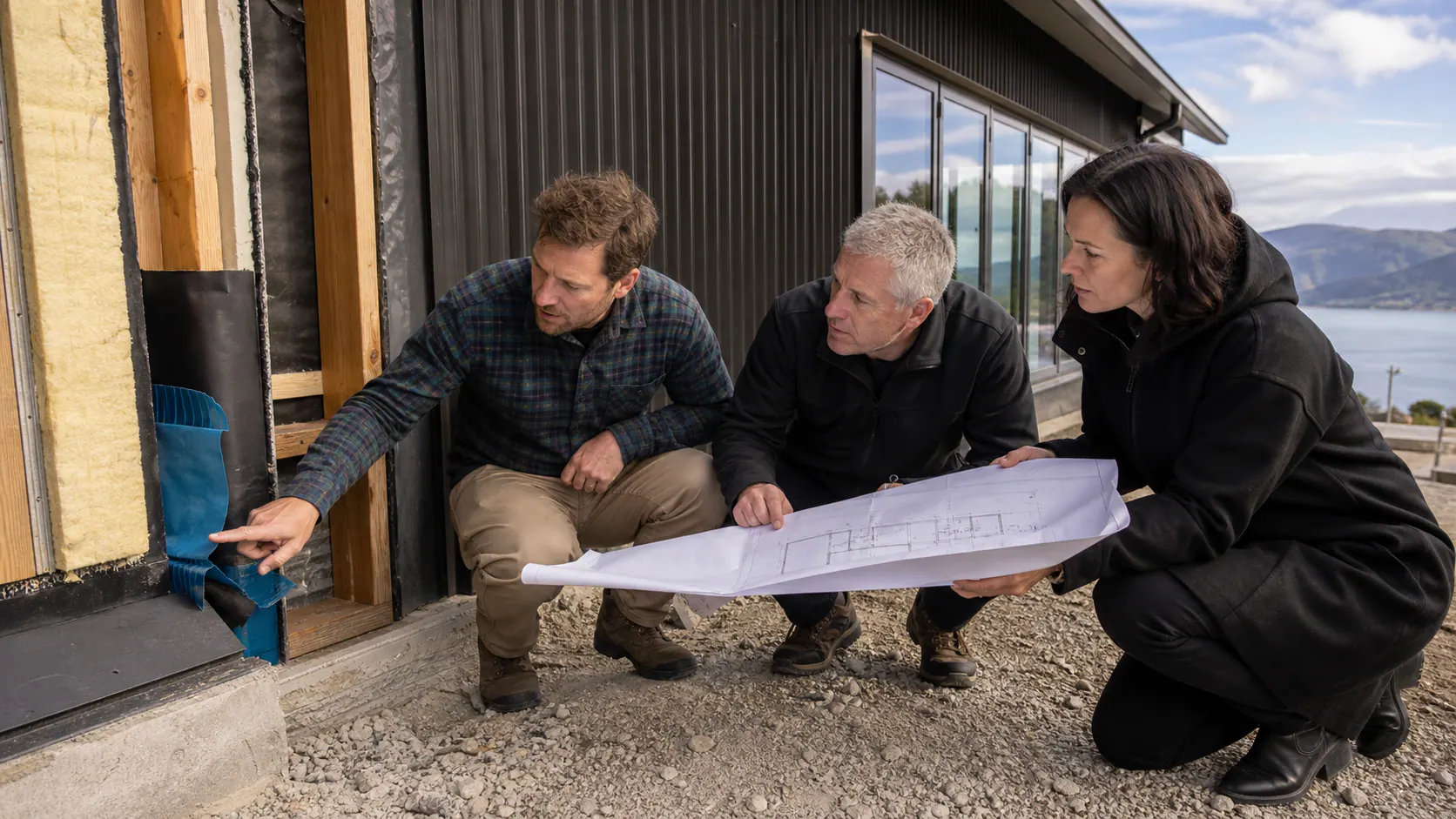
Proportionate liability changes who is left carrying a building failure
New Zealand’s Building Amendment Bill proposes proportionate liability, mandatory warranties and professional insurance. Faster building matters, but reform must answer what happens when a responsible party disappears.
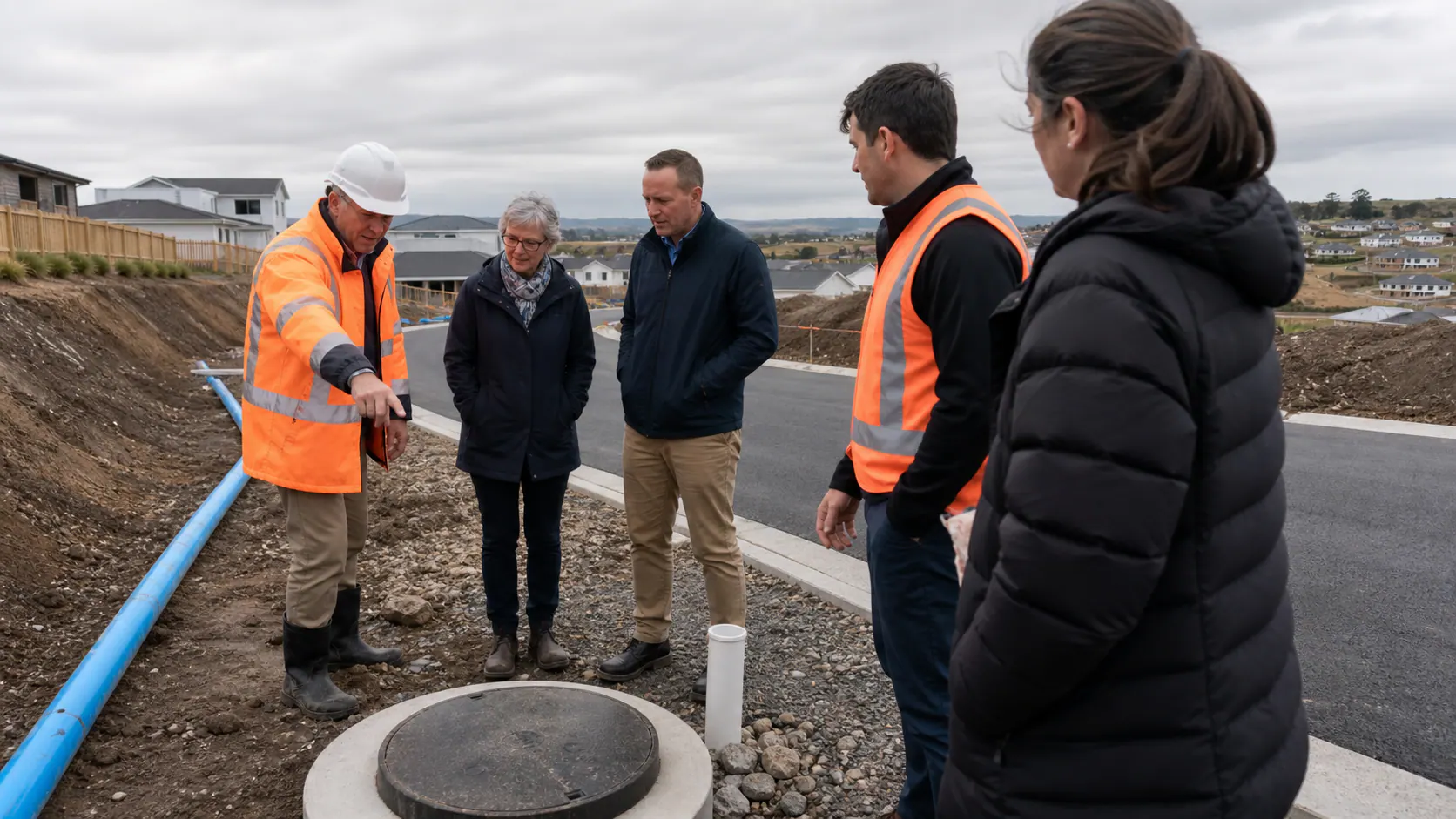
New infrastructure levies move debt off council books, not out of household budgets
New Zealand is expanding tools that finance growth infrastructure through special vehicles and property levies. The model can unlock housing, but disclosure, affordability and long-term accountability must follow the charge.

Health targets should be dashboards, not destinations
New Zealand’s amended health law requires six targets in the Government Policy Statement. Targets can focus effort, but narrow numbers must not displace quality, equity and the patients who are hardest to count.

Horse traceability is not paperwork for its own sake
New Zealand has consulted on better horse identification and traceability. A useful system must be fast during disease events, workable for ordinary owners and honest about privacy, cost and compliance.

New Zealand’s RSE reform will be judged in the room after work
The modernised RSE scheme promises clearer rules and worker protections. Its credibility depends on deductions, housing, transport, complaints and the power workers have after the orchard gate closes.

Monthly CPI will improve New Zealand’s eyesight, but frequency is not certainty
Monthly inflation data from 2027 should improve New Zealand’s economic picture. The gain will be squandered if politics and markets treat every monthly movement as a definitive change in direction.
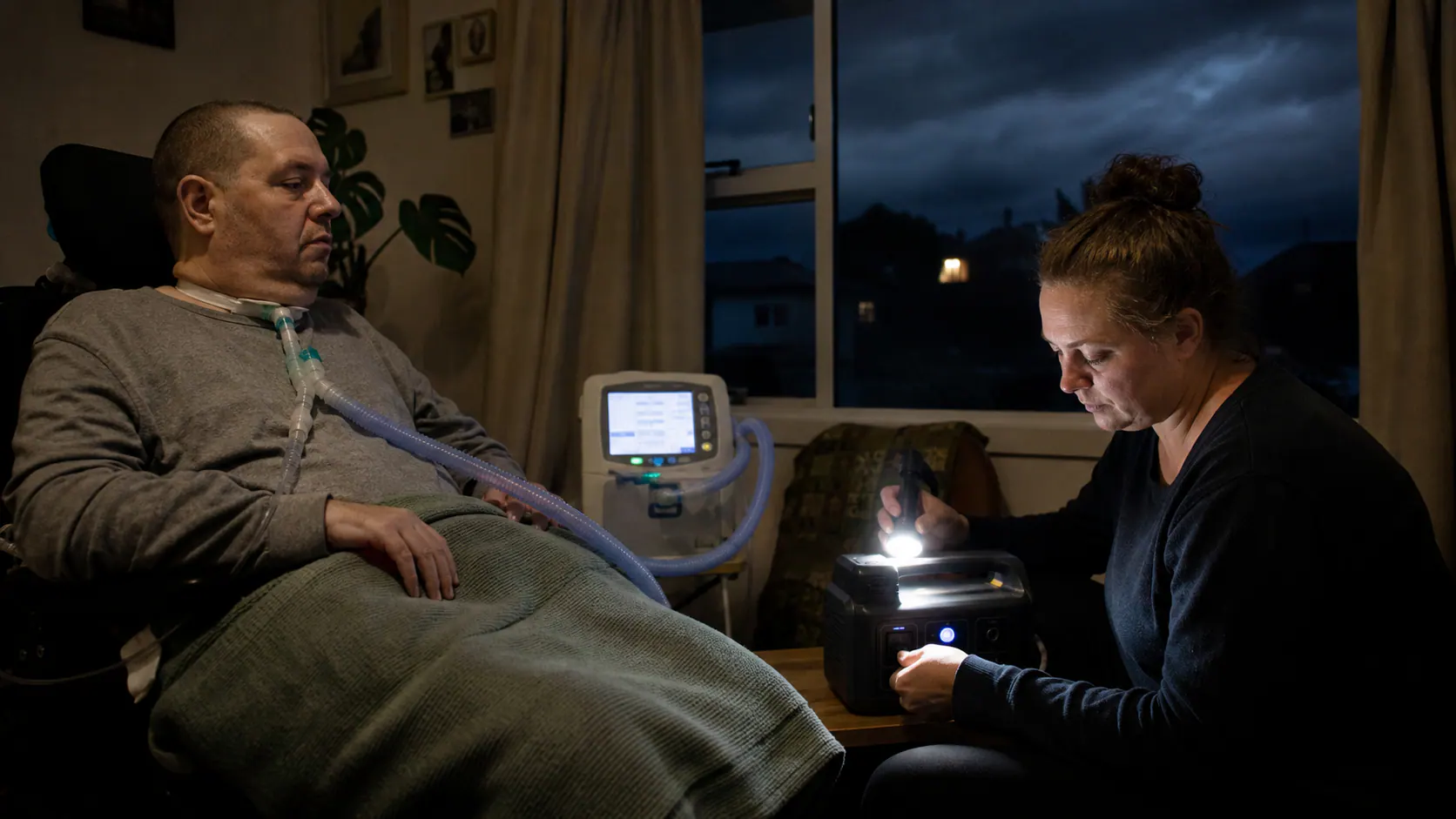
Registration prevents disconnection, not outages: the fragile power chain behind home medical care
New Zealand protects registered medically dependent consumers from disconnection, but storms and network failures still happen. Real safety requires a tested chain from household backup to health and electricity services.

New Zealand’s new occupation list is economic infrastructure, not clerical housekeeping
A New Zealand-specific occupation classification can make emerging work visible sooner. Its value will depend on transparent updates, usable concordances and honest treatment of work that resists neat boxes.

Cutting Total Mobility support asks disabled New Zealanders to pay more for an incomplete transport system
The Total Mobility subsidy fell from 75% to 65% on 1 July 2026. Treating the change as a fare adjustment ignores that many users have no workable bus, train or walking alternative.