
The next census will combine administrative records with a continuous survey. Fresher statistics could improve planning, but coverage, privacy, small-community detail and transparent quality measures will determine legitimacy.
Tag: New Zealand
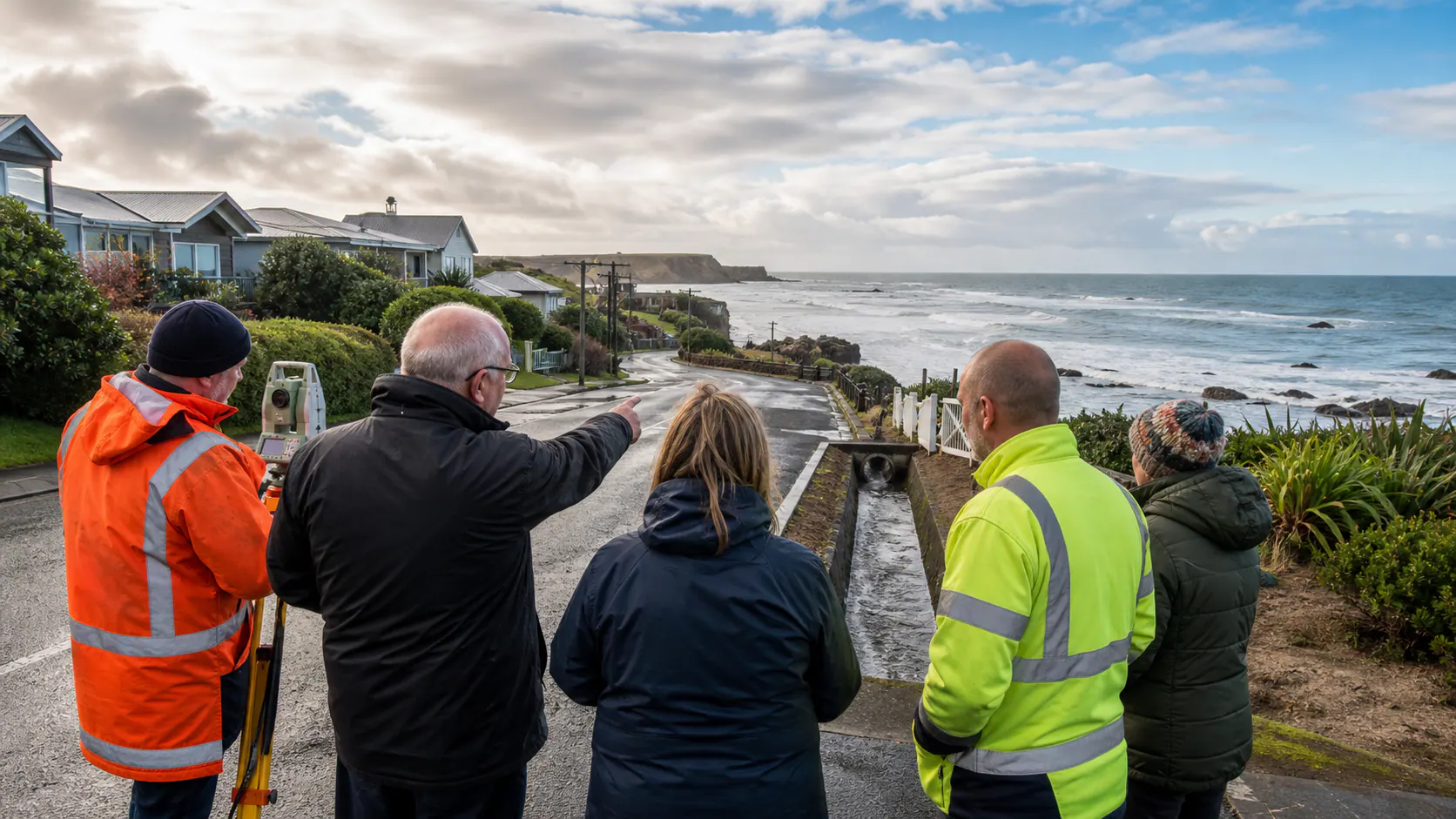
Climate adaptation plans will expose New Zealand’s hardest question: who pays before disaster?
New legislation would require councils to plan for priority climate-risk areas. Maps and plans matter, but durable adaptation depends on transparent cost-sharing before property, insurance and infrastructure decisions harden.
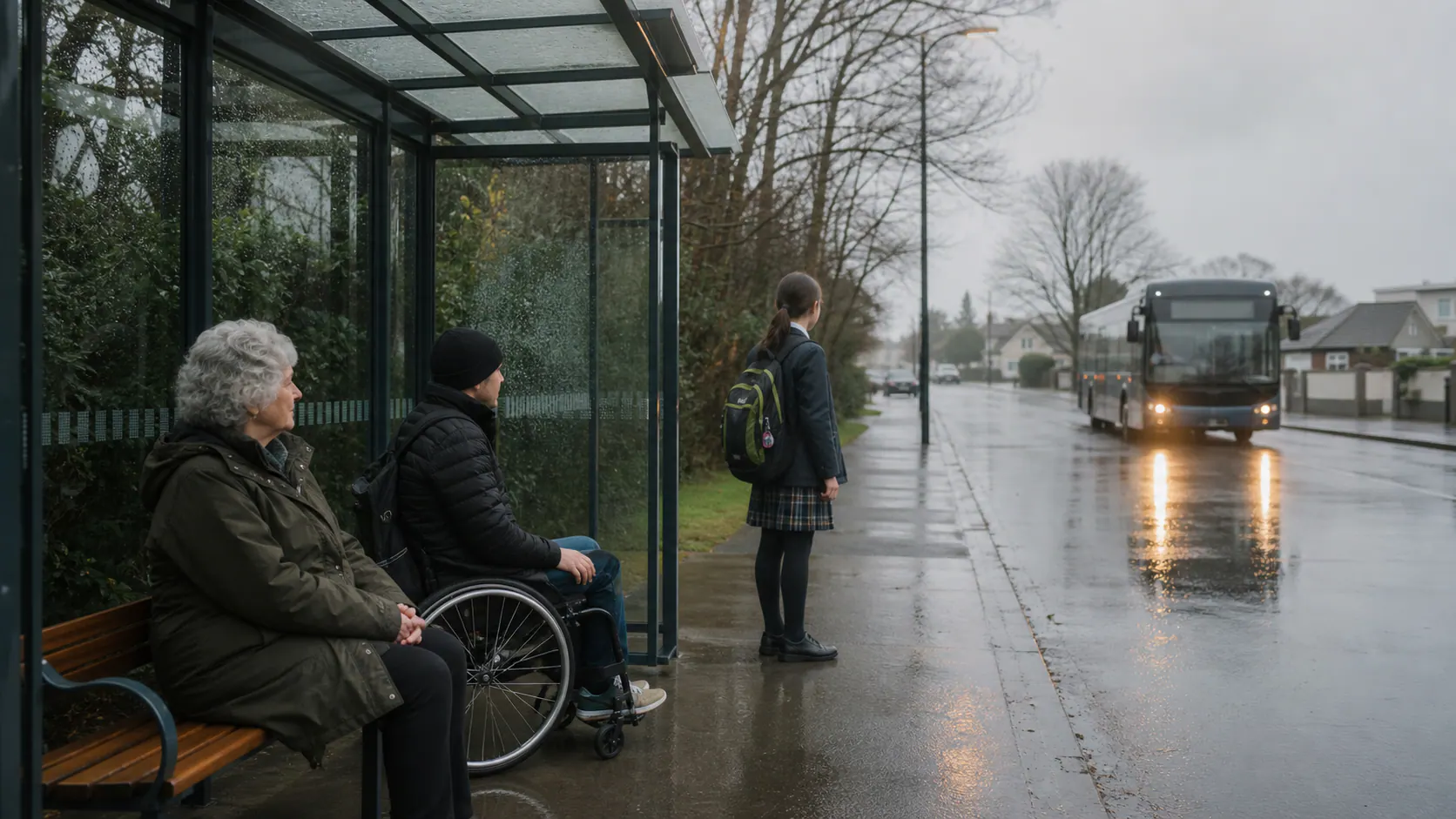
New Zealand should set a minimum standard for waiting at a bus stop
Public transport begins before the bus arrives. Shelter, seating, lighting, accessible kerbs and reliable information should be basic service components, not postcode luck.
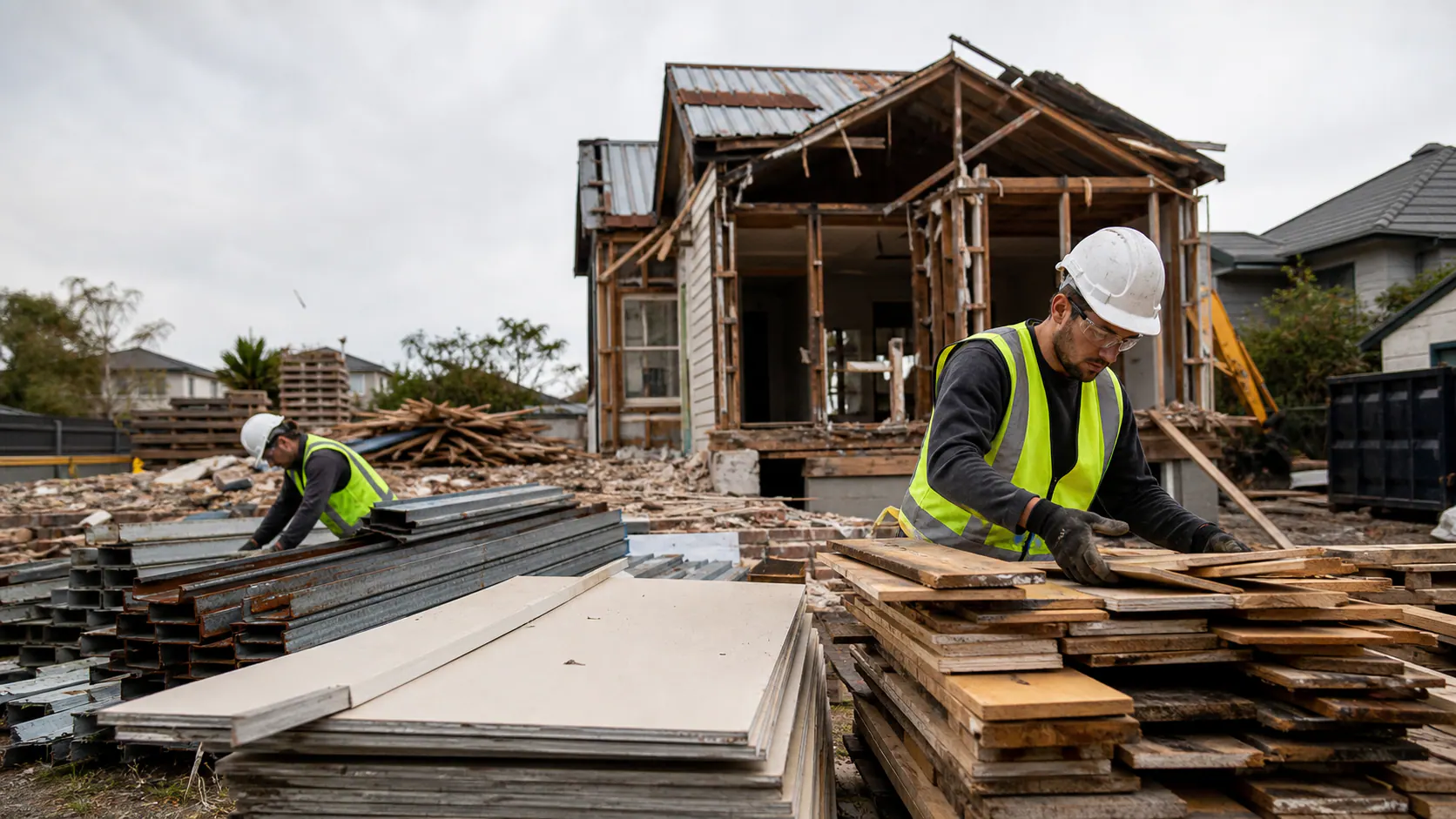
New Zealand should dismantle buildings with their next use in mind
Construction waste is a design and logistics problem. Deconstruction, source separation, material records and reuse markets can retain value before mixed skips destroy it.

Rural maternity care is measured in kilometres as well as appointments
For rural families, maternity access depends on travel, workforce continuity, transfer plans and accommodation near higher-level care. Funding must recognise time and geography.
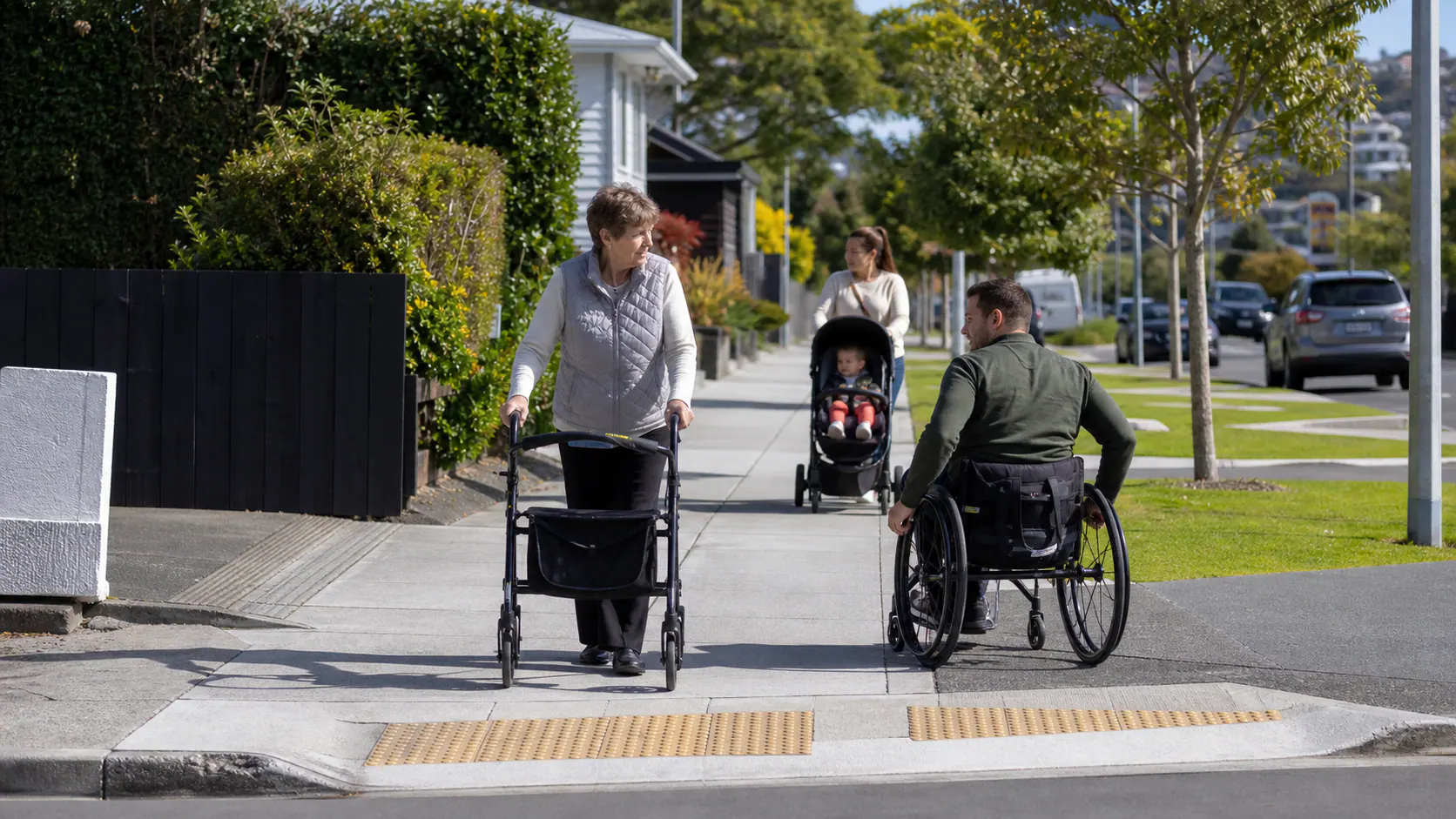
New Zealand footpaths should be managed as a continuous mobility network
A good footpath is not a decorative strip beside a road. Width, surface, crossings, driveways, vegetation and construction detours determine whether people can complete an ordinary trip.
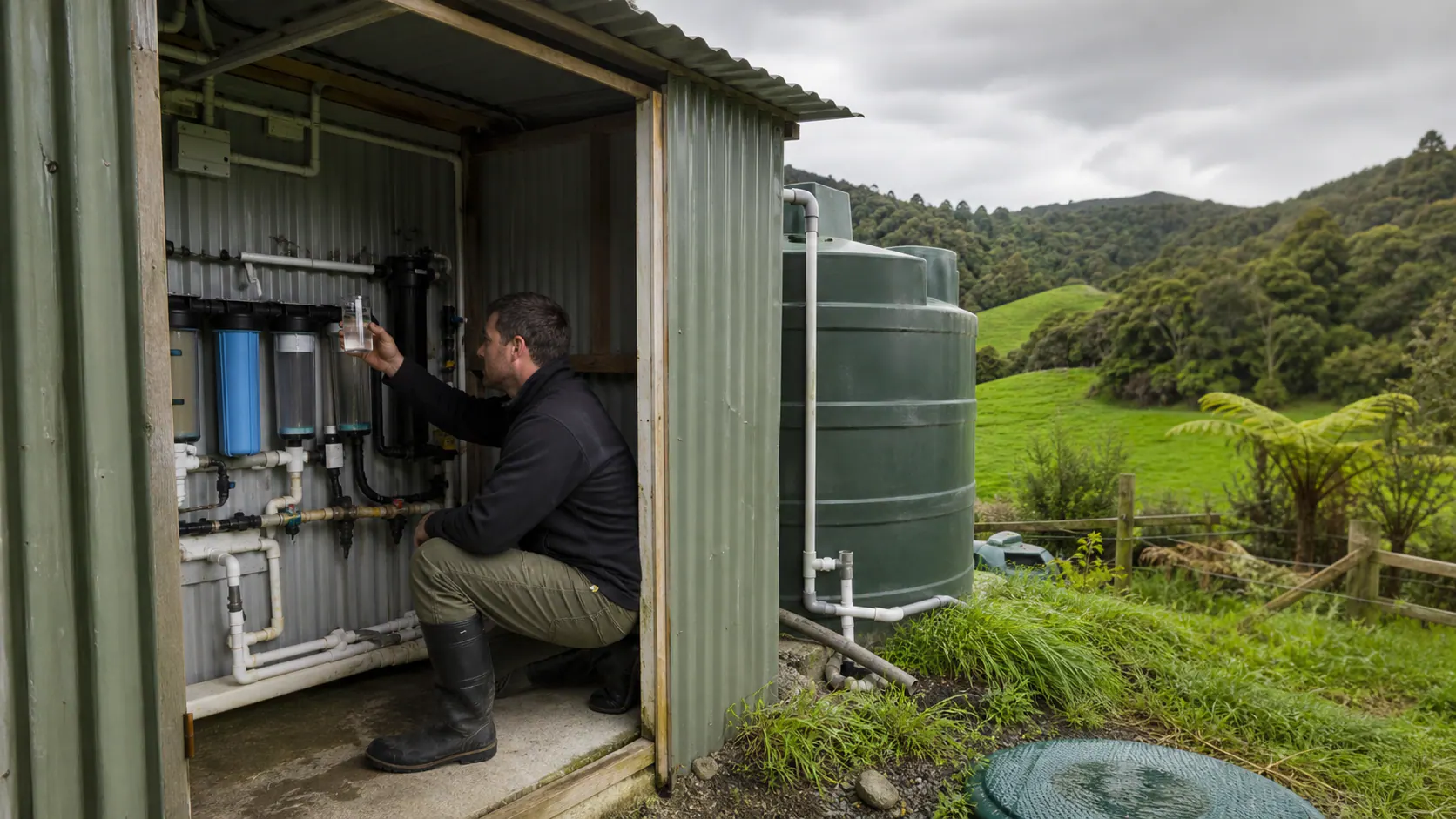
Safe drinking water gets harder when the supply is very small
Marae, halls, rural communities and mixed-use supplies face the same duty to provide safe water as larger systems, but with fewer operators, smaller budgets and less redundancy.
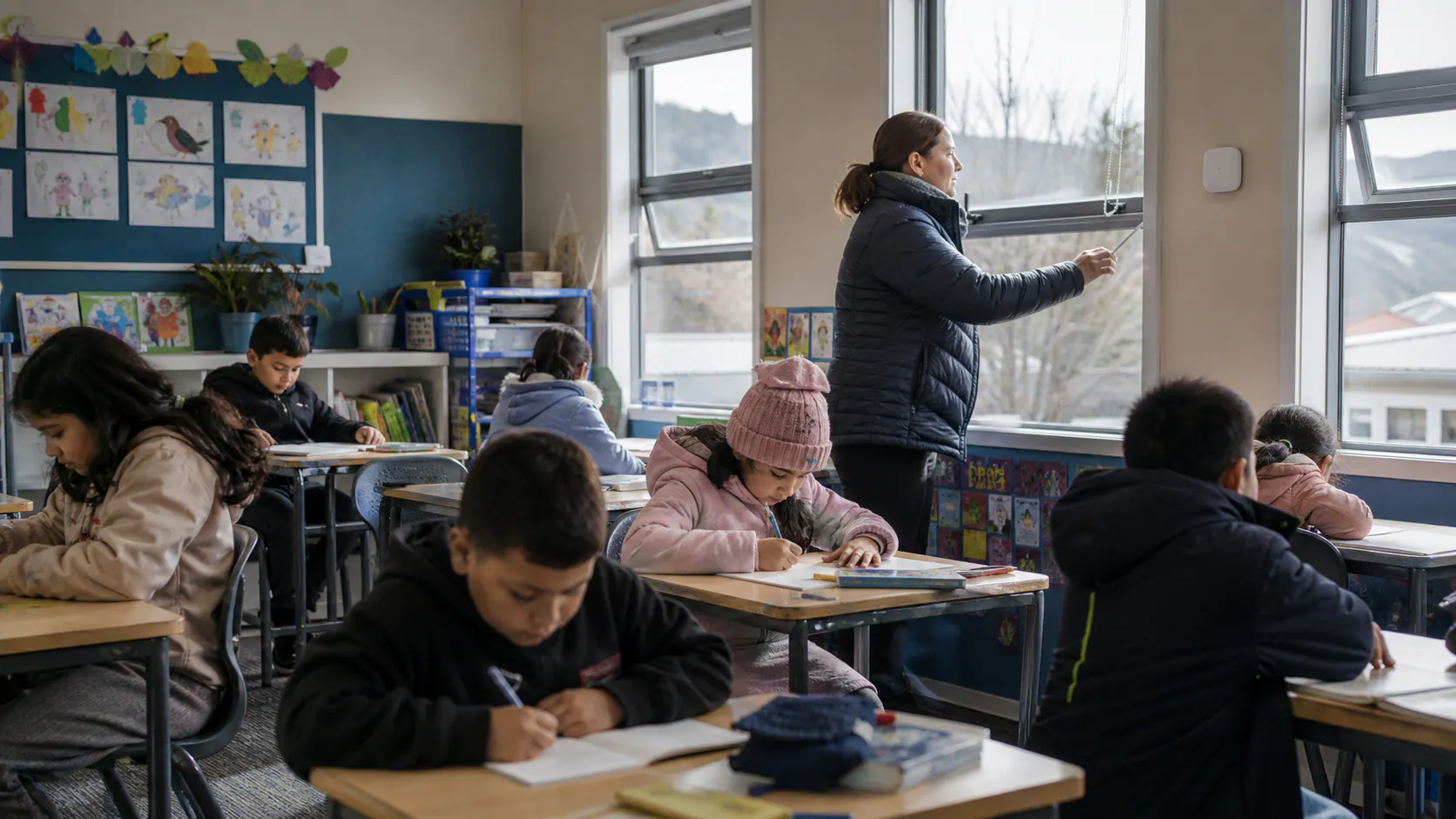
A classroom air monitor is useful only when someone can act on it
New Zealand schools can measure carbon dioxide, temperature, humidity, sound and light. The harder task is turning indoor-environment data into maintenance, teaching practice and equitable property investment.
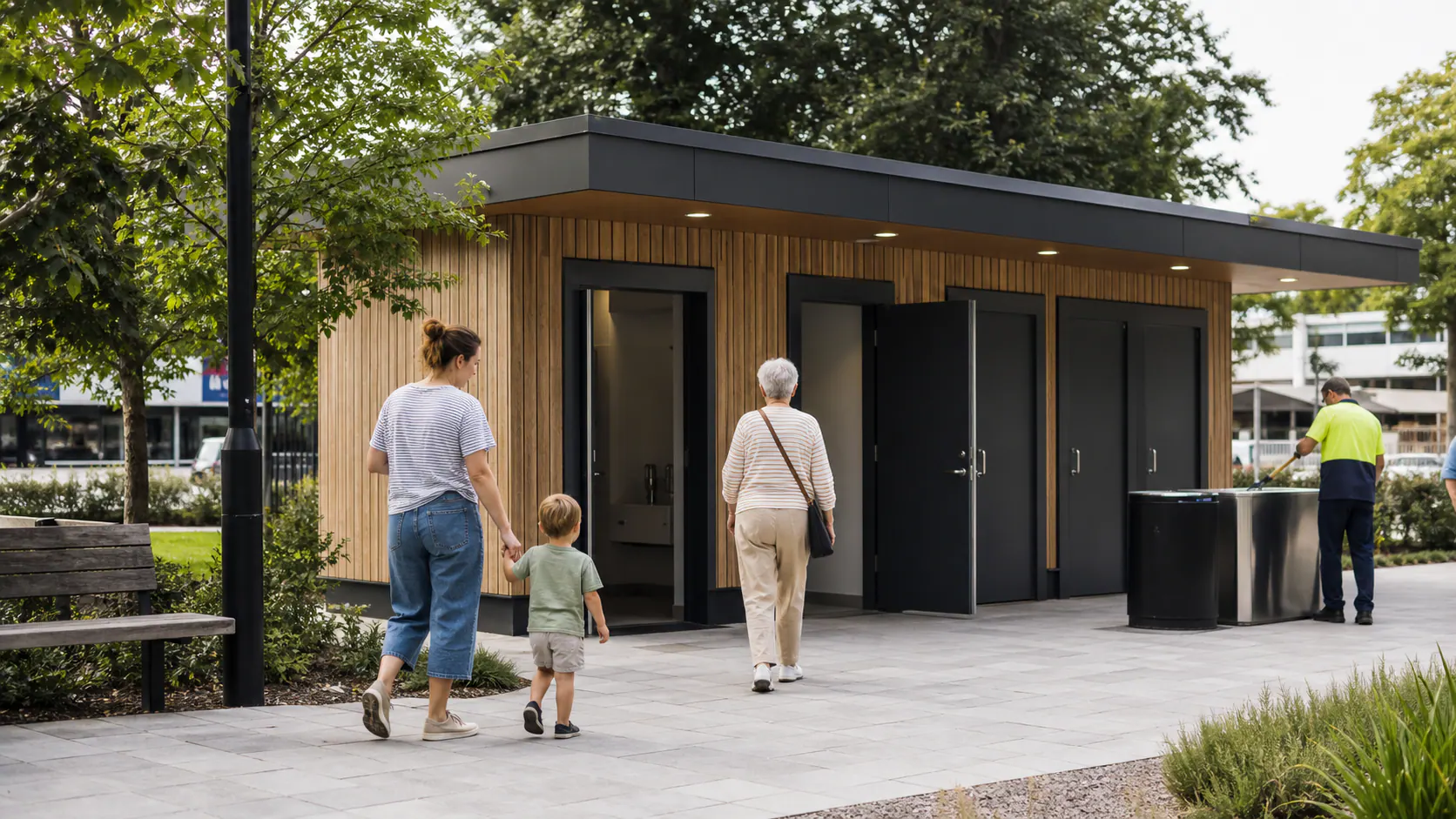
New Zealand needs a public-toilet standard people can actually use
A town can advertise walkability while quietly requiring people to plan their day around a toilet. Parents with young children, older people, pregnant peop
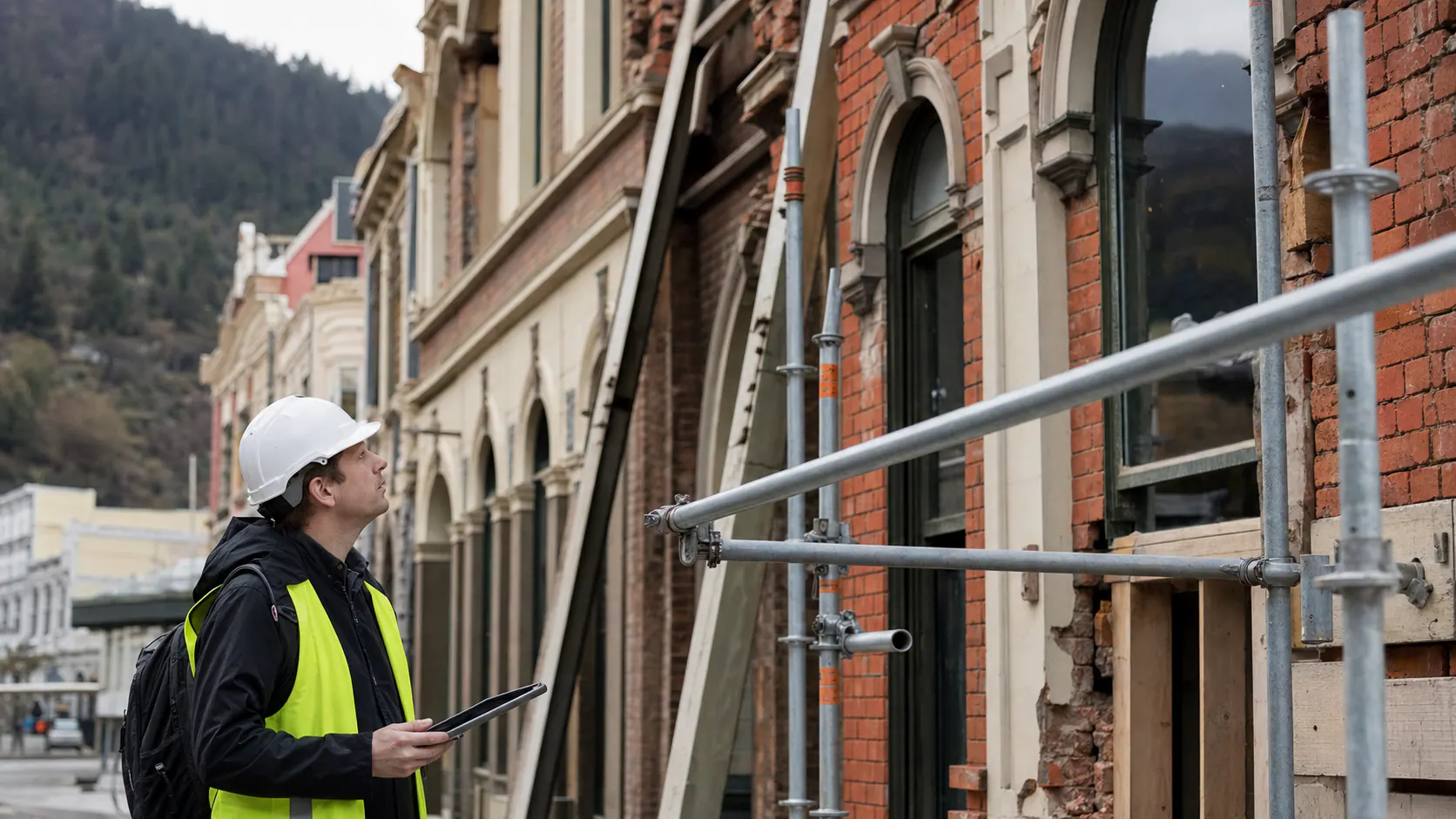
Earthquake-prone buildings are a test of timing, finance and public trust
A coloured notice on a building compresses a complicated judgement into one public signal. Behind it sit engineering assumptions, ground conditions, occupa