
Maintenance lacks ribbon-cuttings, but deferral converts predictable work into disruption, emergency procurement and larger bills.
Author: 全搜索深度调查记者Josh
Josh 负责新西兰、中国及国际议题的英文深度报道与解释性写作,关注政策、社会影响和公开数据,并尽量以原始文件及多来源交叉核查为基础。
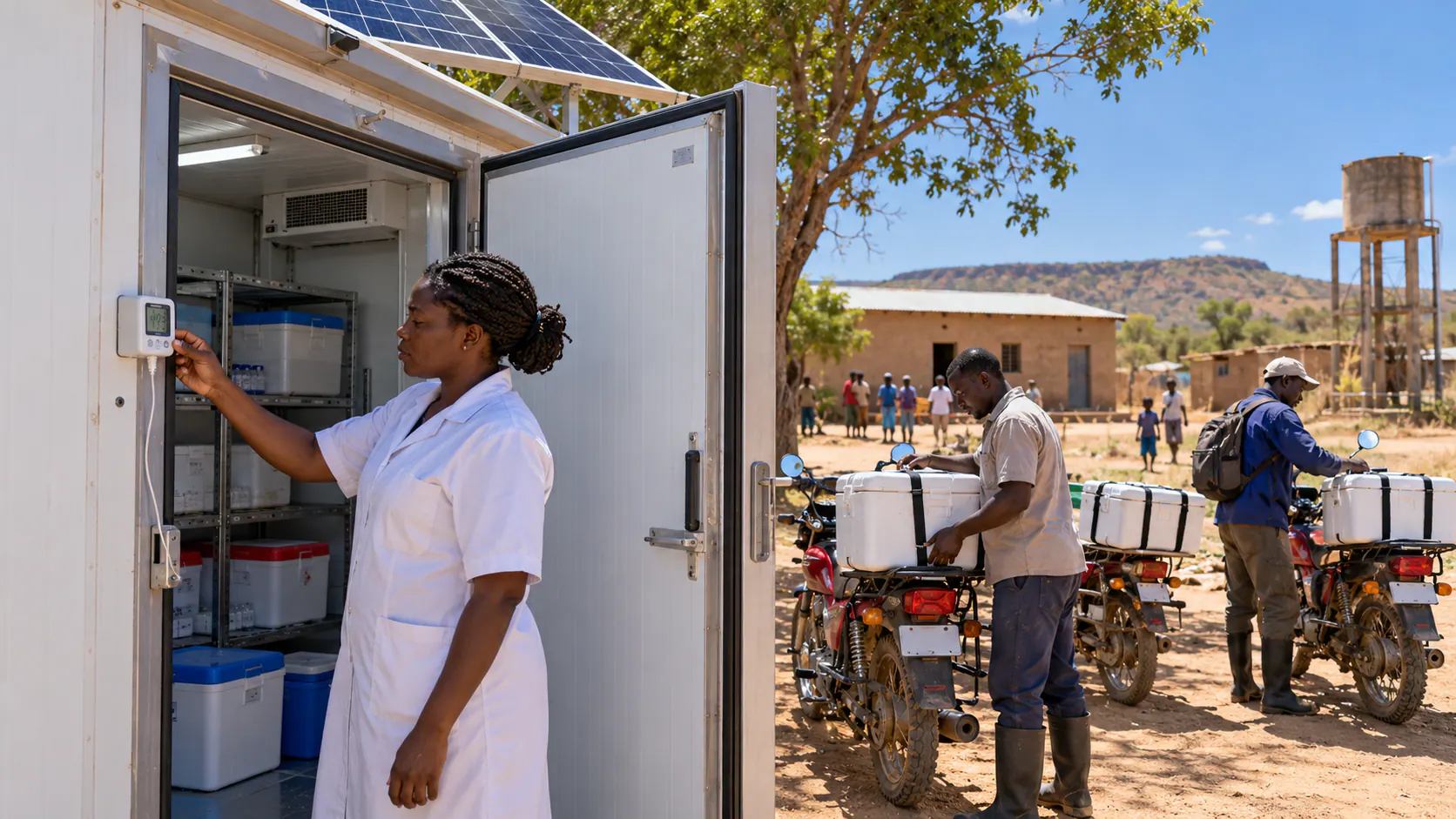
A cold chain is a public service, not a refrigerator
Reliable cooling depends on energy, maintenance, data and last-mile transport. Equipment donations without systems produce silent failure.

Celebrating women farmers is easy. Transferring land, finance and decision power is harder
The 2026 international year can outlast its ceremonies only if women gain enforceable rights, useful services and control over income.

China’s county medical networks need more than a video link to a city hospital
Integrated county networks can bring expertise closer to rural patients, but referral rules, staffing, medicines and accountability determine whether care truly moves.
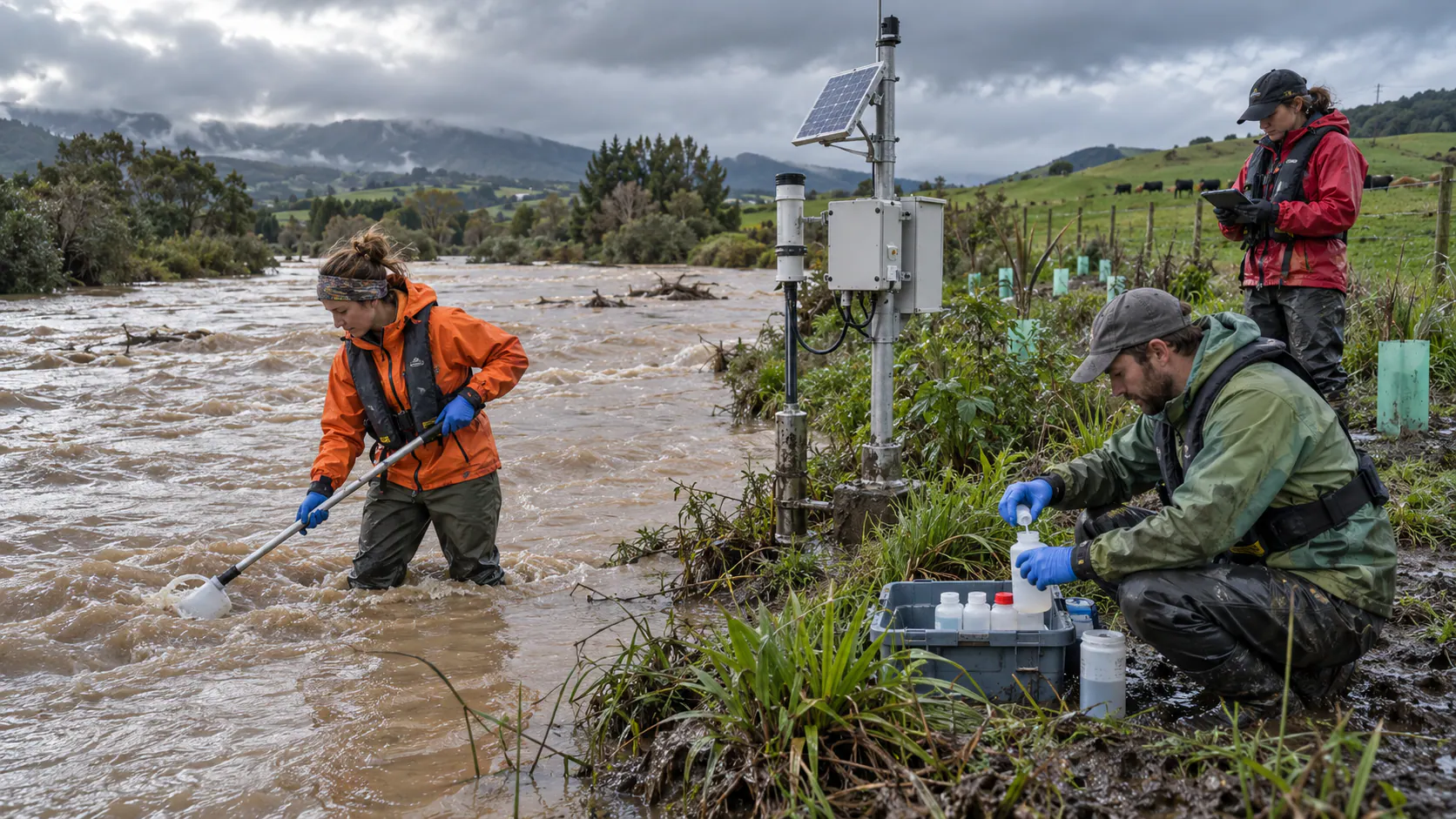
The dirtiest hour of a river can disappear between monthly samples
Routine monitoring can miss contaminant pulses during floods. Better freshwater evidence needs automated triggers, safe fieldwork and transparent uncertainty.

Microplastics are not one pollutant, and New Zealand should stop measuring them as if they were
A new national synthesis shows why particle size, polymer, pathway and sampling method matter as much as a headline count.

New Zealand’s new planning direction should expose trade-offs, not hide them
A national planning system can improve consistency, but it should make conflicts between growth, hazards, nature and infrastructure visible and contestable.

Half the world’s land is rangeland. It should not be governed as empty space
The International Year of Rangelands and Pastoralists highlights ecosystems shaped by mobility. Protecting them requires rights, services and monitoring designed for movement.
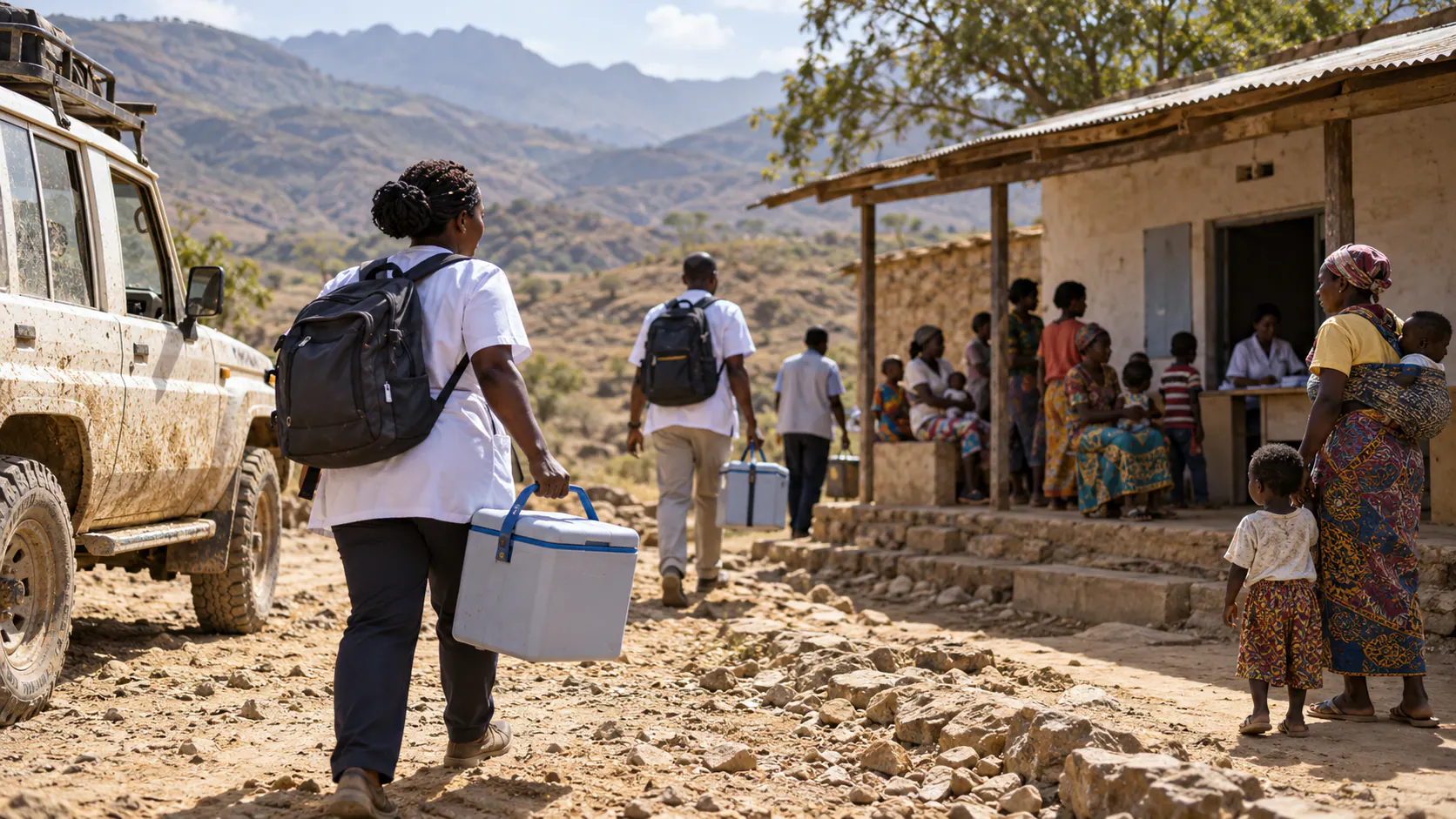
The last unvaccinated child is the most expensive to reach, and the easiest to overlook
WHO’s 2026 health statistics point to immunisation inequality. Closing it requires local trust, reliable cold chains and health systems that can find missed children.
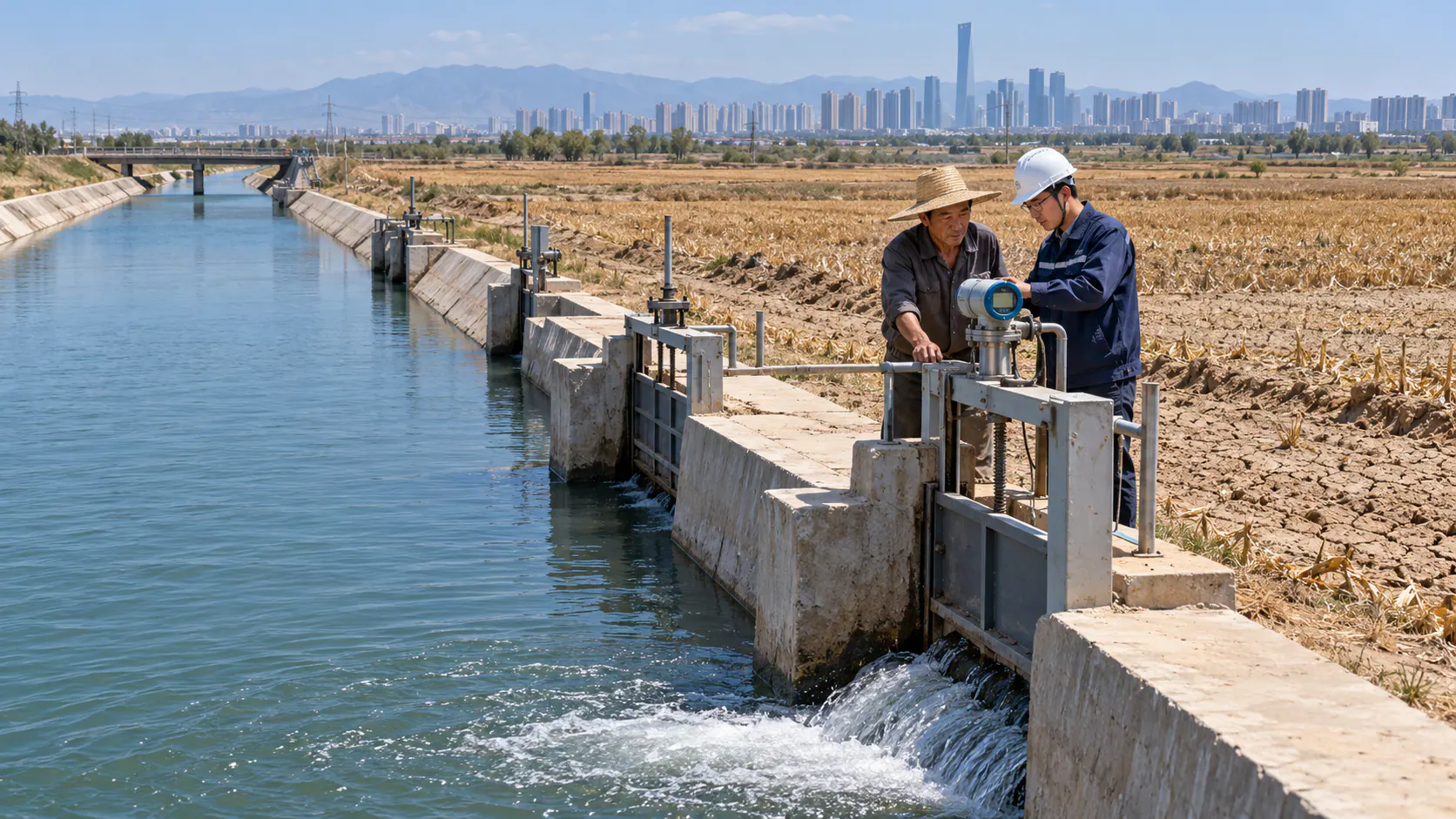
China’s water market will only save water if the cap is real
China is combining hard water constraints with trading and efficiency incentives. Markets can reveal value, but only public rules can protect basic and ecological needs.