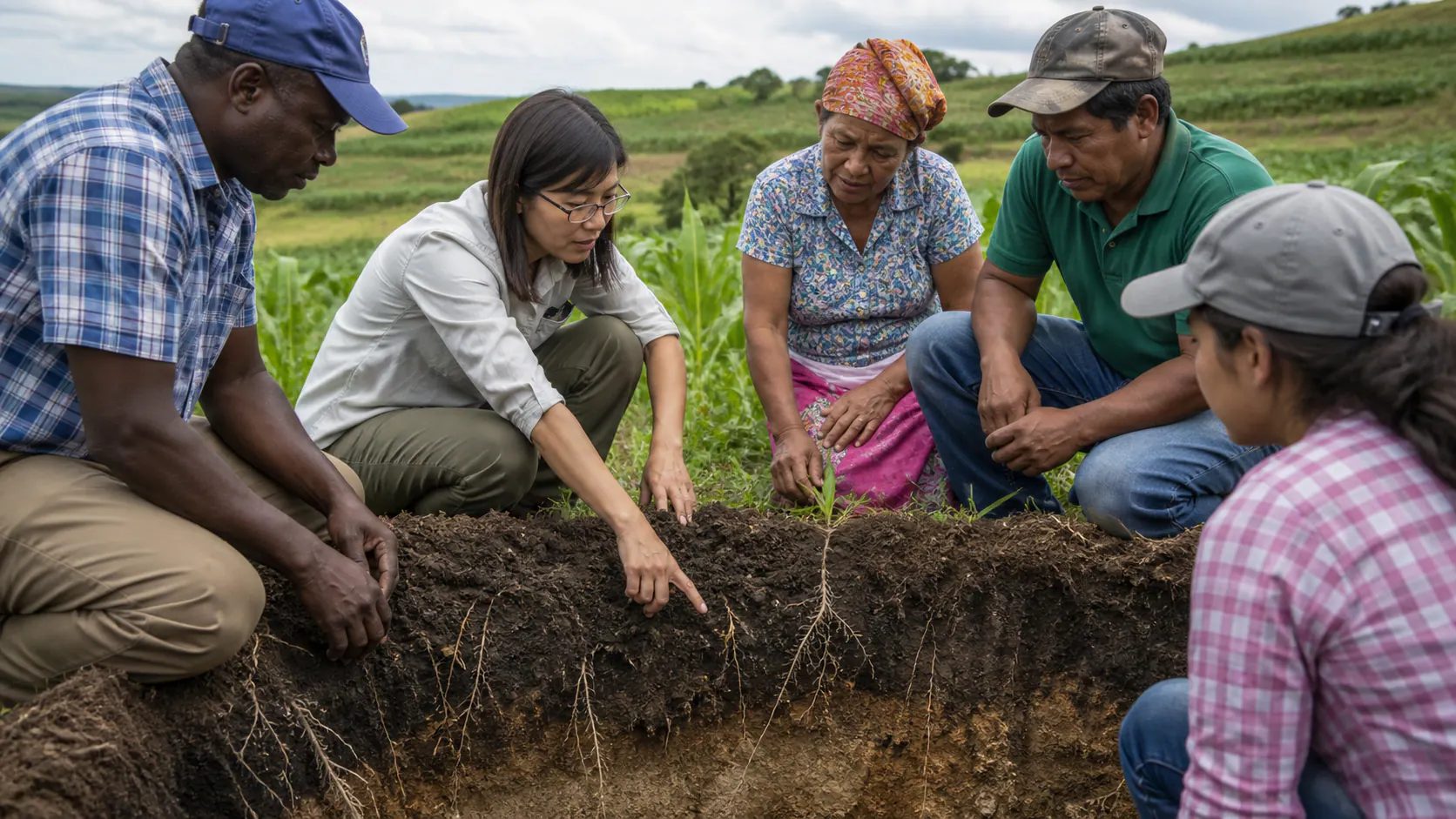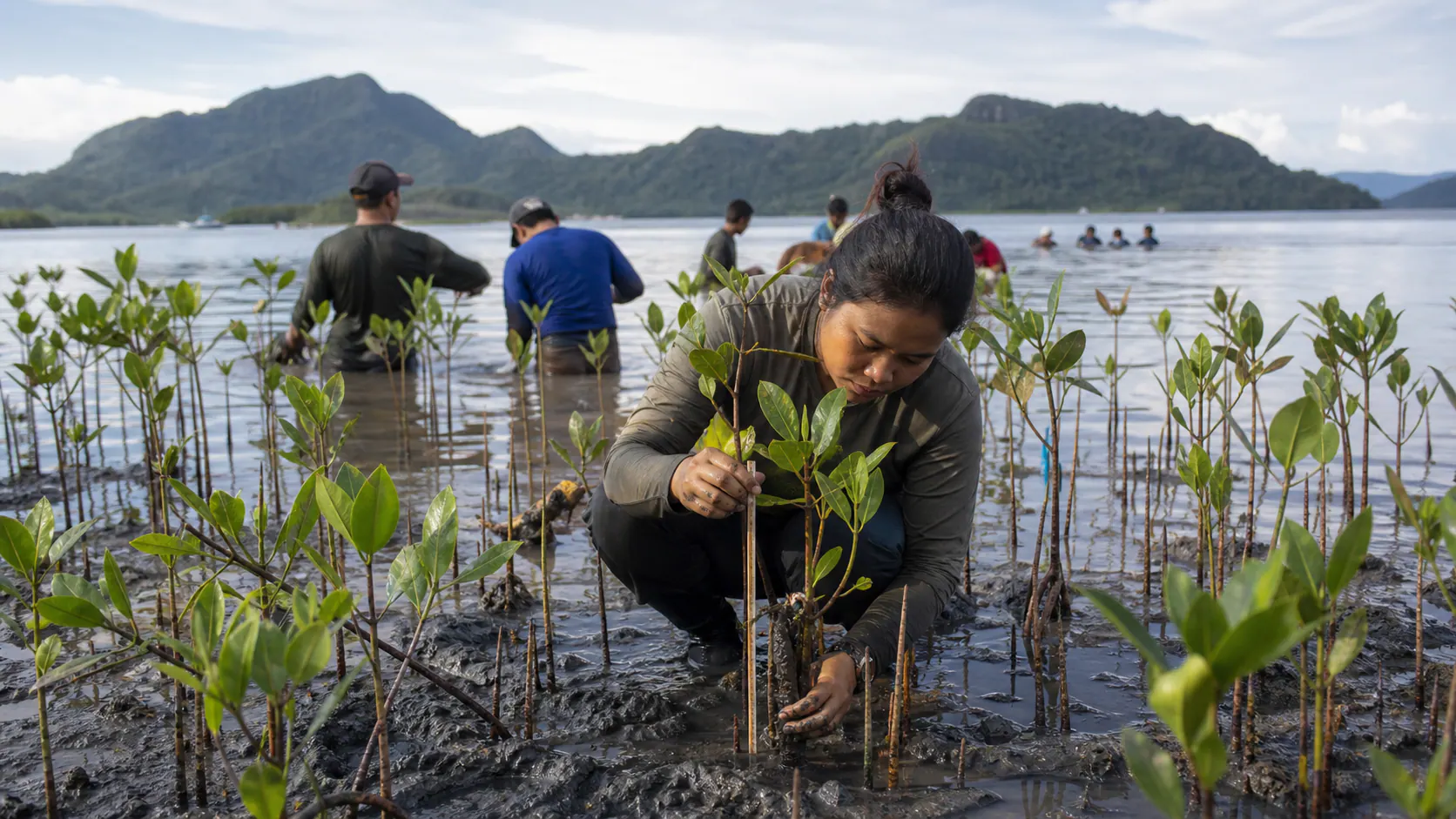
A photograph of volunteers planting mangrove seedlings is easy to understand. The harder work may have happened months earlier: mapping tides, restoring water flow, resolving land use, selecting species and agreeing who will care for the site after funding ends.
UN Environment Programme projects in Kenya and Costa Rica show the value of baseline science, community training and permanent monitoring plots. The lesson is not that planting is unimportant. It is that a mangrove is an ecosystem shaped by water, sediment and people, not a line of trees.
Fix the conditions first
Mangroves occupy particular tidal elevations and salinity ranges. A blocked creek, altered shoreline or eroding sediment can kill seedlings regardless of effort.
Natural regeneration may outperform planting once hydrology is restored. Site diagnosis should come before a nursery order.
Species belong in particular places
Different species tolerate different inundation, waves and soils. Using a convenient nursery species everywhere can create poor survival or simplified habitat.
Local ecological knowledge and reference sites help match species to microhabitat.
Community rights are part of restoration
Coastal residents may fish, collect materials or use routes through the site. Restrictions imposed without participation can shift costs onto those expected to protect the forest.
Paid work, governance roles and transparent benefit sharing make stewardship more durable than short consultation.
Survival is not yet recovery
An 80 percent seedling survival rate is encouraging, but longer-term measures should include canopy structure, fish use, shoreline change, carbon and natural recruitment.
Permanent plots and repeatable methods allow a project to learn rather than merely report activity.
Blue carbon needs credible accounting
Carbon finance may support restoration, but credits depend on additionality, permanence and leakage. Claims should not outrun evidence or weaken customary access.
Biodiversity and coastal protection remain valuable even when carbon measurement is uncertain.
Restore a living coast
Successful projects plan for storms, maintenance, local institutions and funding after the launch. They also protect healthy mangroves, because avoiding loss is usually more certain than rebuilding complexity.
The best photograph may eventually show very little human activity: tides moving through a forest that can sustain itself.
Sources and further reading
- UNEP: Mangroves are making a comeback—what is working
- UNEP: Guidelines on Mangrove Restoration for the Western Indian Ocean Region