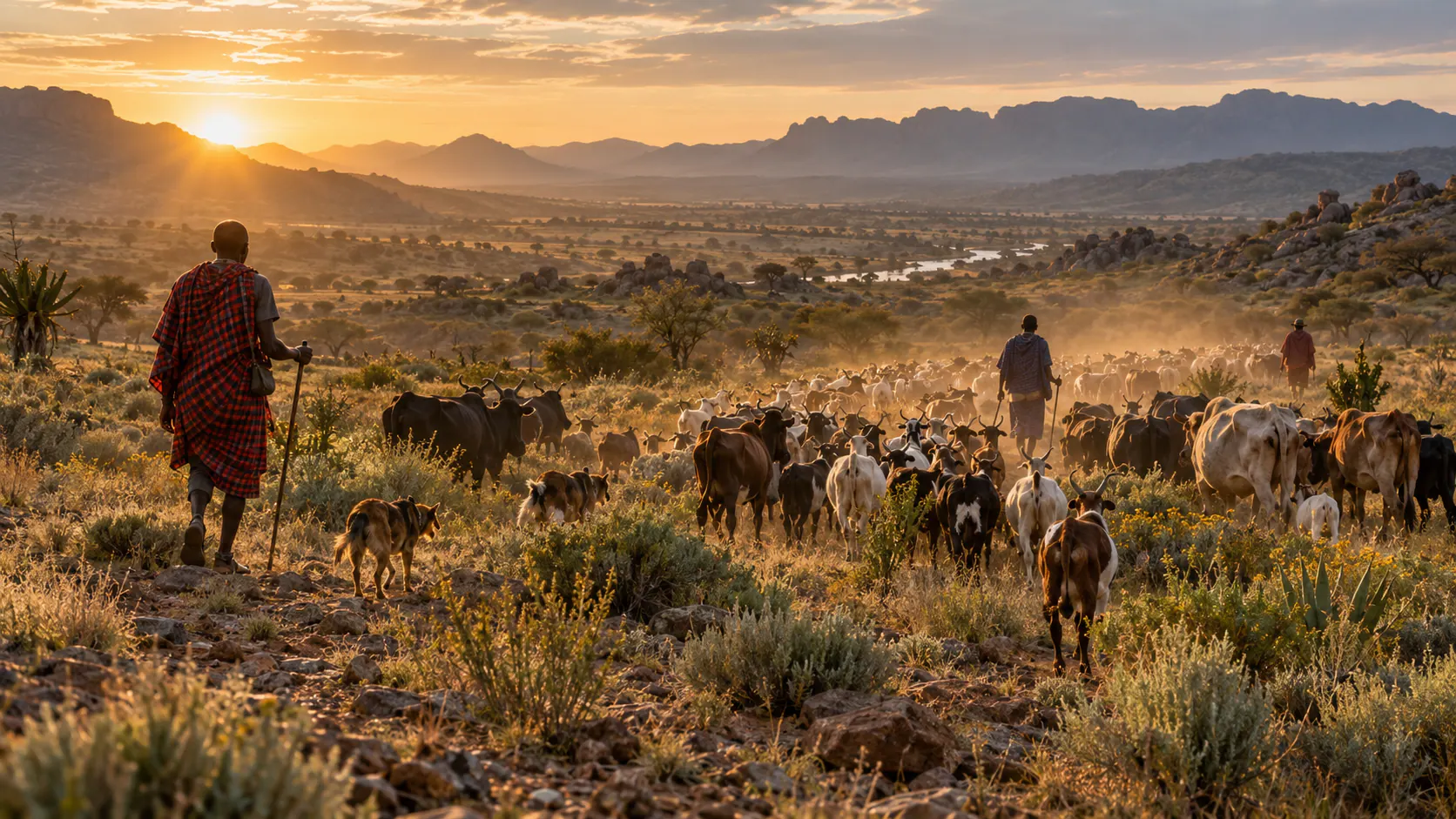
The International Year of Rangelands and Pastoralists highlights ecosystems shaped by mobility. Protecting them requires rights, services and monitoring designed for movement.
Tag: World
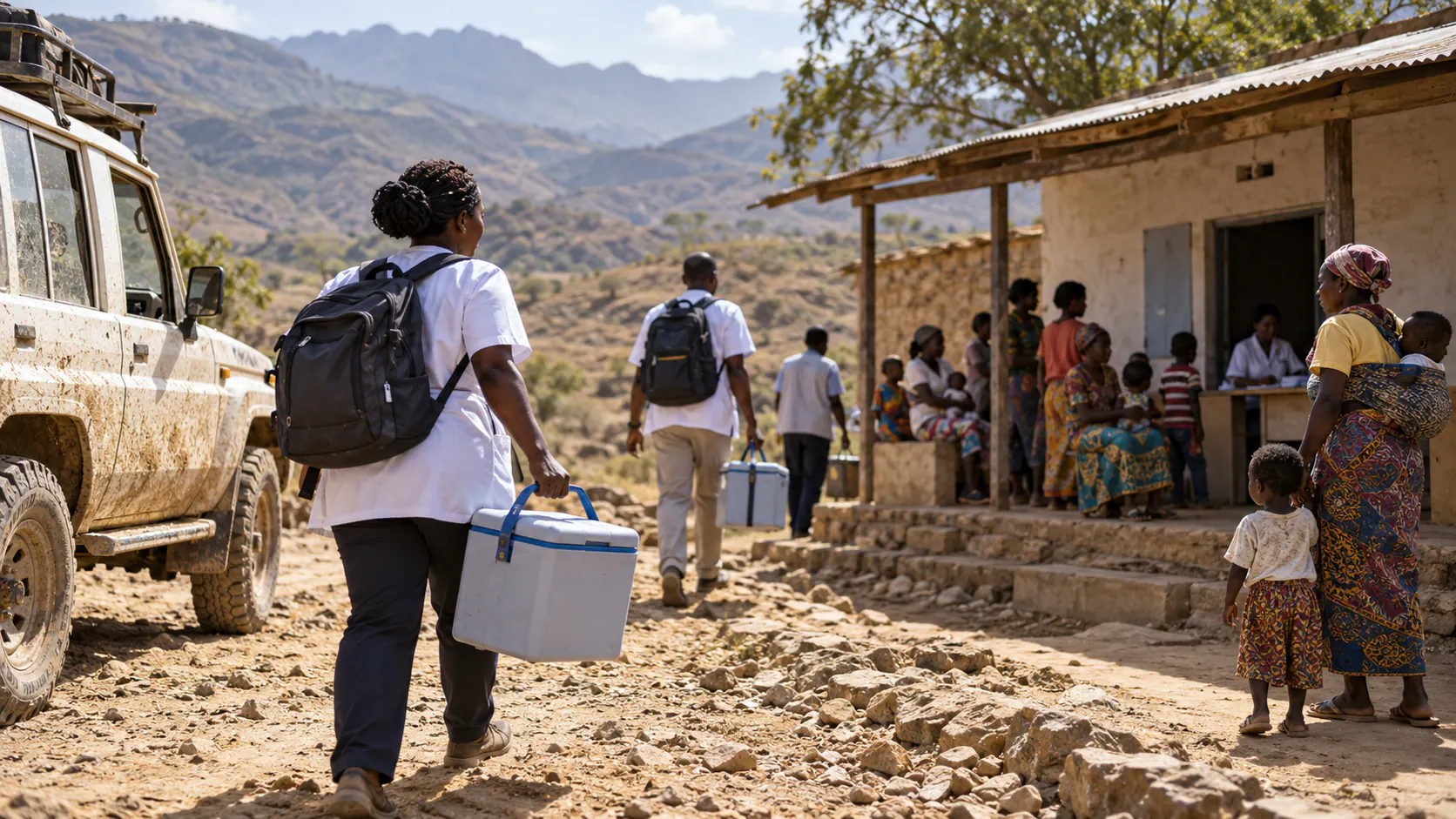
The last unvaccinated child is the most expensive to reach, and the easiest to overlook
WHO’s 2026 health statistics point to immunisation inequality. Closing it requires local trust, reliable cold chains and health systems that can find missed children.
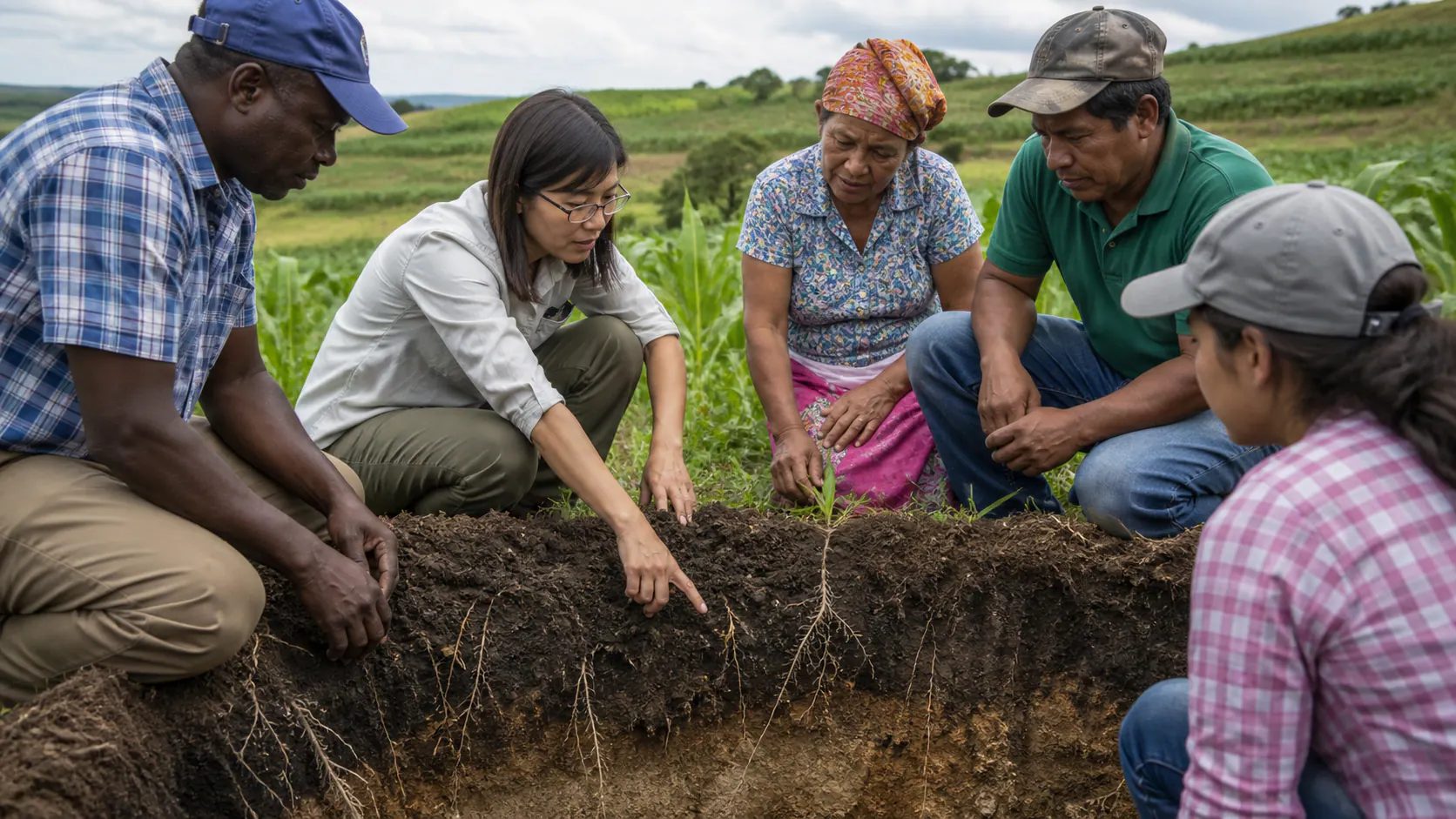
Soil health needs a decade, but farmers need useful measures now
FAO discussions include a proposed UN Decade on Soil Health for 2031–40. Durable progress requires locally meaningful indicators, long-term finance and policies that make stewardship economically possible.

Antibiotic resistance is also a diagnostic access crisis
WHO’s antimicrobial-resistance priorities link prevention, diagnosis, treatment, data and financing. Stewardship cannot succeed when clinicians and patients must make high-stakes decisions without timely tests.
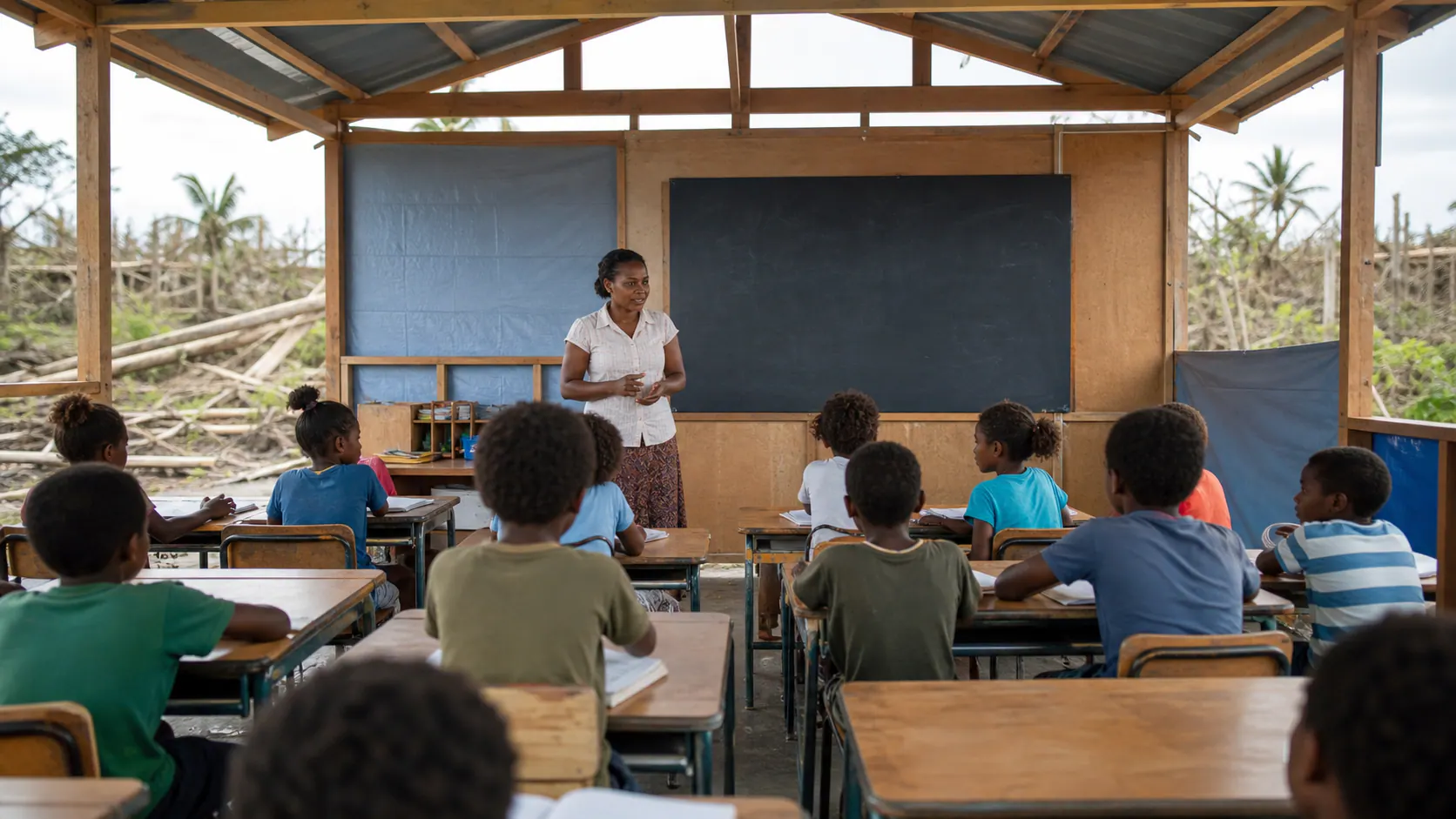
A temporary classroom is not a temporary right
UNESCO says 258 million school-age children face crisis-related education disruption. Continuity requires safe spaces, teachers, records, language support and a funded bridge from emergency lessons to recovery.
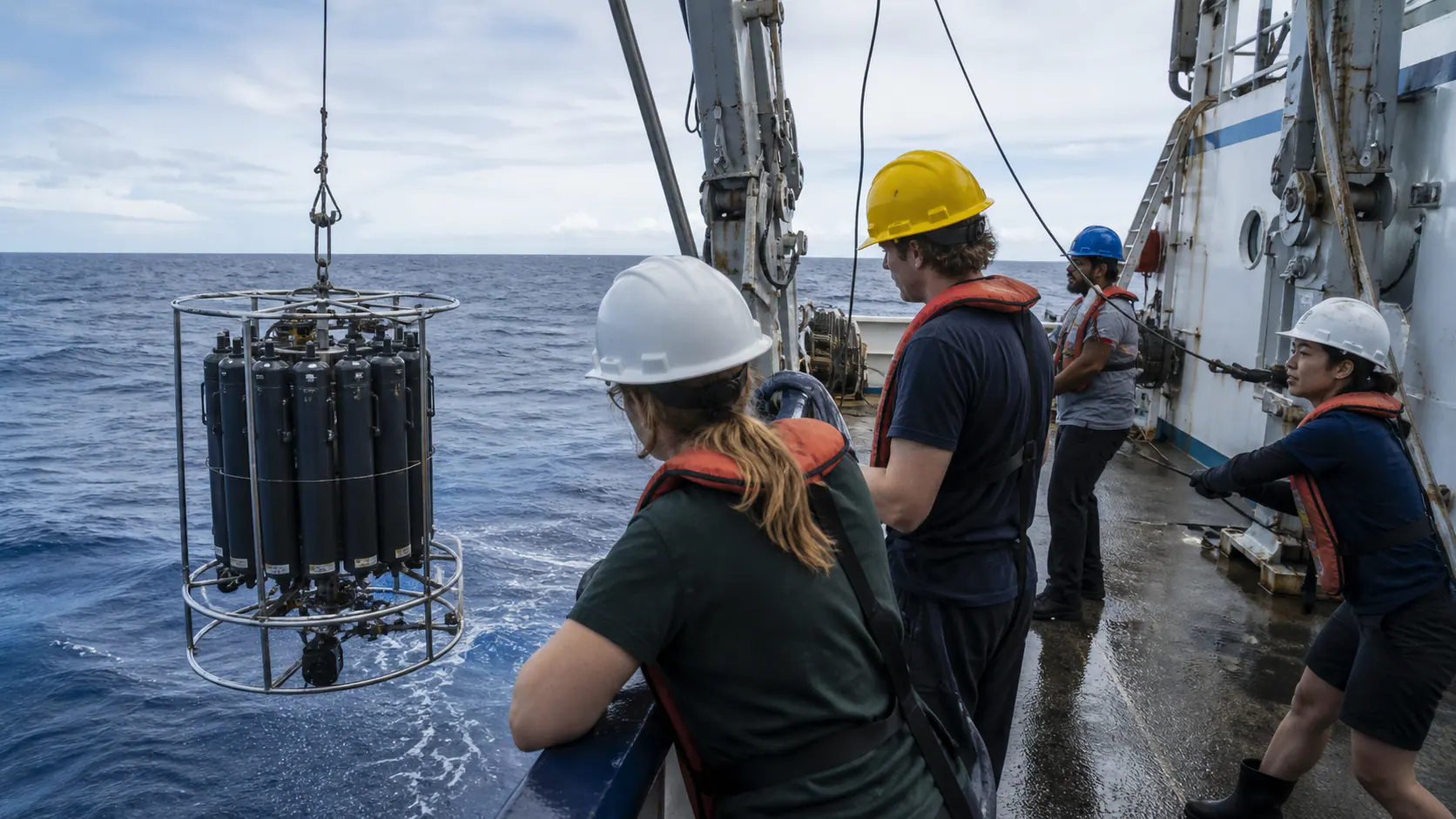
The world cannot govern the ocean with missing observations
UNESCO’s 2026 Global Ocean Science Report maps scientific capacity and investment. Better policy requires sustained observations, shared infrastructure and authority for coastal communities, not occasional expeditions.

The ocean is not silent infrastructure
Commercial shipping adds chronic underwater noise that can interfere with marine life. Voluntary guidance is useful, but progress requires baselines, maintenance, operational choices and measurable targets.
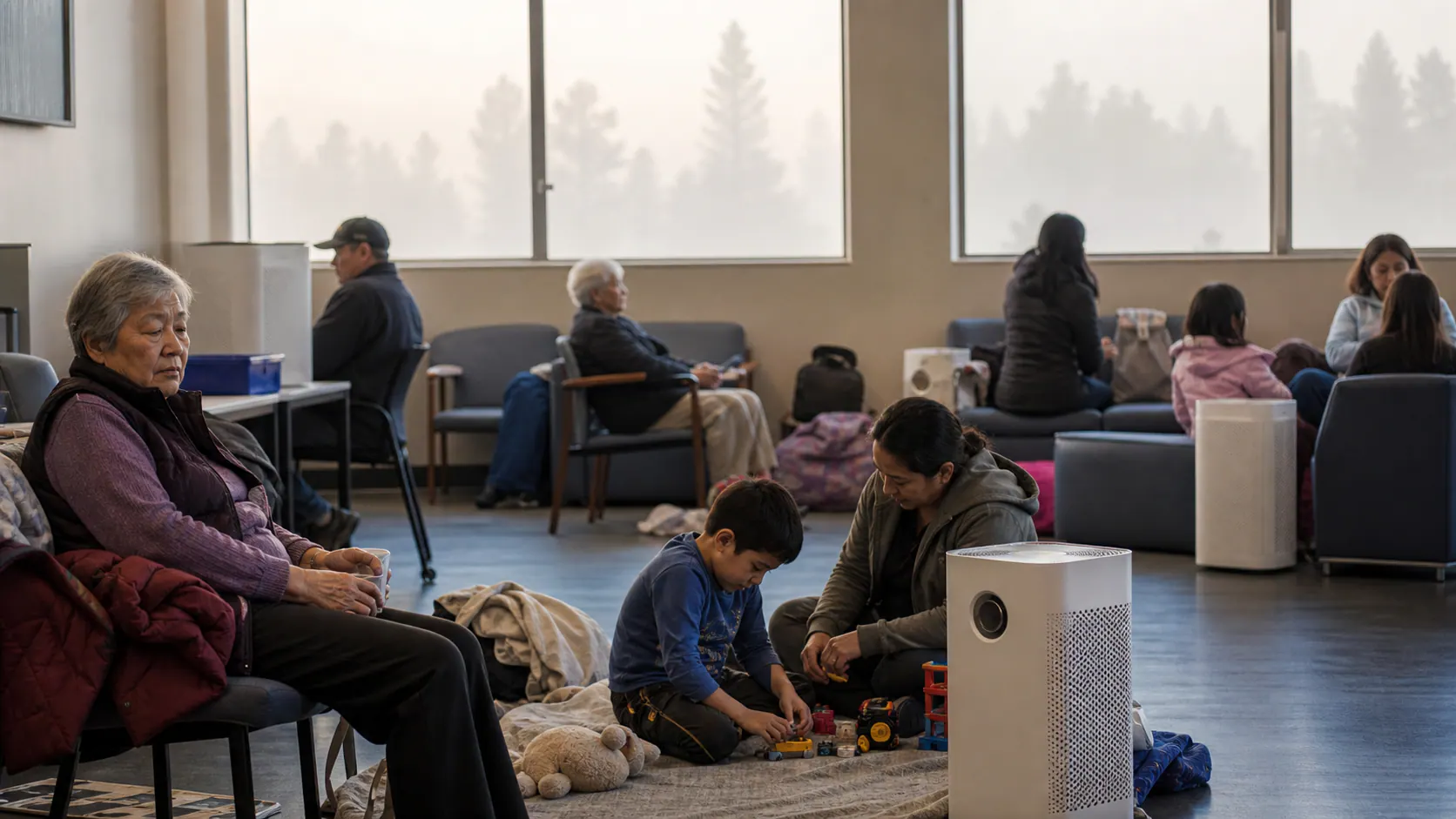
Wildfire smoke preparedness begins indoors
Wildfire smoke can travel far beyond flames. Health protection depends on clean indoor air, worker rules, credible alerts and plans for people who cannot simply stay home.
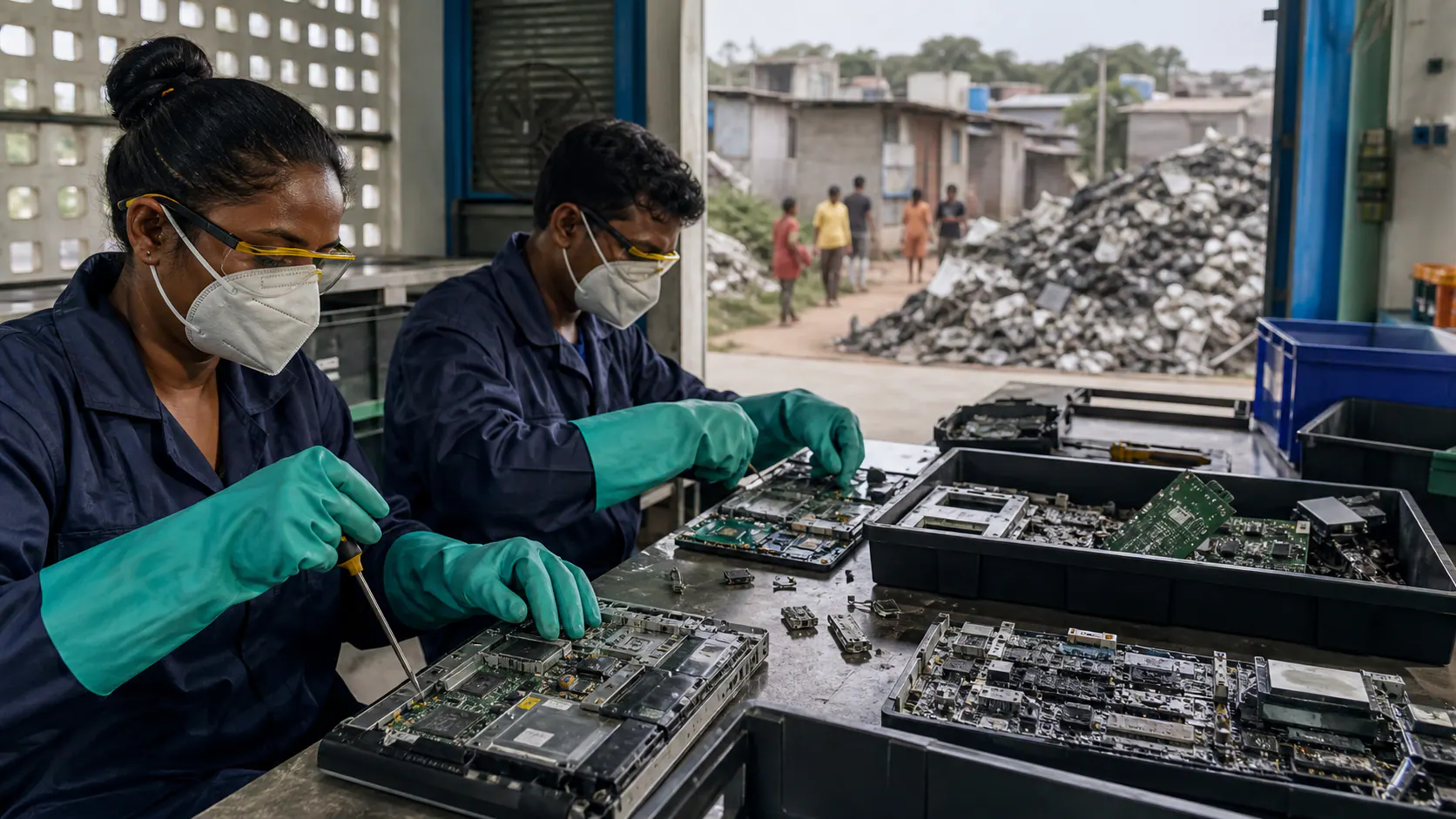
The e-waste economy cannot be called circular while children absorb the toxins
The world generated 62 million tonnes of e-waste in 2022, with only 22.3% documented as formally recycled. A just circular economy must protect informal workers and children, not merely recover valuable metals.

A heat warning is not a heat-health plan
WHO’s 2026 guidance treats extreme heat as a coordinated public-health risk. Forecasts save lives only when cities connect warnings to housing, care, labour rules, cooling access and health surveillance.