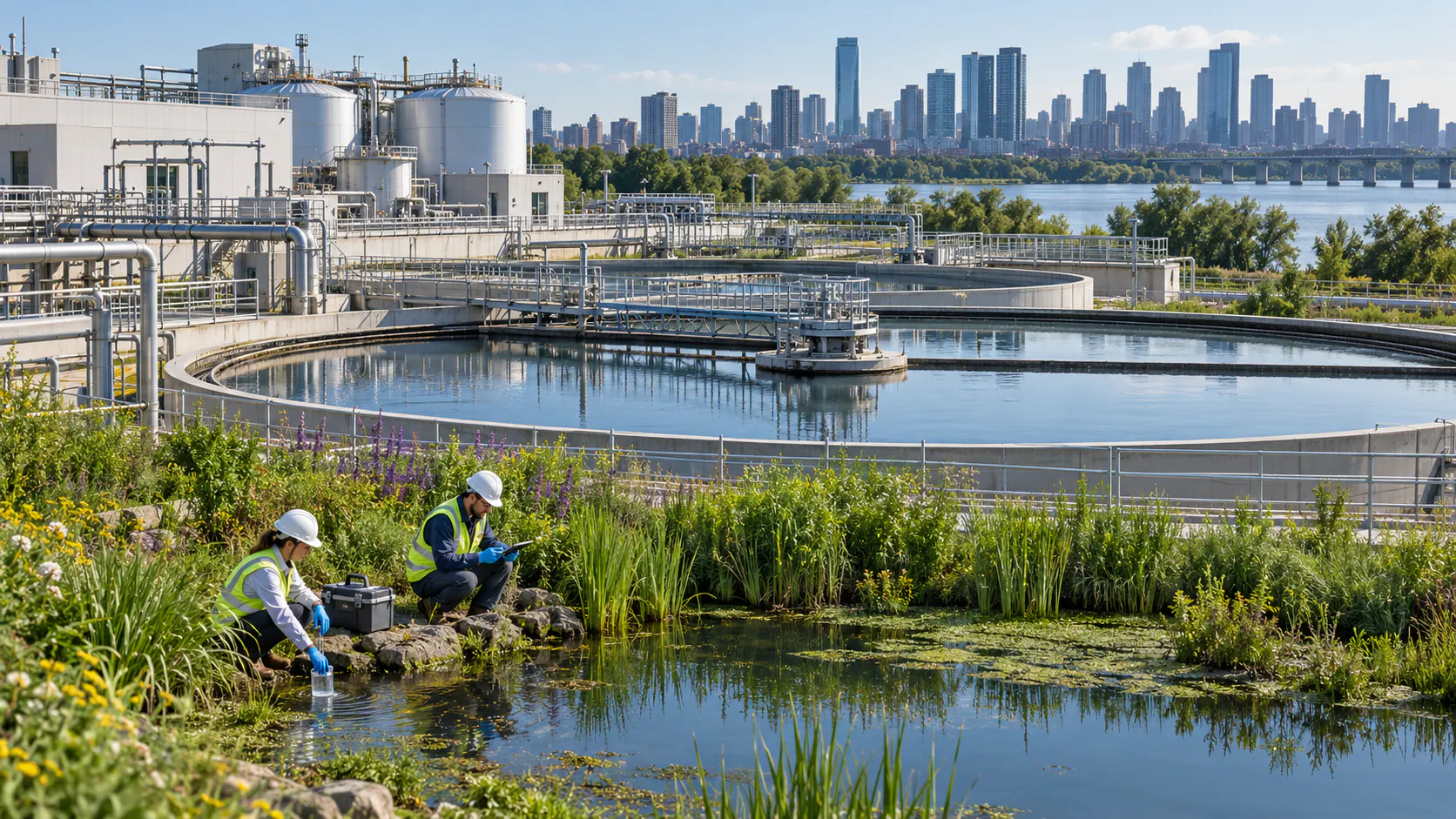
Modern sanitation creates a powerful illusion: water disappears down a drain, carrying waste out of sight. In reality, it enters a chain of sewers, pumps, treatment plants, sludge handling, receiving waters and sometimes reuse. Failure at any point can move pathogens, nutrients, industrial chemicals and plastics into another community or ecosystem.
UN-Water treats water quality and wastewater as a global development issue. The useful policy shift is to stop measuring success only by connections or installed plant capacity. What matters is whether systems reliably collect, treat, monitor and manage residuals under real operating conditions.
Connection is not treatment
A sewer can discharge untreated waste downstream when plants are absent, overloaded or bypassed. Statistics should separate safe conveyance, treatment level and actual compliance.
Plants need operating budgets
New infrastructure attracts capital; electricity, laboratory reagents, skilled operators and spare parts receive less attention. A plant that cannot run continuously is not completed infrastructure.
Industrial discharges change the challenge
Household sewage and industrial effluent require different controls. Pretreatment permits, inspections and pollutant inventories protect municipal plants from loads they were never designed to handle.
Storms expose system limits
Combined sewers, infiltration and power failures can produce overflows during heavy rain. Climate planning should include storage, green infrastructure, backup power and transparent incident reporting.
Sludge is part of the balance sheet
Treatment concentrates nutrients, metals, pathogens and microplastics in biosolids. Land application, incineration and disposal each transfer risks. Monitoring must follow the material after it leaves the plant.
Reuse requires trust and fit-for-purpose standards
Recycled water can support irrigation, industry and aquifer recharge, but quality requirements depend on exposure. Clear standards, independent testing and public communication are essential.
Sanitation workers carry hidden risk
Workers face pathogens, confined spaces, toxic gases and informal employment. Safety equipment, training, vaccination and labour protections belong at the centre of sanitation policy.
Publish performance people can use
Utilities should report flows, treatment results, spills, energy use, sludge destinations and corrective action in accessible formats. Wastewater becomes governable when its path remains visible from drain to final destination.