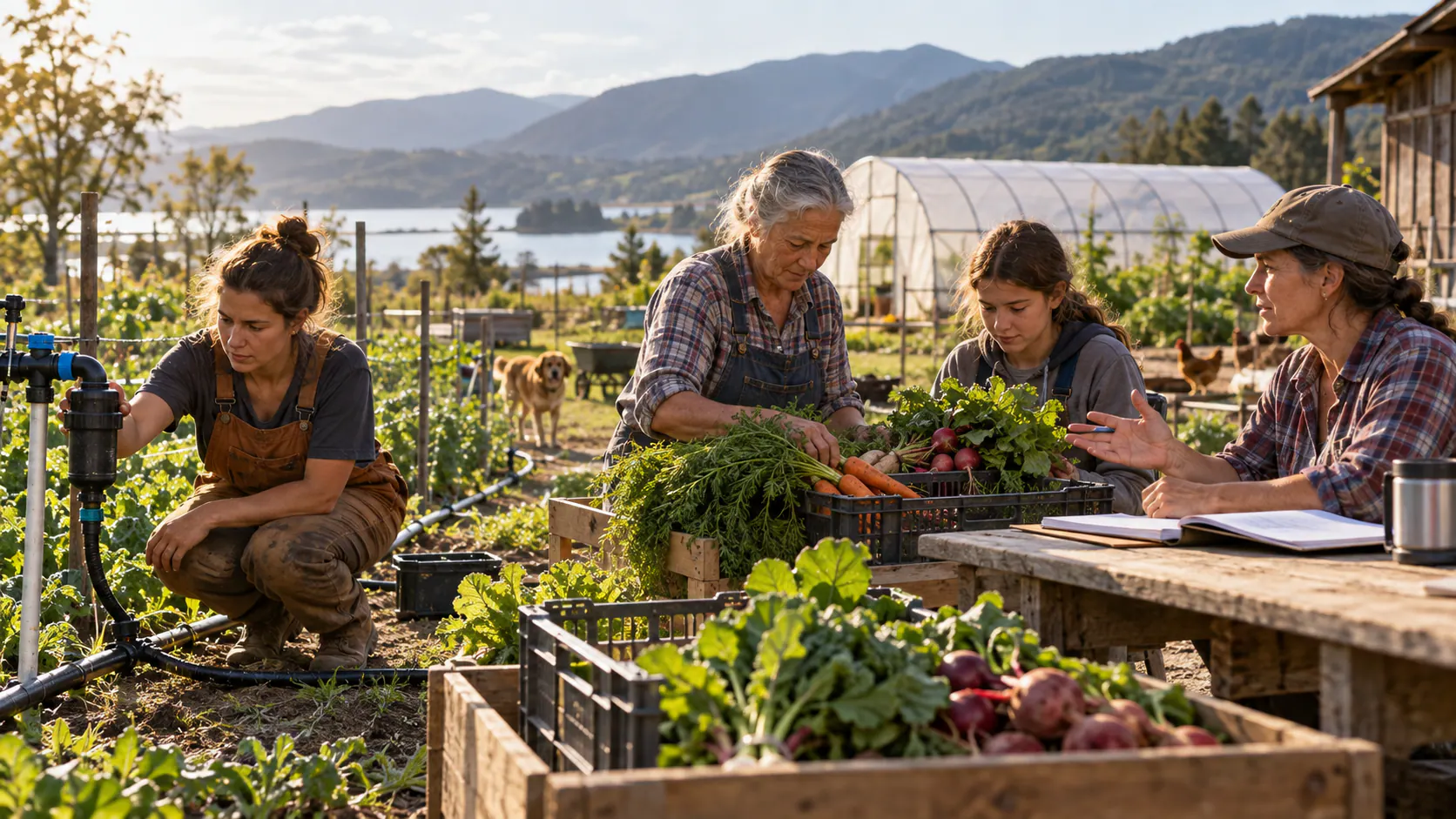
Women work throughout agrifood systems as producers, labourers, fishers, processors, traders, scientists and knowledge holders. Their work is often informal, underpaid or hidden inside family enterprises.
The International Year of the Woman Farmer 2026 creates visibility. Visibility matters, but portraits and awards are not redistribution. The harder agenda concerns land, credit, extension, technology, care work and seats where investment decisions are made.
Land rights are foundational
Training cannot compensate for insecure tenure. Joint titling, inheritance rights and accessible dispute resolution shape whether women can invest and borrow.
Finance must fit real enterprises
Collateral rules and account design often assume male ownership or formal payrolls. Savings groups, guarantees and cash-flow lending can widen access without predatory debt.
Extension should reach women
Timing, location, language and childcare determine who attends. Female advisers and farmer-led demonstration can improve relevance and trust.
Technology is not neutral
Tools designed around male body size, phone ownership or mobility can exclude. Women should help specify and test equipment and digital services.
Count unpaid work
Water collection, food preparation and care constrain time for farming and leadership. Infrastructure and social protection are agricultural policy too.
Markets need bargaining power
Cooperatives, storage, transport and price information help producers avoid distress sales. Standards should not impose costs that only large farms can absorb.
Measure control, not participation
A project may list women while men control land, revenue and decisions. Indicators should ask who owns assets and chooses how income is used.
Beyond the international year
Success in 2027 will look like budgets, laws, services and organisations that remain. Recognition should open the door; institutional power must walk through it.