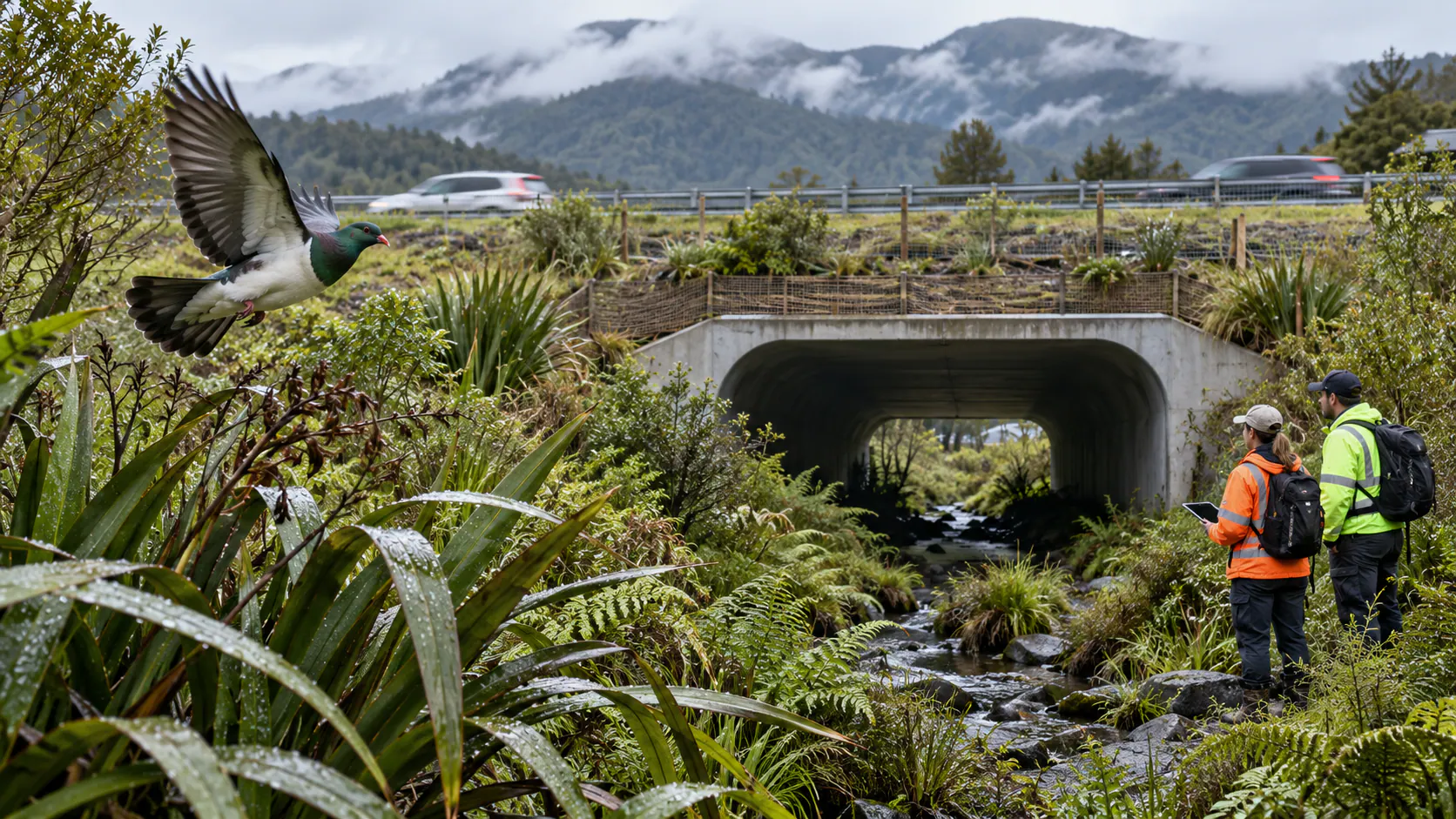
NZTA’s biodiversity policy asks transport projects to protect ecological health and connectivity. The difficult work begins at culverts, verges, maintenance contracts and old roads.
Author: 全搜索深度调查记者Josh
Josh 负责新西兰、中国及国际议题的英文深度报道与解释性写作,关注政策、社会影响和公开数据,并尽量以原始文件及多来源交叉核查为基础。

New Zealand’s climate report is not a forecast. It is an account of change already underway
The 2026 atmosphere and climate report assembles evidence across heat, oceans, emissions and exposure. Its value lies in connecting national trends to decisions made now.
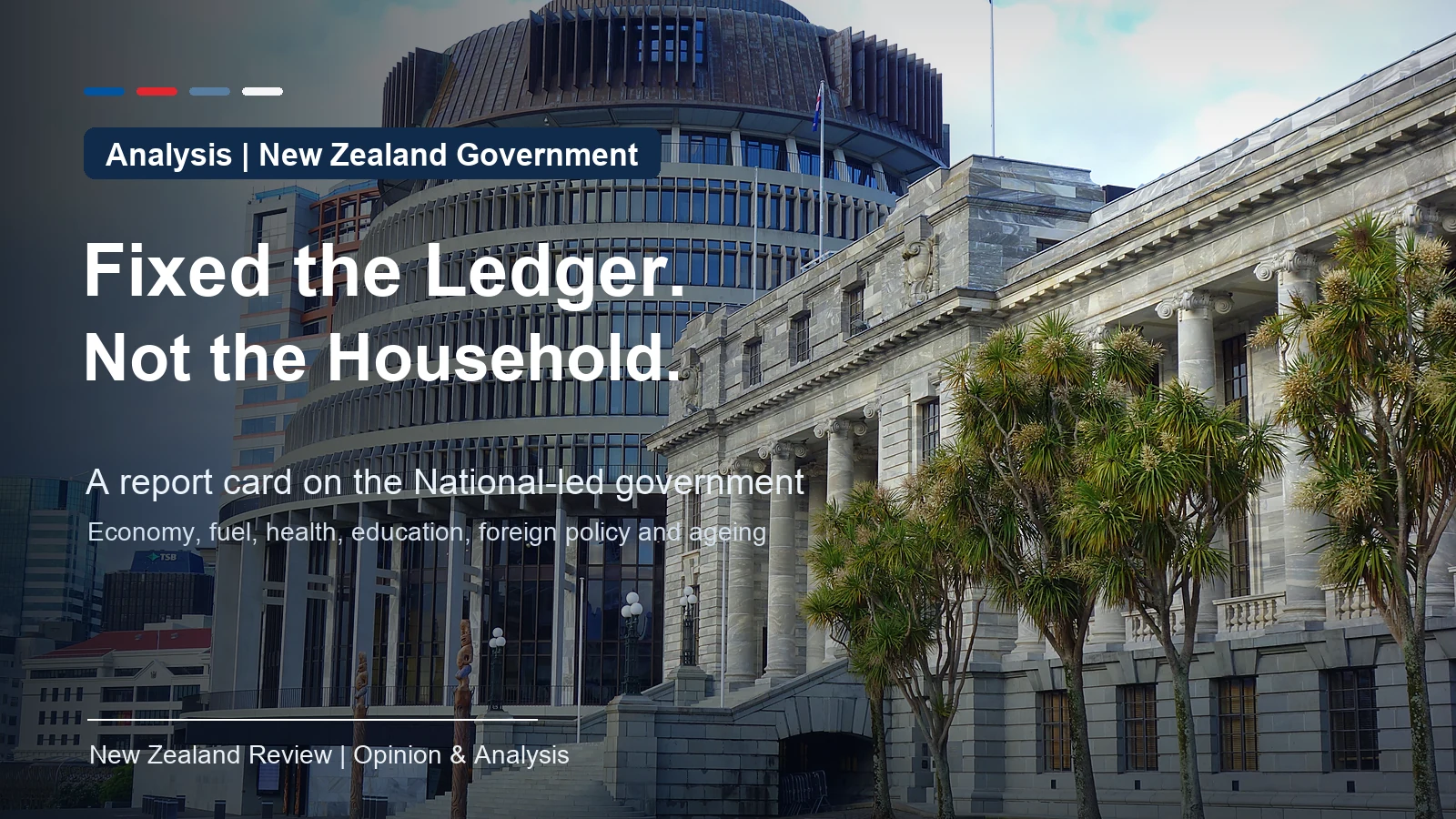
Grade C-minus: New Zealand’s National-Led Government Has Fixed the Ledger. It Hasn’t Fixed the Household.
Nearly three years into office, New Zealand’s National-led coalition can claim progress on fiscal discipline, emergency housing, school attendance and parts of health delivery. But weak growth, rising unemployment, fuel-driven inflation…

New Zealand’s Fuel Price Crisis: Record Pump Prices Need a Stronger Government Response
New Zealand’s record fuel prices are no longer just a petrol-station problem. They are becoming a food, freight, business and cost-of-living crisis – and the Government’s response is still too narrow.

Responsible lending reform should reduce paperwork, not responsibility
New Zealand’s 2026 credit reforms seek a more proportionate regime. Simplification is defensible only if lenders still test suitability, disclose clearly and detect harm before arrears become a crisis.

Soil health needs a decade, but farmers need useful measures now
FAO discussions include a proposed UN Decade on Soil Health for 2031–40. Durable progress requires locally meaningful indicators, long-term finance and policies that make stewardship economically possible.

Antibiotic resistance is also a diagnostic access crisis
WHO’s antimicrobial-resistance priorities link prevention, diagnosis, treatment, data and financing. Stewardship cannot succeed when clinicians and patients must make high-stakes decisions without timely tests.

China’s elder-care subsidy will be tested at the front door
China is extending care-consumption subsidies for moderately and severely disabled older people. Access depends on fair assessment, qualified home care, transparent pricing and support for families navigating the system.
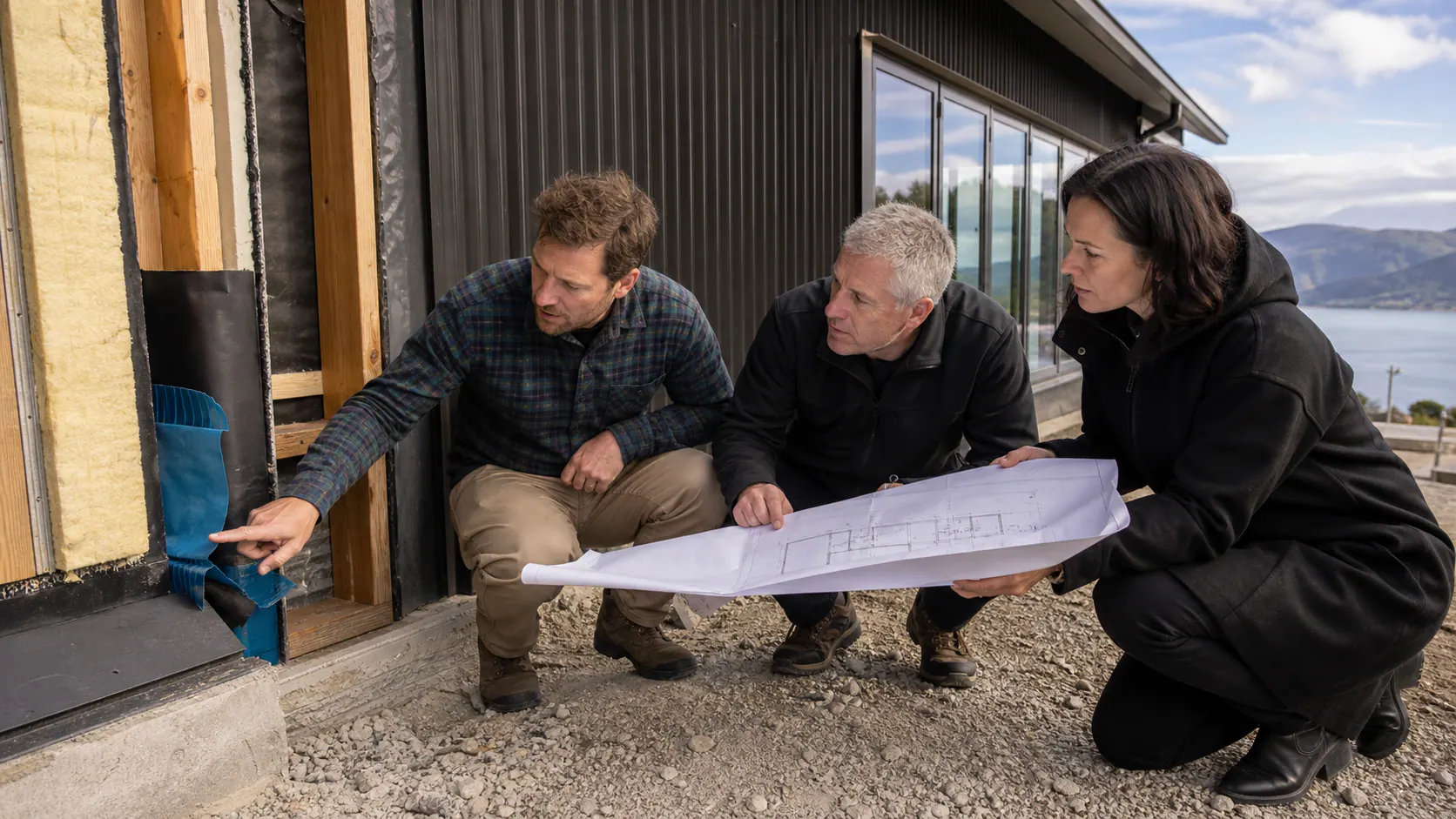
Proportionate liability changes who is left carrying a building failure
New Zealand’s Building Amendment Bill proposes proportionate liability, mandatory warranties and professional insurance. Faster building matters, but reform must answer what happens when a responsible party disappears.
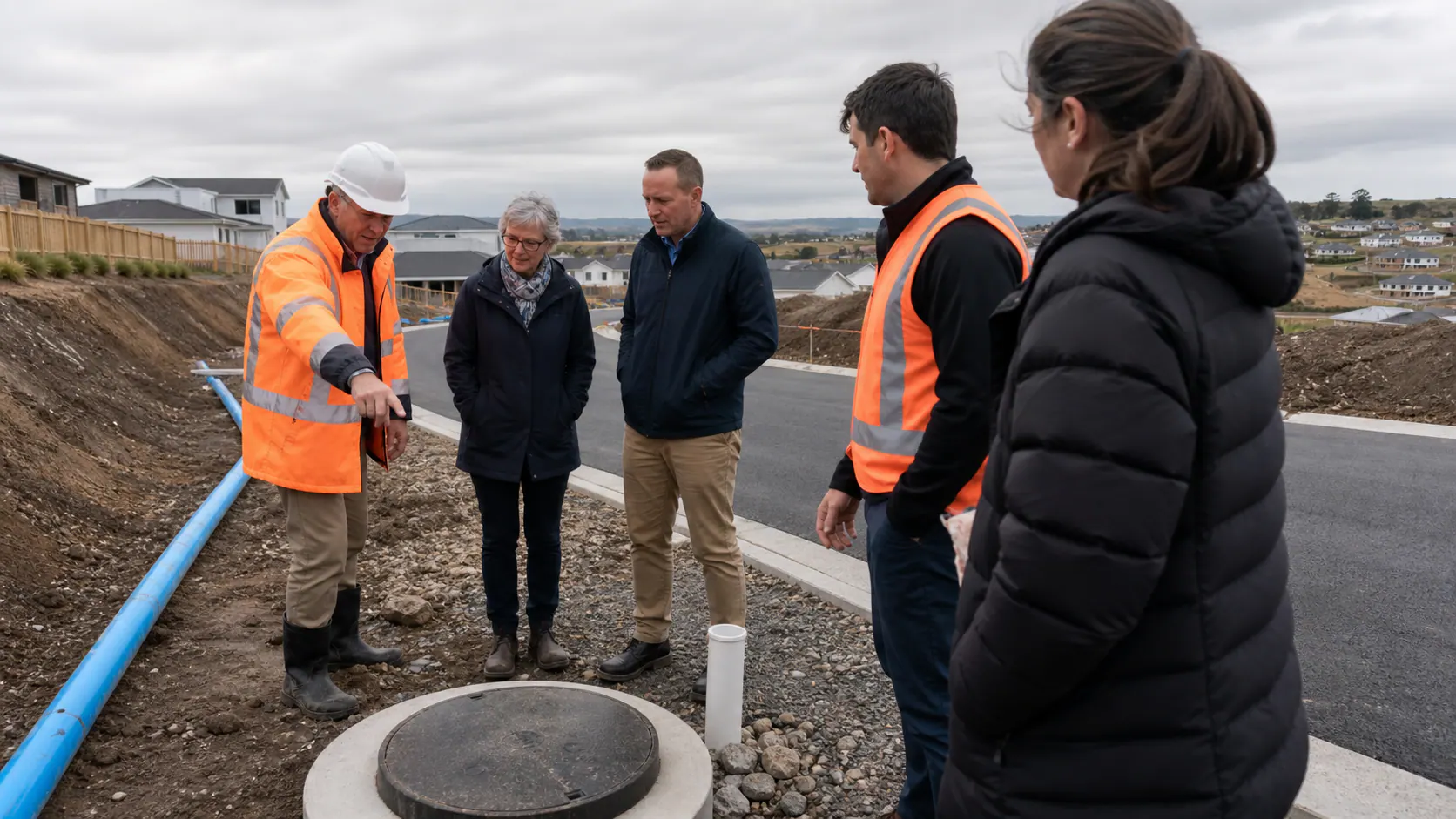
New infrastructure levies move debt off council books, not out of household budgets
New Zealand is expanding tools that finance growth infrastructure through special vehicles and property levies. The model can unlock housing, but disclosure, affordability and long-term accountability must follow the charge.