
New Zealand’s amended health law requires six targets in the Government Policy Statement. Targets can focus effort, but narrow numbers must not displace quality, equity and the patients who are hardest to count.
Author: 全搜索深度调查记者Josh
Josh 负责新西兰、中国及国际议题的英文深度报道与解释性写作,关注政策、社会影响和公开数据,并尽量以原始文件及多来源交叉核查为基础。
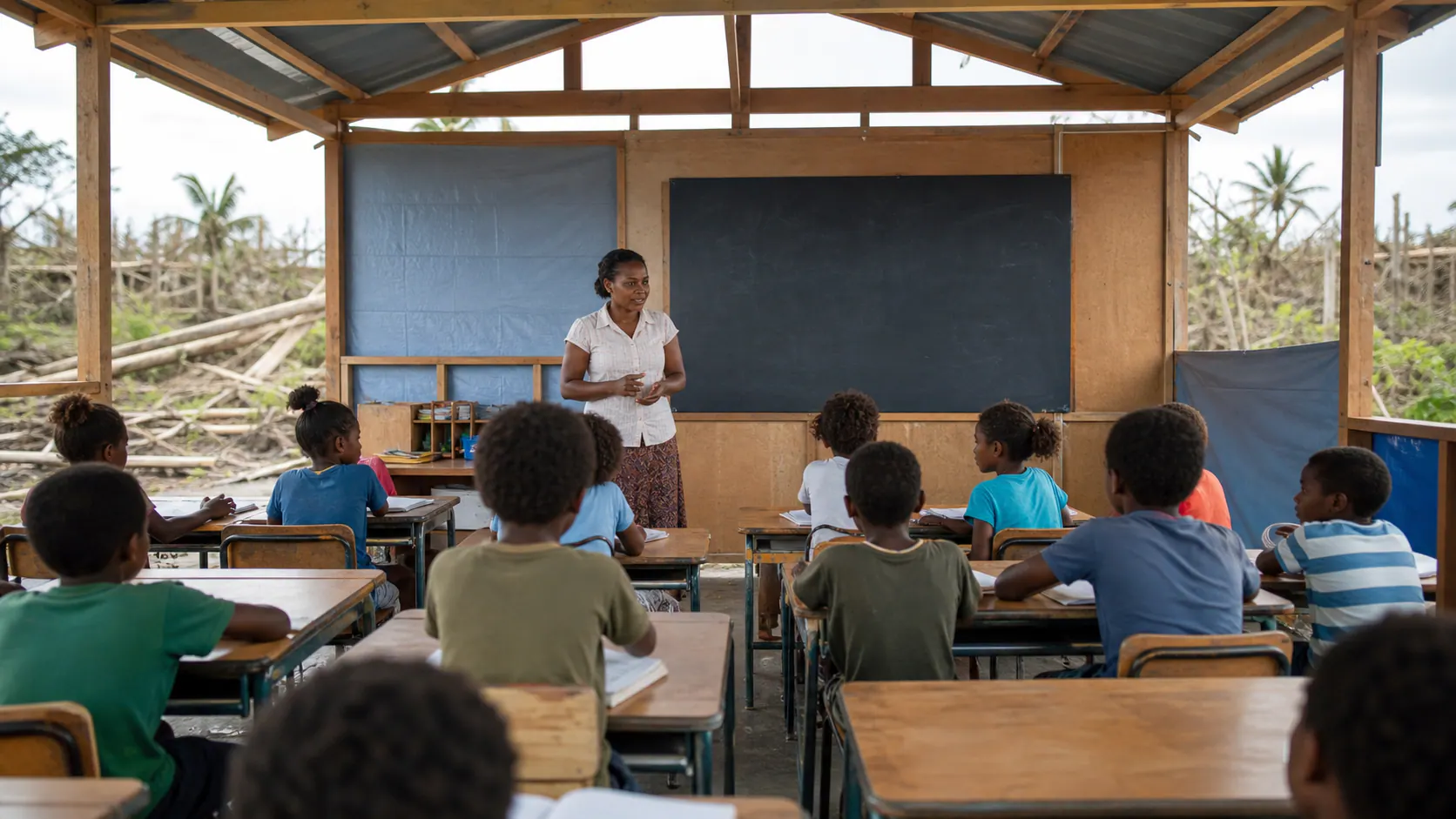
A temporary classroom is not a temporary right
UNESCO says 258 million school-age children face crisis-related education disruption. Continuity requires safe spaces, teachers, records, language support and a funded bridge from emergency lessons to recovery.
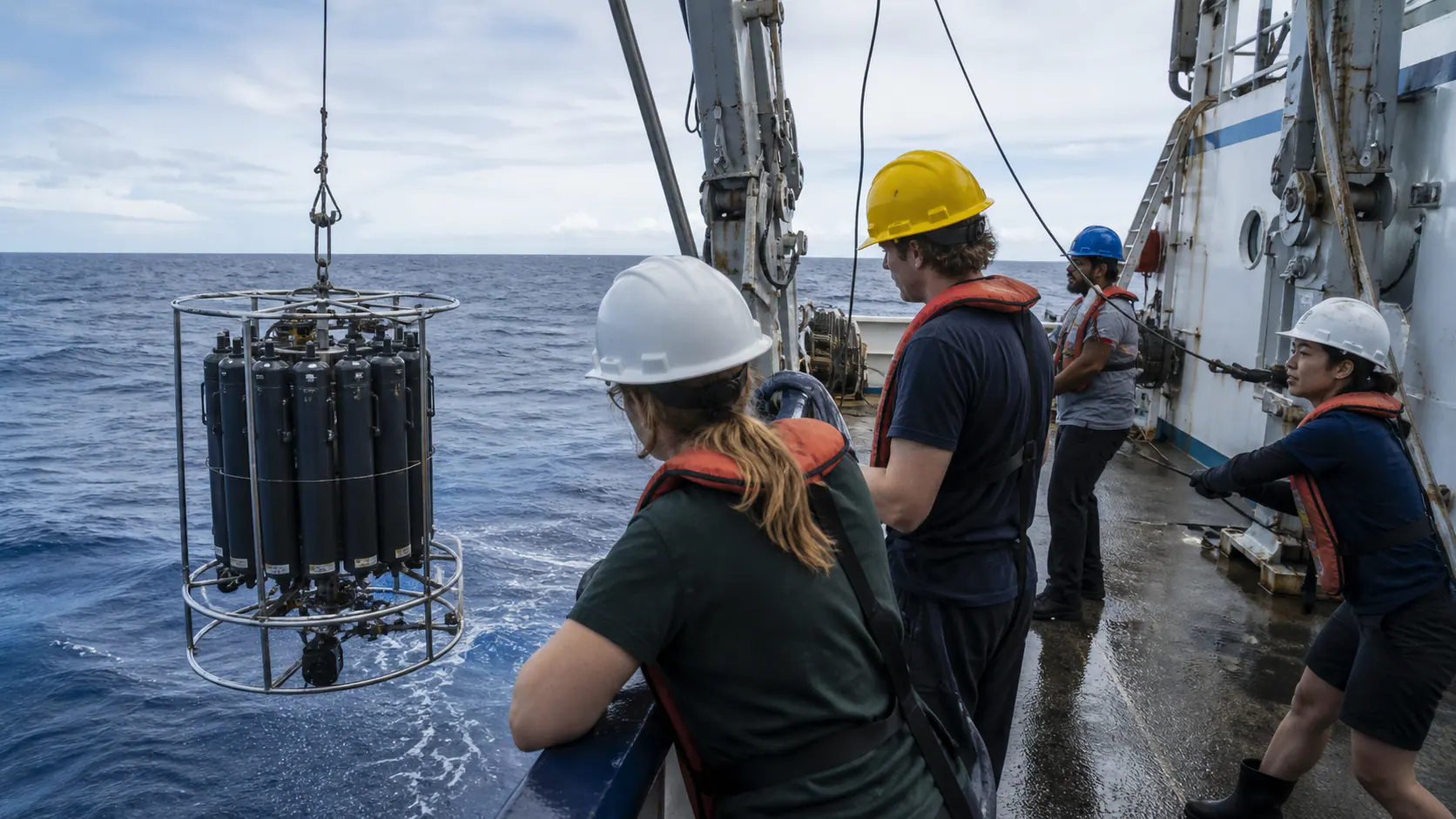
The world cannot govern the ocean with missing observations
UNESCO’s 2026 Global Ocean Science Report maps scientific capacity and investment. Better policy requires sustained observations, shared infrastructure and authority for coastal communities, not occasional expeditions.

China’s digital services are getting an age-friendly test
China’s 2026 Digital Age-Friendly China campaign promotes accessible products and guidance. Real inclusion depends on task completion, offline alternatives, fraud protection and design with older users.
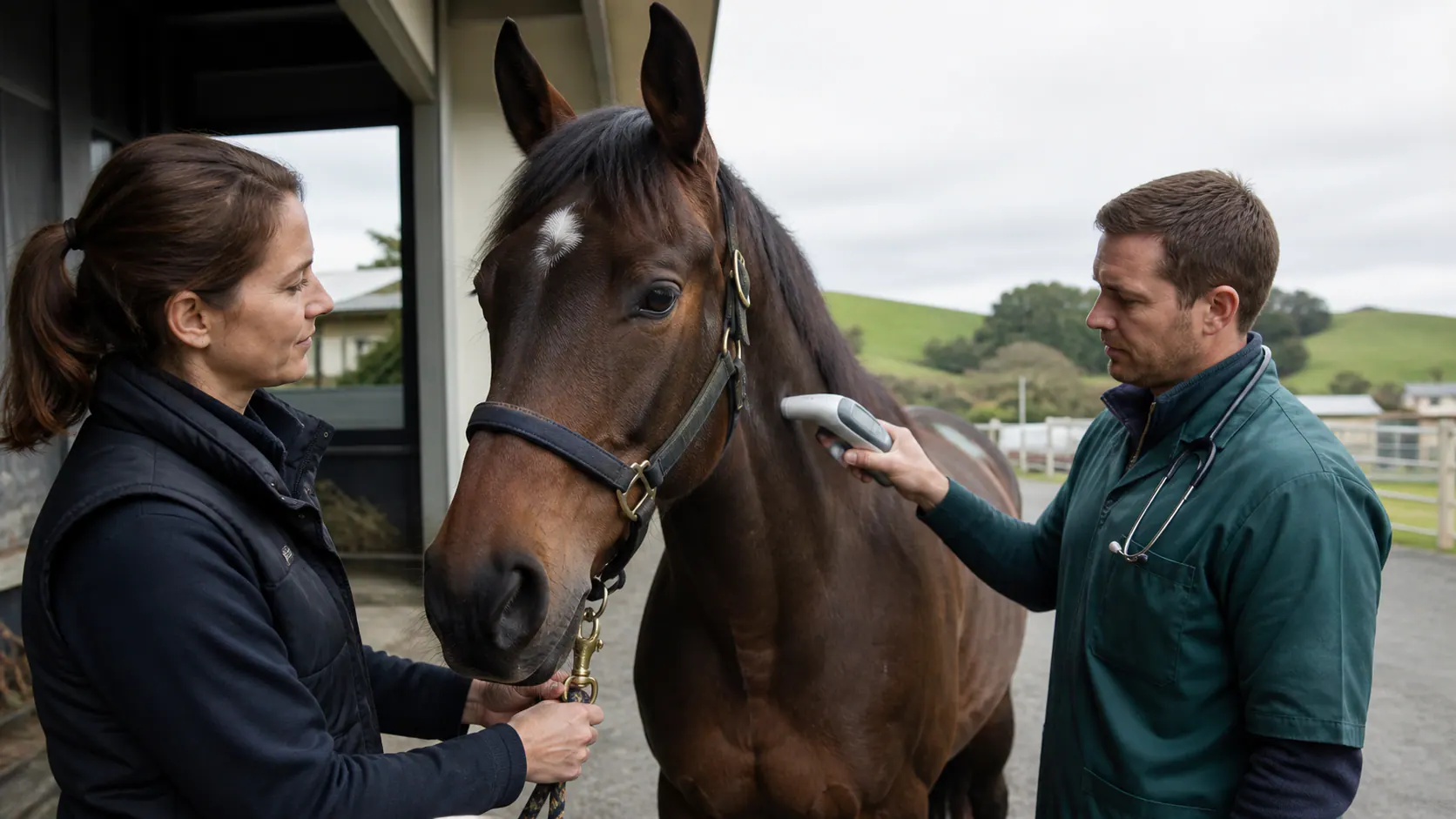
Horse traceability is not paperwork for its own sake
New Zealand has consulted on better horse identification and traceability. A useful system must be fast during disease events, workable for ordinary owners and honest about privacy, cost and compliance.
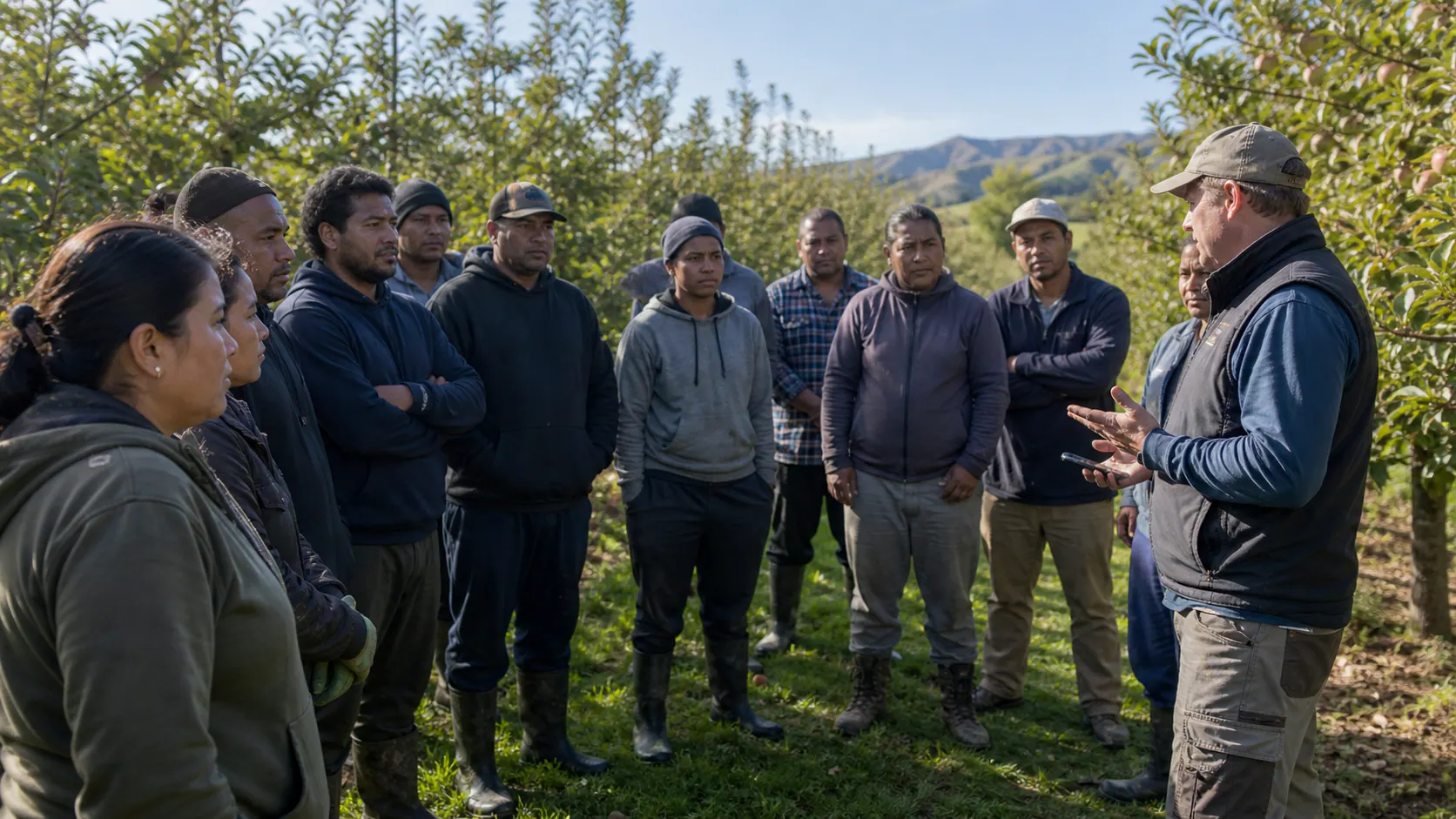
New Zealand’s RSE reform will be judged in the room after work
The modernised RSE scheme promises clearer rules and worker protections. Its credibility depends on deductions, housing, transport, complaints and the power workers have after the orchard gate closes.

Monthly CPI will improve New Zealand’s eyesight, but frequency is not certainty
Monthly inflation data from 2027 should improve New Zealand’s economic picture. The gain will be squandered if politics and markets treat every monthly movement as a definitive change in direction.

The ocean is not silent infrastructure
Commercial shipping adds chronic underwater noise that can interfere with marine life. Voluntary guidance is useful, but progress requires baselines, maintenance, operational choices and measurable targets.
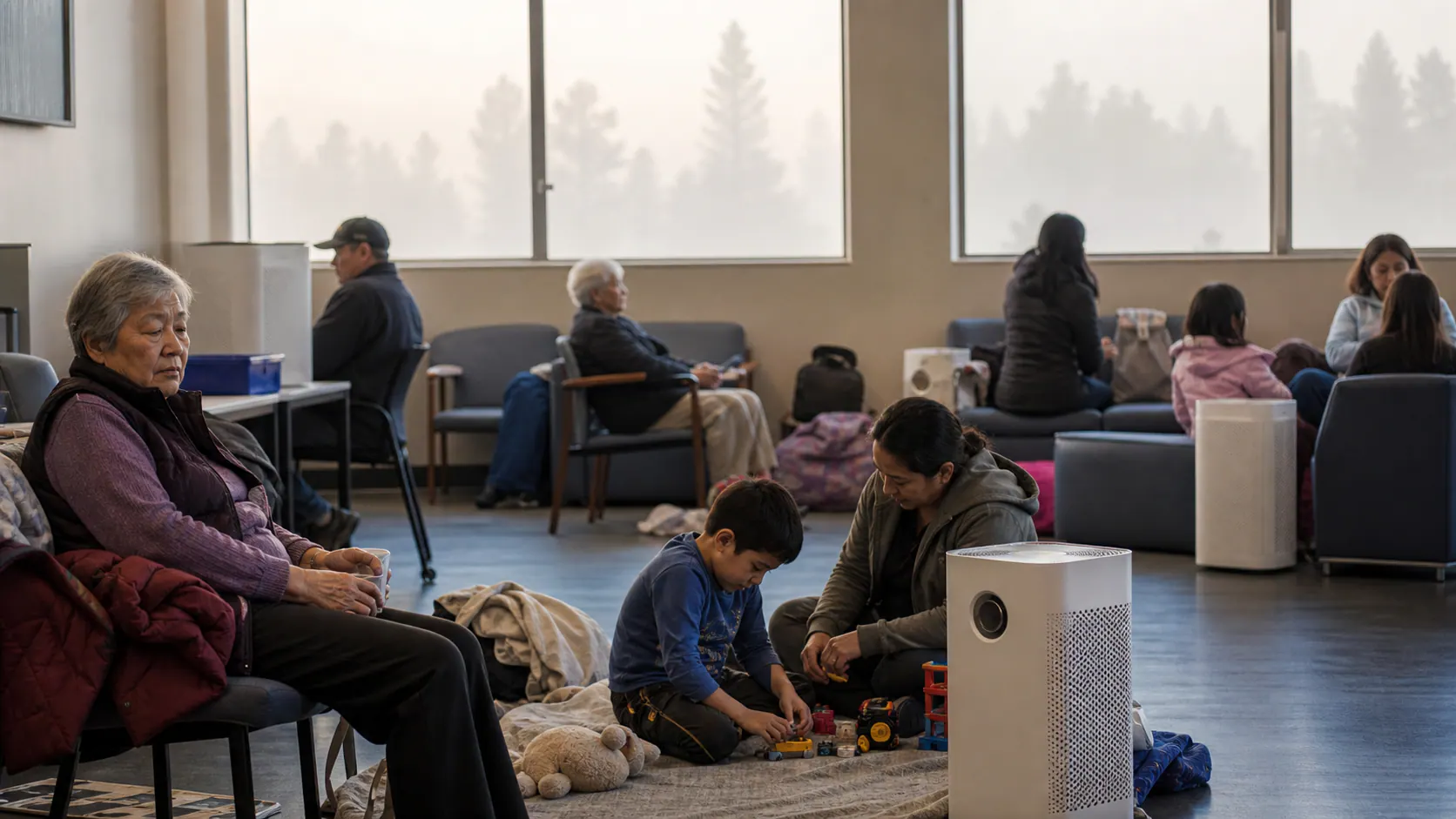
Wildfire smoke preparedness begins indoors
Wildfire smoke can travel far beyond flames. Health protection depends on clean indoor air, worker rules, credible alerts and plans for people who cannot simply stay home.
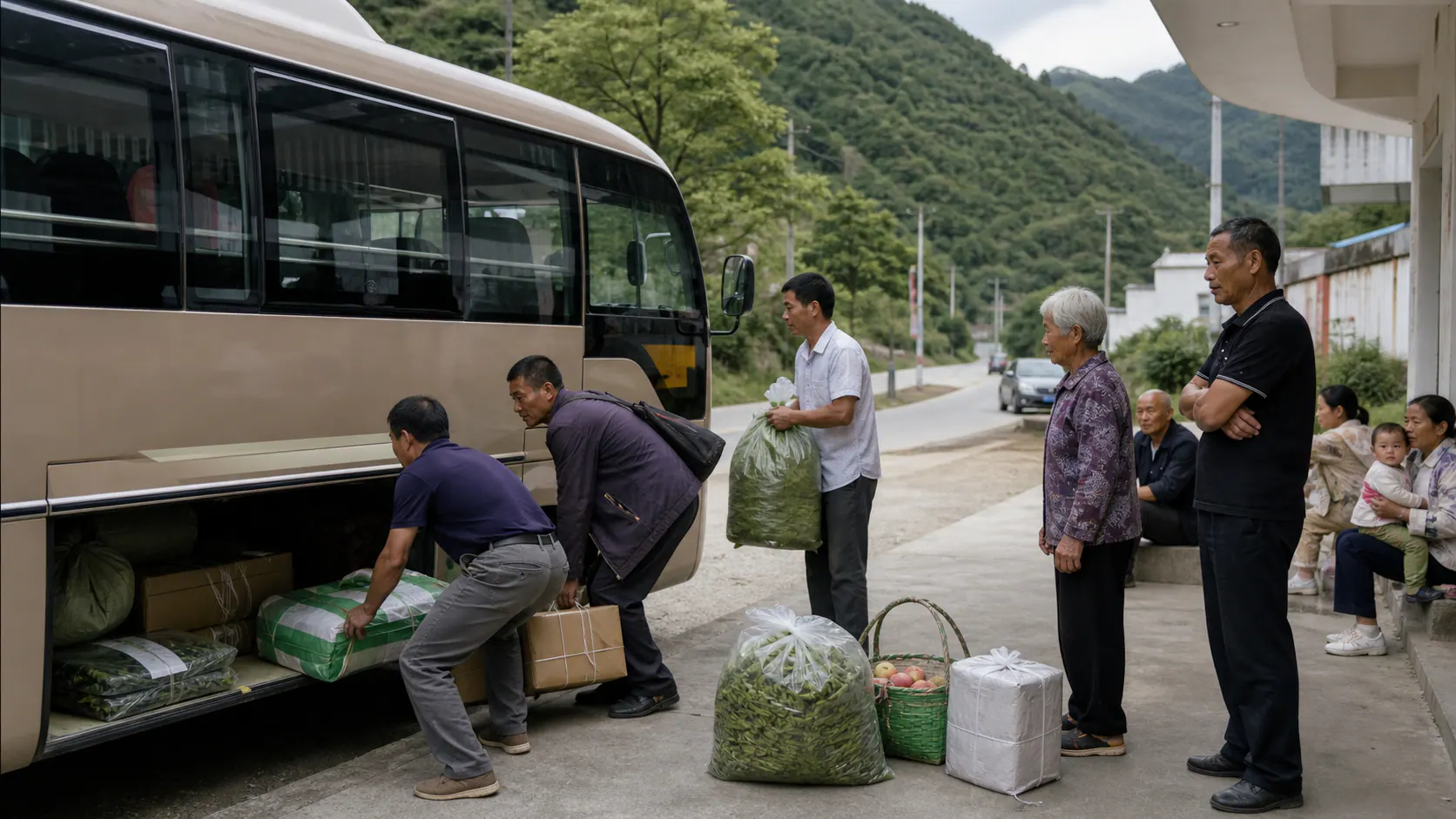
China’s rural buses are being asked to carry parcels too
China’s 2026–28 rural passenger-freight-mail plan aims to combine buses, parcels and postal services. Integration can preserve routes and improve access, but only if time, liability and last-mile labour are funded.