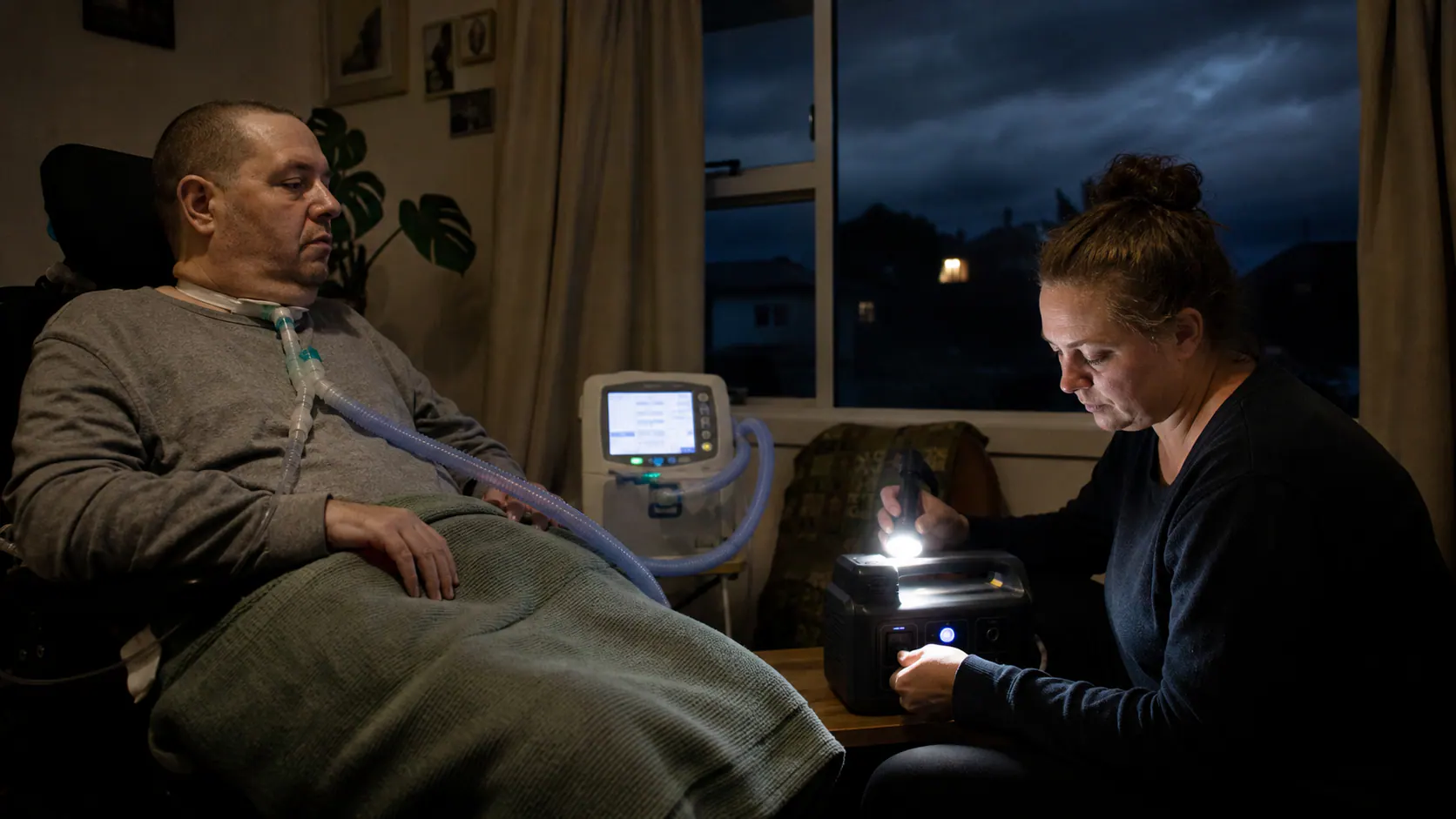
New Zealand protects registered medically dependent consumers from disconnection, but storms and network failures still happen. Real safety requires a tested chain from household backup to health and electricity services.
Author: 全搜索深度调查记者Josh
Josh 负责新西兰、中国及国际议题的英文深度报道与解释性写作,关注政策、社会影响和公开数据,并尽量以原始文件及多来源交叉核查为基础。

New Zealand’s new occupation list is economic infrastructure, not clerical housekeeping
A New Zealand-specific occupation classification can make emerging work visible sooner. Its value will depend on transparent updates, usable concordances and honest treatment of work that resists neat boxes.

Cutting Total Mobility support asks disabled New Zealanders to pay more for an incomplete transport system
The Total Mobility subsidy fell from 75% to 65% on 1 July 2026. Treating the change as a fare adjustment ignores that many users have no workable bus, train or walking alternative.
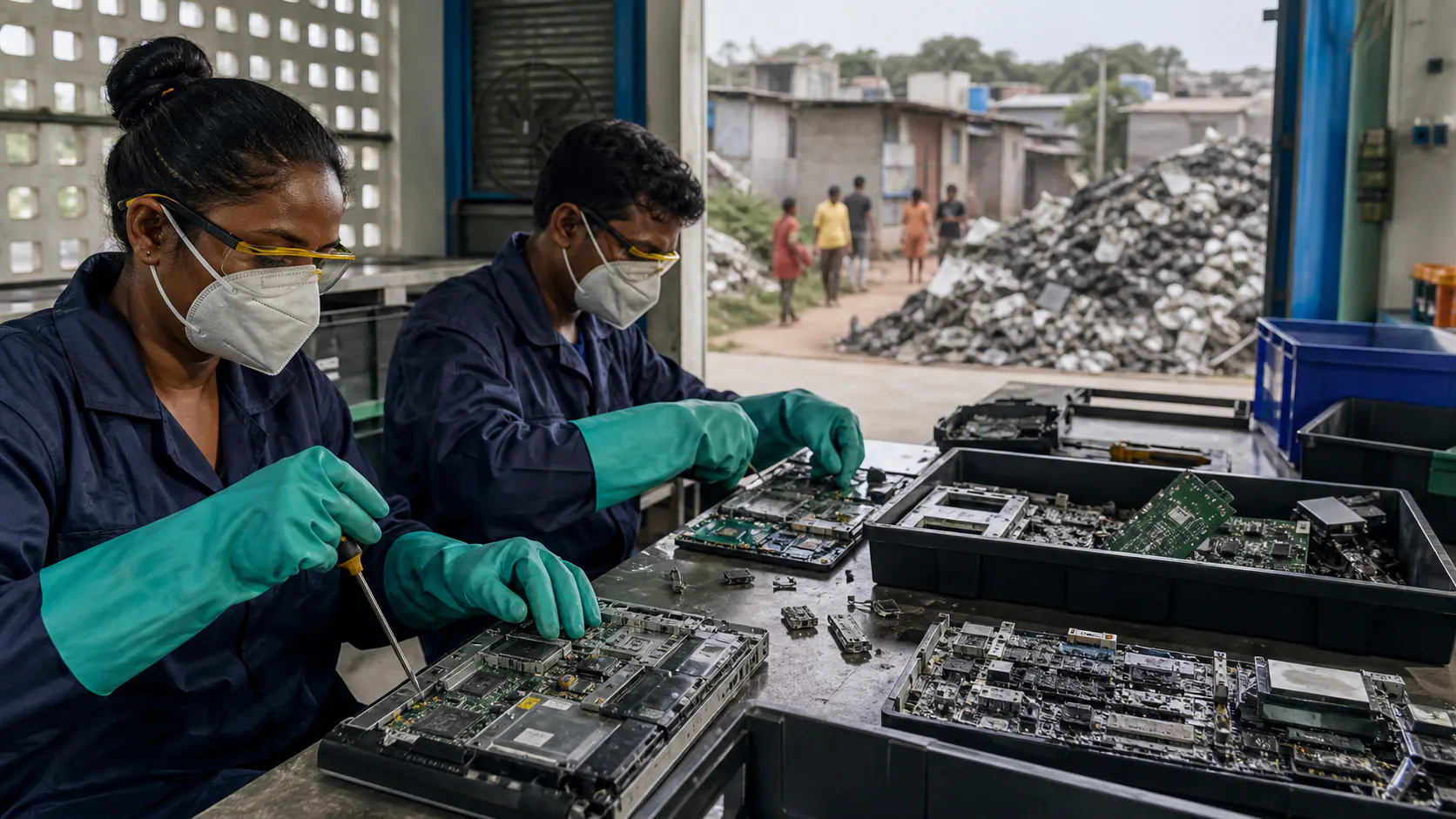
The e-waste economy cannot be called circular while children absorb the toxins
The world generated 62 million tonnes of e-waste in 2022, with only 22.3% documented as formally recycled. A just circular economy must protect informal workers and children, not merely recover valuable metals.

A heat warning is not a heat-health plan
WHO’s 2026 guidance treats extreme heat as a coordinated public-health risk. Forecasts save lives only when cities connect warnings to housing, care, labour rules, cooling access and health surveillance.

China wants to professionalise domestic work. The real test begins inside the home
China’s new domestic-services measures support insurance, standards, training and home-based elder care. Professionalisation will depend on enforceable contracts, portable skills and protection for workers in private households.

New Zealand’s next census will be continuous. Public trust must be continuous too
The next census will combine administrative records with a continuous survey. Fresher statistics could improve planning, but coverage, privacy, small-community detail and transparent quality measures will determine legitimacy.
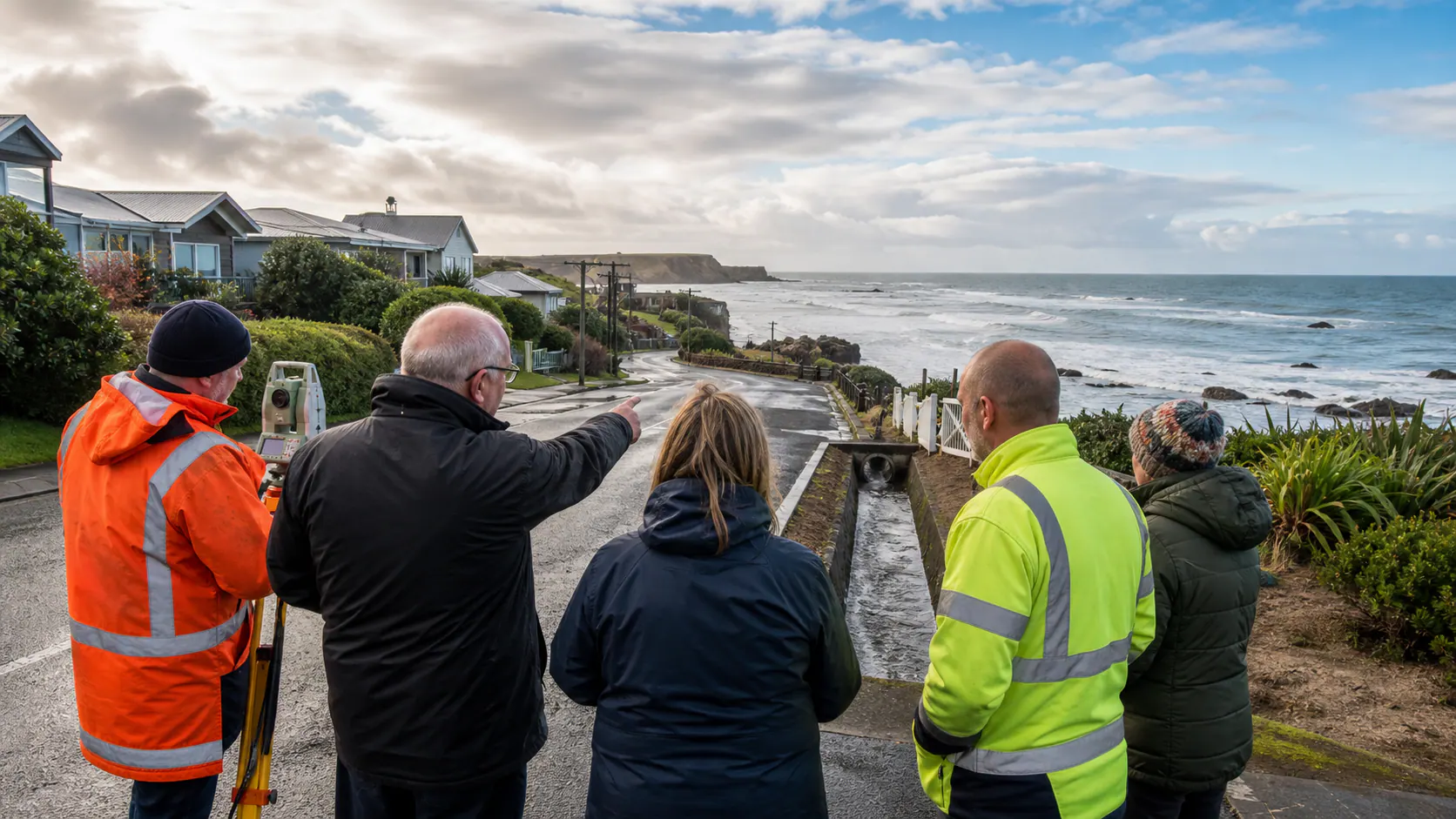
Climate adaptation plans will expose New Zealand’s hardest question: who pays before disaster?
New legislation would require councils to plan for priority climate-risk areas. Maps and plans matter, but durable adaptation depends on transparent cost-sharing before property, insurance and infrastructure decisions harden.
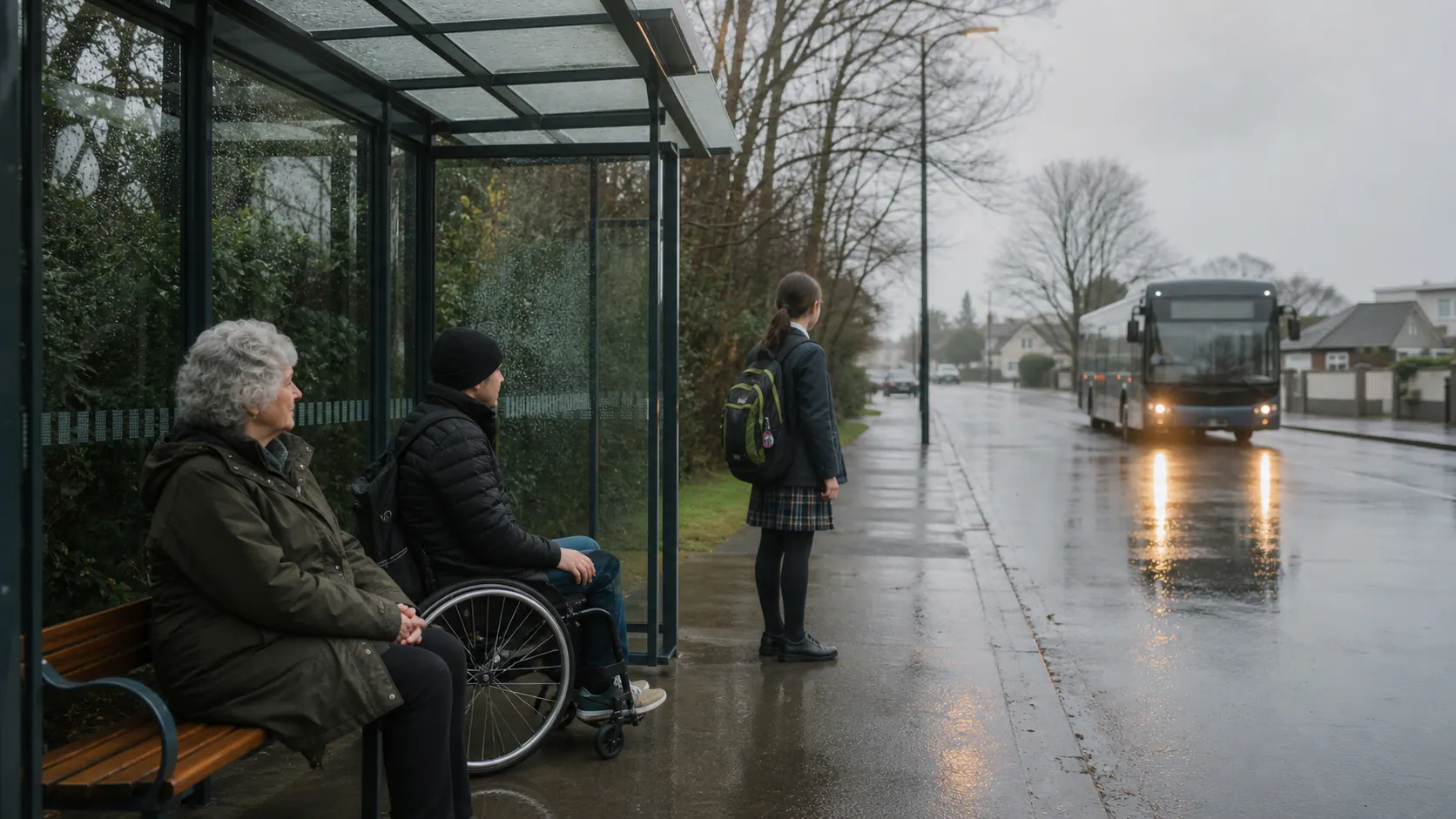
New Zealand should set a minimum standard for waiting at a bus stop
Public transport begins before the bus arrives. Shelter, seating, lighting, accessible kerbs and reliable information should be basic service components, not postcode luck.
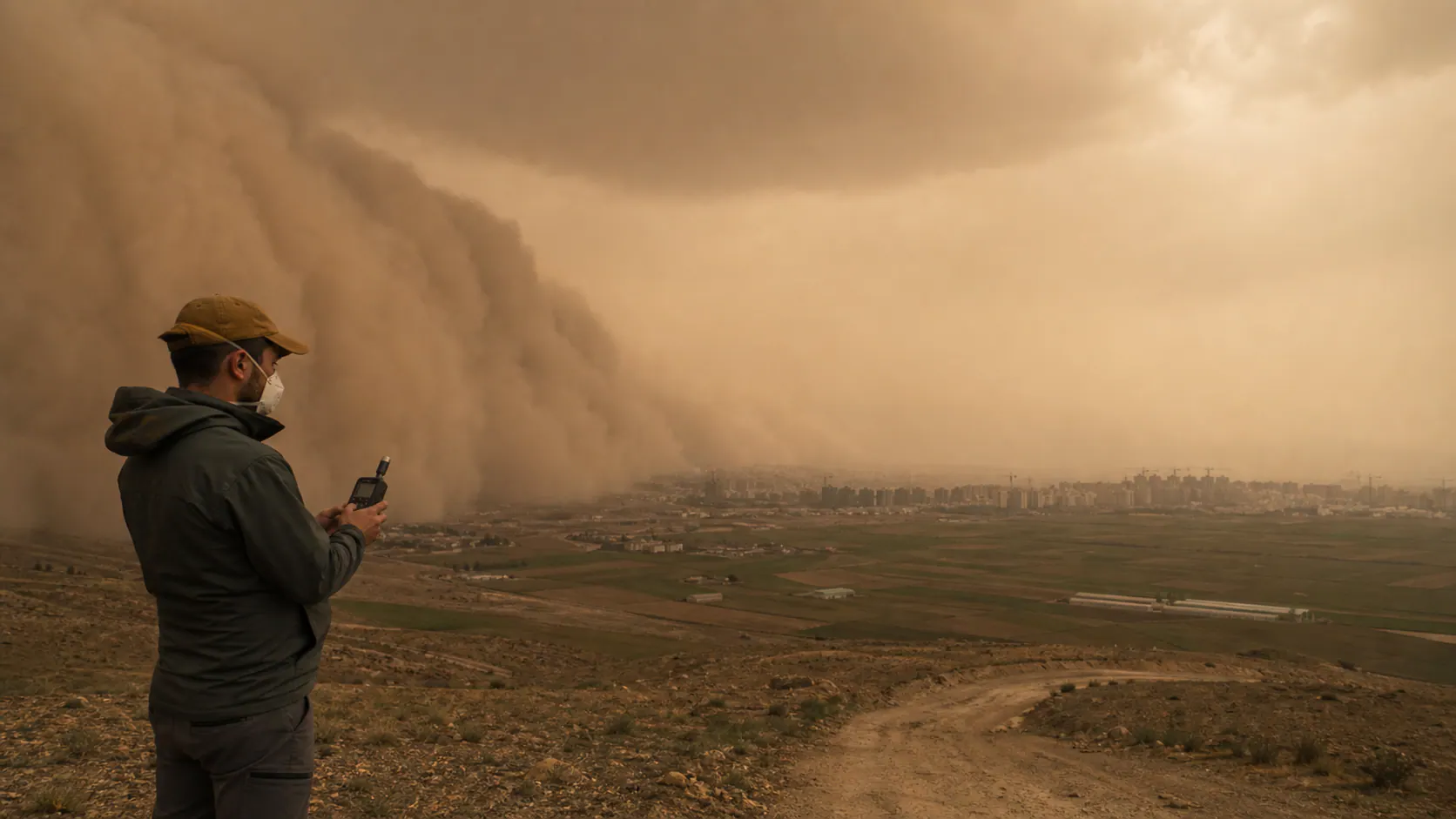
Dust storms are weather, land management and public health at the same time
Two billion tonnes of dust enter the atmosphere each year. Better forecasts help, but exposure reduction and land management determine whether warnings save health and livelihoods.