
New Zealand has consulted on better horse identification and traceability. A useful system must be fast during disease events, workable for ordinary owners and honest about privacy, cost and compliance.
Category: English
New Zealand Review’s English channel publishes reporting, explainers, reviews and practical guides about New Zealand society, culture, health and everyday life.
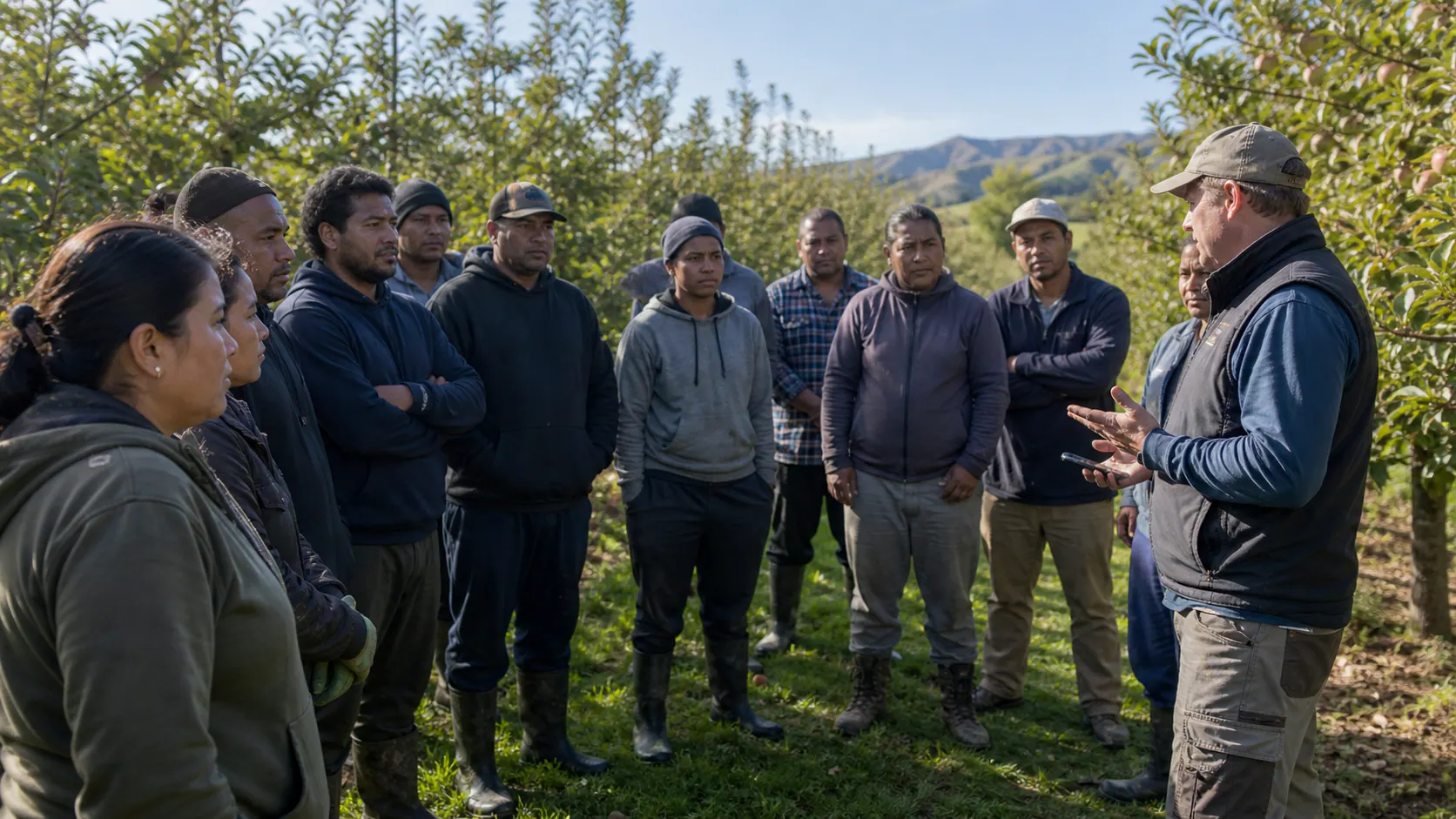
New Zealand’s RSE reform will be judged in the room after work
The modernised RSE scheme promises clearer rules and worker protections. Its credibility depends on deductions, housing, transport, complaints and the power workers have after the orchard gate closes.

Monthly CPI will improve New Zealand’s eyesight, but frequency is not certainty
Monthly inflation data from 2027 should improve New Zealand’s economic picture. The gain will be squandered if politics and markets treat every monthly movement as a definitive change in direction.

The ocean is not silent infrastructure
Commercial shipping adds chronic underwater noise that can interfere with marine life. Voluntary guidance is useful, but progress requires baselines, maintenance, operational choices and measurable targets.

Wildfire smoke preparedness begins indoors
Wildfire smoke can travel far beyond flames. Health protection depends on clean indoor air, worker rules, credible alerts and plans for people who cannot simply stay home.

China’s rural buses are being asked to carry parcels too
China’s 2026–28 rural passenger-freight-mail plan aims to combine buses, parcels and postal services. Integration can preserve routes and improve access, but only if time, liability and last-mile labour are funded.
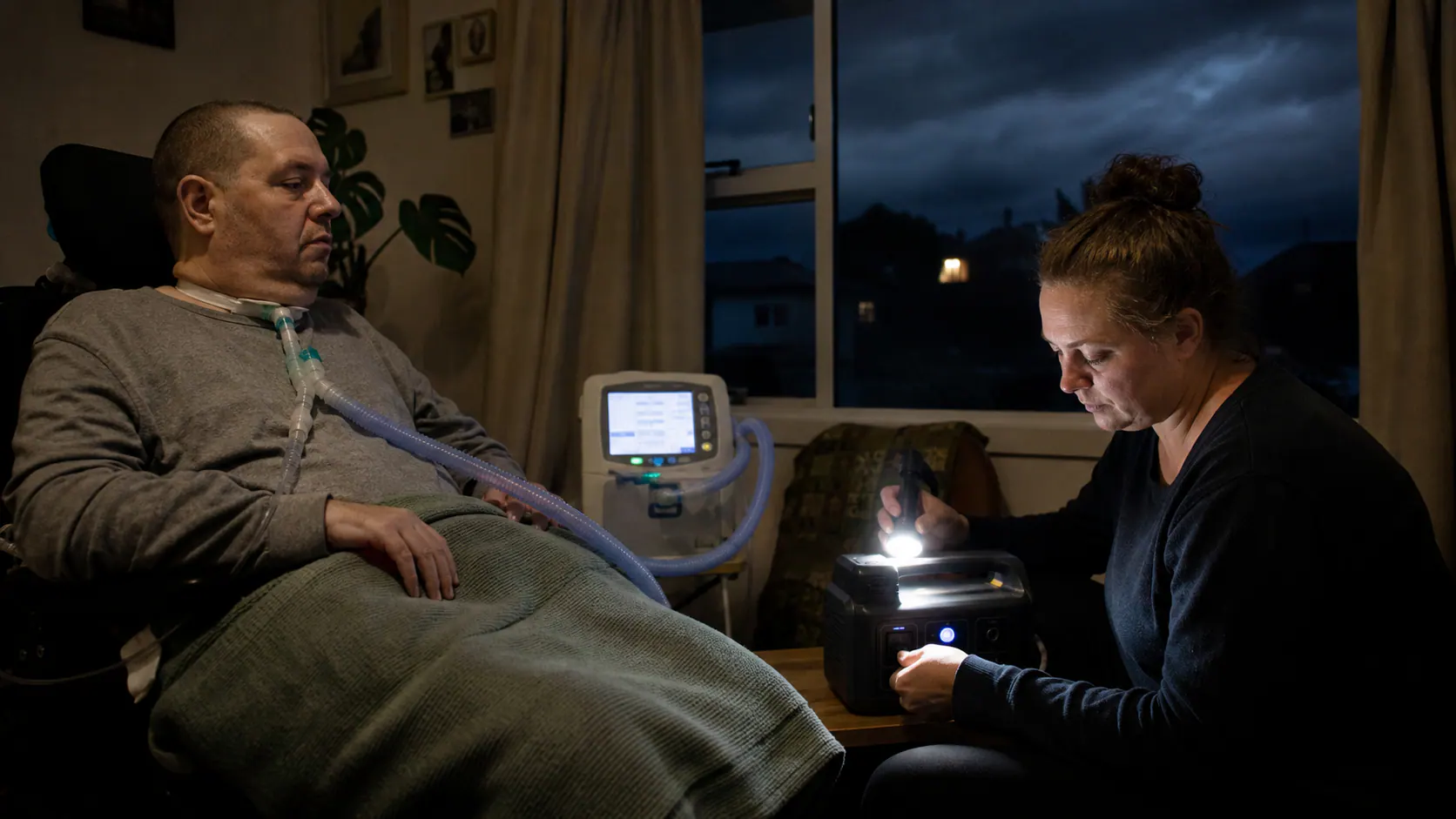
Registration prevents disconnection, not outages: the fragile power chain behind home medical care
New Zealand protects registered medically dependent consumers from disconnection, but storms and network failures still happen. Real safety requires a tested chain from household backup to health and electricity services.

New Zealand’s new occupation list is economic infrastructure, not clerical housekeeping
A New Zealand-specific occupation classification can make emerging work visible sooner. Its value will depend on transparent updates, usable concordances and honest treatment of work that resists neat boxes.

Cutting Total Mobility support asks disabled New Zealanders to pay more for an incomplete transport system
The Total Mobility subsidy fell from 75% to 65% on 1 July 2026. Treating the change as a fare adjustment ignores that many users have no workable bus, train or walking alternative.

The e-waste economy cannot be called circular while children absorb the toxins
The world generated 62 million tonnes of e-waste in 2022, with only 22.3% documented as formally recycled. A just circular economy must protect informal workers and children, not merely recover valuable metals.