
WHO’s 2026 guidance treats extreme heat as a coordinated public-health risk. Forecasts save lives only when cities connect warnings to housing, care, labour rules, cooling access and health surveillance.
Category: English
New Zealand Review’s English channel publishes reporting, explainers, reviews and practical guides about New Zealand society, culture, health and everyday life.

China wants to professionalise domestic work. The real test begins inside the home
China’s new domestic-services measures support insurance, standards, training and home-based elder care. Professionalisation will depend on enforceable contracts, portable skills and protection for workers in private households.

New Zealand’s next census will be continuous. Public trust must be continuous too
The next census will combine administrative records with a continuous survey. Fresher statistics could improve planning, but coverage, privacy, small-community detail and transparent quality measures will determine legitimacy.
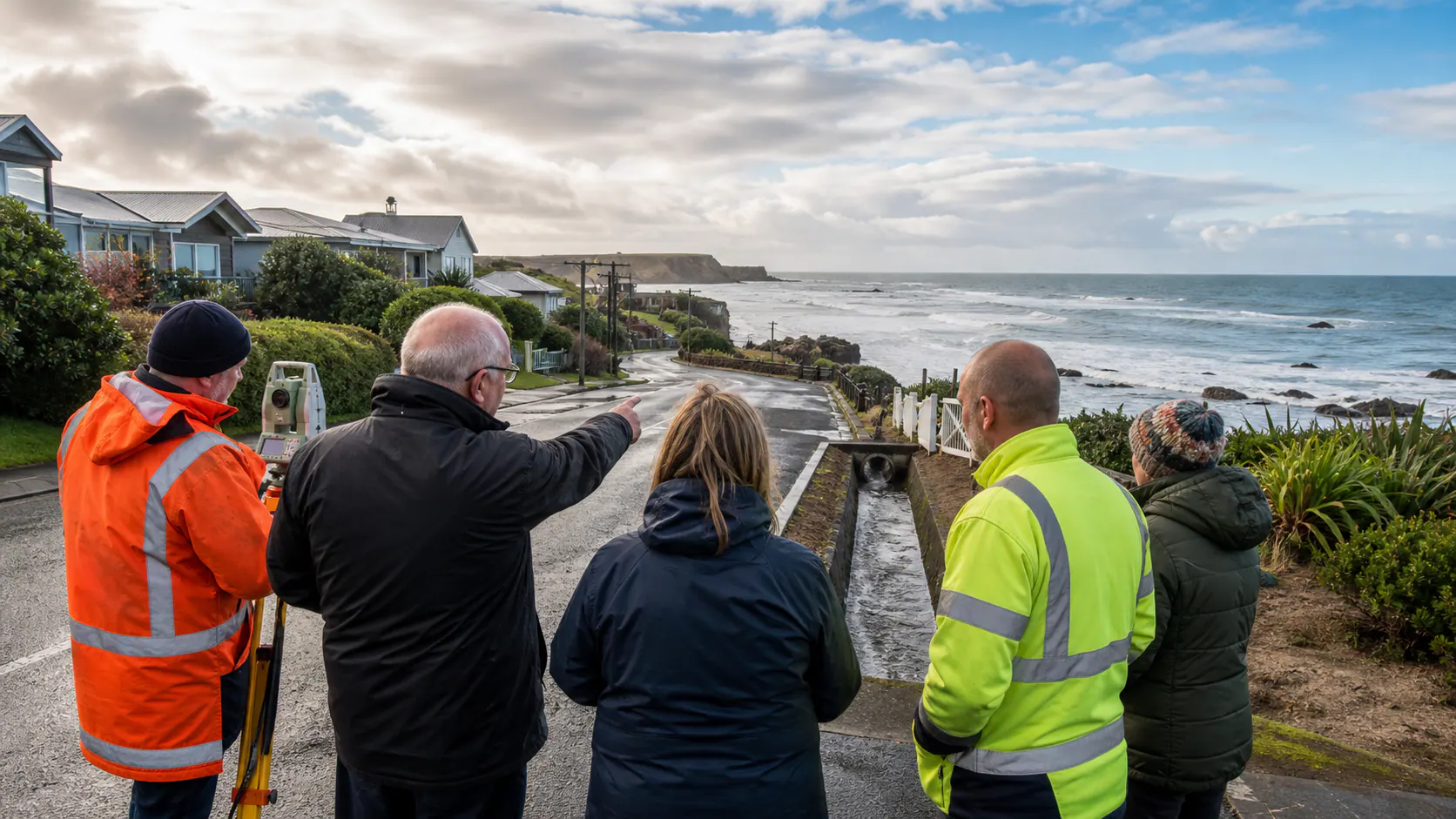
Climate adaptation plans will expose New Zealand’s hardest question: who pays before disaster?
New legislation would require councils to plan for priority climate-risk areas. Maps and plans matter, but durable adaptation depends on transparent cost-sharing before property, insurance and infrastructure decisions harden.
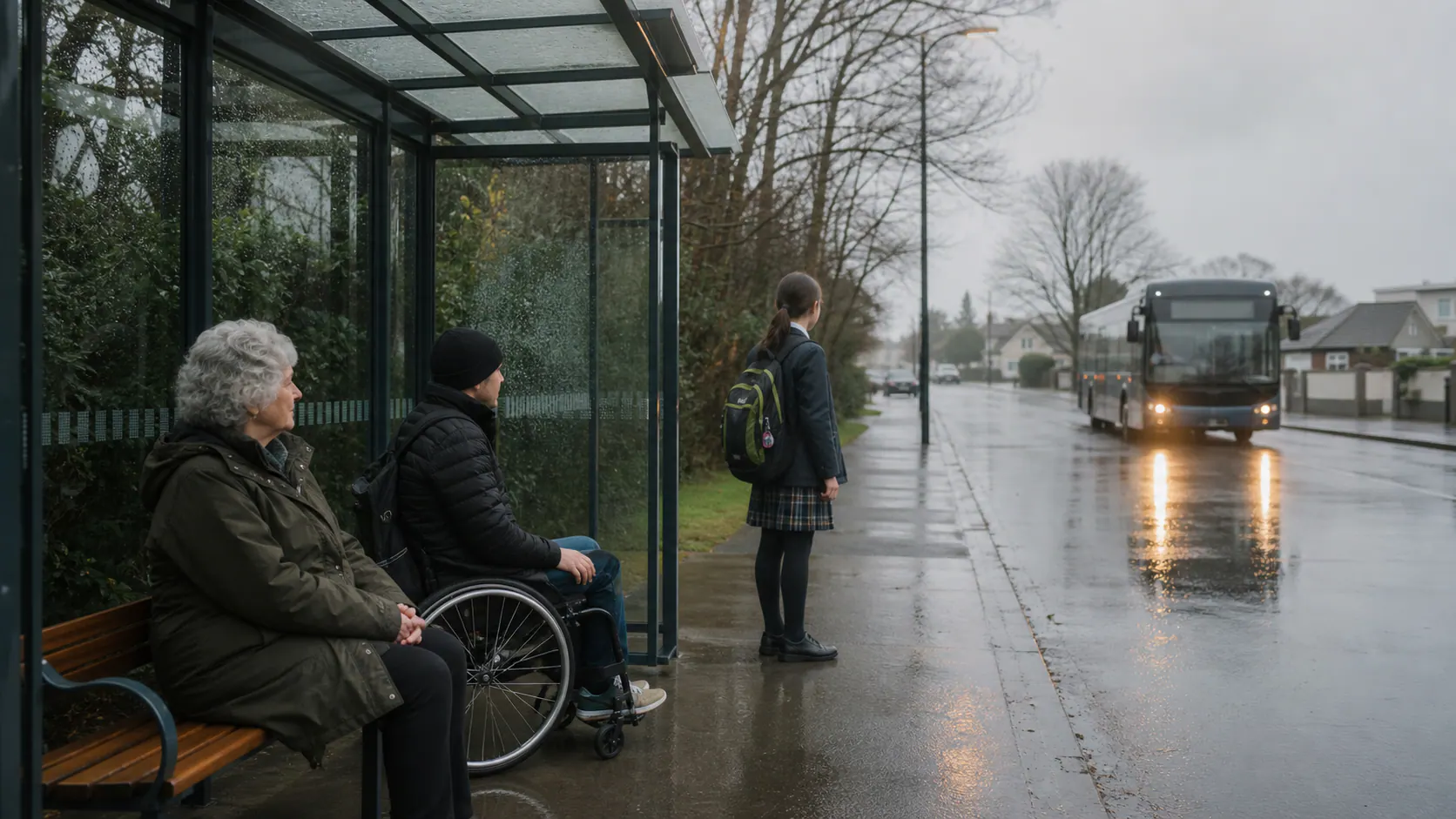
New Zealand should set a minimum standard for waiting at a bus stop
Public transport begins before the bus arrives. Shelter, seating, lighting, accessible kerbs and reliable information should be basic service components, not postcode luck.

Dust storms are weather, land management and public health at the same time
Two billion tonnes of dust enter the atmosphere each year. Better forecasts help, but exposure reduction and land management determine whether warnings save health and livelihoods.

A glacial lake warning must reach the valley before the water does
Retreating glaciers can create unstable lakes above mountain communities. Monitoring, communication, evacuation routes and cross-border data must operate as one warning system.
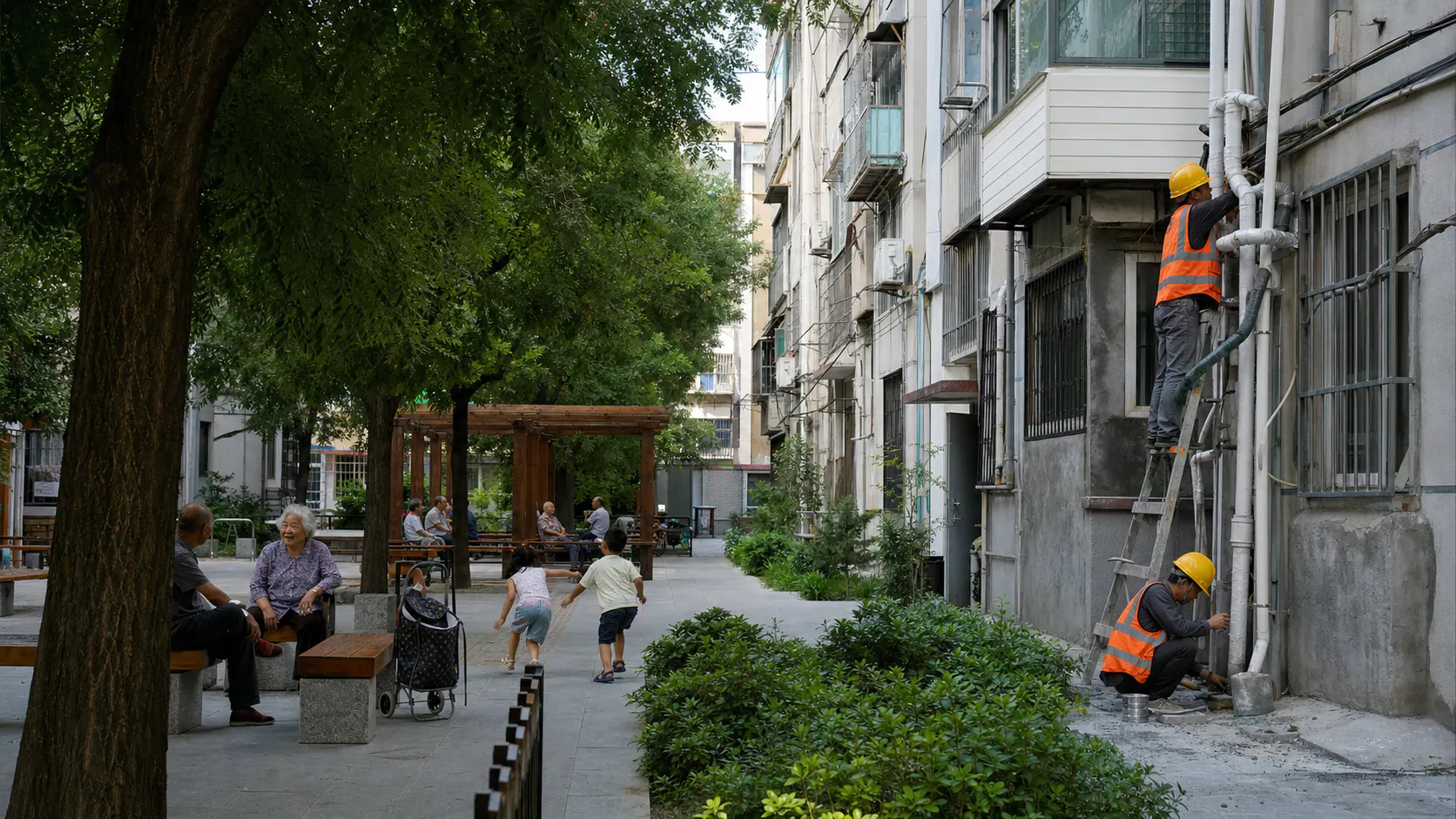
China’s urban renewal should repair neighbourhoods without erasing them
China’s 2026–2030 urban renewal plan links housing, infrastructure, resilience and culture. Delivery should prioritise residents, maintenance and gradual repair over cosmetic projects.
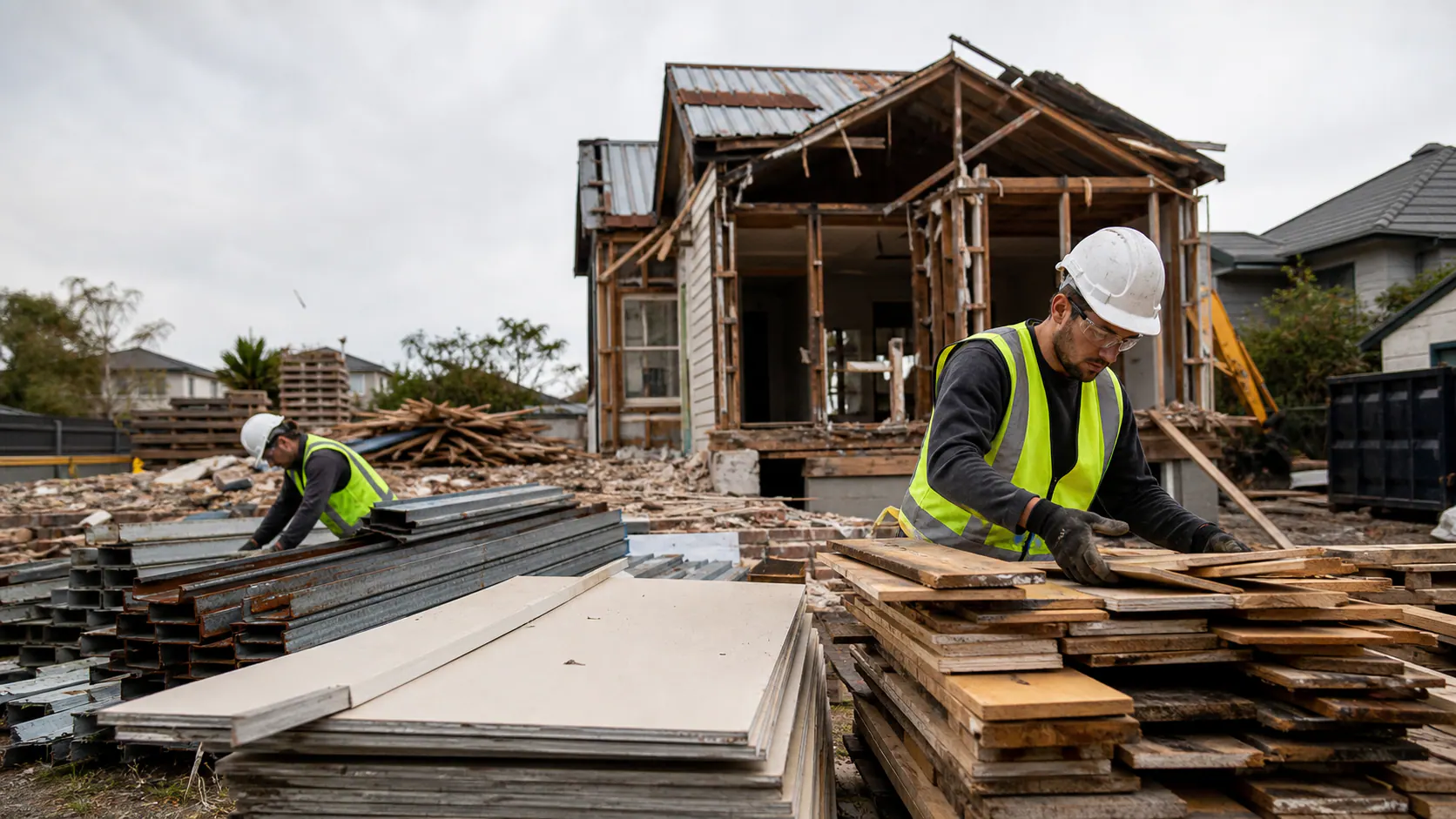
New Zealand should dismantle buildings with their next use in mind
Construction waste is a design and logistics problem. Deconstruction, source separation, material records and reuse markets can retain value before mixed skips destroy it.

Rural maternity care is measured in kilometres as well as appointments
For rural families, maternity access depends on travel, workforce continuity, transfer plans and accommodation near higher-level care. Funding must recognise time and geography.