China’s plan for a space-ground asteroid early-warning network is easy to frame as another chapter in the space race. That frame is incomplete. Near-Earth objects create a problem no country can solve efficiently alone: the sky is global, observing windows move, and a trajectory becomes trustworthy only when independent measurements are combined.
The project’s strategic value will therefore depend less on impressive hardware photographs than on calibration, continuity and data exchange. Planetary defence is where scientific sovereignty and scientific interdependence meet.
Detection is a coverage problem
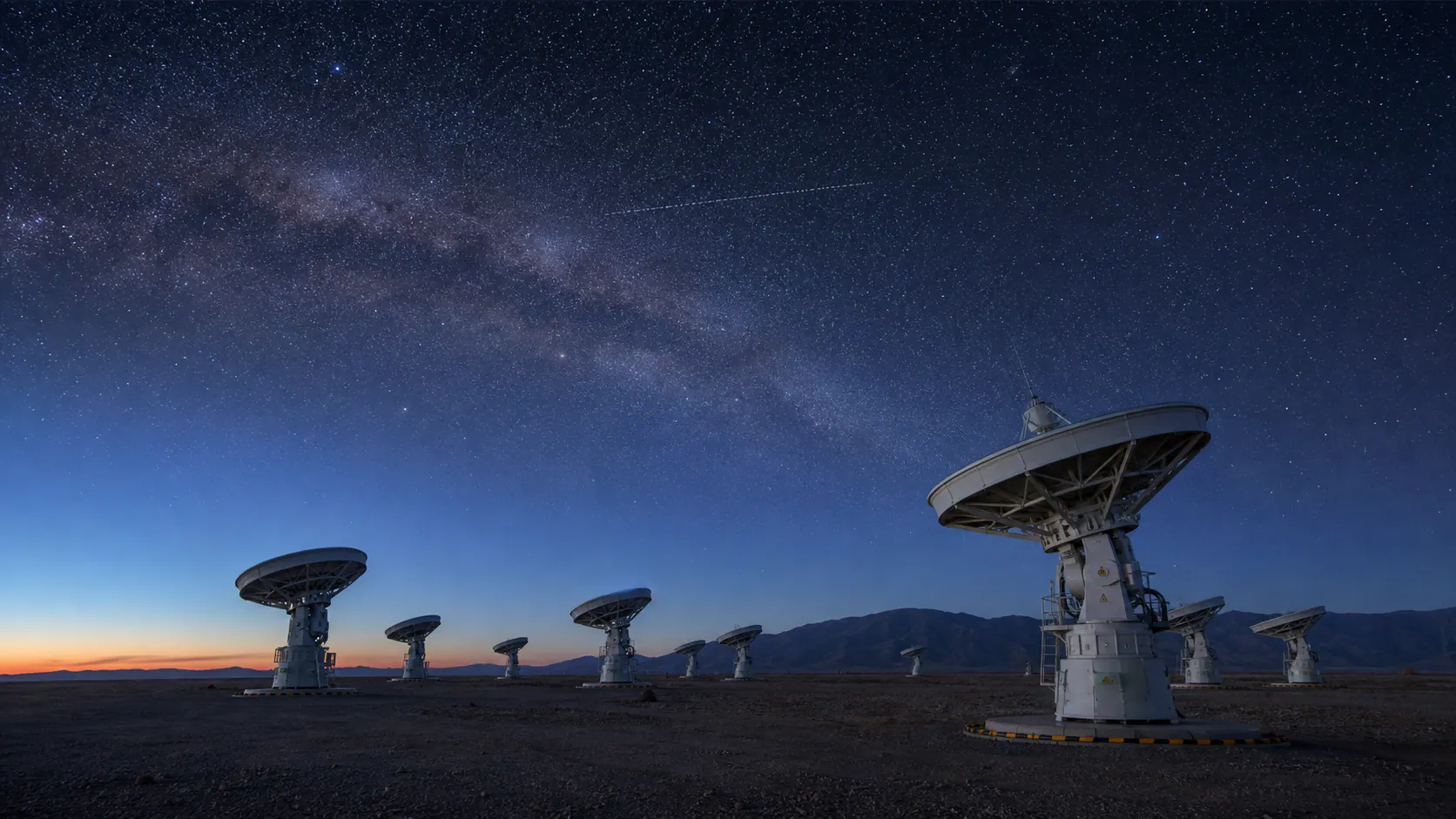
Ground telescopes are limited by daylight, weather and geometry. Infrared instruments in space can search regions difficult to observe from Earth, including objects approaching from near the Sun’s direction. Radar can refine distance and shape after an object is found. A resilient network uses these methods together.
China’s proposed contribution could fill real gaps, especially if its instruments complement planned missions elsewhere rather than duplicating the same fields and wavelengths.
Uncertainty must travel with the alert
An early orbit estimate can appear alarming before additional observations reduce the collision probability. Data systems need to publish uncertainty, observation history and model assumptions, allowing researchers elsewhere to reproduce the assessment.
That transparency is not merely academic. Governments may need to decide when to inform the public, when to prepare civil defence and when to consider a deflection mission. Poorly communicated probability can create panic or complacency.
International institutions already exist
The United Nations supports the International Asteroid Warning Network and the Space Mission Planning Advisory Group. These bodies offer channels for coordination, but their effectiveness depends on timely national participation and compatible data.
China can strengthen the system by committing to common formats, rapid reporting and joint exercises. It can also use its growing deep-space capability to shape standards rather than operating outside them.
The dual-use concern will not disappear
Telescopes, radar and tracking systems can have military relevance. That makes trust harder, but it also makes agreed protocols more important. Scientific observations can be shared without revealing every technical detail of a sensor.
Practical cooperation often grows from bounded tasks: compare measurements of a known object, run a simulated warning, or coordinate observations during a close approach. Successful repetition builds confidence.
A test of space leadership
Space leadership is sometimes measured by launches, samples and flags. Planetary defence offers another measure: whether a country contributes reliable public goods. An asteroid catalogue that improves everyone’s warning time may matter more than a dramatic one-off mission.
China’s network could become a major addition to global capacity. The decisive question is whether the world can use what it sees. In planetary defence, shared knowledge is not generosity after the science; it is part of the science itself.
Sources and further reading: Space.com report; UNOOSA near-Earth objects.