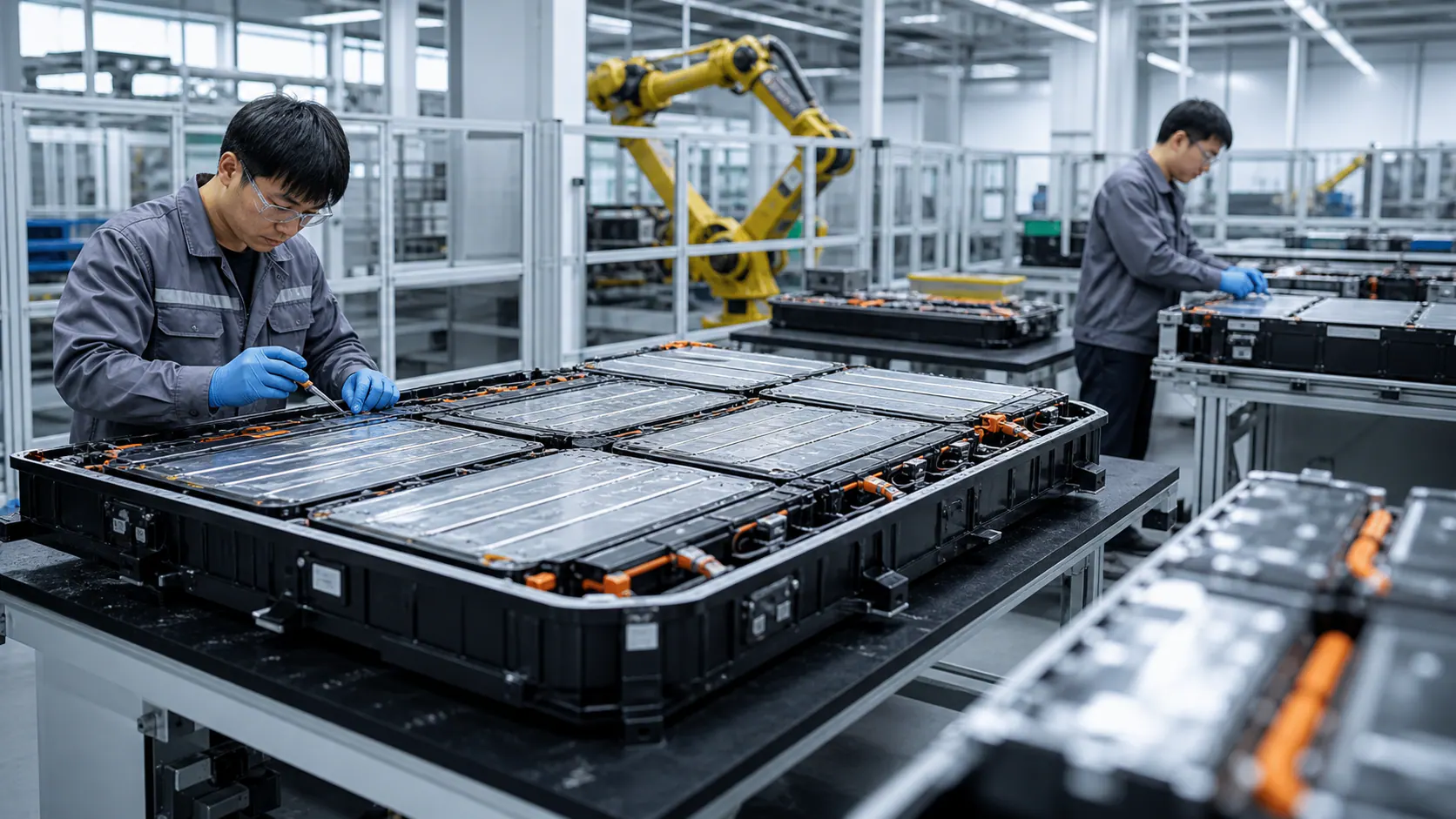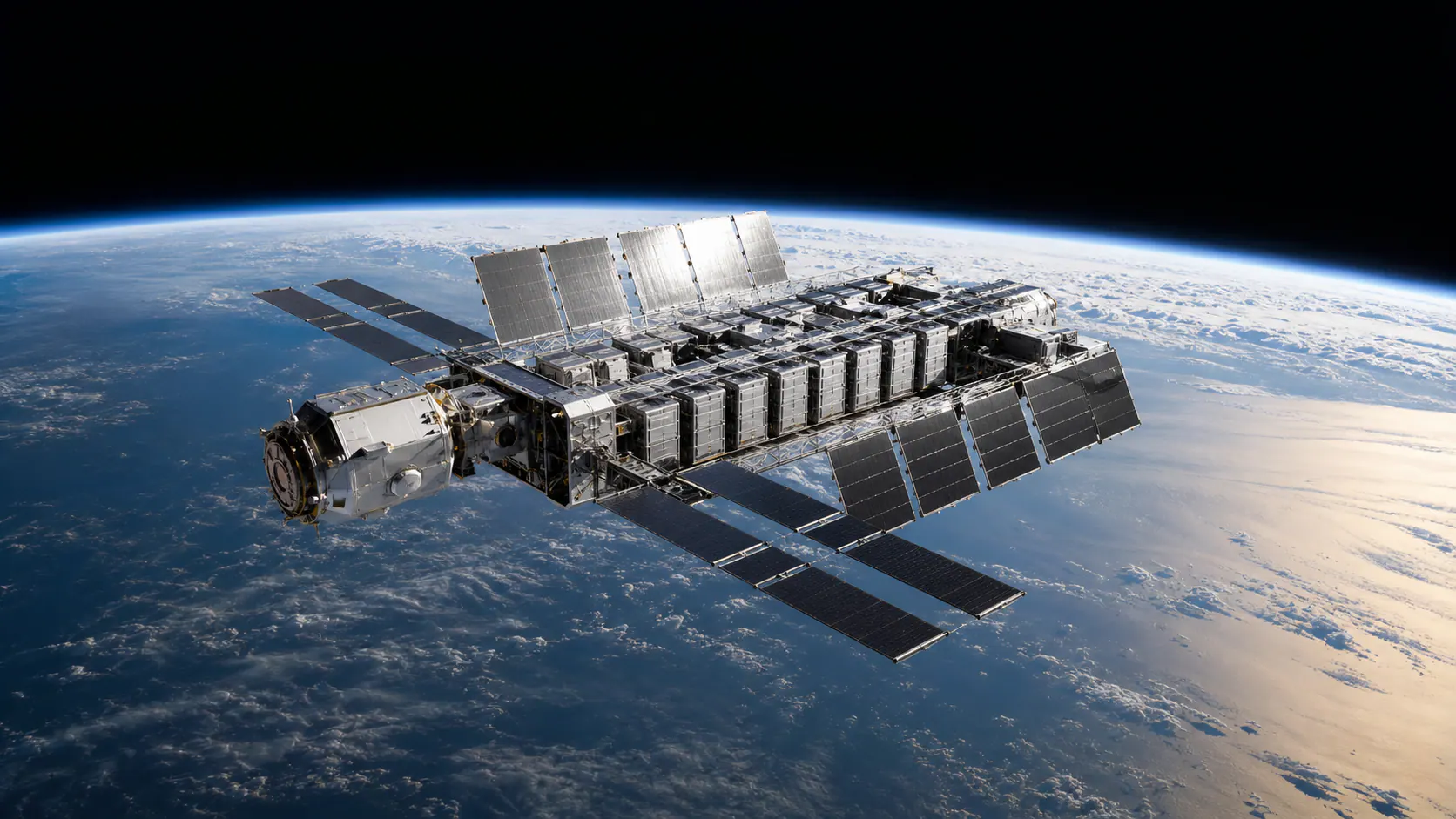
Artificial intelligence has turned data-centre electricity, land and water use into a strategic constraint. China’s reported plan to explore space-based data centres pushes that constraint to an extraordinary place: orbit, where solar power is abundant and physical territory is not contested in the conventional sense.
The concept is not absurd, but it is far from a simple escape from terrestrial limits. Computers still generate heat, radiation damages electronics, launches carry emissions and cost, and every large platform becomes part of an increasingly crowded orbital environment.
Why orbit attracts attention
Solar arrays can receive long periods of strong sunlight, while some computing tasks already originate in space. Processing Earth-observation data before downlink could reduce communication demand and latency for selected uses.
A modular platform might also be expanded as launch costs fall. Strategic interest grows because compute capacity is now treated like energy and communications infrastructure.
Cold space does not make cooling easy
Space is cold, but there is no air for convection. Heat must be conducted to radiators and emitted as infrared energy. High-density computing therefore requires large radiator area and careful thermal design.
Radiators, shielding and redundancy add mass. The apparent energy advantage can shrink once the full system is counted.
Maintenance changes the economics
Terrestrial servers fail and are replaced routinely. In orbit, repair may require robotics, spare modules or costly servicing missions. Radiation can corrupt memory and shorten component life.
The most plausible early systems are likely specialised, fault-tolerant and closely tied to space-generated data rather than copies of vast Earth cloud campuses.
Debris and security
Large platforms increase collision consequences and require end-of-life disposal plans. Cybersecurity also becomes space security: a compromised orbital compute node could affect data, communications and other spacecraft.
International rules have not been designed for privately or nationally controlled orbital compute infrastructure at scale. Spectrum, traffic coordination and liability need attention before deployment accelerates.
A useful experiment if honestly counted
Space computing could produce valuable engineering advances in thermal management, radiation-resistant chips and autonomous maintenance. It may also reveal that improving terrestrial grids and data-centre efficiency is cheaper.
China’s plan should be judged through full lifecycle accounting: launch, energy, cooling, replacement, debris and deorbiting. Moving computation above the atmosphere does not remove its footprint; it changes the form and location of the bill.
Sources and further reading: Space.com report on China’s space data-centre plan; ESA space debris information.