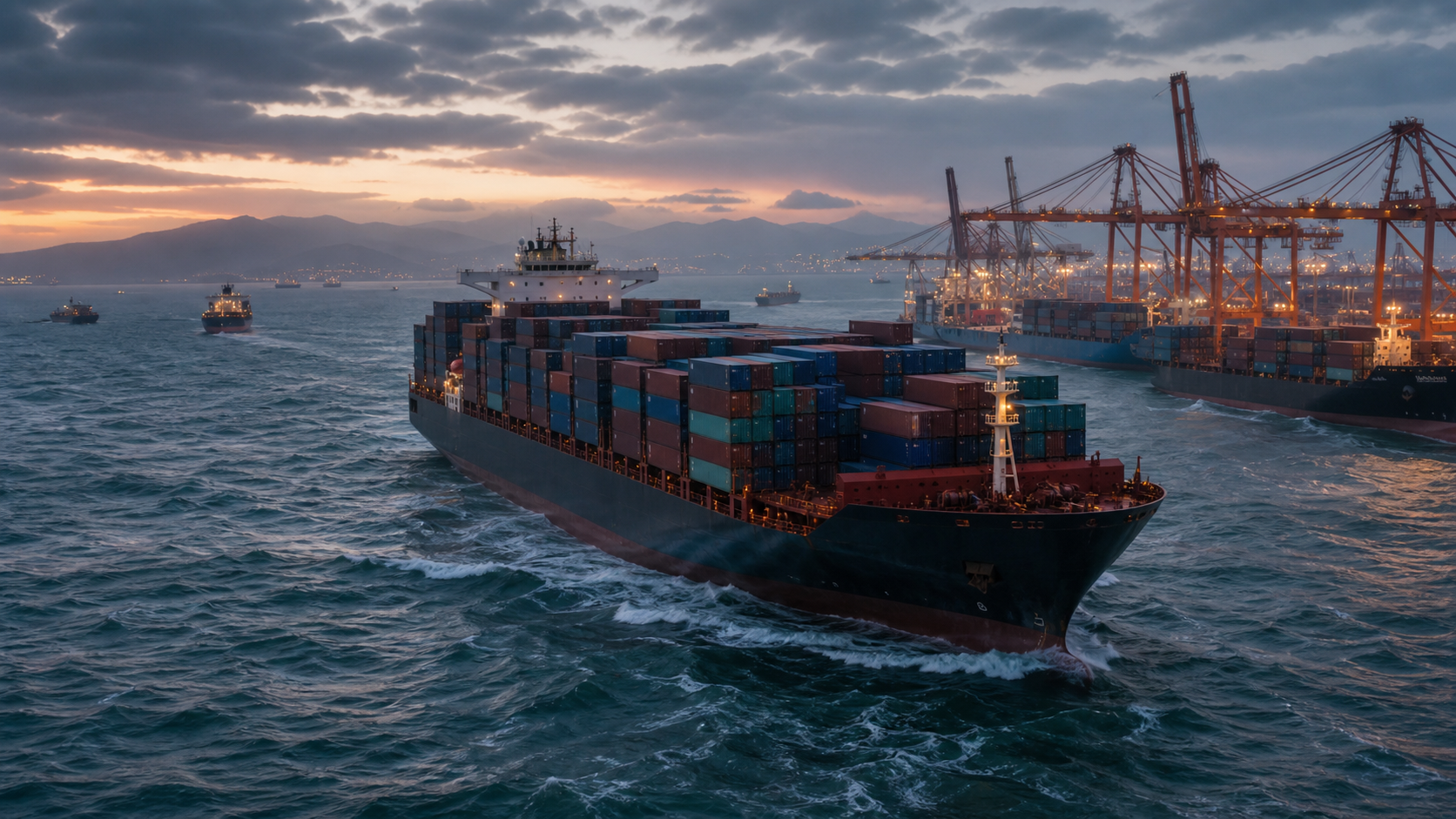
Globalisation depends on routes most consumers never see. The Red Sea is one of them. When ships avoid the area because of attacks, security risk or insurance pressure, the consequences do not stay regional. They appear in delivery times, freight rates, fuel use, inventory planning and eventually consumer prices.
Since the recent wave of Red Sea disruption, shipping companies have repeatedly faced a choice between risk and distance. Rerouting around the Cape of Good Hope can add time, cost and emissions. Staying on the shorter route can require military protection and higher insurance.
Why this is more than a shipping story
Modern supply chains were built around predictability. Factories, retailers and exporters often operate with lean inventories. When a maritime route becomes uncertain, companies must hold more stock, pay more for freight or delay orders. The cost is not always dramatic at first, but it accumulates.
The geopolitical layer
The Red Sea links conflict, energy, trade and naval power. Regional actors can create global effects by threatening a narrow corridor. That makes maritime security both a military issue and an economic-policy issue.
Who is exposed
Small exporters, importers and consumers at the end of long supply chains have less bargaining power than large multinationals. Countries far from major markets, including in the Pacific, can feel disruption through freight pricing even when they are not politically involved in the crisis.
What to watch
The important signals are not only attacks or naval deployments. Watch insurance rates, container prices, port congestion and corporate inventory warnings. They reveal whether disruption is becoming temporary noise or a structural cost of doing business.
Background sources include the International Maritime Organization, UNCTAD, and reporting from Reuters, AP, BBC and The Guardian.