Climate change is often imagined as a single dramatic event: a flood, a wildfire, a storm surge. The more dangerous reality is quieter. Climate risk increasingly arrives as many smaller failures happening together: a hospital under heat pressure, a grid near overload, a food supply chain delayed, insurance withdrawn, a city budget stretched again.
Recent reporting from major agencies and warnings from climate bodies have kept returning to the same pattern. Heat extremes, heavy rainfall, drought and ocean warming are not isolated environmental stories. They are stress tests for public systems.
The systems problem
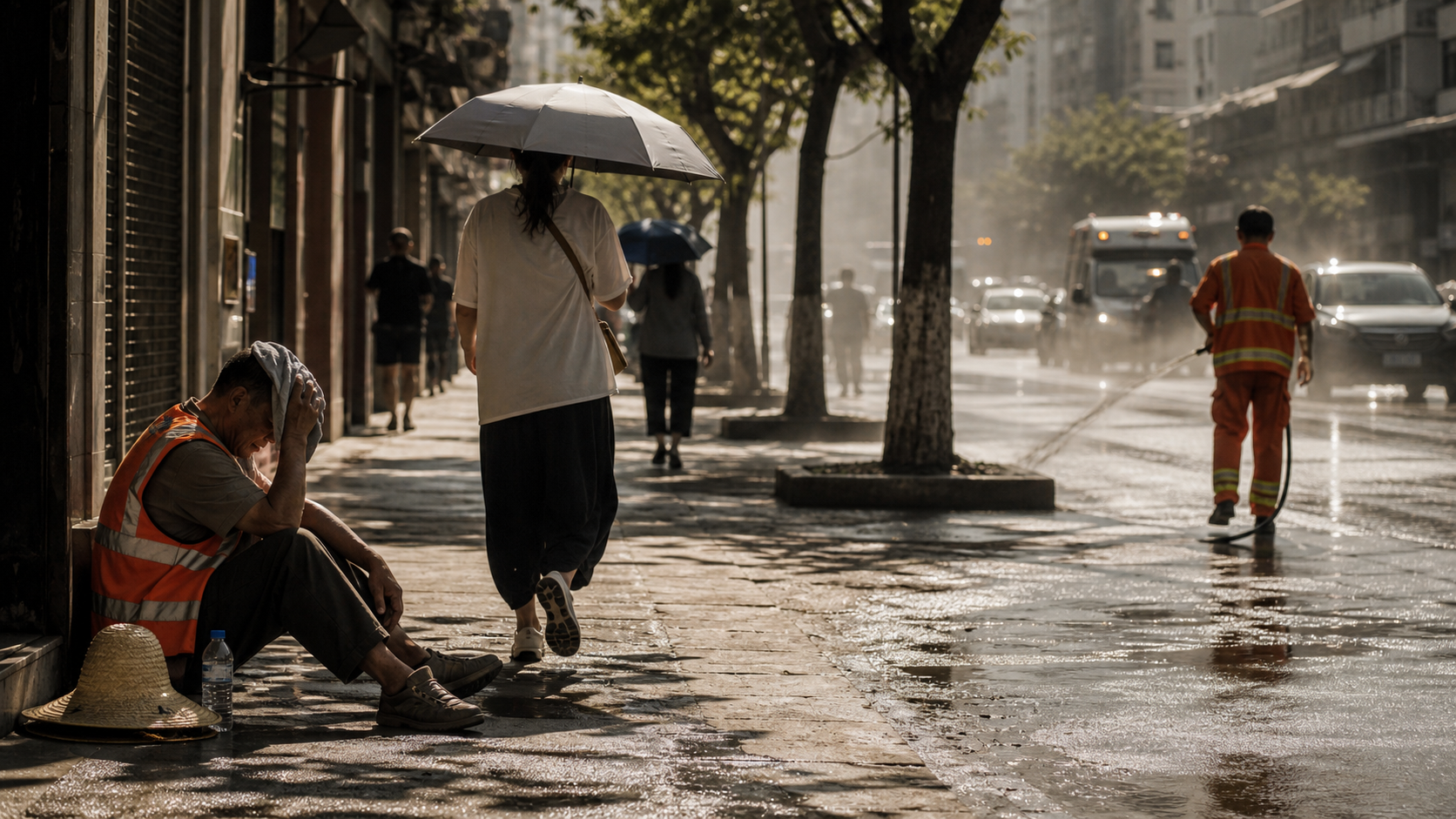
A heatwave is a health event, a labour-productivity event, an electricity event and sometimes a school-safety event. Flooding is not only water damage; it can become a housing, transport, disease and insurance problem. Food-price pressure can begin with weather but end in politics.
Who pays first
The earliest costs fall on people with the least flexibility: outdoor workers, renters in poor housing, older people, low-income households, farmers and small businesses. Wealthier households can buy cooling, insurance and mobility. Poorer households absorb risk directly.
Why adaptation is hard
Governments like visible projects, but climate adaptation often requires maintenance: drains, trees, building standards, emergency planning, local health capacity and land-use rules. These are politically less glamorous than new infrastructure, yet they determine whether communities bend or break under pressure.
What to watch
The key question is not whether the next climate-linked event will be blamed on climate change. It is whether public institutions are mapping compound risk honestly. If they plan for one hazard at a time, they will keep being surprised by multiple failures at once.
Useful background sources include the World Meteorological Organization, IPCC, WHO and global reporting from Reuters, AP and BBC.