
Some technologies are alarming not because they already exist at scale, but because the path toward them is becoming imaginable. Mirror life belongs in tha
Tag: World Watch
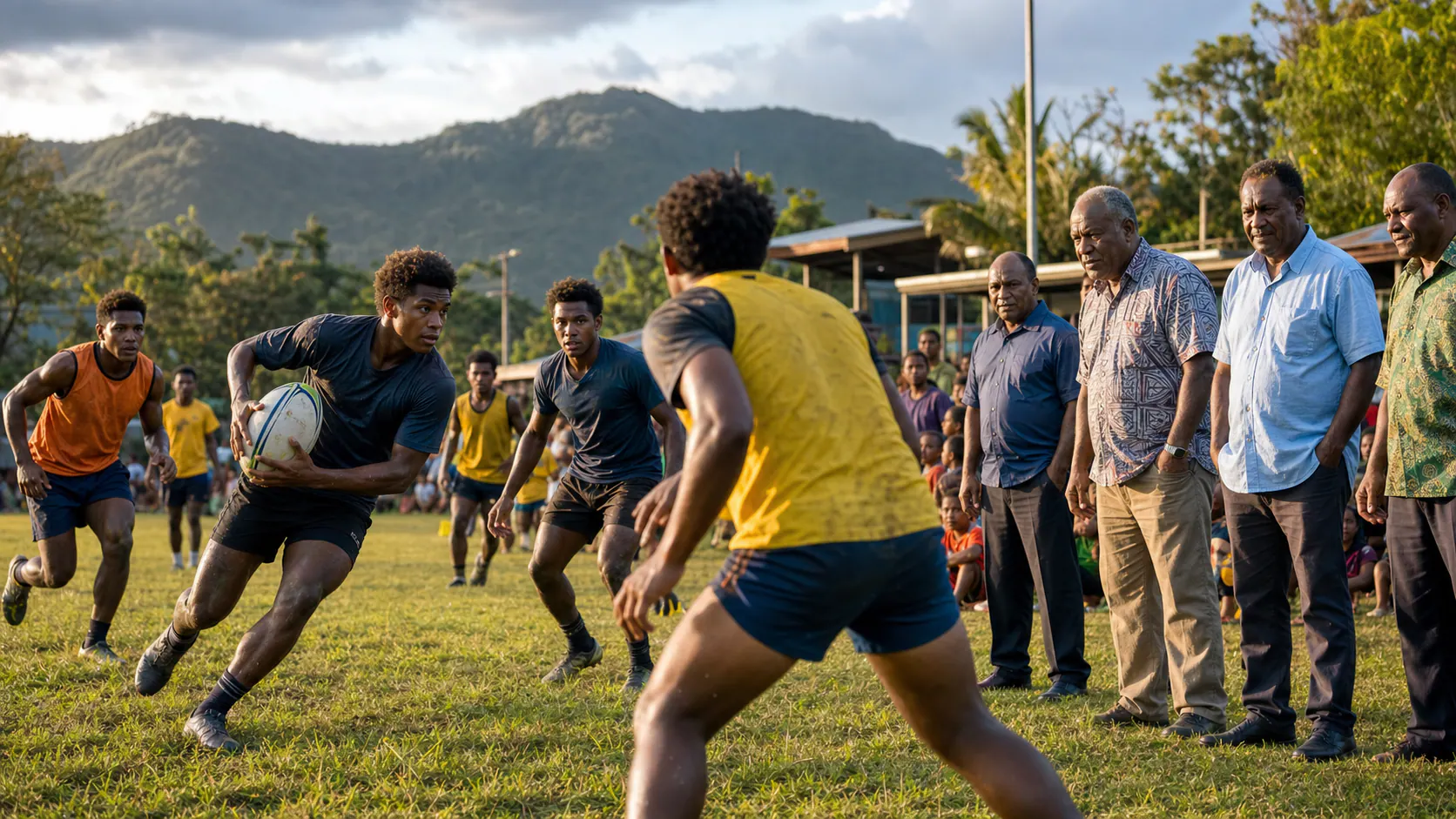
PNG’s rugby league dream shows how sport became Pacific strategy
Rugby league is not a side issue in Papua New Guinea. It is a national language of pride, community and aspiration. That is why Australia’s support for PNG
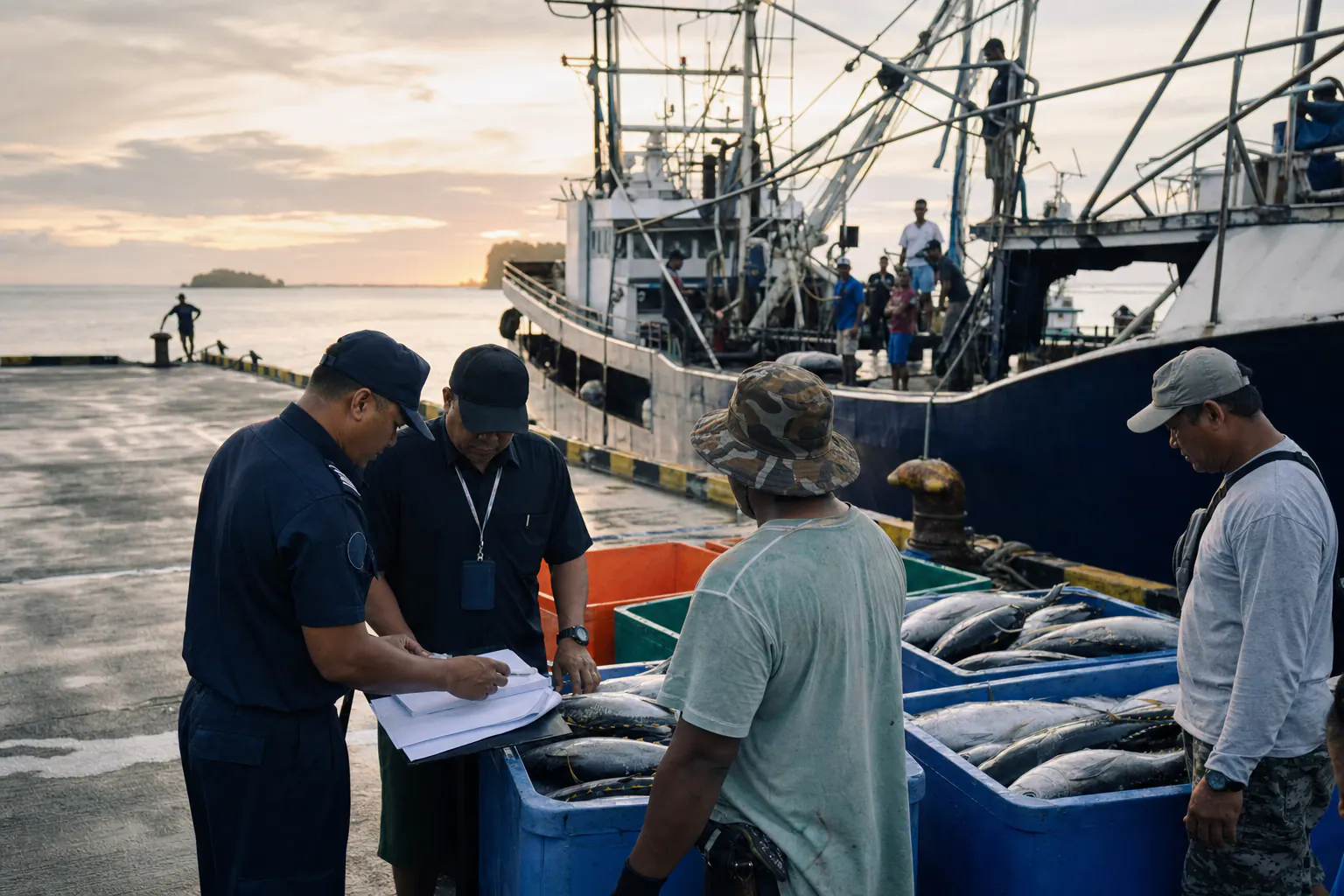
The Pacific tuna fight is about labour, sovereignty and the price of cheap fish
Tuna can appear on a supermarket shelf as a simple product: a can, a fillet, a lunchbox protein, a price. What disappears behind that simplicity is the oce

The Telstra outage shows critical infrastructure can fail in surprisingly small places
Critical infrastructure usually fails in public imagination through dramatic images: a storm tears down lines, a cyberattack locks screens, a flood takes o

Australia’s online-hate inquiry is really a test of platform accountability
Online hate is often discussed as if it were only a content-moderation problem: remove the worst posts, suspend the worst users, publish a transparency rep
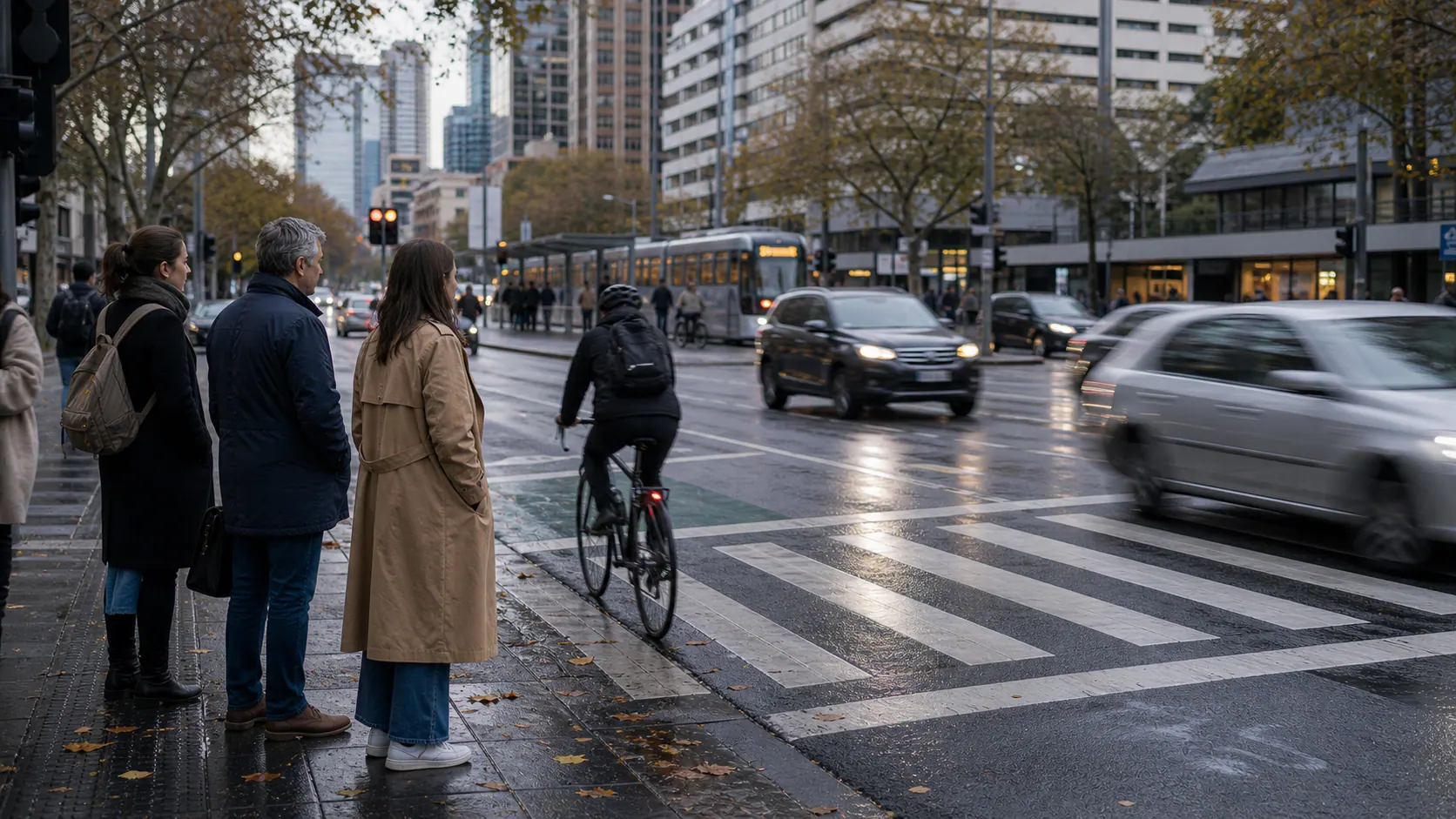
Lower city speed limits are a road-safety policy, not a war on drivers
Reducing a speed limit sounds minor until it touches the everyday politics of streets. A few kilometres per hour becomes an argument about commute times, d
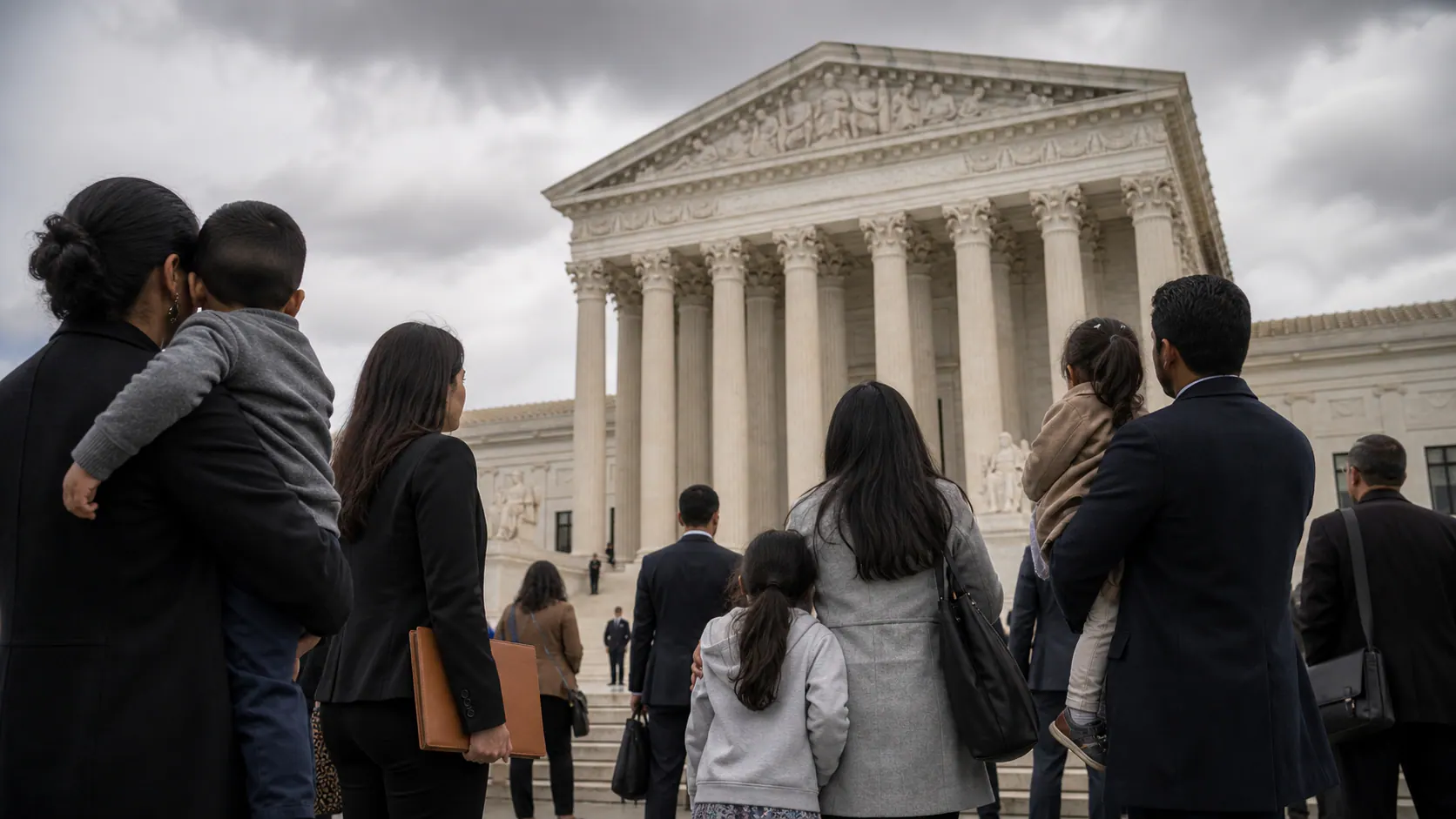
The birthright citizenship fight is really about who can live without legal doubt
Citizenship is most powerful when it is boring. A child is born, documents are issued, rights attach, and a family can plan life without wondering whether

Europe’s heatwave is a public-health warning, not only a weather story
Heatwaves are deceptive disasters. They rarely produce the single cinematic image that defines a flood or earthquake. Instead, harm accumulates in apartmen

Hormuz shows why reopening a chokepoint is not the same as restoring trust
A maritime chokepoint does not reopen the moment a deal is signed. It reopens when shipowners, insurers, crews, port operators and energy buyers believe th
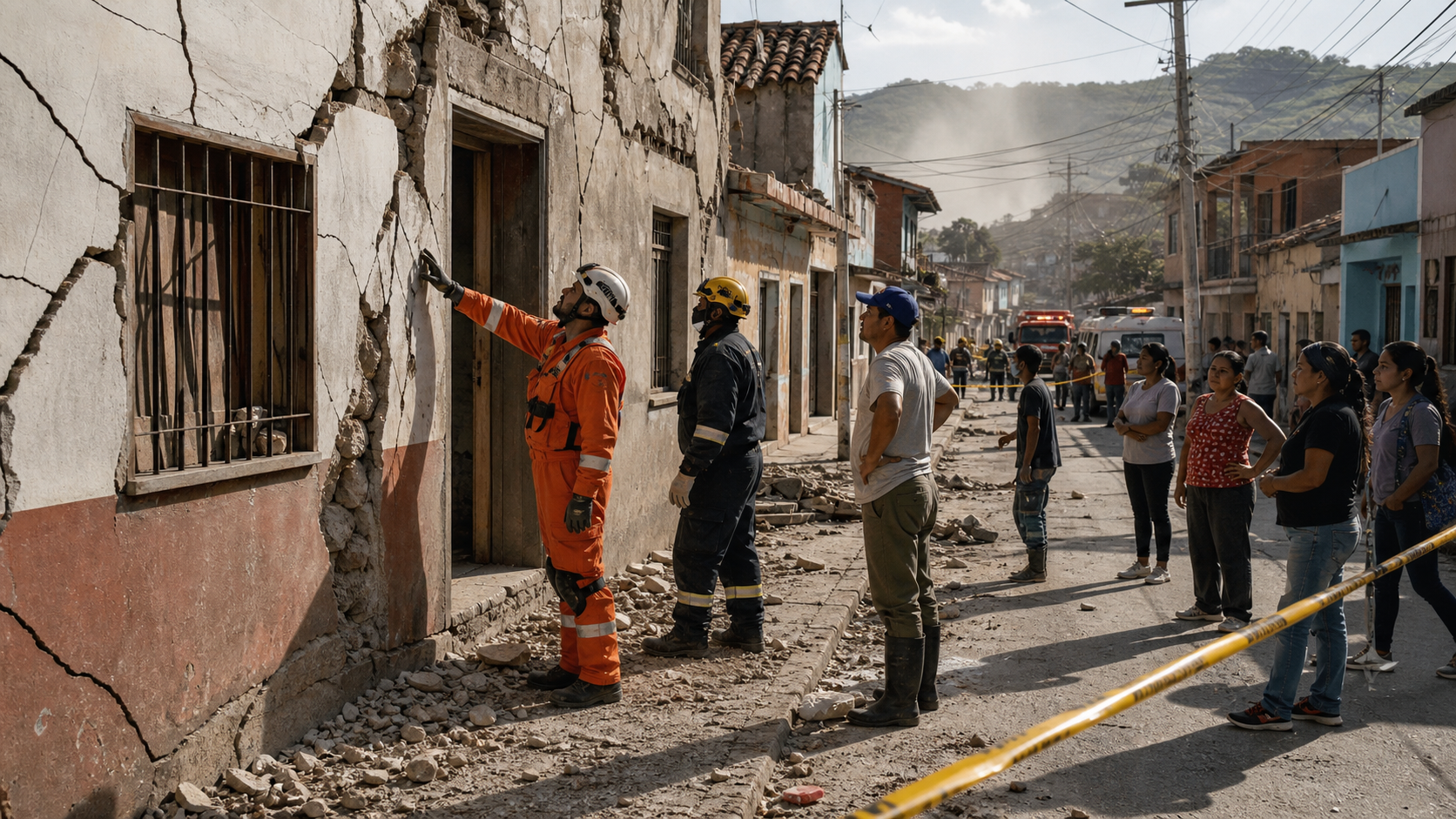
Venezuela’s earthquakes are now a test of rescue capacity and trust
The first hours after a major earthquake are measured in sound: voices under rubble, concrete being cut, family members calling names, phones ringing unans