Heatwaves are deceptive disasters. They rarely produce the single cinematic image that defines a flood or earthquake. Instead, harm accumulates in apartments that do not cool down, buses without shade, care homes under pressure, outdoor worksites, crowded hospitals and night-time bedrooms where the body never gets relief.
Europe’s latest extreme heat should therefore be read as a public-health warning, not only a weather story. Agencies and media across the region have reported dangerous temperatures, health warnings and concern for children, older people, outdoor workers and people with chronic illness. The World Meteorological Organization has repeatedly warned that heat is one of the deadliest weather hazards, especially when nights remain warm and vulnerable people are isolated.
Why Europe is vulnerable
Europe is warming faster than many parts of the world, and much of its built environment was not designed for repeated extreme heat. Older apartments may retain warmth. Dense city centres trap heat. Air conditioning is less universal than in some hotter regions. Public transport, schools and care facilities can struggle when high temperatures last for days.
The risk is not evenly distributed. A wealthy household can cool rooms, leave the city, adjust work and access care. A low-income household may be stuck in a hot rental, unable to pay for cooling, working outside or caring for relatives. Older people living alone face particular danger because heat illness can develop quietly.
Heat is a labour issue
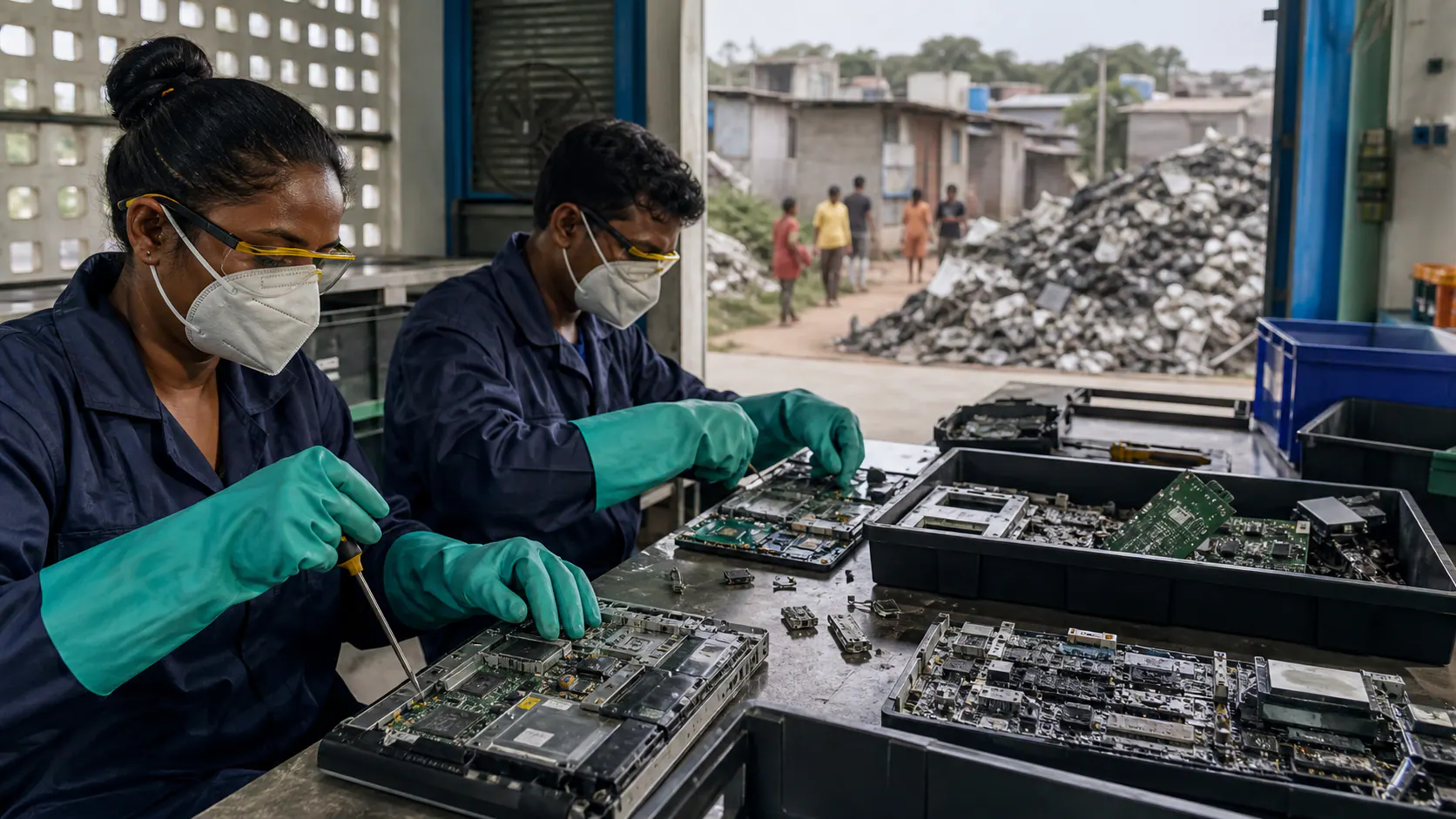
Public discussion often focuses on tourists and school closures, but labour is central. Construction workers, agricultural workers, delivery riders, cleaners, emergency staff, hospitality workers and transport workers all face heat exposure. If work rules do not adapt, people are forced to choose between income and health.
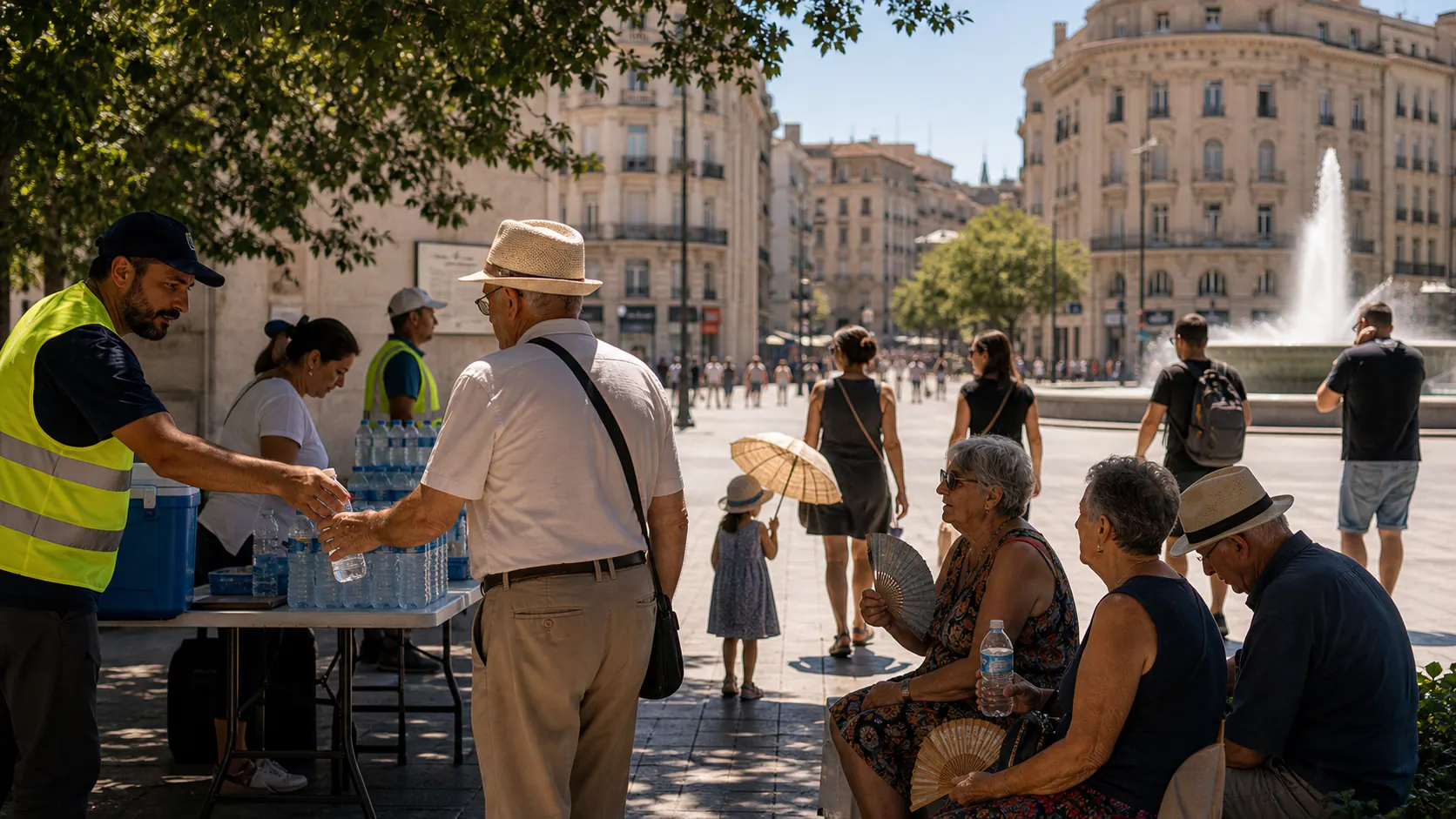
This is where climate adaptation becomes practical. Workplaces need heat plans, breaks, shade, water, altered schedules and enforcement. Cities need cooling centres, tree cover, shaded routes and public drinking water. Health systems need early outreach to vulnerable people, not only emergency care after collapse.
The night-time problem
Hot nights are especially dangerous because the body cannot recover. A person may survive a hot day but deteriorate after several nights of poor sleep and sustained heat stress. This is why heatwave planning must include housing. Ventilation, insulation, external shading, reflective roofs, cool rooms and tenant protections all matter.
Heat resilience is not simply a matter of telling people to drink water. Advice is necessary, but it can become unfair when the environment gives people few options. If a worker cannot avoid heat, a renter cannot cool a flat, or an older person cannot leave an overheated room, individual advice has limited power.
Climate change changes the baseline
It is no longer useful to treat each heatwave as a freak event. Climate change loads the dice toward more frequent, intense and prolonged heat. That does not mean every hot day is identical, but it does mean policy must stop acting surprised.
Europe has learned from past disasters, including the deadly 2003 heatwave, but adaptation remains uneven. Some cities have heat-health plans. Others rely on warnings that may not reach the people most at risk. The next stage is to make heat resilience as normal as winter preparedness once was.
What to watch next
Watch hospitals and ambulance services. Watch mortality data after the heat passes, because heat deaths are often counted later. Watch labour rules and school decisions. Watch whether governments fund long-term cooling and housing adaptation or only issue short-term warnings. Watch insurers, because repeated heat also damages infrastructure and property risk.
Most importantly, watch whether public language changes. If heat is described only as uncomfortable weather, governments will respond with advice. If it is understood as a public-health, housing and labour hazard, the response becomes structural.
The heatwave’s lesson is not simply that Europe is hot. It is that modern societies have built many ordinary routines around climate assumptions that no longer hold. The countries that adapt fastest will be those that treat shade, cooling, housing quality and worker protection as life-saving infrastructure.
Sources: World Meteorological Organization, Copernicus Climate Change Service, WHO heatwave health information and current European reporting on heat warnings.