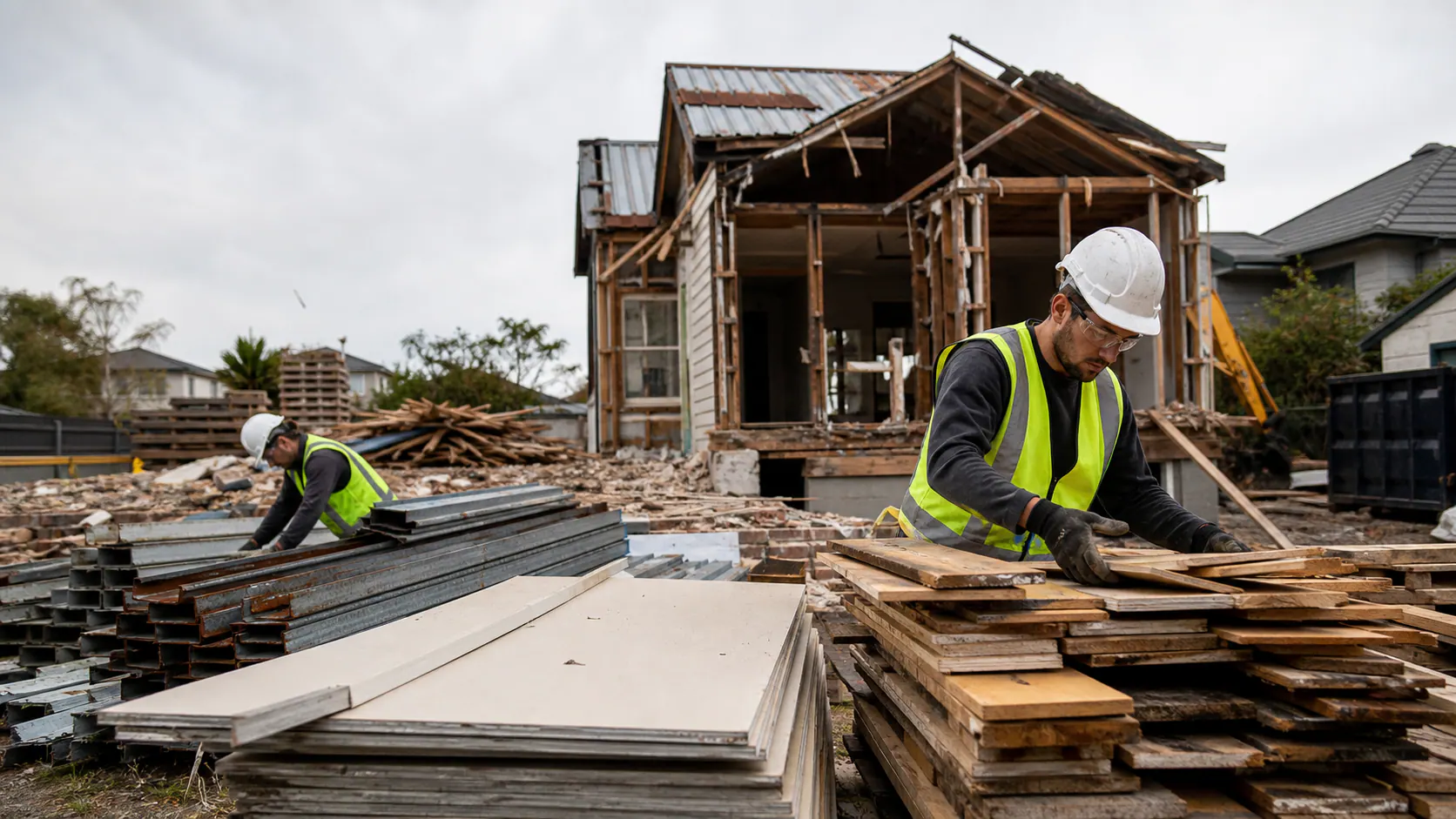
Construction waste is a design and logistics problem. Deconstruction, source separation, material records and reuse markets can retain value before mixed skips destroy it.
Category: English
New Zealand Review’s English channel publishes reporting, explainers, reviews and practical guides about New Zealand society, culture, health and everyday life.

Rural maternity care is measured in kilometres as well as appointments
For rural families, maternity access depends on travel, workforce continuity, transfer plans and accommodation near higher-level care. Funding must recognise time and geography.
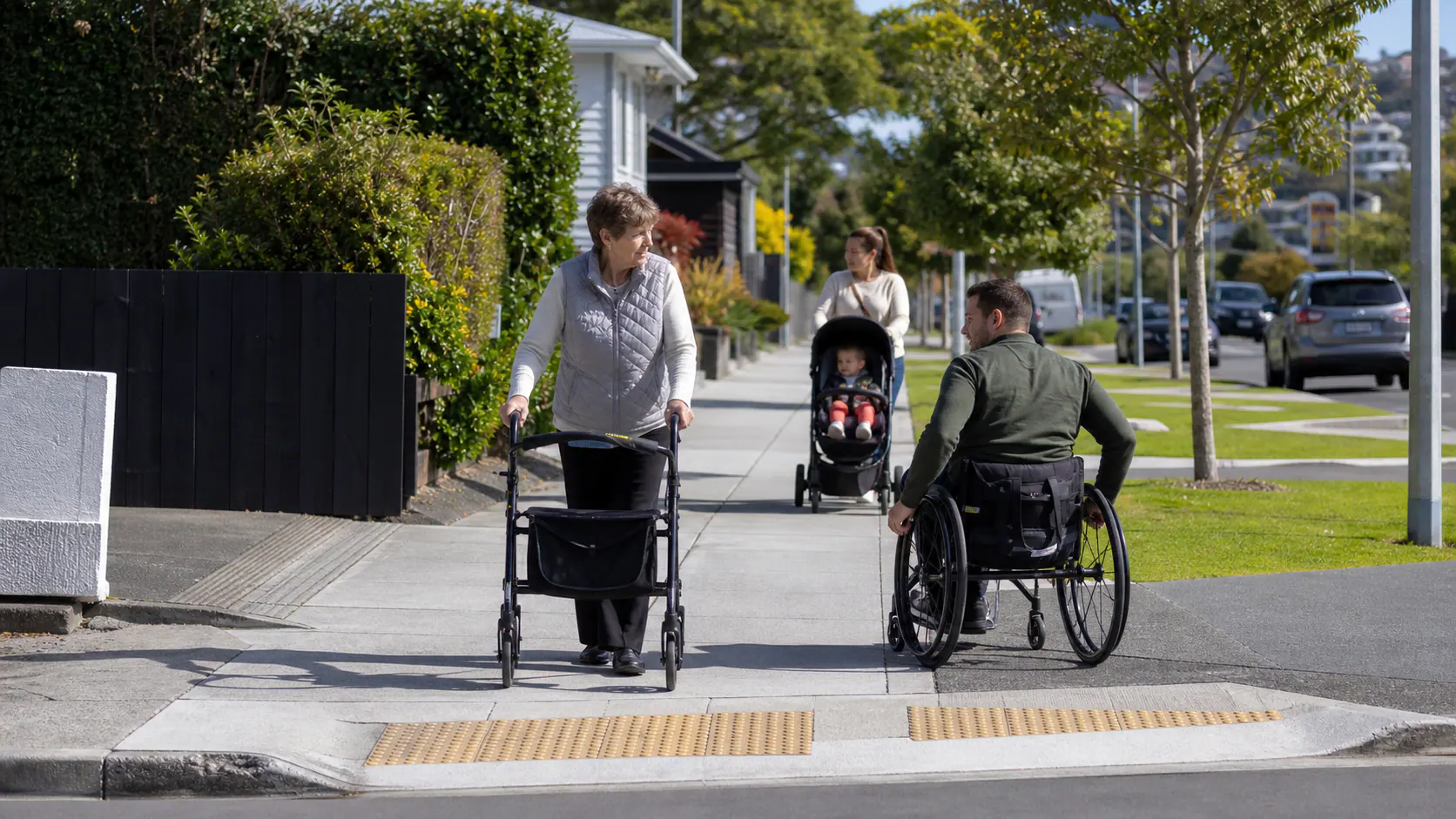
New Zealand footpaths should be managed as a continuous mobility network
A good footpath is not a decorative strip beside a road. Width, surface, crossings, driveways, vegetation and construction detours determine whether people can complete an ordinary trip.
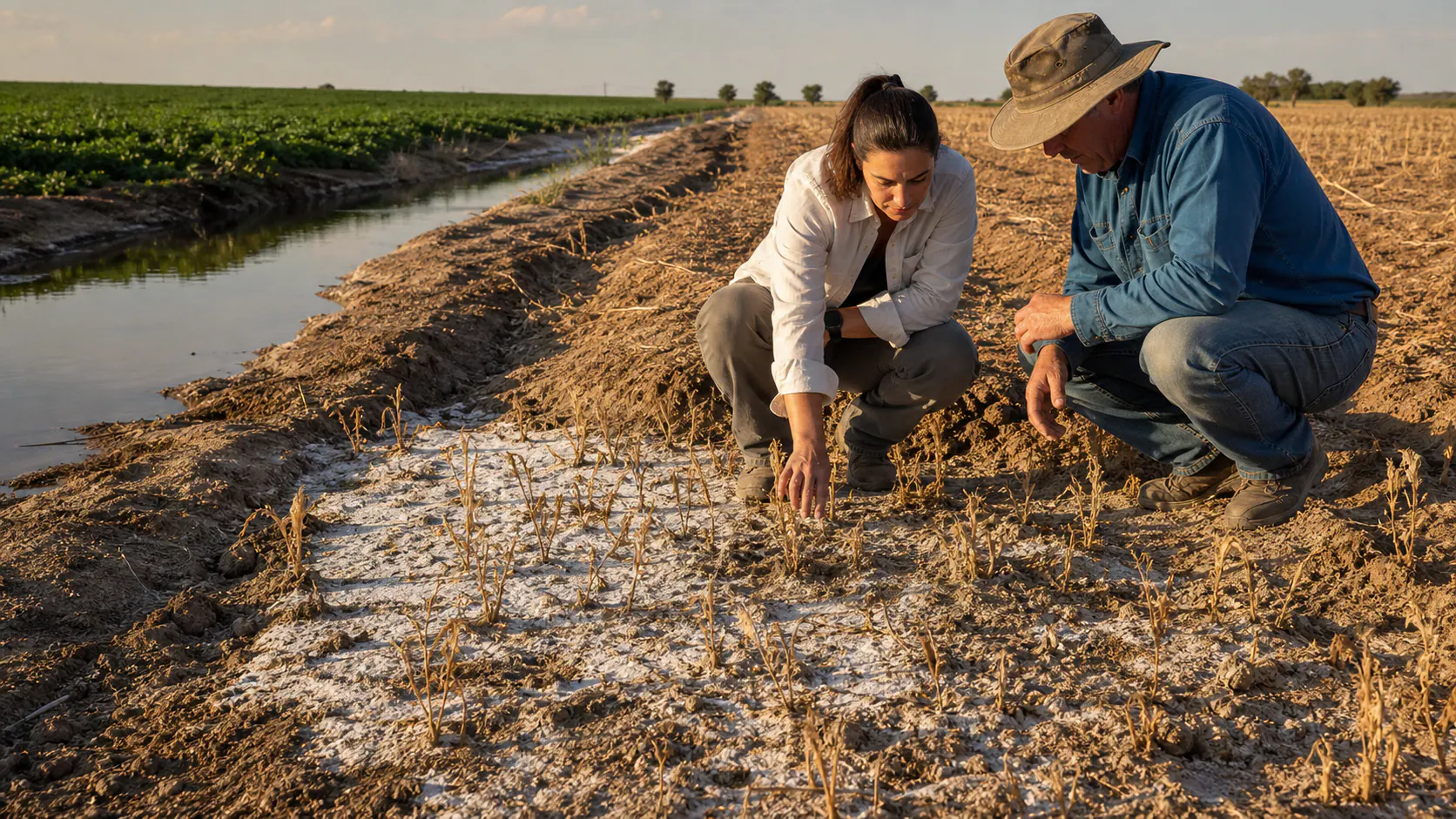
Salt is quietly taking productive soil out of circulation
Soil salinisation grows through irrigation, poor drainage, groundwater rise and sea-level intrusion. Recovery requires measurement, water management and farm economics, not a single salt-tolerant seed.
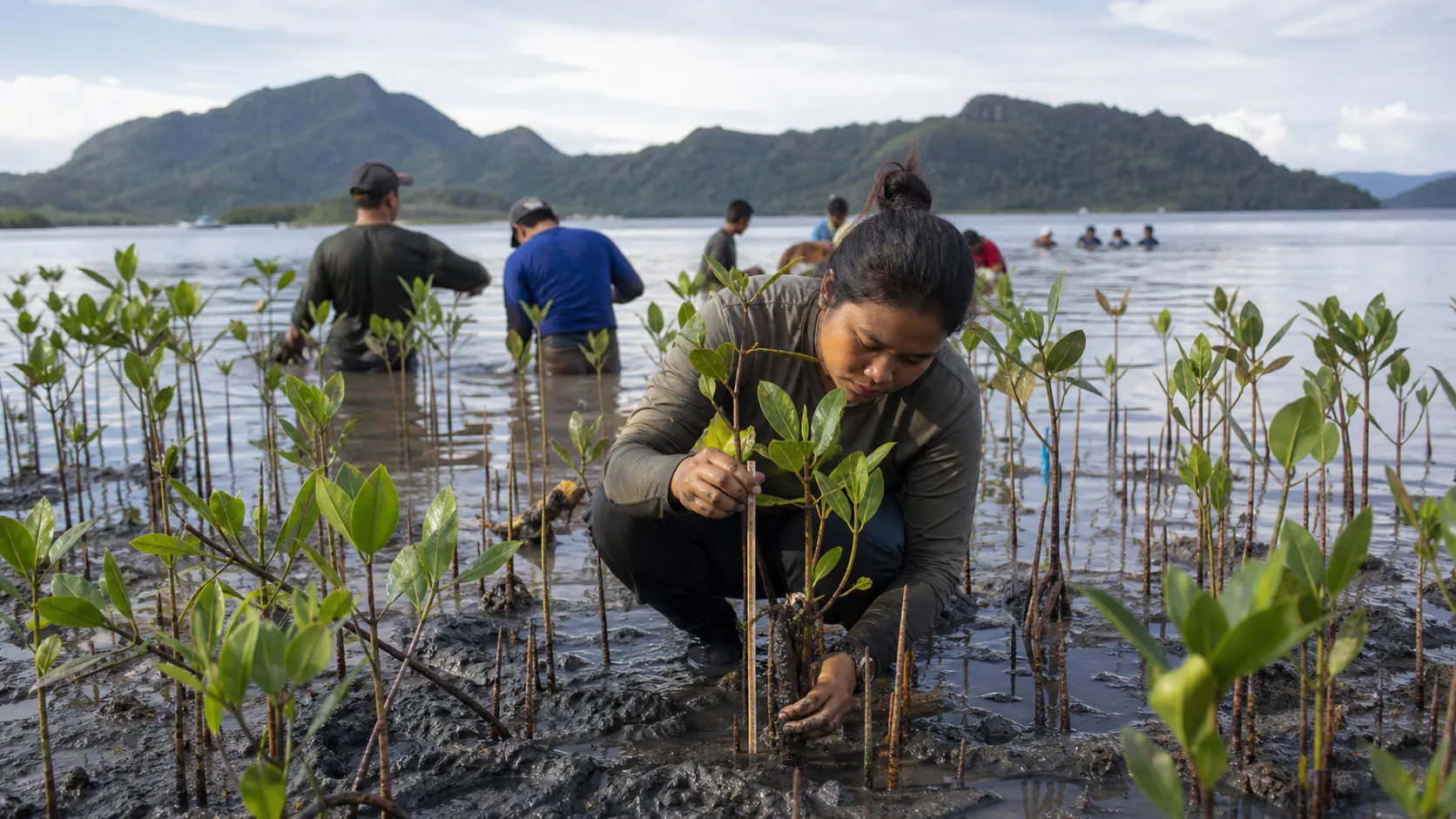
Mangrove restoration succeeds before the first seedling is planted
Mangrove projects need tidal hydrology, suitable species, community rights and long-term monitoring. Planting counts are a weak substitute for a functioning coastal forest.

China’s public services should follow the resident, not the registration book
Providing basic services where people actually live could make urbanisation more secure. Delivery will depend on school capacity, portable social insurance, housing access and municipal finance.
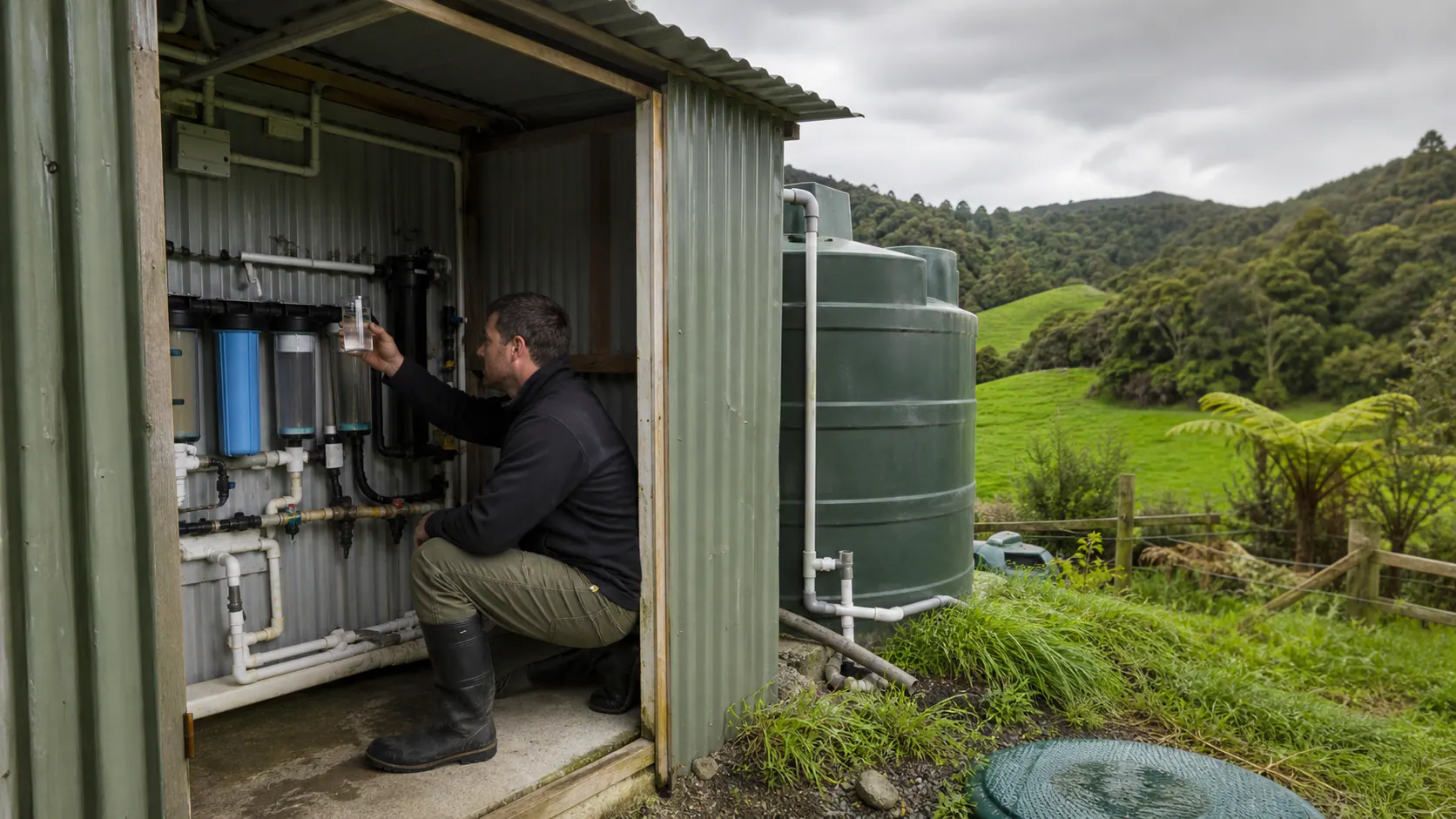
Safe drinking water gets harder when the supply is very small
Marae, halls, rural communities and mixed-use supplies face the same duty to provide safe water as larger systems, but with fewer operators, smaller budgets and less redundancy.
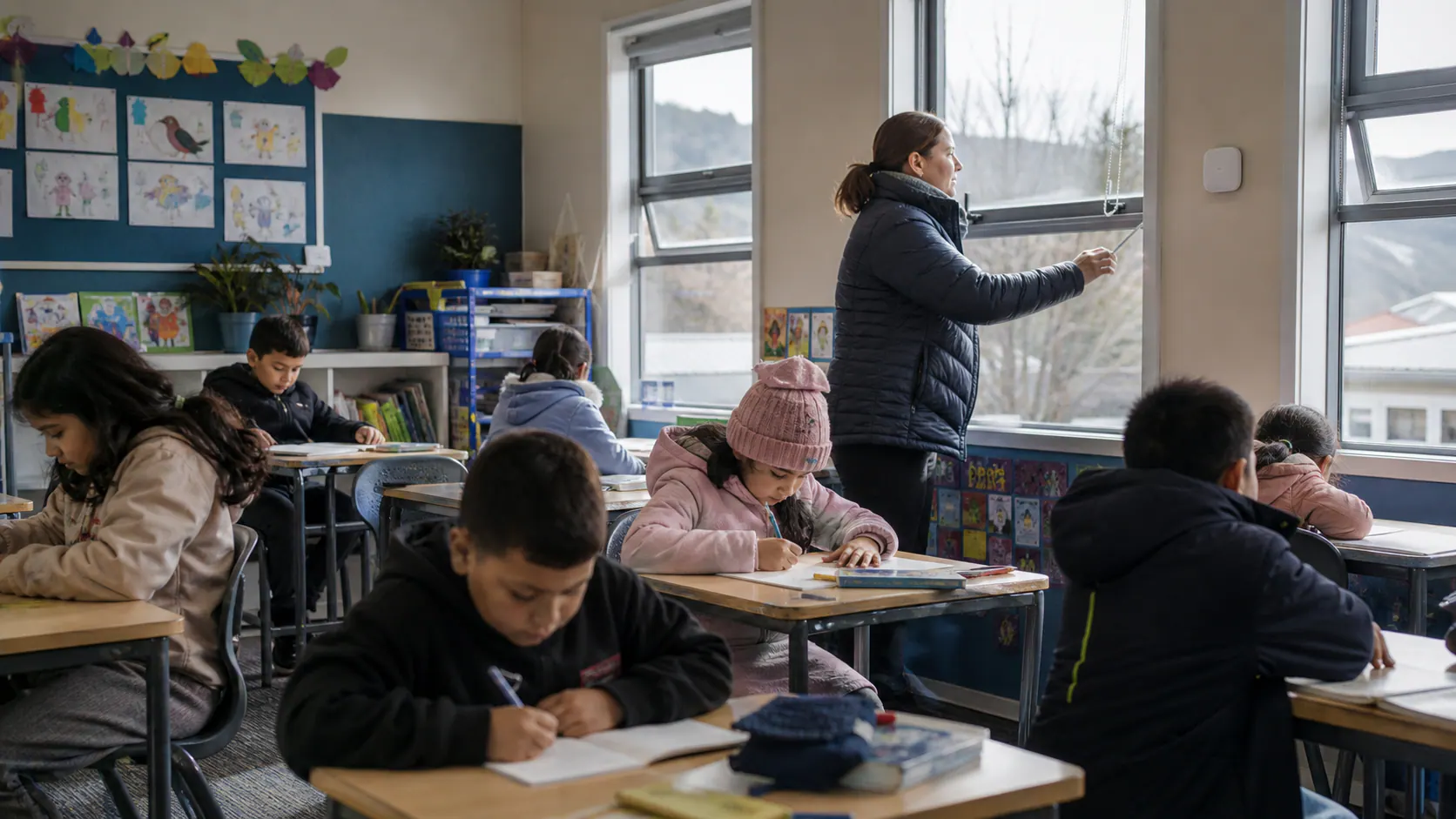
A classroom air monitor is useful only when someone can act on it
New Zealand schools can measure carbon dioxide, temperature, humidity, sound and light. The harder task is turning indoor-environment data into maintenance, teaching practice and equitable property investment.
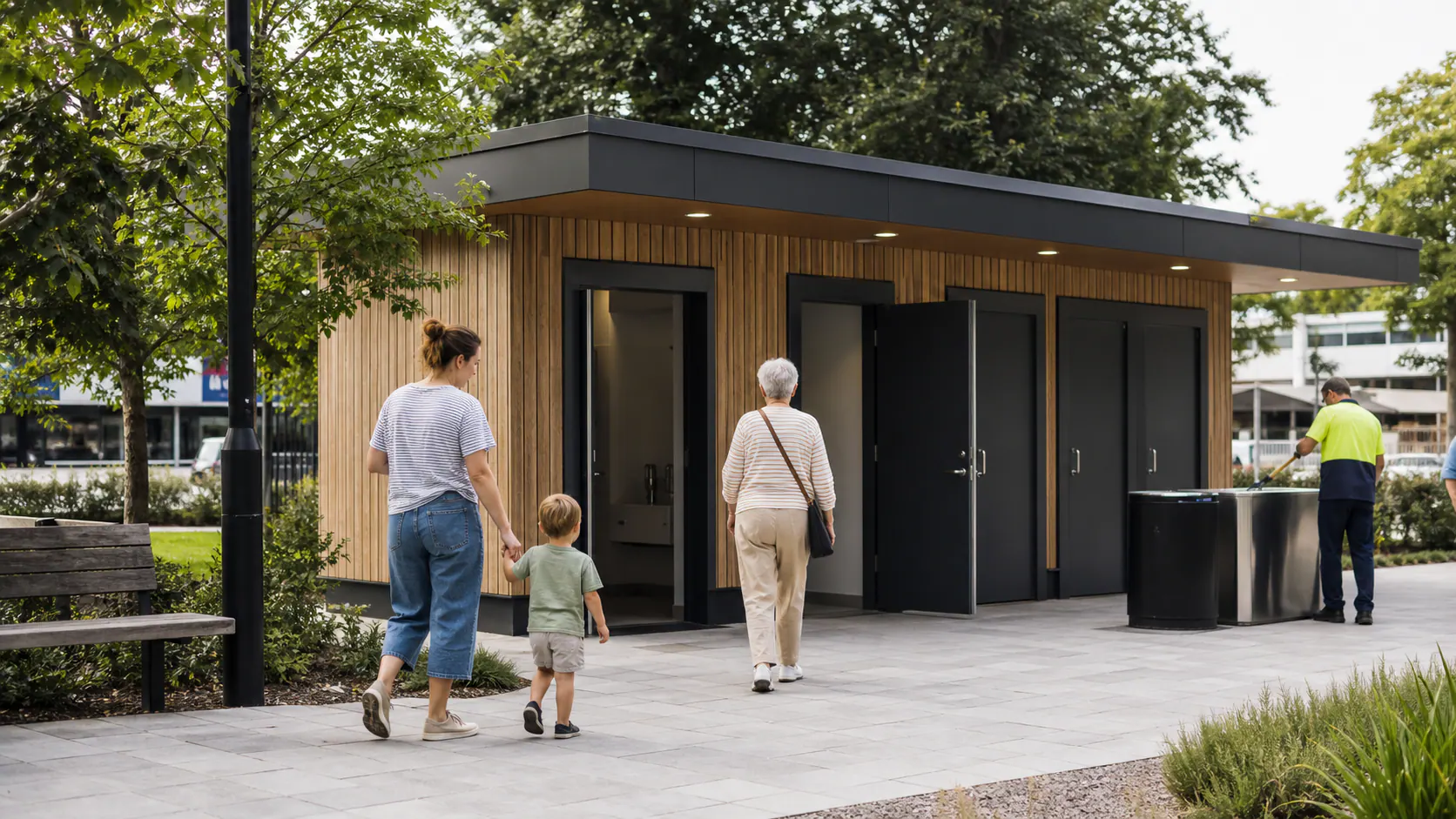
New Zealand needs a public-toilet standard people can actually use
A town can advertise walkability while quietly requiring people to plan their day around a toilet. Parents with young children, older people, pregnant peop
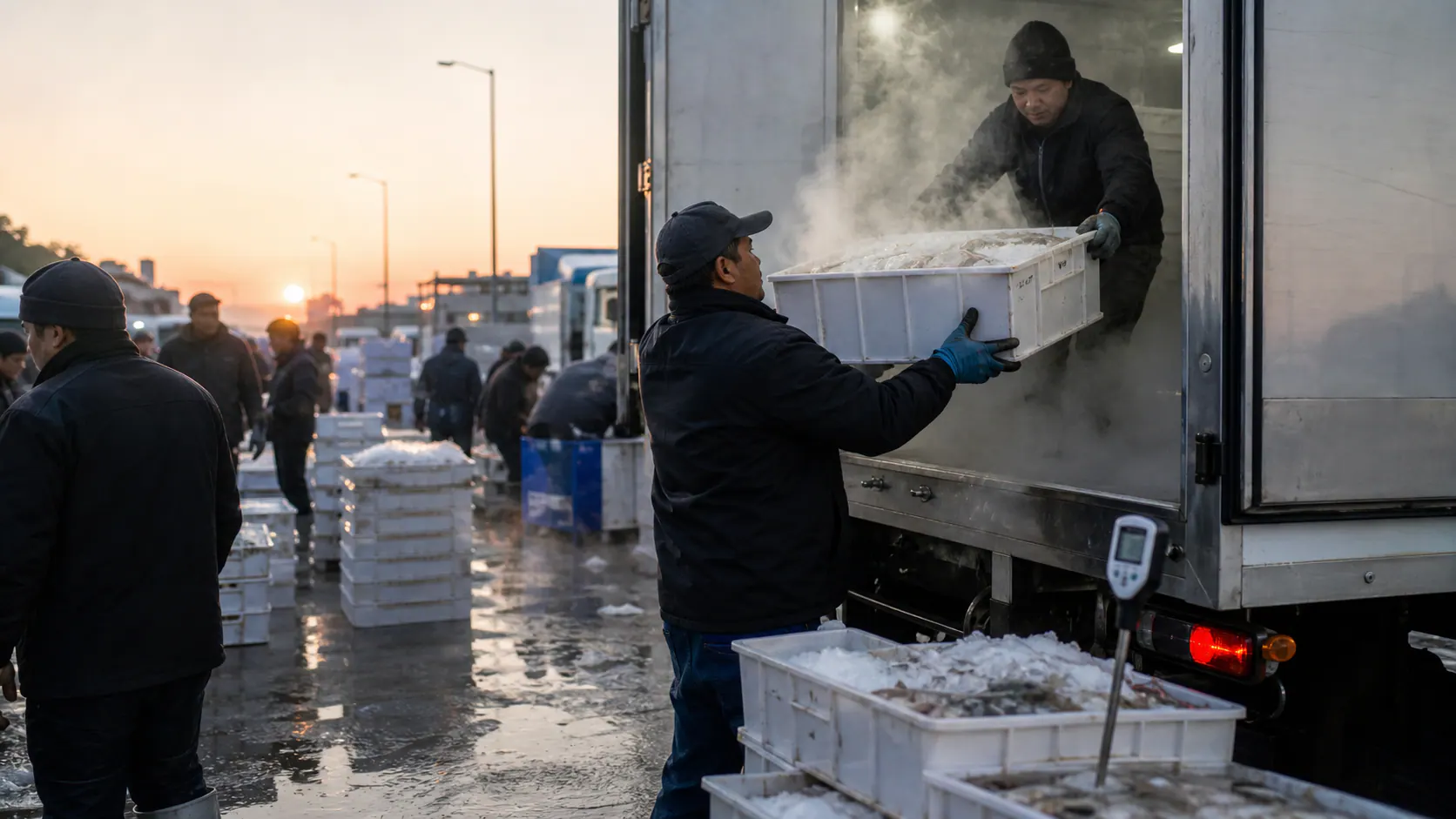
The cold chain is food infrastructure, not just refrigeration
A crate of fish or vaccines can remain cold at the warehouse and still fail on the final journey. The cold chain is not a refrigerator; it is an uninterrup