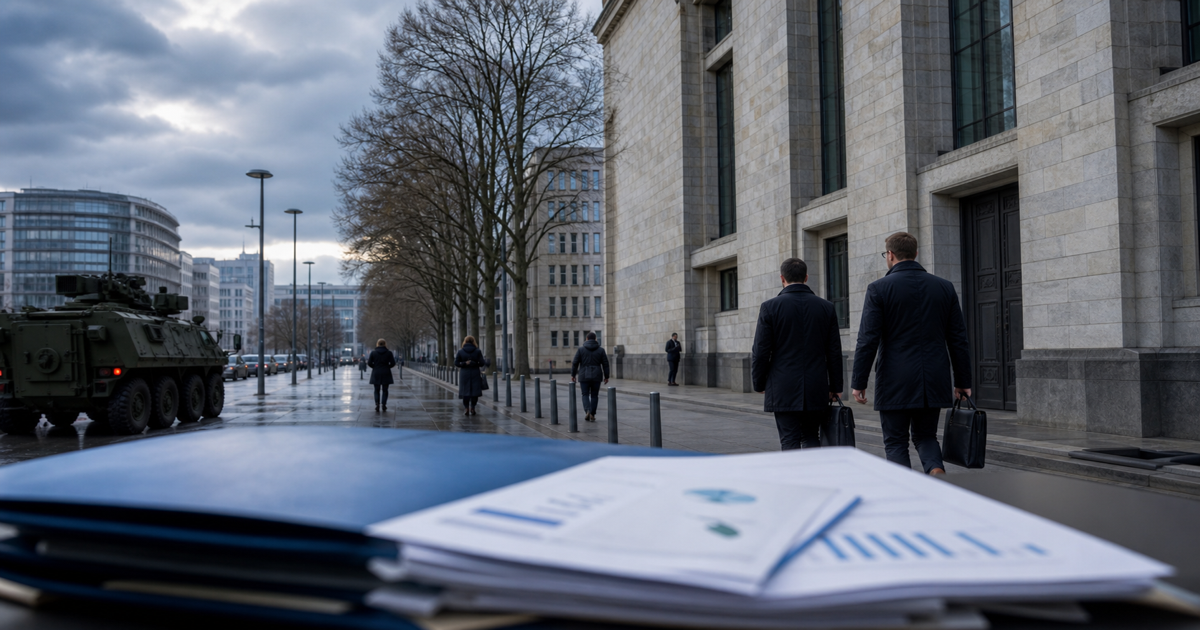
European governments are increasing defence spending as security concerns mount, a trend captured in recent international reporting including Xinhua’s roundup. The strategic logic is clear. The domestic politics are harder.
What happened and why it matters now
Russia’s war in Ukraine, uncertainty about long-term US commitments, drone warfare and pressure on NATO members have pushed defence from a specialist policy area into mainstream fiscal debate. Spending targets that once sounded abstract now compete with hospitals, pensions, housing and energy subsidies.
The context readers may be missing
Defence spending is not just tanks and aircraft. It includes munitions production, cyber capacity, logistics, air defence, satellite systems, personnel, training and industrial resilience. Europe’s problem is not only how much to spend, but how quickly money can become usable capability.
That conversion is difficult. Factories need contracts, skilled workers and supply chains. Governments need procurement discipline. Voters need to believe extra spending is necessary and not simply a blank cheque for inefficient projects.
Who is affected
- Ukraine, because European production capacity shapes long-term support.
- European taxpayers, because security bills arrive alongside welfare and infrastructure pressures.
- Defence industries, which may expand but face scrutiny over profits and delivery.
- NATO partners, because burden-sharing is now a credibility test.
The strongest counterargument
Critics argue that higher defence budgets can crowd out social spending and deepen austerity politics. That concern is real. Security policy loses democratic consent if citizens see it only as sacrifice without accountability.
What to watch next
The decisive question is whether Europe can turn spending into credible deterrence while protecting democratic legitimacy at home. Watch procurement reform, joint purchasing, domestic budget debates and whether governments explain security as a public good rather than a permanent emergency.