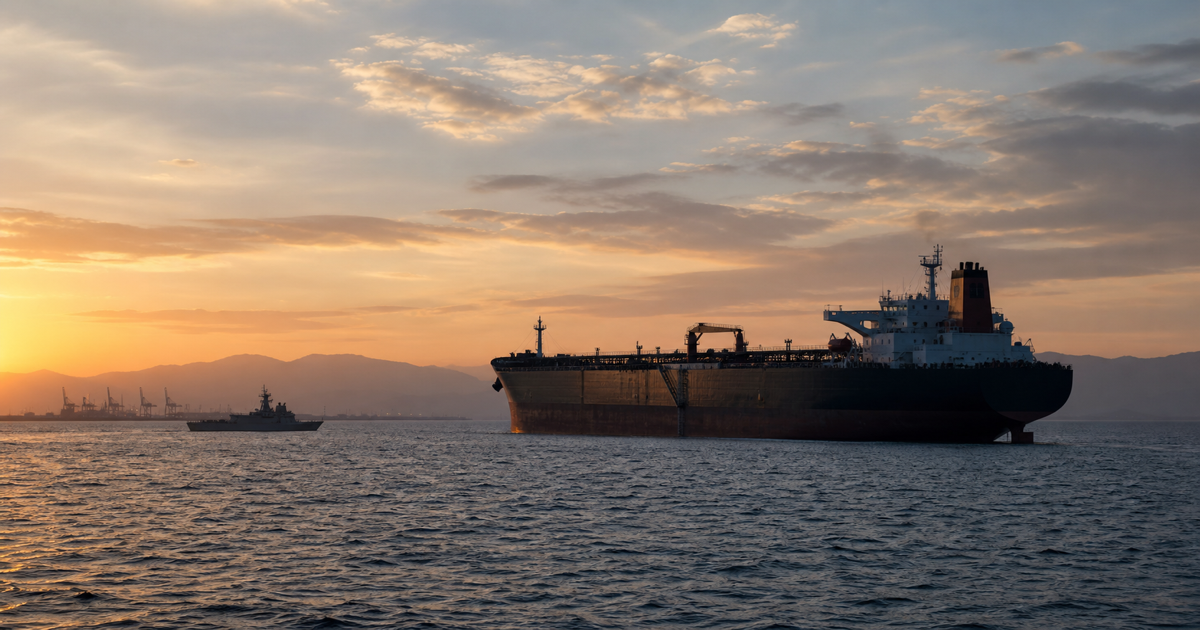
When reports of strikes, air defences and warnings around Iran appear, the world’s energy market looks first to one narrow waterway. Recent regional escalation reported by international agencies and Xinhua’s latest Middle East updates again shows why the Strait of Hormuz is not just a map label.
What happened and why it matters now
The details of each exchange may be contested in the early hours of a crisis, but the strategic pattern is familiar: military risk around Iran quickly raises questions about tanker traffic, insurance costs, oil prices and whether outside powers will try to keep commercial shipping moving.
Hormuz matters because a significant share of global seaborne oil and LNG moves through it. Even if ships keep sailing, perceived risk can raise freight rates, insurance premiums and hedging costs. Consumers may feel the result later through fuel prices, inflation expectations and central-bank caution.
The context readers may be missing
Energy security is not only about physical supply. It is also about confidence that supply will arrive on time, at a price buyers can tolerate, through routes insurers and shipowners are willing to use. That is why a single tanker incident can have market effects beyond its direct damage.
Who is affected
- Gulf energy exporters and Asian importers, including economies highly exposed to oil and LNG flows.
- Shipping firms and insurers, which price risk immediately.
- Households and businesses, because fuel and freight feed into wider inflation.
- Governments trying to deter escalation without triggering wider war.
What remains uncertain
In fast-moving conflicts, early claims can be incomplete or politically shaped. Analysts need to distinguish confirmed attacks, threats, military posturing and market fear. The practical question is whether shipping keeps moving, whether escorts increase, and whether any actor benefits from disruption.
What to watch next
Watch tanker-tracking patterns, insurance notices, official naval statements, OPEC commentary and oil futures. The key insight is that Hormuz turns geopolitical signalling into a household-economy issue. A local escalation can become global because the route is both physically narrow and economically huge.