Opinion: If public transport needs an emergency fund to keep services credible, the emergency is not only financial. It is conceptual. RNZ reported that the Government has floated using a $450 million emergency fund for public transport. The very framing tells us what is wrong.
The thesis
New Zealand still talks about public transport as if it were a discretionary urban amenity. It is not. In large cities, it is labour-market infrastructure, climate infrastructure, household-cost infrastructure and social-equity infrastructure. Treating it as optional guarantees recurring funding shocks.
What happened and why it matters
The debate is partly about budgeting mechanics: what was known, what was funded, and why a reserve might be used. But the larger issue is that public transport often becomes visible to central government only when services are threatened, councils are squeezed, or fare increases become politically awkward.
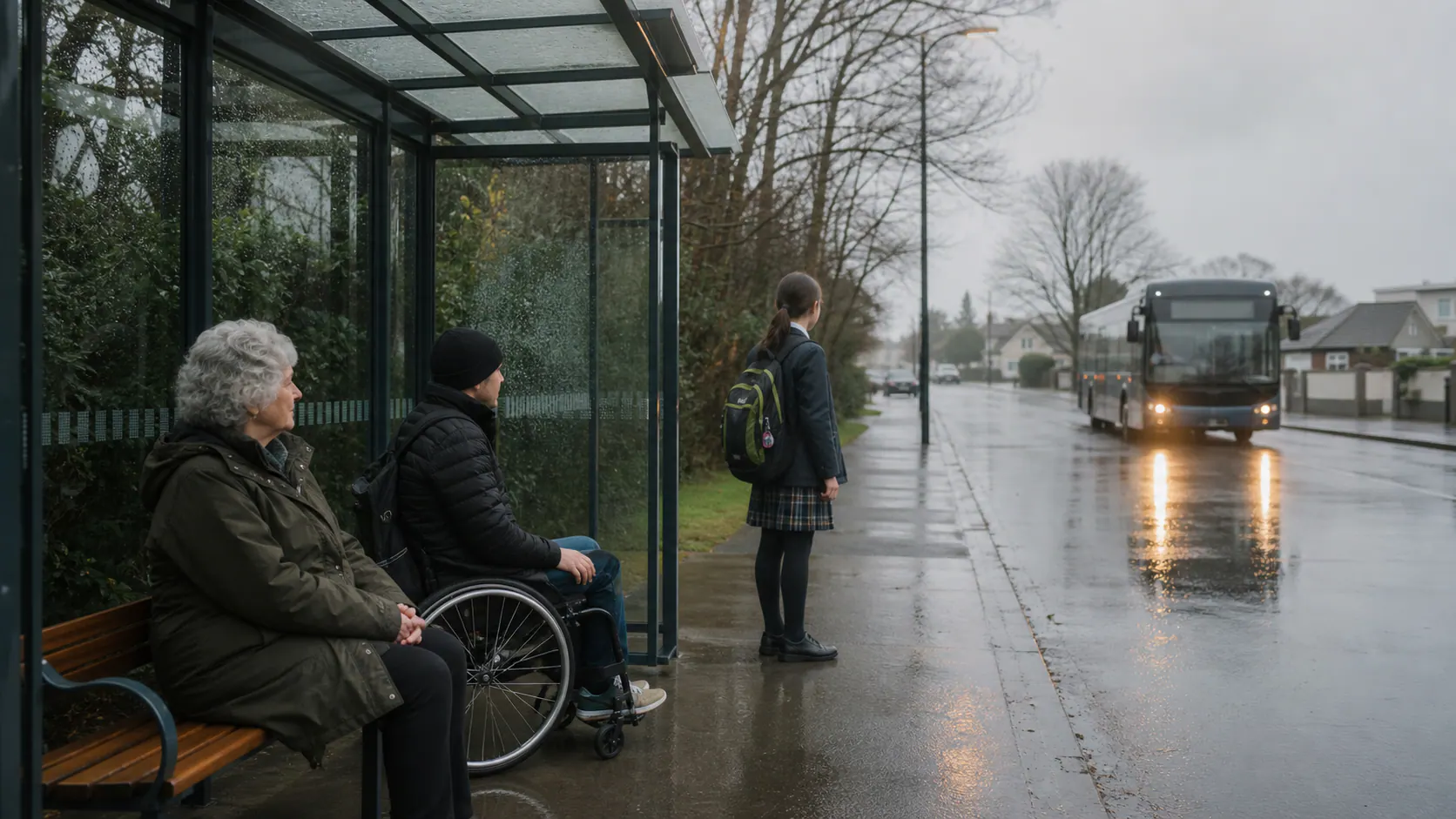
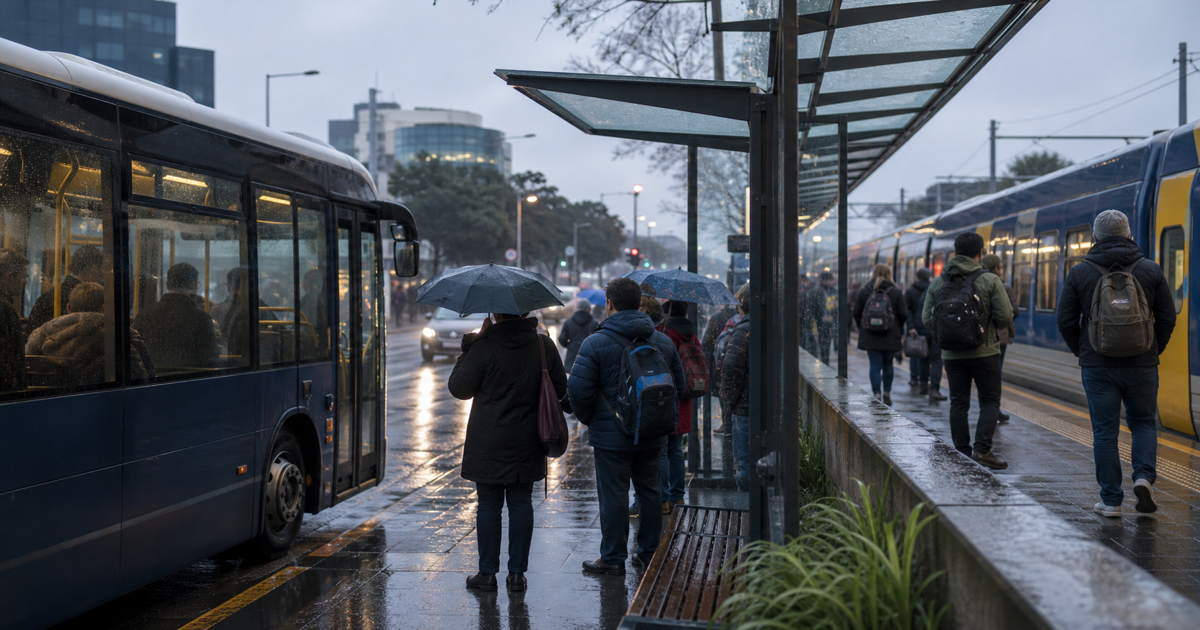
For the people who rely on buses and trains, this is not an abstract policy cycle. A cancelled route can mean a longer commute, a missed class, fewer job options or more pressure to own a car. The cost of weak service is paid in time before it is paid in dollars.
The evidence
Urban growth, congestion, emissions targets and household cost pressures all point in the same direction: reliable shared transport is a core service. Yet funding is split across central government, councils, fares and one-off packages, which makes long-term planning fragile.
The best counterargument
The counterargument is that government money is limited and public transport must compete with roads, health, education and debt control. That is fair. Not every route should be protected forever, and agencies should be accountable for performance.
Why the thesis still holds
But accountability is not the same as instability. A service cannot become reliable if its funding is repeatedly treated as a temporary rescue. The right debate is not whether public transport deserves a blank cheque. It is what level of service the country expects, who pays, and how funding can be predictable enough for operators, councils and passengers to plan around.
What should happen next
The Government should move the argument from rescue to baseline. Define minimum service expectations for major urban areas, publish transparent cost sharing, and connect transport funding to housing and climate policy. A bus that turns up on time is not a luxury. It is one of the quiet systems that lets a city function.