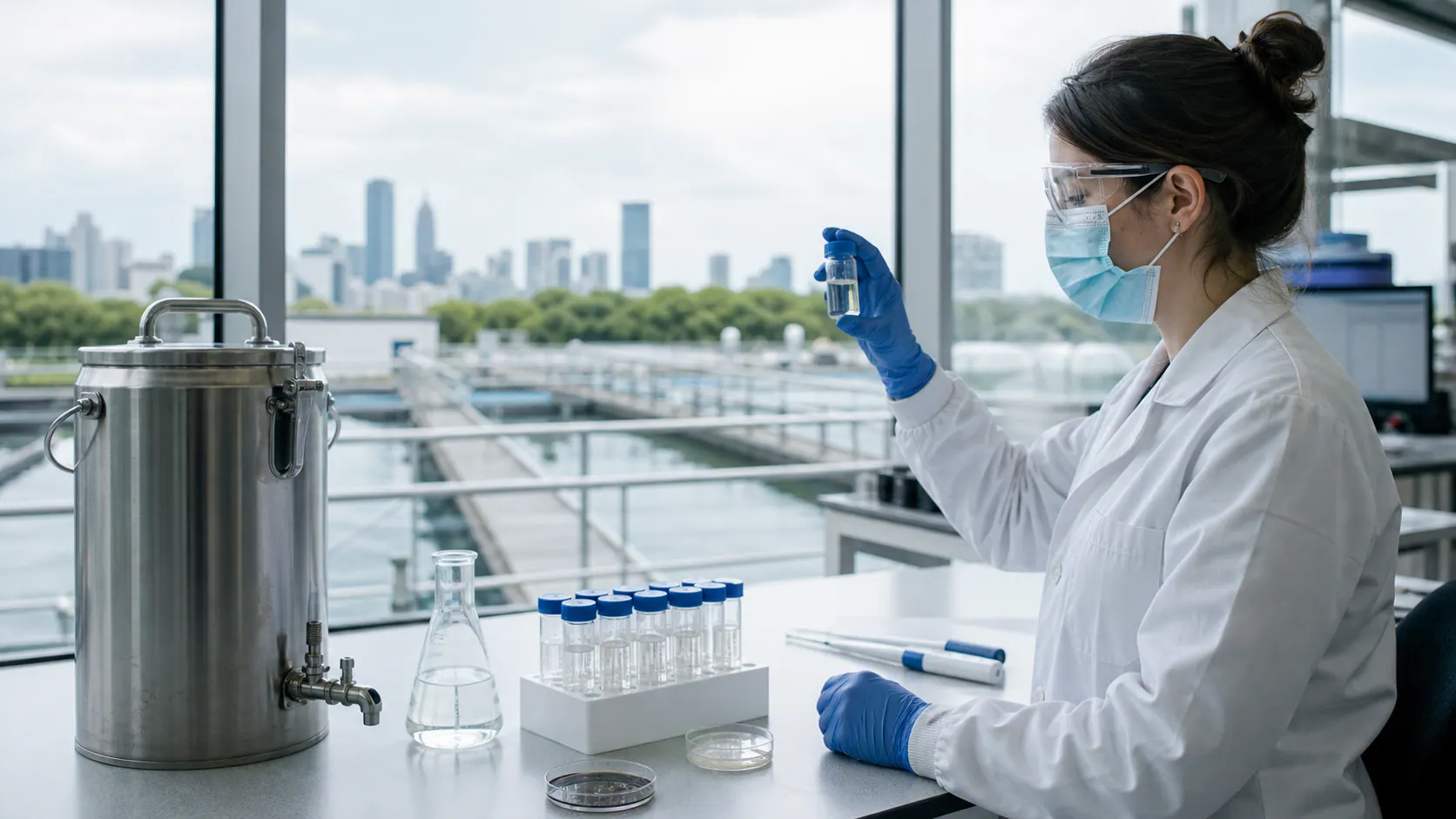
A hospital laboratory sees the patients who were tested. A sewer receives biological traces from almost everyone connected to it, including people who never sought care, animals and sometimes industrial or health-facility discharges. That messy mixture is precisely why wastewater is becoming attractive for antimicrobial-resistance surveillance.
The World Health Organization’s 2025 guidance describes wastewater and environmental surveillance as a complement to clinical systems. It can monitor resistant pathogens, resistance genes and mobile genetic elements across a population. The promise is an earlier, broader signal. The danger is mistaking a signal for a diagnosis.
Why clinical surveillance has blind spots
Clinical data are indispensable because they connect a pathogen, drug response and patient outcome. But testing practices differ, access to care is unequal and many infections never produce a sample. A national dataset can therefore describe tested patients better than the whole community.
Wastewater pools contributions and may reveal trends across catchments. It can also monitor multiple targets from the same sample, building on infrastructure expanded during COVID-19. This makes it potentially efficient, especially where laboratory access is limited.
The sample is not the population
Rainfall, industrial discharge, sewer travel time, temperature and sampling location change what reaches the laboratory. A resistance gene can come from harmless bacteria as well as a dangerous pathogen. Detecting it does not show who carries it, whether they are ill or whether treatment failed.
Methods must therefore be validated for local systems. Repeated measurements, flow adjustment and carefully chosen targets are more useful than a single dramatic detection. Comparisons between cities are risky when sampling and analysis differ.
Surveillance needs an action pathway
A result matters only if somebody knows what to do next. Rising resistance might trigger targeted clinical sampling, investigation of a healthcare facility, review of antibiotic prescribing or inspection of pharmaceutical and agricultural discharges. Each action requires a threshold and a responsible agency.
Without that pathway, programmes can accumulate technically impressive data while public-health teams lack authority or resources to respond. Pilot projects should be evaluated against decisions improved, not samples processed.
Privacy is different, not absent
Wastewater usually cannot identify individuals when sampling large catchments, but small facilities such as prisons, dormitories or aged-care homes create ethical risks. Communities may be stigmatised if findings are publicised without context. Sampling plans need governance, minimum catchment sizes and clear communication rules.
Public dashboards should explain uncertainty and avoid ranking neighbourhoods as “dirty” or irresponsible. Resistance is shaped by prescribing, infection control, sanitation, agriculture, travel and industry; it is not a moral property of residents.
A One Health advantage
Antimicrobial resistance moves among humans, animals and the environment. Wastewater can help connect those domains, particularly around hospitals, farms, slaughter facilities and manufacturing sites. That makes it valuable for One Health strategies that otherwise remain institutionally fragmented.
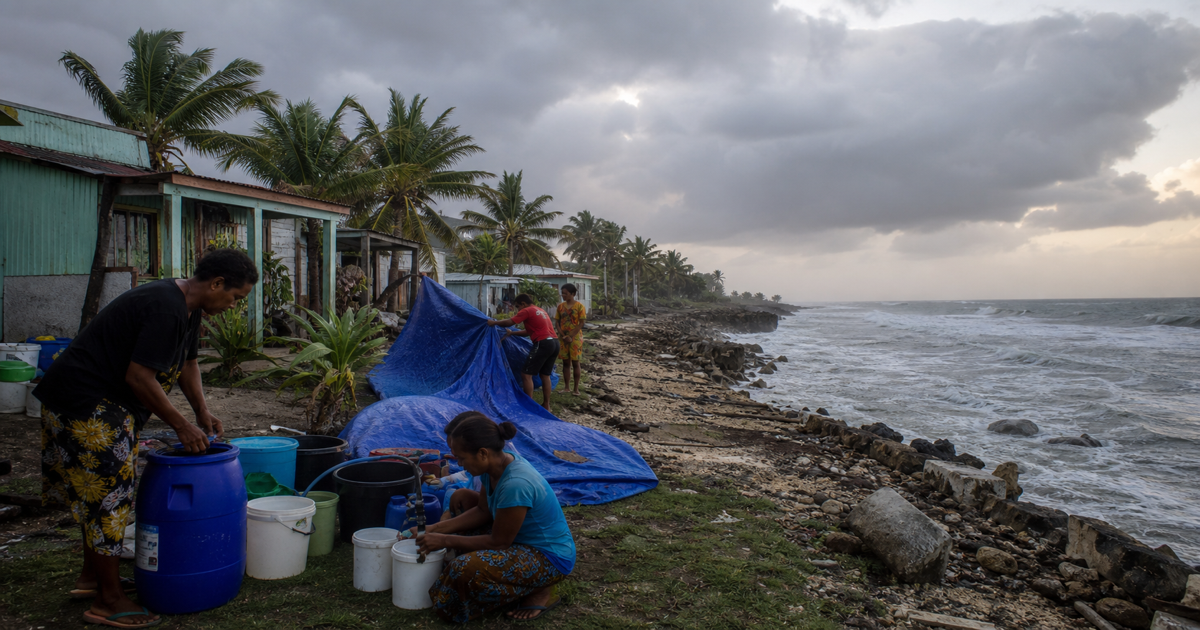
It also exposes infrastructure inequality. Communities without safe sanitation are both more vulnerable to infection and harder to monitor through conventional sewer networks. Surveillance investment cannot substitute for clean water, hygiene and treatment capacity.
Build slowly enough to trust the signal
The sensible sequence is to define priority questions, standardise sampling, run wastewater and clinical systems together, test whether alerts predict useful outcomes and publish limitations. International comparability should follow method quality, not precede it.
Wastewater surveillance will not tell doctors which antibiotic to prescribe to an individual. Its contribution is population sight: showing where resistance may be changing before the clinical picture is complete. Used carefully, the sewer can become a public-health observatory. Used carelessly, it becomes another stream of numbers looking for a decision.