The most visible image of wildfire is flame. For public health, the larger exposure may be smoke: a shifting plume that crosses municipal and national borders, enters homes and workplaces, and persists after the immediate emergency leaves headlines.
WHO identifies fine particulate matter, especially PM2.5, as the principal public-health threat in wildfire smoke. These particles can reach deep into the lungs and are associated with respiratory and cardiovascular harm. Preparedness therefore cannot begin only when people are told to evacuate. It begins with the buildings where they spend most of the day.
Smoke is a regional hazard
A community can experience hazardous air without a nearby fire. Forecasts must combine fire behaviour, wind, terrain and monitoring, while alerts should acknowledge uncertainty. A single citywide number can conceal neighbourhood differences and indoor exposure.
Authorities need shared thresholds and consistent language so that crossing a border does not produce contradictory advice.
Clean air is infrastructure
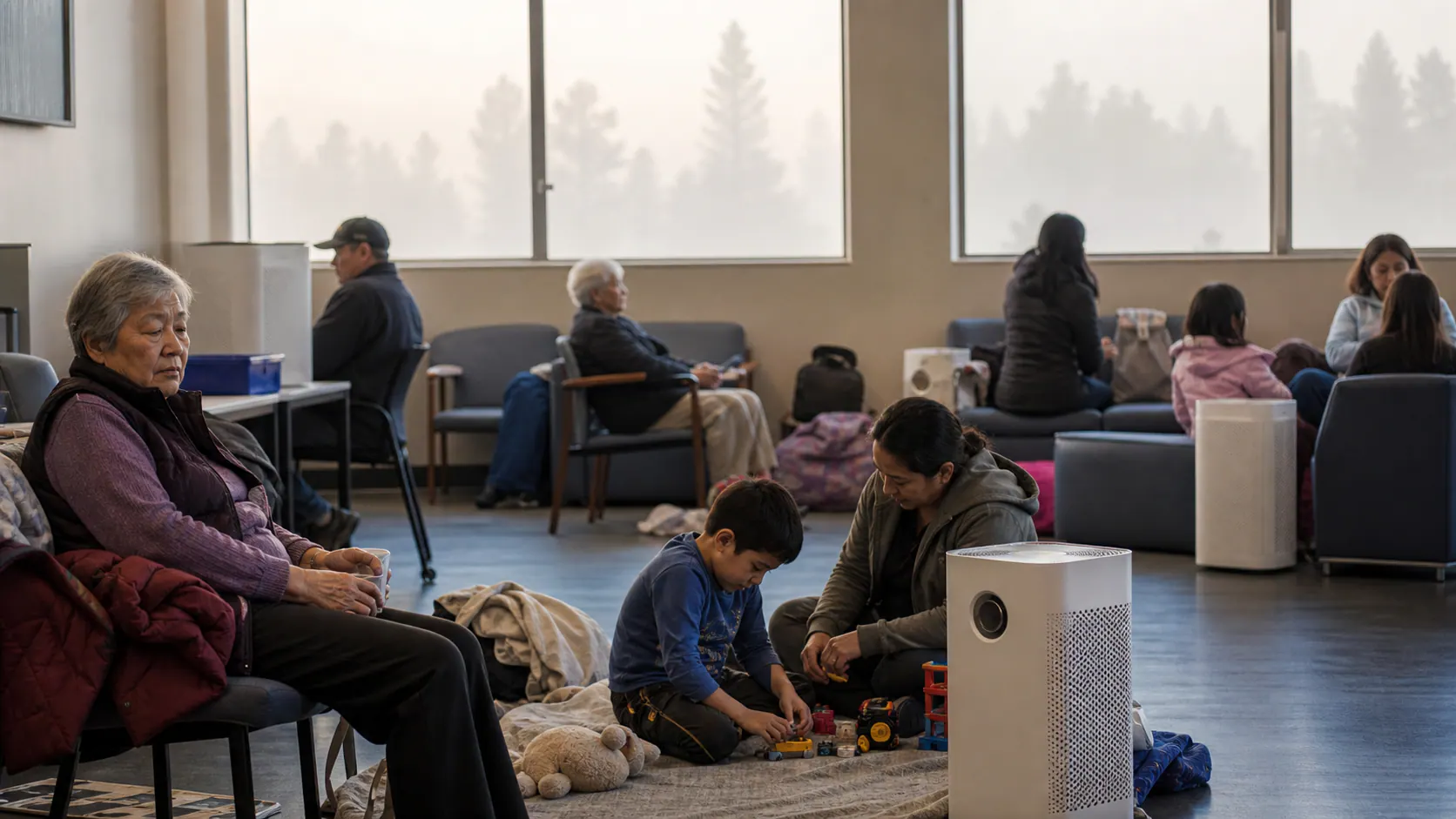
Libraries, schools, community centres and marae can serve as cleaner-air spaces if filtration, sealing, power, capacity and staffing are prepared in advance. Naming a shelter without testing its indoor air is not a plan.
Buildings should be assessed before smoke season. Portable filtration can help, but sizing, filter replacement, noise and safe electrical loading matter. Ventilation guidance must adapt: bringing in outdoor air is normally healthy, but not when the plume is severe.
Staying indoors is not equally possible
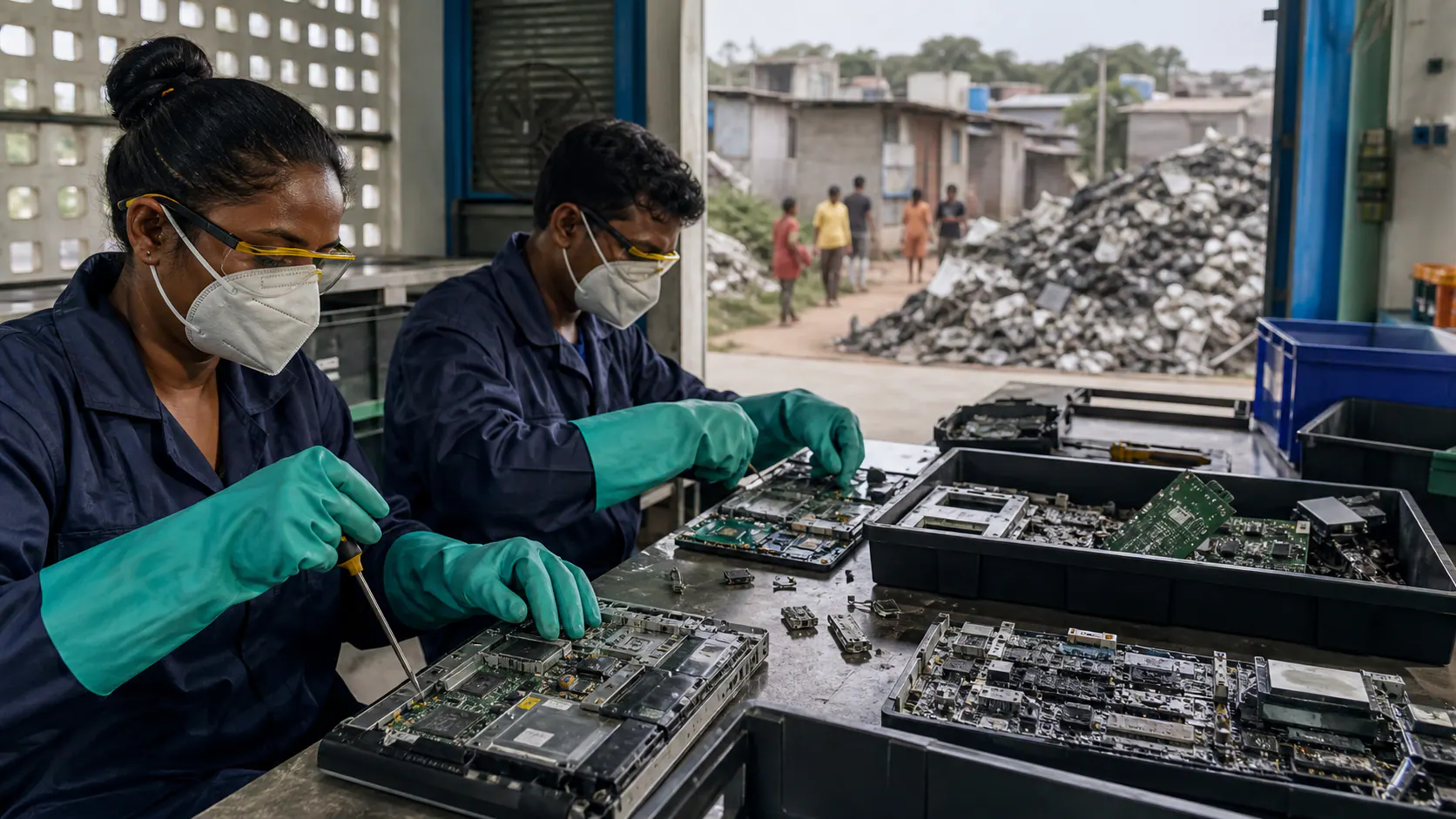
Outdoor workers, people in insecure housing, delivery workers and those without effective filtration cannot follow generic advice. Labour rules should define when work is modified, paused or moved, and employers should provide appropriate respiratory protection when exposure cannot be avoided.
Schools and care facilities need plans for children, older people, pregnancy and chronic heart or lung disease. Health messaging should recommend contacting clinicians without turning every smoky day into panic.
Masks have a role and limits
A well-fitted particulate respirator can reduce inhalation, while loose cloth or surgical masks are not designed to filter fine smoke effectively. Fit, facial hair, breathing difficulty and supply affect use.
Masks do not remove gases, cool a hot environment or make heavy outdoor exertion safe. They should sit inside a hierarchy that prioritises reducing exposure and cleaning air.
Monitoring should include the indoors
Low-cost sensors can reveal whether a room is genuinely protective, but their readings require calibration and interpretation. Public agencies can support community networks while maintaining reference monitors and publishing methods.
Indoor targets are particularly useful for shelters and schools. A building that looks sealed may still have high infiltration through doors, damaged filters or poorly controlled ventilation.
Recovery lasts beyond the plume
Ash cleanup can resuspend particles and expose workers to hazardous residues. Guidance should address protective equipment, wet cleaning, waste handling and when professional remediation is needed. Mental health and financial strain also follow repeated smoke seasons.
Public reporting should examine hospital demand, worker exposure, school disruption and access to clean-air spaces, not merely outdoor averages.
Preparedness is a distribution choice
Households with money can buy filtration, improve windows or leave town. Public policy determines whether protection is also available to renters, isolated communities and people whose jobs keep them outdoors.
The goal is not a promise of risk-free air. It is to reduce dose, communicate honestly and make a safe indoor option an ordinary part of emergency infrastructure. Wildfire smoke begins outdoors; much of the preventable harm is decided indoors.