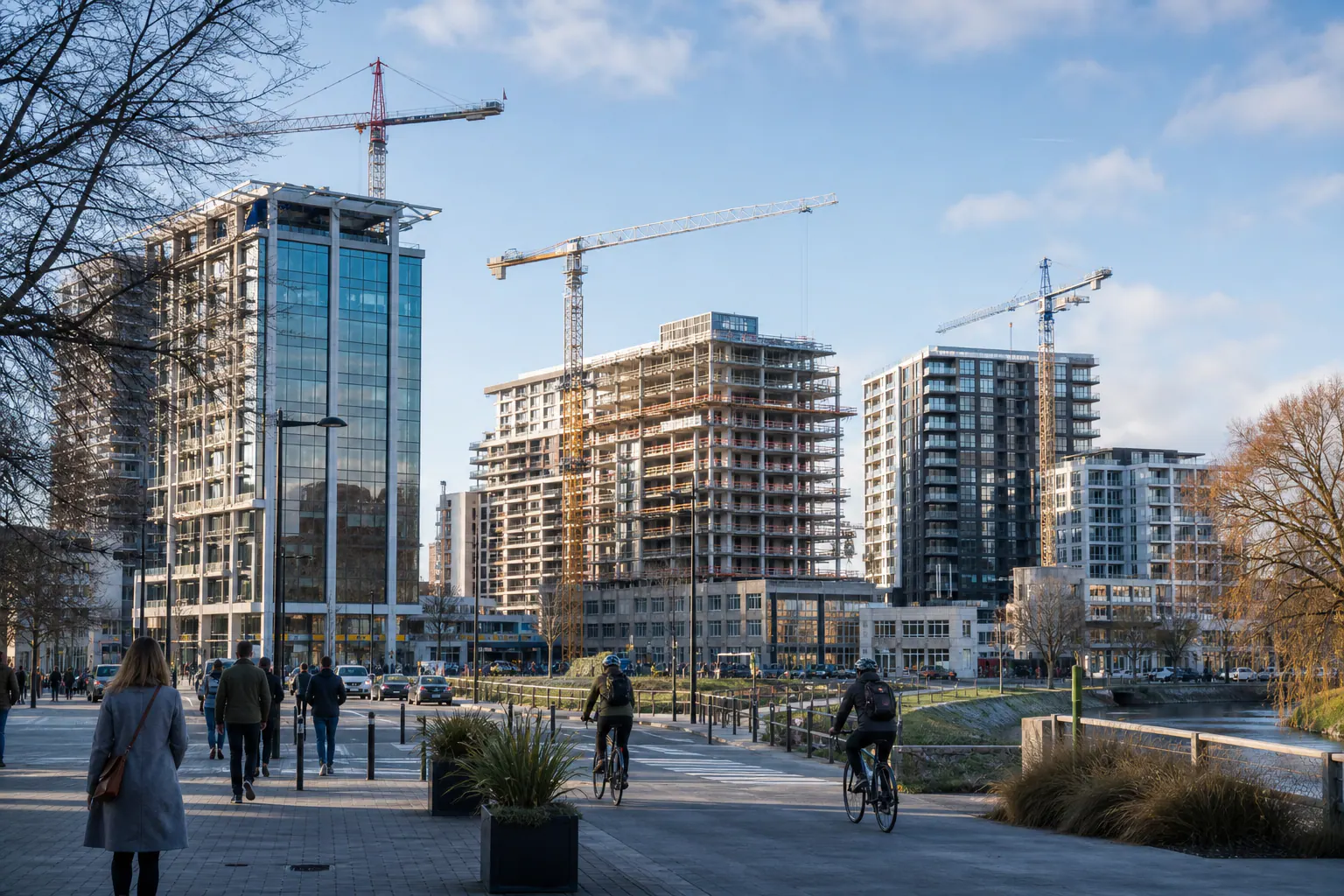
Christchurch has lived with the language of recovery for so long that it can be hard to know when a visible change is genuinely new. A crane on the skyline
Tag: New Zealand

New Zealand’s school-reform fight is really about classroom complexity
School reform is often sold in clean sentences. Lift achievement. Clarify the curriculum. Improve attendance. Strengthen literacy and numeracy. Hold school

New Zealand should be careful before narrowing who gets to vote
Voting rules look technical until they decide who counts as part of the political community. NZ First’s proposal to restrict voting to citizens only, repor

Trade talks with seven new markets sound bold. The hard part is turning access into resilience
Trade announcements are easy to frame as big numbers and bigger maps. A government promises new markets, exporters imagine more buyers, and political leade

New Zealand’s fuel plan is really a household-resilience test
Fuel security usually lives in the language of terminals, inventories, shipping routes and emergency plans. But the moment prices jump or supply becomes un

New Zealand’s mega-ministry will only work if it changes incentives, not letterheads
New Zealand’s new mega-ministry sounds like a bureaucratic reshuffle. It should be judged as something more demanding: a test of whether the state can stop
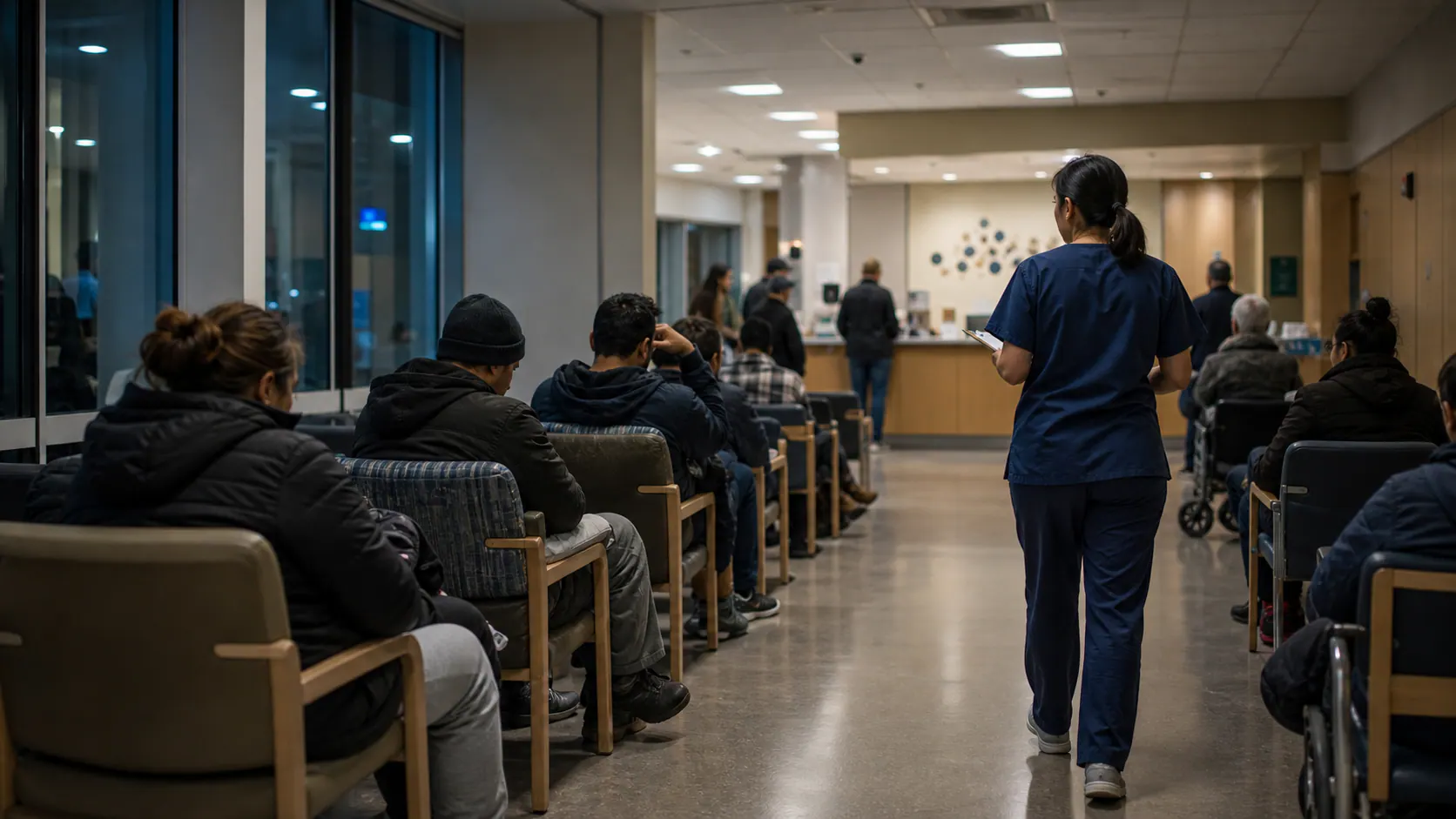
Waikato’s ED death review points to a national waiting-room problem
Emergency departments are designed for uncertainty. People arrive with pain, fear, unclear symptoms and changing risk. The system’s job is to sort urgency

The PM’s climate OIA breach is really about how governments handle risk
Official information disputes often sound procedural until they touch power. The Ombudsman’s finding that the Prime Minister’s office breached the Official

Auckland’s new birthing unit should make New Zealand ask a bigger question
A new birthing unit is easy to celebrate. It is also easy to misunderstand. The opening of a primary birthing unit in central Auckland should not be treate

New Zealand’s baby question is becoming a cost-of-living question
When a couple says they cannot afford children, they are not only making a private family decision. They are giving the country a quiet economic signal. 1N