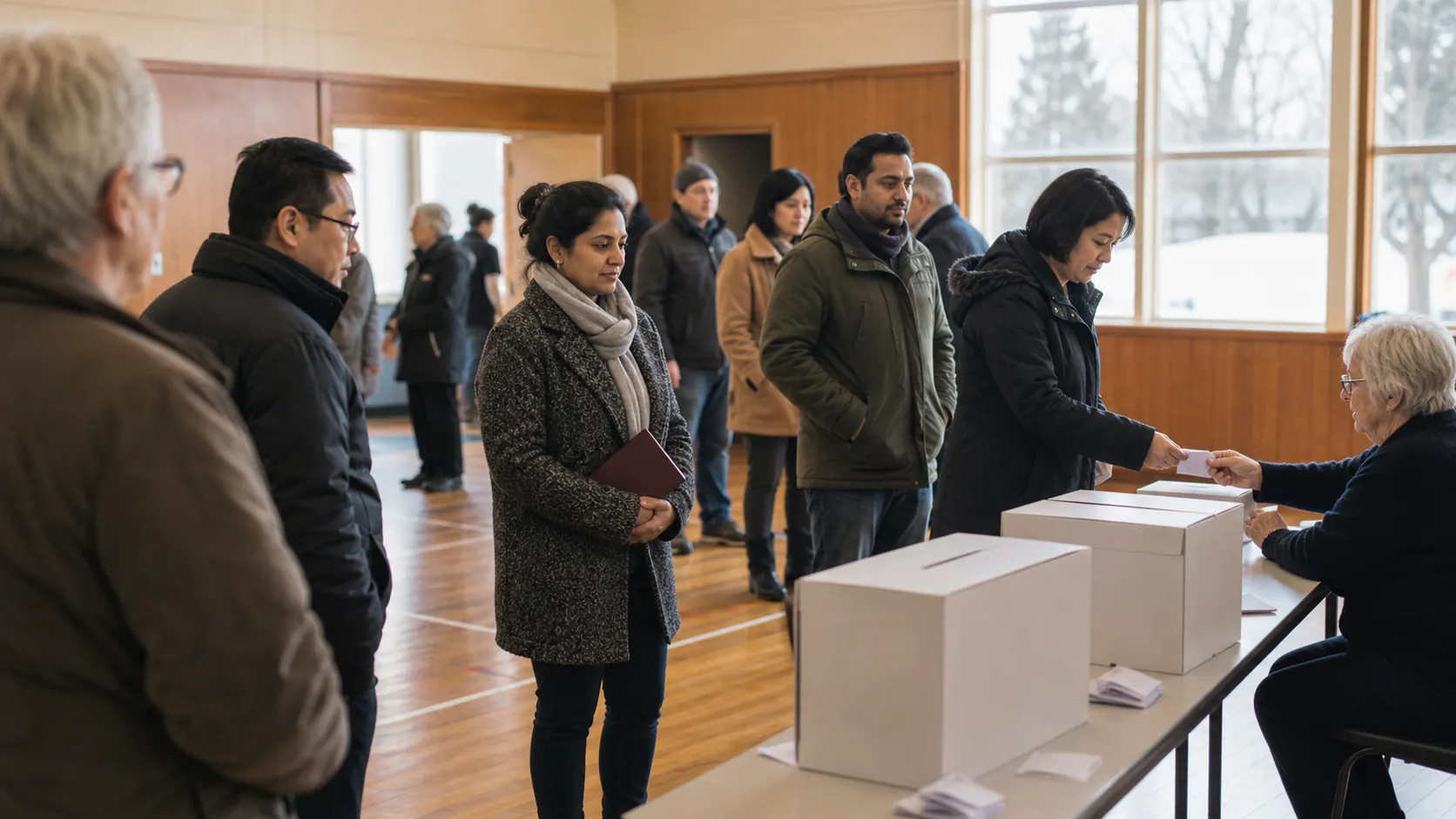
Voting rules look technical until they decide who counts as part of the political community. NZ First’s proposal to restrict voting to citizens only, reported by 1News, should therefore be treated as more than a party-policy announcement. It asks whether New Zealand wants to narrow one of the more distinctive features of its democracy: allowing eligible permanent residents to vote after living here long enough to be part of the country in practice.
My view is that New Zealand should be very cautious before removing resident voting rights. Citizenship matters. But democracy is also about who lives under the law, pays taxes, sends children to local schools, uses public services, obeys regulations and shares the consequences of government decisions.
The thesis
The right question is not whether citizenship is important. It is. The right question is whether permanent residents who have made their lives here should be treated as political outsiders until they complete a separate legal step. In a migrant country, that is a high bar to raise without strong evidence of harm.
New Zealand’s current settings are unusual compared with many countries, but unusual does not mean weak. They reflect an idea of belonging grounded partly in residence and participation, not only passport status. That idea has helped many migrants take democracy seriously sooner, because the system tells them they have a stake.
The best argument for restriction
The strongest case for citizens-only voting is that elections choose sovereign power. A government can change foreign policy, taxation, defence, immigration and constitutional settings. Citizenship is the formal legal bond between person and state, and supporters of restriction argue that such decisions should be made only by those who have taken that final step.
That argument should not be dismissed as xenophobic by default. Many democracies draw that line. Citizenship can express commitment, knowledge of institutions and a durable connection to the country.
Why the current approach still makes sense
But permanent residence is not tourism. Residents are not passing observers. They are subject to New Zealand law and policy in deep, ordinary ways. They pay GST and income tax. They rent or buy homes. They work in hospitals, farms, schools, warehouses, offices and small businesses. They experience housing policy, transport policy, health waiting times, school funding, policing, climate events and local council decisions.
A democracy that asks people to contribute to public life while withholding voice for longer than necessary risks weakening integration. Voting is not just a reward at the end of belonging. It is also a habit that helps people belong. It encourages attention to parties, policies, local issues and public responsibility.
The evidence threshold should be high
Before changing voting eligibility, the country should ask what problem is being solved. Is there evidence that resident voting has distorted elections, undermined trust or weakened citizenship? If the concern is low civic knowledge, the answer may be better civics education for everyone, not disenfranchisement. If the concern is commitment, the answer may be making citizenship pathways clearer and fairer, not removing rights from people already settled here.
Voting-rule changes are different from ordinary policy changes because they alter the electorate that can judge future policy. That gives governments and parties an extra duty of restraint. A rule that excludes voters should require a strong democratic justification, not merely an appeal to symbolism.
New Zealand’s identity is at stake
New Zealand often describes itself as practical, fair and welcoming, though reality is never perfect. Resident voting fits that practical tradition. It recognises that civic life is built in workplaces, neighbourhoods, schools and communities before it is formalised in a passport ceremony.
That does not make citizenship meaningless. On the contrary, a generous voting system can sit alongside stronger citizenship education, better settlement support and clearer encouragement for residents to naturalise. The two goals do not have to conflict.
What should happen next
If Parliament seriously considers any change, it should do so through a careful public process, with evidence from constitutional experts, migrant communities, electoral officials, iwi, local government and civil society. It should consider transitional protections for people who already vote, the impact on local and general elections, and the message sent to long-settled residents.
New Zealand should not narrow the franchise casually. A democracy is strengthened when people who live with its decisions are invited into responsibility. If the country wants more citizens, it should make citizenship more accessible and meaningful. It should not begin by telling residents who already belong in daily life that their voice no longer counts.
Sources: 1News on NZ First's proposal and Vote.nz voter eligibility information.