Most conversations about technology focus on the mind: distraction, attention, anxiety, social comparison, productivity. TED Talks Daily’s Your Body on Tech series is useful because it pushes the question back into the body. What does online life do to sleep, movement, posture, stress, energy and the small rhythms that keep a person well?
What this is
TED Talks Daily has been running a Your Body on Tech week with guest host Manoush Zomorodi. One especially practical entry features exercise scientist Keith Diaz on what sitting all day does to the brain and body. The episode asks a small but powerful question: can brief movement breaks change how we feel during a day built around screens?
The topic is not new in a superficial sense. Everyone knows sitting too much is bad. The value is in making the solution feel less heroic. Instead of telling listeners to reinvent their lives, the episode points toward small doses of movement across the day. For busy people, that distinction matters.
Why it is worth your time
New Zealand Review readers often live between desk work, shift work, study, caregiving, long commutes and phones that never really leave the room. Advice about wellbeing can become another burden: exercise more, sleep better, eat perfectly, be mindful, fix your posture, answer your messages, stop answering your messages. It is exhausting before it starts.
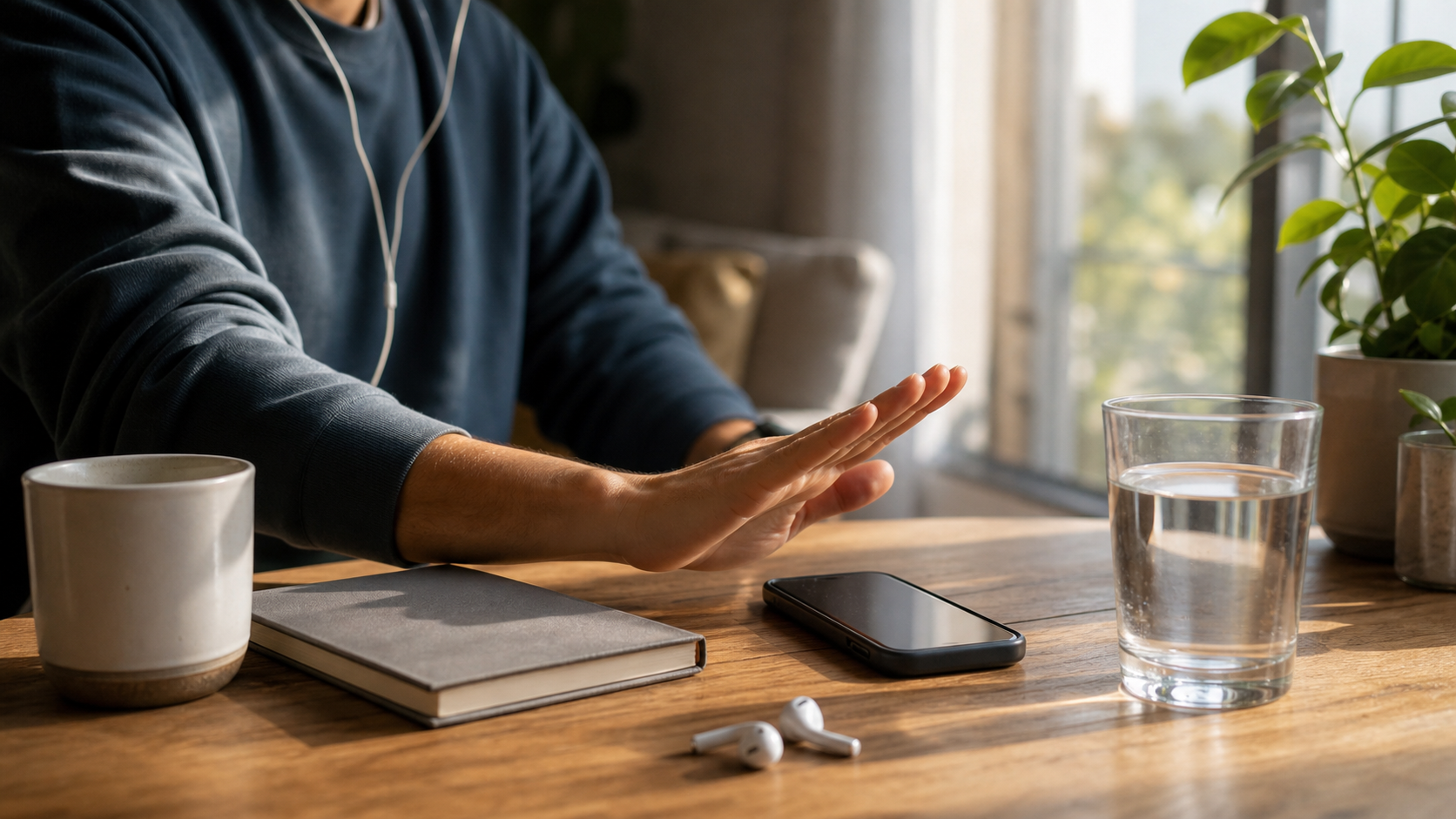
This episode is helpful because it gives listeners a manageable frame. The body is not a machine that only improves after a dramatic programme. It responds to interruptions, small habits and repeated signals. A five-minute walk, a stretch between tasks, standing up during a call, or treating movement as part of work rather than a reward after work can be realistic.
The series is also timely because technology has become environmental. It is not just a device we pick up; it shapes furniture, work pace, sleep timing, relationships and boredom. Thinking about the body is a way to make digital life less abstract.
What to notice while listening
- The scale of the advice.Notice how useful health guidance often becomes stronger when it becomes smaller and repeatable.
- The work context.Many people cannot simply leave their job, buy better equipment or design a perfect routine. The episode is most useful when translated into the day you actually have.
- The body-mind link.Movement is not only fitness. It affects mood, concentration and fatigue.
- The absence of shame.Good wellbeing content should not make listeners feel defective for having a modern life.
Who will benefit most
This is a good listen for office workers, students, remote workers, drivers between jobs, parents who sit late at night to catch up on admin, and anyone who feels physically stale after too much screen time. It is also useful for employers and managers. If a workplace quietly rewards immobility, individual motivation will not fix the problem on its own.
The episode may be especially useful in winter. Shorter days make movement feel more optional. Cold weather makes screens more seductive. A small movement routine can become less about fitness goals and more about staying human inside a digital week.
A caveat
This is not personalised medical advice. People with pain, disability, pregnancy, injury or health conditions should adapt movement guidance to their circumstances and seek professional advice where needed. The point is not to force one routine on everyone. It is to notice that the body has been part of the technology conversation all along.
Final recommendation: listen during a walk if you can. That is almost too neat, but it works. The episode is strongest when it moves from your earbuds into your day.
Sources: Apple Podcasts episode page, TED Talks Daily episode page on Acast and TED Podcasts.