New Zealanders will hear Emergency Mobile Alert tests from time to time, and the official advice from Get Ready explains how the system works. The technology matters. But the more important issue is public trust.
A warning is only useful if people believe it
An alert has to interrupt ordinary life without training people to ignore it. That is a hard balance. Too few tests and people may not recognise the sound. Too many vague messages and people start treating alerts as background noise. The best emergency communication is specific, calm and actionable.
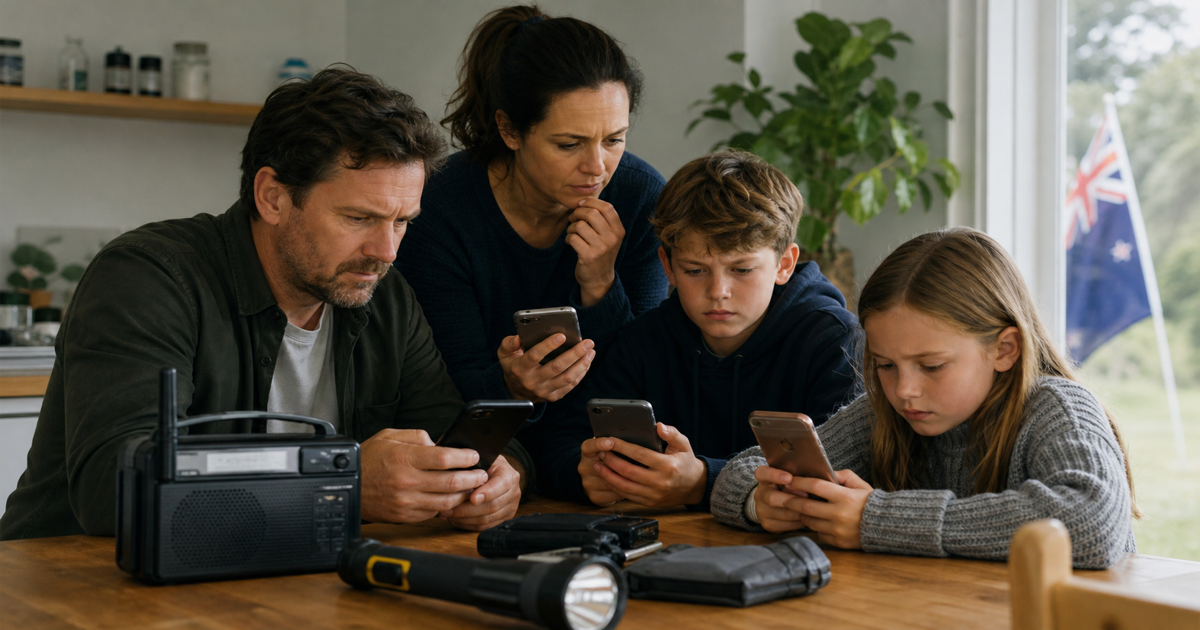
New Zealand’s risks are not abstract: floods, earthquakes, tsunami, fires, storms and infrastructure failures are part of the national landscape. A phone alert can buy time, but only if households understand what it is and what to do next.
What the system needs
- Plain-language messages that say what is happening, where, and what action is needed.
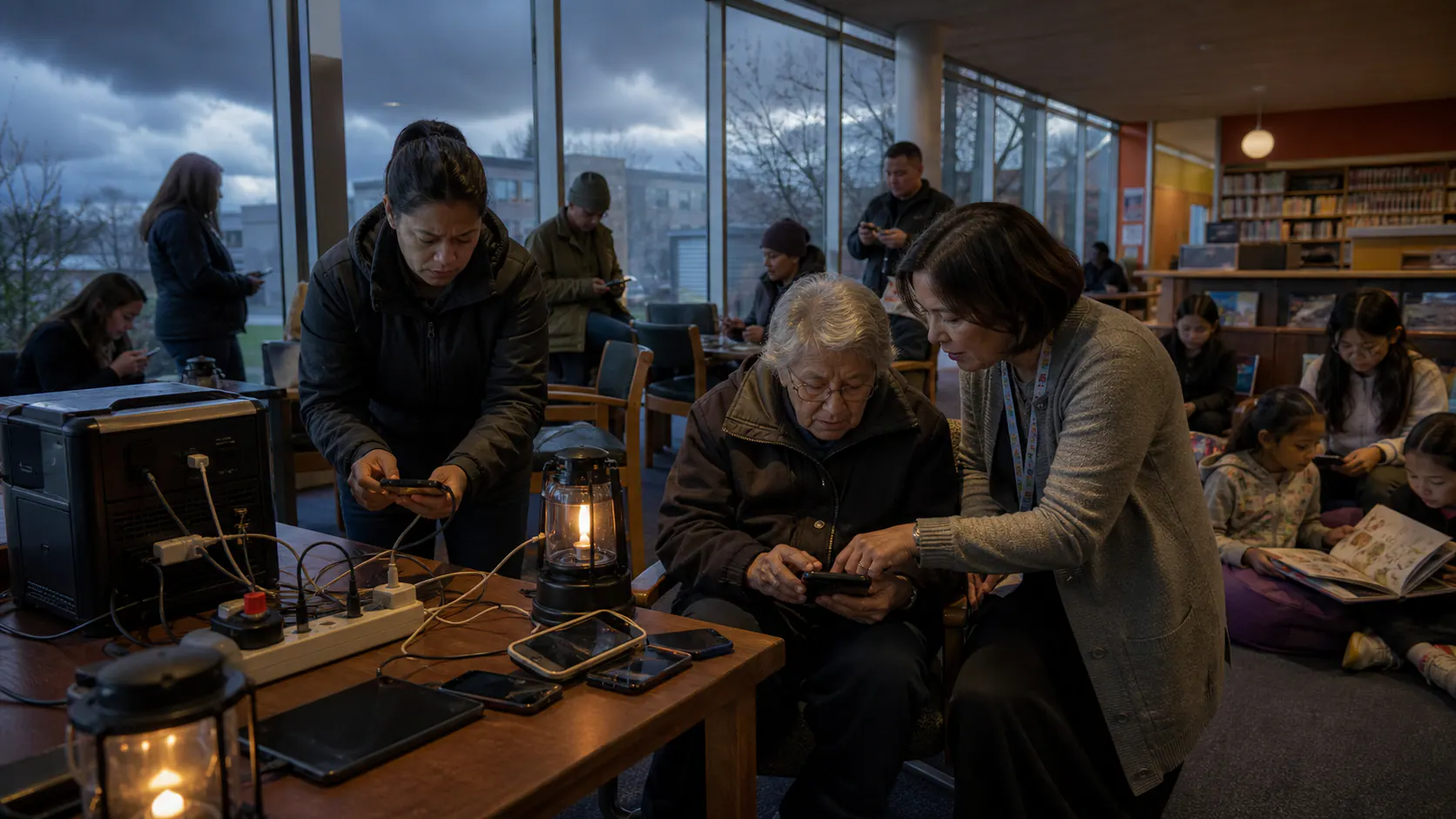
- Community education for people who do not follow English-language news closely.
- Clear follow-up information after the alert, not just the initial interruption.
- Honesty about limits: old phones, coverage gaps and power outages still matter.
Emergency alerts should not be treated as a clever feature buried inside a mobile network. They are part of a civic relationship. The state asks people to pay attention; people need confidence that the message is accurate, necessary and not performative.
That trust is built before the siren sound. It is built in schools, workplaces, community groups, translated advice, household planning and post-event transparency. The alert is the loud moment. Preparedness is everything around it.