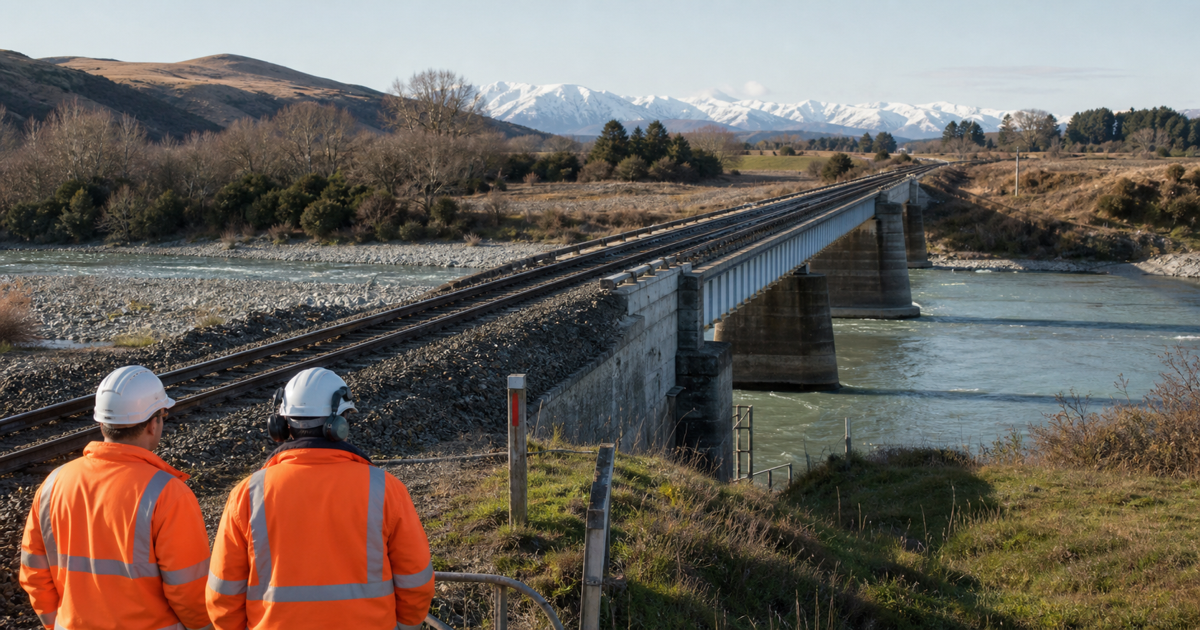
A bridge can look ordinary until a failure reveals how much depends on it. The RNZ report on the TAIC findings into the Rangitata rail bridge collapse matters because it turns an infrastructure incident into a larger question: how does New Zealand notice danger before the public sees it?
What happened and why it matters now
The inquiry’s warning that the collapse could have had catastrophic consequences is not just dramatic language. Rail corridors carry people, freight and economic continuity. In a country where weather events, ageing assets and long distances already stretch networks, a bridge failure can disrupt supply chains and public confidence far beyond the site itself.
The context readers may be missing
Infrastructure risk is rarely a single broken bolt or one missed inspection. It usually sits in the spaces between asset records, maintenance budgets, engineering judgement, contractor communication and escalation rules. The public sees a collapse; institutions see a chain of decisions that either caught a warning or allowed it to pass.
Canterbury’s river systems add another layer. Flooding, scour, changing riverbeds and extreme weather can alter conditions around bridges faster than paper inspection cycles expect. Climate adaptation is therefore not an environmental add-on. It is part of transport safety.
Who is affected
- Commuters and rail passengers, because safety depends on invisible maintenance systems.
- Freight operators and exporters, because rail disruption can shift pressure to roads.
- Regional communities, because alternative routes are often limited.
- Public agencies, because accountability depends on clear ownership of risk.
What the evidence says
The strongest lesson is procedural. Good infrastructure governance requires not only inspections, but also a culture where concerning signs move quickly to people who can act. If a passerby or frontline worker notices something before the system does, the system needs to ask why.
What to watch next
The important follow-up is whether recommendations become changed practice: revised inspection regimes, better river-risk modelling, clearer escalation, and funding that matches asset age. The Rangitata case should not be filed as a local mishap. It is a warning about how quietly risk can accumulate in networks New Zealand depends on every day.