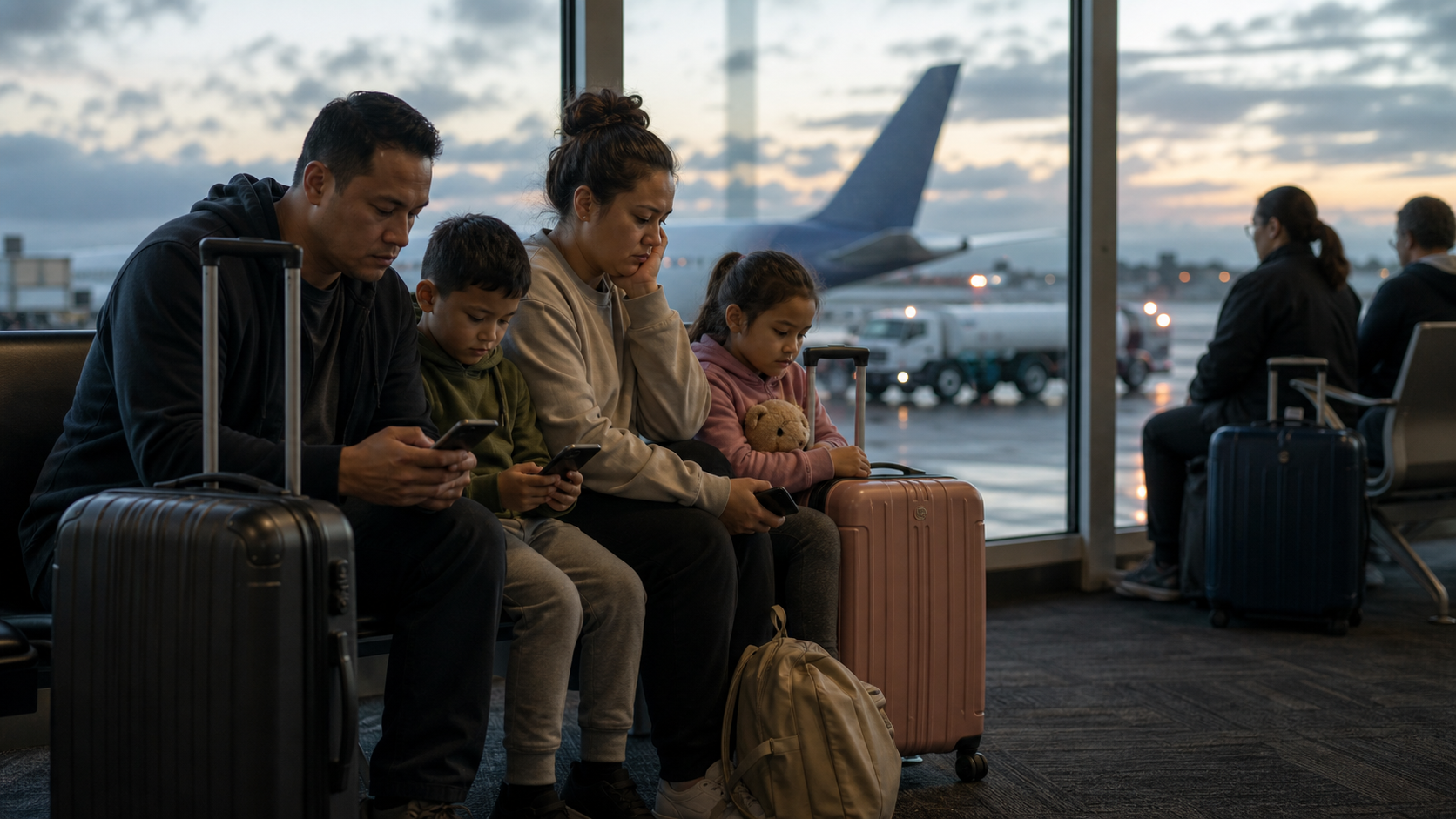
Holiday road plans usually optimise departure time, fuel and the fastest route. Fatigue does not respect that spreadsheet. It builds through short sleep, heat, monotony, long workdays and the pressure to arrive when promised.
NZ Transport Agency guidance says fatigue contributed to 23 fatal and 80 serious-injury crashes in 2022. Microsleeps can last three to five seconds; at highway speed, that is enough to travel a substantial distance without control. Opening a window or turning up music does not replace sleep.
Start with the night before
A driver beginning short of sleep is already using up the journey’s safety margin. Packing late and leaving before dawn can turn a theoretically quiet road into a higher-risk trip.
Plan breaks every two hours
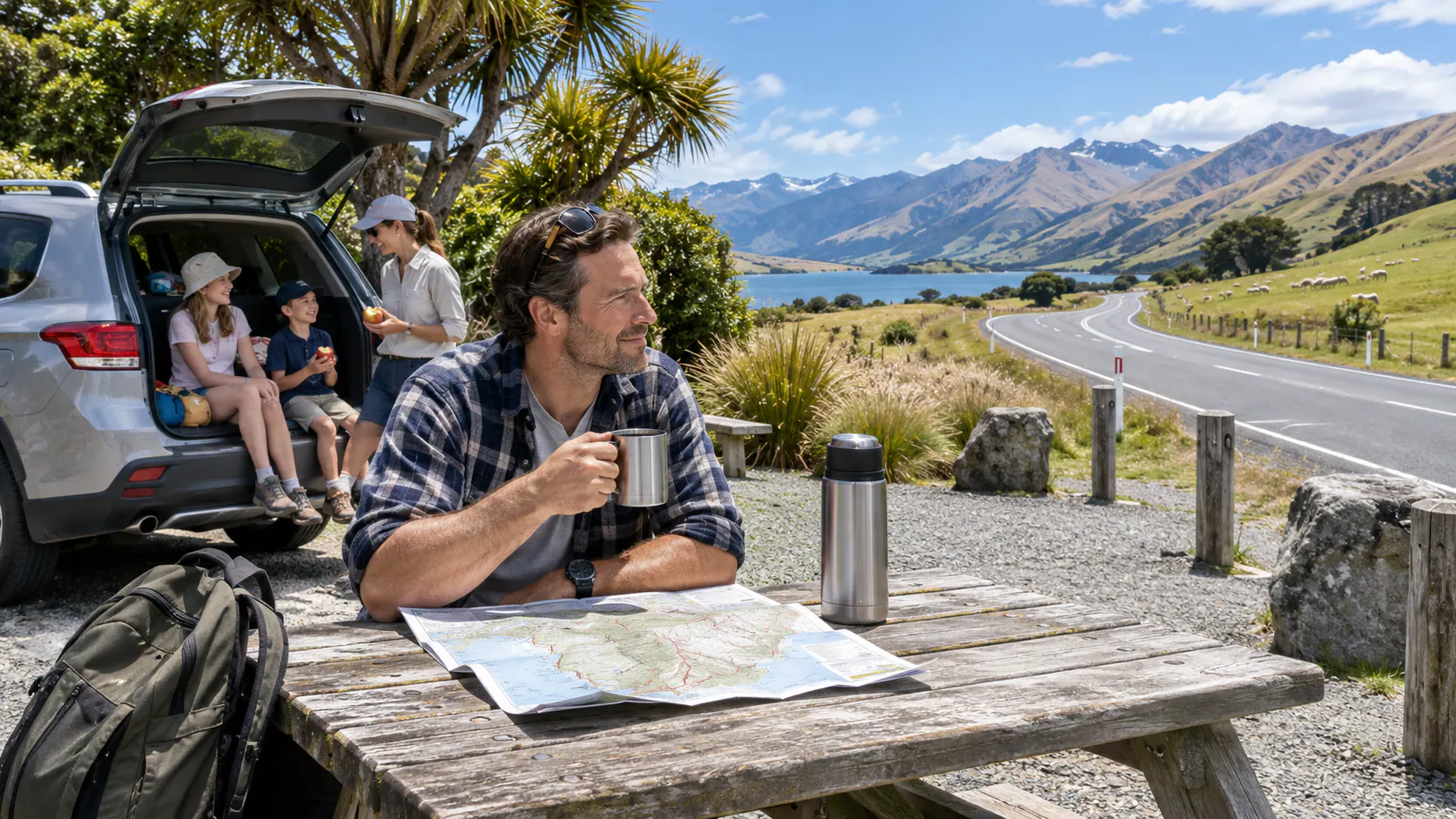
NZTA recommends regular breaks, commonly about every two hours or 100 kilometres. Mark possible stops before departure and keep a second option in case facilities are closed or crowded.
A break must change the condition
Stopping only to refuel while remaining rushed may not restore alertness. Get out, move, drink water and reassess honestly. If sleepy, a short nap in a safe place is more useful than stimulation tricks.
Share driving before exhaustion
Change drivers while both people are still capable, not after one is struggling. Insurance and licence conditions should be checked beforehand, and the new driver needs time to adjust to the vehicle.
Holiday traffic changes the calculation
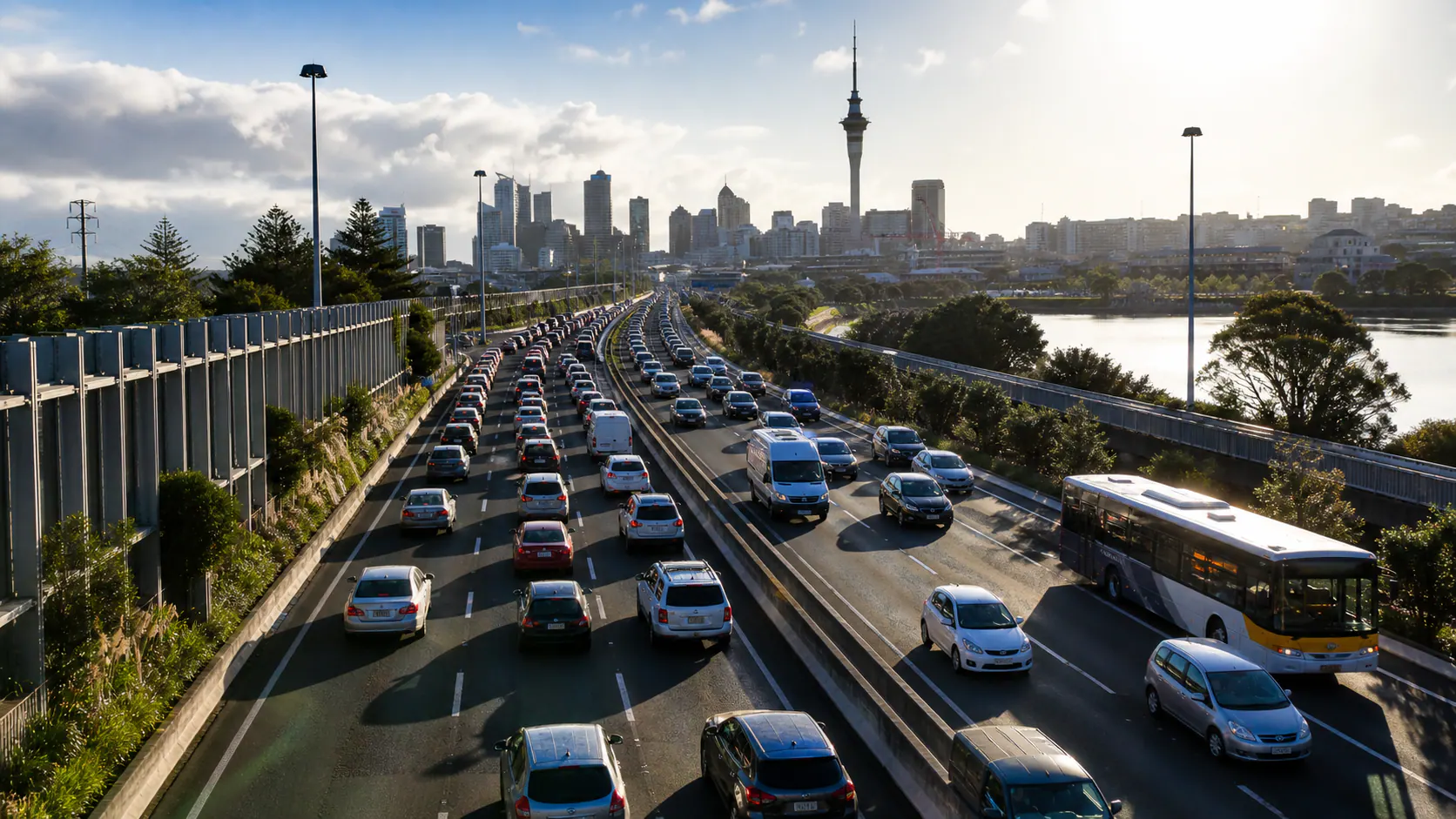
Queues, unfamiliar roads, campervans and roadworks extend concentration time. Build slack into arrival promises so a safe stop does not feel like failure.
Passengers have a role
Passengers can navigate, notice warning signs and support a decision to stop. They should not pressure the driver to continue or treat slowing down as an inconvenience.
Recognise the warnings
Yawning, wandering thoughts, missed signs, inconsistent speed and drifting within the lane are late enough to act. Do not wait for eyes to close.
Arrival time is not the main outcome
The best route is the one that leaves capacity for weather, traffic and human limits. A planned rest may feel unnecessary at the time; that is exactly when it is easiest and safest to take.