A horse can move between a paddock, trainer, event, sale, veterinary clinic and temporary grazing without leaving the consistent data trail expected for some other livestock. Most days, informal knowledge fills the gap. During an infectious-disease response, it may not.
MPI’s 2026 consultation set out options to improve equine identification and traceability so authorities can respond faster and limit harm. The policy question is not whether information is useful, but which information, held by whom, updated when and at whose cost.
What an outbreak asks immediately
Responders need to know which animal was present, where it moved, what other horses were exposed and how to contact responsible people. Delay expands testing, movement controls and economic damage. Memory and social-media messages are poor substitutes for structured records.
Identity must survive ownership changes
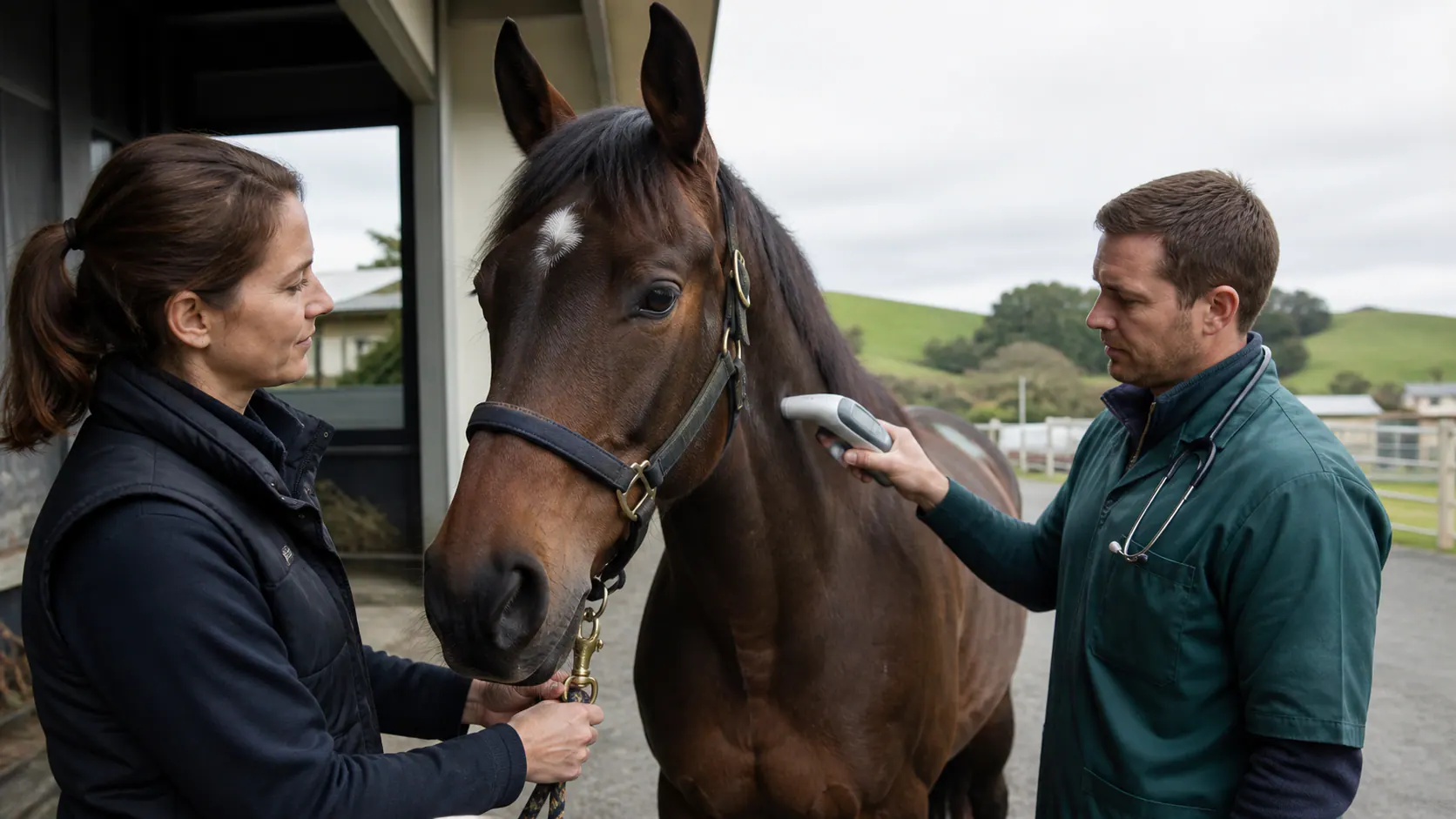
A microchip can provide a durable identifier, but only when scanned and linked to a maintained record. Names, colours and brands can duplicate or change. Rules are needed for births, imports, sales, deaths and lost documents.
One system must serve different horse worlds
Racing and breeding operations have sophisticated records; a family pony or station horse may not. Compliance design should be tested with rural owners, vets, clubs, Māori land contexts and people with limited connectivity.
Privacy and access
Location and ownership data can be sensitive. Routine public access should be limited, while authorised disease responders need speed. Audit logs, role-based access and clear retention rules can protect both aims.
Cost can determine coverage
Registration, chips, veterinary visits and updates impose time and money. If the system is expensive or confusing, unregistered animals will cluster exactly where visibility is weakest. Phased support and simple transfer processes are better than relying only on penalties.
Build for the emergency before it arrives
Exercises should test whether records can reconstruct movements and contact owners within hours. Data quality, not registration totals, is the real performance measure.
Traceability is justified when it narrows restrictions, protects animal welfare and lets unaffected activity resume sooner. It becomes bureaucracy when data are collected without a tested response function.
Movement records must fit real routines
Not every journey should require an elaborate form. A practical system can distinguish permanent ownership transfer, temporary event attendance, veterinary admission and local routine movement, with proportional requirements for each. Event organisers and transporters could submit batch records, reducing duplicate entry while preserving the contact chain that matters during an outbreak.
Offline capture is essential in yards and rural districts with weak coverage. Records should synchronise later, make correction straightforward and show the owner what authorities currently hold. A help desk staffed by people who understand horse management will prevent avoidable errors better than a long penalty schedule.
Governance should be settled before compulsion
Owners need to know whether the database is operated by government, an industry body or a contractor; how procurement and cyber security are audited; and whether information can be used for tax, animal-welfare or commercial purposes beyond biosecurity. Purpose creep would damage compliance precisely when broad coverage is most important.
A staged pilot should compare options through simulated outbreaks. The test is whether officials can identify contacts, issue targeted movement advice and release low-risk properties sooner. If a field is collected but never changes a response decision, it should be challenged rather than retained by habit.