New Zealand’s newest national atmosphere and climate assessment should not be read as another distant forecast. It is a synthesis of observed change, the pressures driving it and the consequences already entering decisions about homes, roads, farms, insurance and public health.
The report was published jointly under the Environmental Reporting Act. That matters because an evidence report has a different job from a policy announcement: it should show what is known, where confidence is strong, where gaps remain and which groups or places are exposed.
A national average can conceal the lived pattern
Warming is experienced through local combinations of heat, drought, intense rainfall, coastal change and ecosystem stress. A national number is necessary, but councils and households need regional observations, return periods and uncertainty ranges that can be used in actual decisions.
Transport is part of the climate story
New Zealand has high car ownership, dispersed settlements and freight that travels mainly by road. Those facts make transport emissions structurally difficult. They also mean fuel prices, access and decarbonisation cannot be treated as separate portfolios.
The ocean carries slow-moving risk
Ocean warming, acidification and sea-level rise alter fisheries, coastal ecosystems and the baseline from which storms cause damage. These changes can look gradual until thresholds in infrastructure, insurance or species tolerance are crossed.
Exposure is not the same as vulnerability
Two households may face the same flood map but have different ability to prepare, insure, relocate or recover. Renters, low-income households, disabled people and isolated communities need to be visible in adaptation data, not added as a footnote after engineering options are chosen.
Evidence must travel into budgets
A report has little effect if asset plans continue to use old rainfall assumptions or if health services ignore heat exposure. Central agencies should show how findings change appraisal rules, maintenance schedules and funding priorities.
Uncertainty is a reason to plan options
Not every local impact can be predicted precisely. Good adaptation uses pathways: low-regret actions now, monitoring triggers and more expensive interventions when thresholds are reached. This avoids both paralysis and premature overbuilding.
Keep the monitoring system public
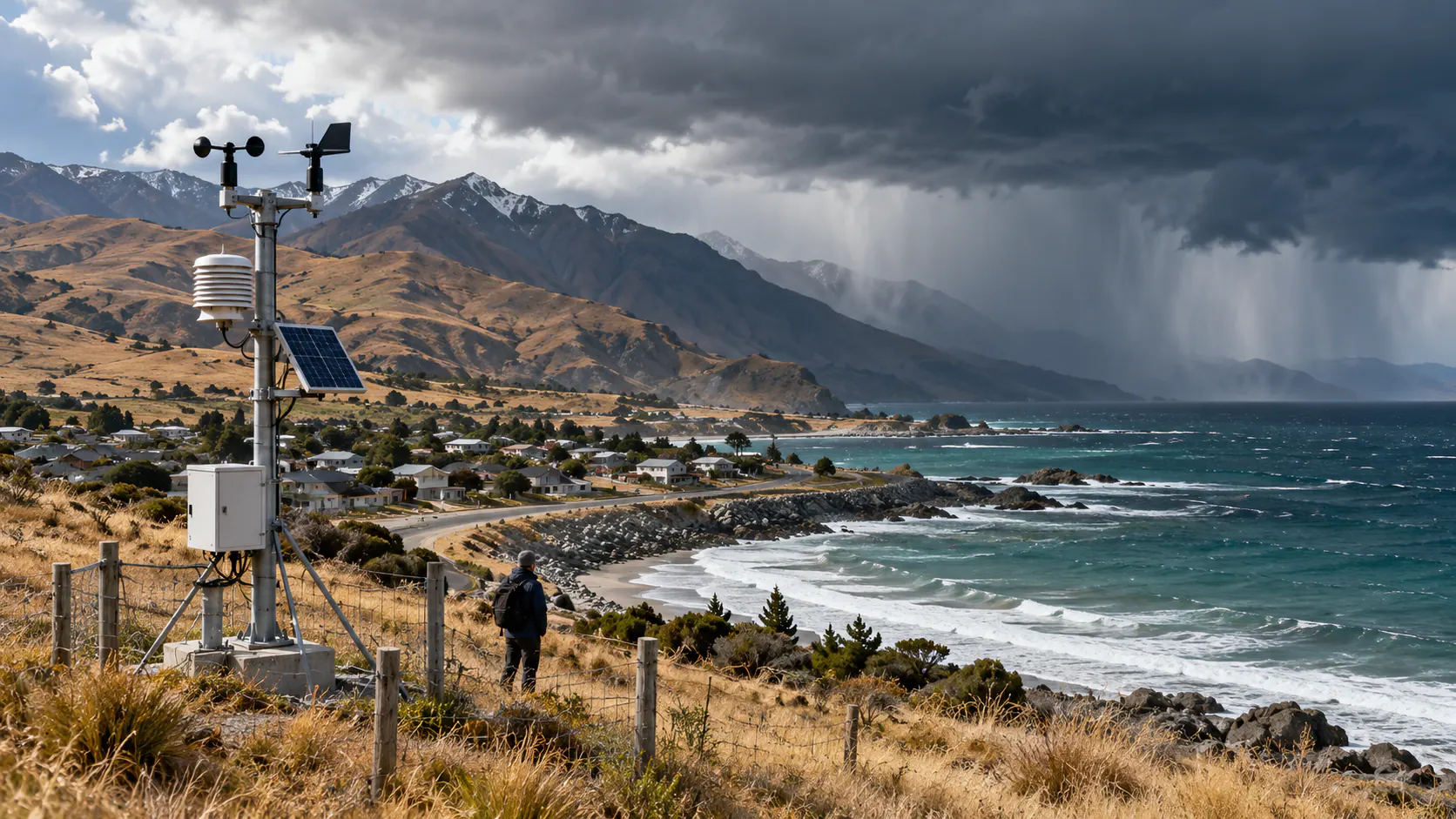
Long records, consistent methods and accessible data are public infrastructure. Political cycles should not interrupt them. Communities also need plain explanations of revisions, limitations and apparent contradictions.
The real test
Success is not whether the report produces alarming headlines. It is whether a planner, clinician, farmer, iwi authority and household can trace a line from evidence to a better decision. Climate reporting becomes valuable when it changes what is maintained, where development occurs and who receives protection first.