A toy listing can disappear as quickly as it appeared. The photographs are polished, the price is low, reviews are numerous and delivery is fast. None of those signals proves that small parts, magnets, batteries, electrical components or chemicals meet the standards claimed. Holiday demand intensifies the problem by compressing buying decisions and multiplying third-party sellers.
The European Commission recorded 4,671 Safety Gate alerts for dangerous non-food products in 2025, with toys the second-largest category. A separate customs control campaign reported high non-compliance among sampled toys and small electronics sold through major marketplaces. Those targeted findings should not be treated as a failure rate for every online purchase, but they show why product safety cannot rest on consumer vigilance alone.
Seller identity is the first safety feature
A listing should make the manufacturer, responsible business, contact route and product identifier clear. A marketplace username that vanishes after delivery is not an accountable supply chain.
Age labels are not decoration
Small parts, cords, magnets and projectiles create different risks at different developmental stages. Adults should check the actual child and household, including younger siblings, rather than relying only on marketing age.
Button batteries need special attention
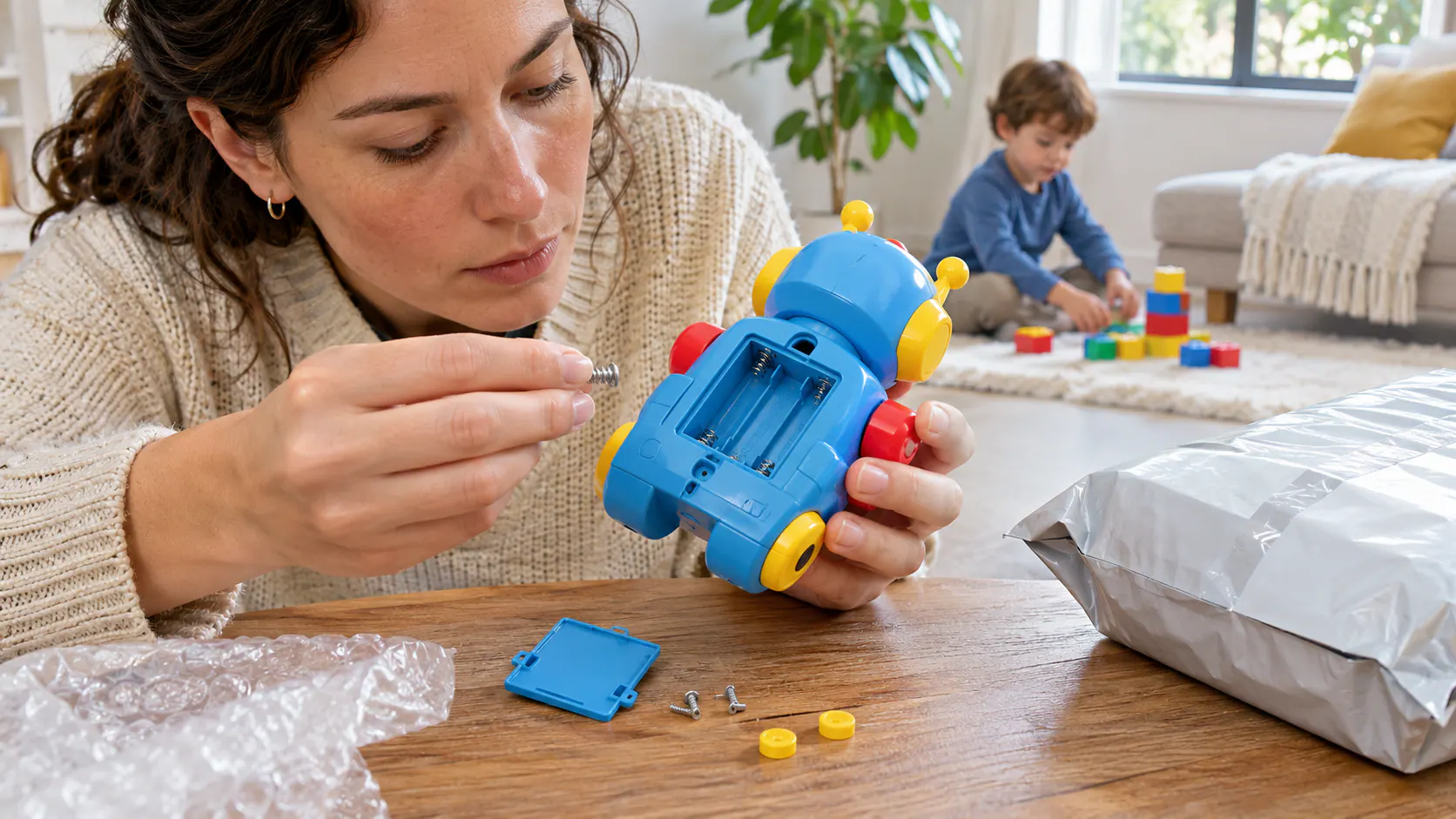
Compartments should require a tool or secure action to open. Loose batteries can cause severe internal injury if swallowed. Packaging, spare batteries and spent cells must be kept away from children.
Chemical safety is invisible
Smell, colour and softness cannot confirm compliance. Authorities need testing capacity, customs intelligence and traceability because consumers cannot identify restricted substances at home.
Reviews are weak evidence
A review can describe whether a toy arrived or entertained a child; it rarely verifies materials or electrical design. Large volumes of positive reviews can coexist with a safety defect.
Recalls must reach the buyer
Marketplaces know who purchased a listed product. They should preserve product identifiers, notify buyers directly, remove repeat listings and provide remedies rather than posting a notice users are unlikely to find.
Gifts should include information
Keep instructions, model numbers and the seller record long enough to respond to a recall. When giving an electronic toy, include the charger and safety information rather than separating them for presentation.
Accountability belongs upstream
Parents can inspect, supervise and report, but they cannot laboratory-test a toy. Manufacturers, importers, platforms and regulators must prevent unsafe products from circulating. Safety is a market design obligation, not a Christmas shopping trick.
Sources and further reading
- European Commission: 2025 Safety Gate report
- EU Customs: E-commerce product compliance and safety
- EU Safety Gate: Safety of products online