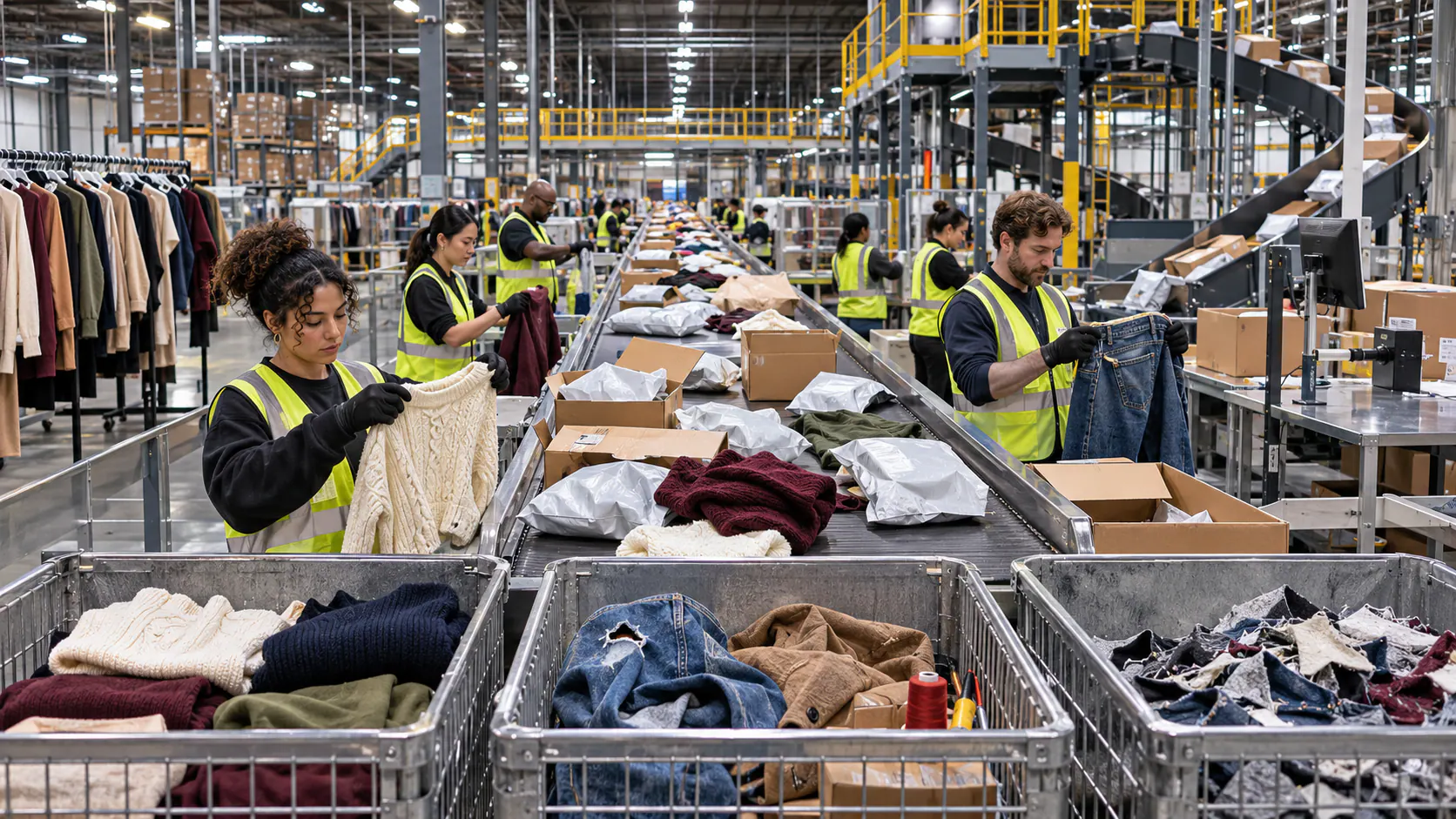
The “free return” button makes a parcel appear to travel backwards through the same system that delivered it. In practice, reverse logistics is a different operation. An item must be received, identified, inspected, cleaned, repackaged, restocked, discounted, repaired, recycled or discarded. Each branch costs labour, transport, space and information.
The European Environment Agency has examined the destruction of returned and unsold textiles, noting that online clothing is especially prone to returns because customers cannot assess fit and fabric directly. Returns are important consumer protection and can prevent people keeping goods they will not use. The environmental failure occurs when business models encourage speculative purchasing while systems cannot return usable products to sale.
The product record must survive the journey
A clear identifier, condition history and reason for return help route an item quickly. Without good data, usable goods wait in mixed piles until resale value collapses.
Speed affects recovery value
Seasonal goods lose value rapidly after a holiday. Retailers need capacity planned before peak sales, not an improvised January warehouse.
Fit is a design and information problem
Consistent measurements, garment dimensions, realistic photography and customer feedback can reduce avoidable size returns. Encouraging shoppers to order three sizes externalises uncertainty into logistics.
Packaging should support reopening
A package designed for one destructive opening may require new materials for return. Reusable closures and minimal void space can reduce damage and repacking, provided they still protect the product.
Inspection is skilled work
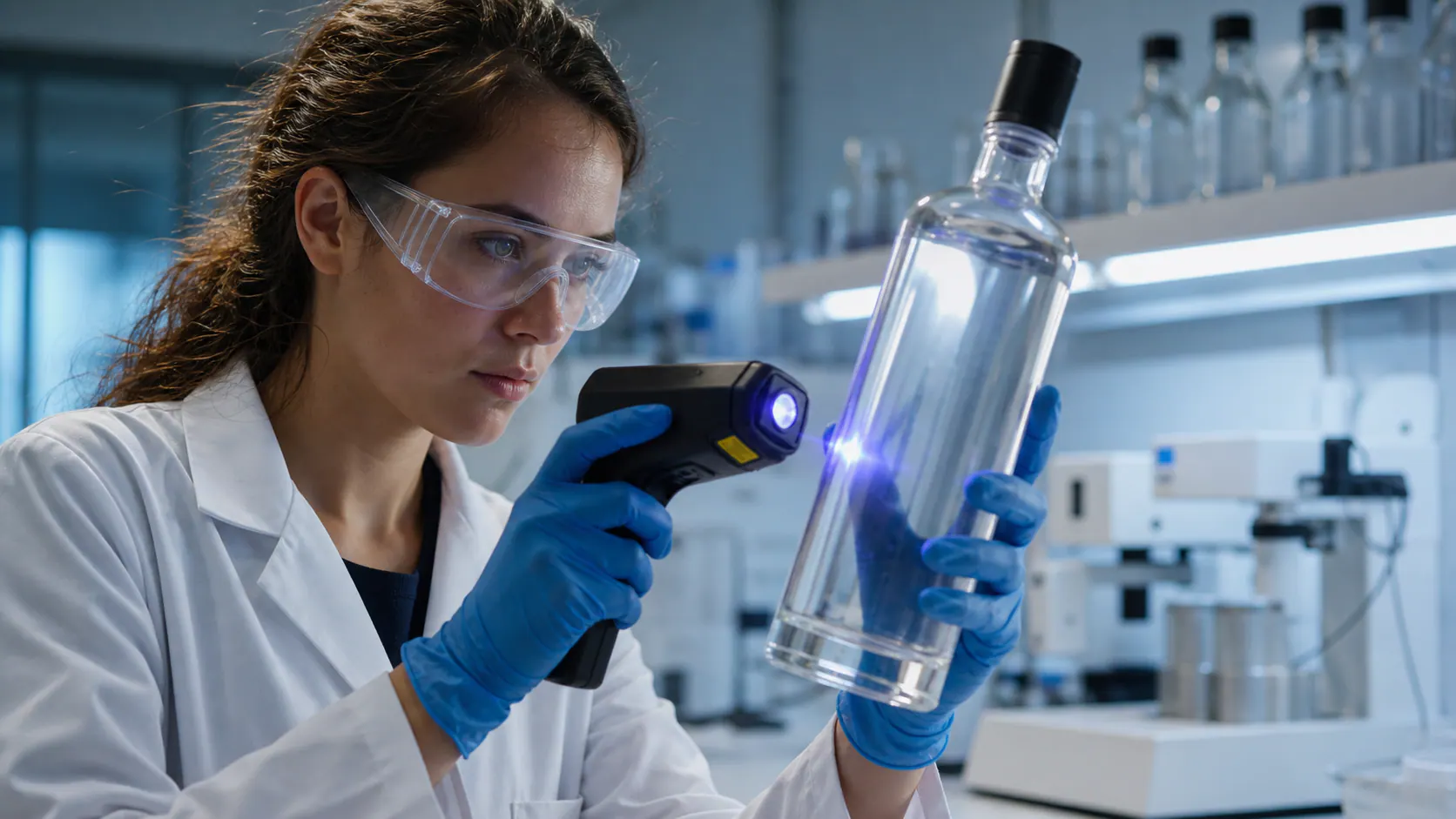
Workers distinguish wear, cosmetic damage, hygiene concerns and repairable faults under time pressure. Targets that reward speed alone can push good inventory toward disposal or unsafe goods back to customers.
Resale should be visible
Retailers can disclose whether returns are restocked, sold as open-box goods, donated, recycled or destroyed. Transparency gives consumers and investors a way to compare claims with operations.
Consumers still need a real right to return
Environmental arguments must not be used to weaken remedies for faulty, misleading or unsuitable online goods. Better information and product quality should reduce unnecessary returns while preserving protection.
The circular test comes after the sale
A circular product is not defined only by recycled material at manufacture. It must remain identifiable, repairable and marketable after the first customer says no. Holiday commerce becomes less wasteful when reverse logistics is treated as core infrastructure.