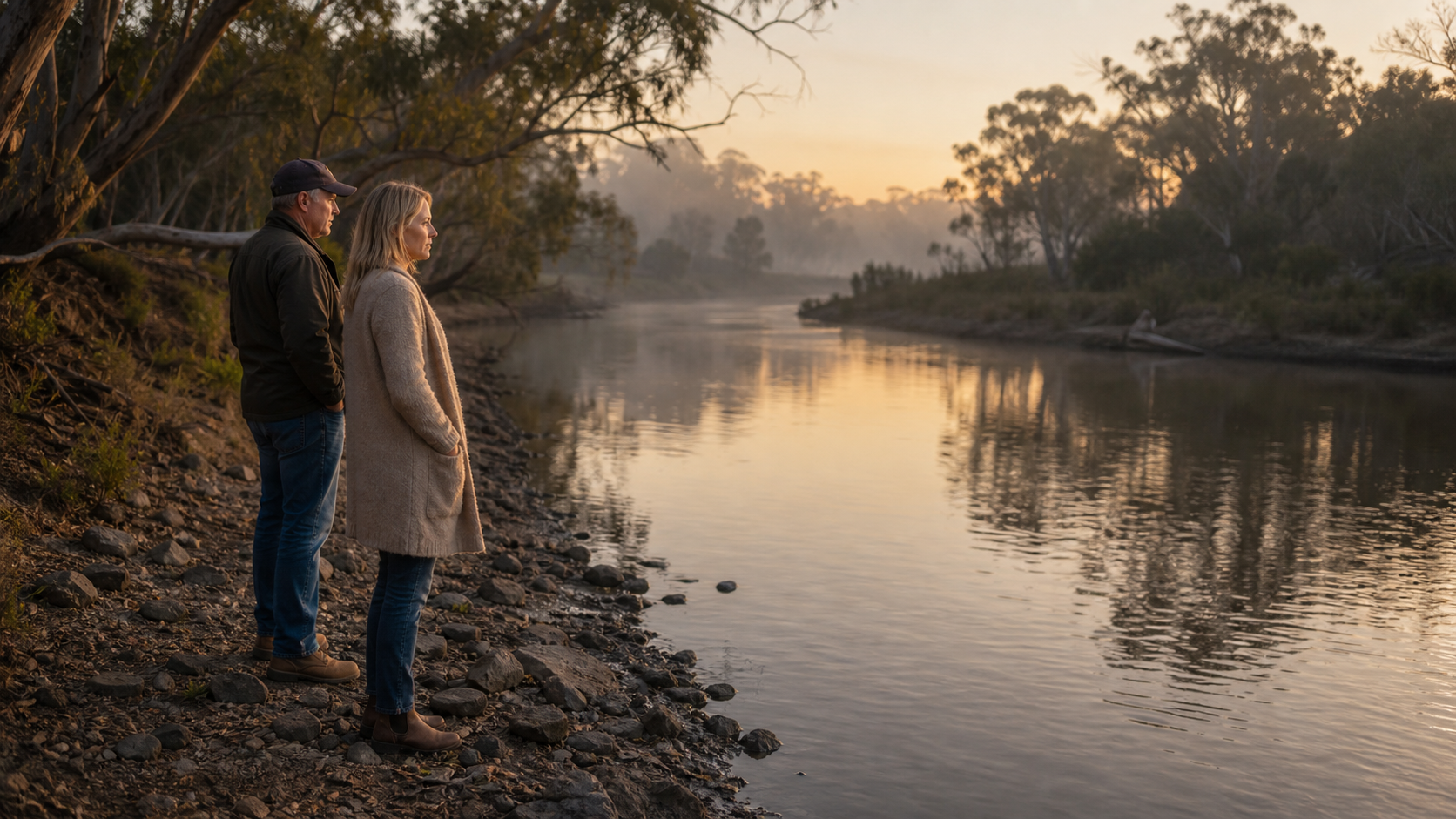
PFAS contamination is difficult to write about because it rarely looks dramatic. There is no single plume of smoke, no collapsed building, no immediate disaster image that captures the harm. Instead, PFAS stories unfold through water tests, health anxieties, property values, legal filings and communities forced to live with uncertainty.
ABC reported on 2 June that Katherine residents have welcomed federal government legal action connected to PFAS contamination. The case has obvious Australian significance, but it also belongs in a wider global debate: how should societies deal with pollution that persists for years, spreads quietly and is discovered after people have already built their lives around affected land and water?
Why PFAS cases are different
PFAS chemicals are often described as “forever chemicals” because some are highly persistent in the environment. They have been used in firefighting foams, industrial processes and consumer products. The legal and public-health challenge is not merely identifying contamination; it is deciding who is responsible, what harm can be proven and what compensation should look like.
Traditional pollution cases often involve a clearer event. PFAS contamination can involve years of use, multiple pathways and scientific uncertainty. That makes litigation complex and emotionally exhausting for communities.
The burden of uncertainty
For affected residents, uncertainty becomes part of daily life. Can children swim? Is bore water safe? What happens to property values? Are health risks being monitored properly? Who pays for testing, treatment, relocation or lost economic opportunity?
These questions are not abstract. They shape whether a community feels abandoned or heard. A lawsuit may offer a route to accountability, but it can also stretch over years while residents continue living with the consequences.
Why government action matters
When government steps into a major contamination case, it signals that the problem is not just private grievance. It becomes a matter of public responsibility. That does not automatically resolve liability, but it changes the scale of the conversation.
It also raises a harder question: if PFAS contamination is costly to remediate, who ultimately pays? Taxpayers, polluters, insurers, landholders and affected residents may all be pulled into the financial architecture of a problem created long before many people understood the risk.
The global lesson
Katherine is not alone. PFAS concerns have appeared in the United States, Europe, New Zealand and many other places. The pattern is familiar: useful chemicals are embedded in systems, the long-term risk becomes clearer, and communities then ask why precaution did not come sooner.
The broader policy lesson is that environmental harm should not be priced only after contamination becomes expensive. Stronger monitoring, clearer liability rules and earlier disclosure may look costly in the short term, but they are cheaper than decades of uncertainty.
What to watch
- Scope of damages: whether claims focus on property, health monitoring, water security or wider community losses.
- Evidence standards: how courts handle scientific uncertainty and causation.
- Remediation commitments: whether legal action leads to practical clean-up and support.
- Precedent effect: whether other contaminated communities use the case as a model.
PFAS is a slow crisis. The legal system now has to answer whether slow harm can still receive urgent justice.