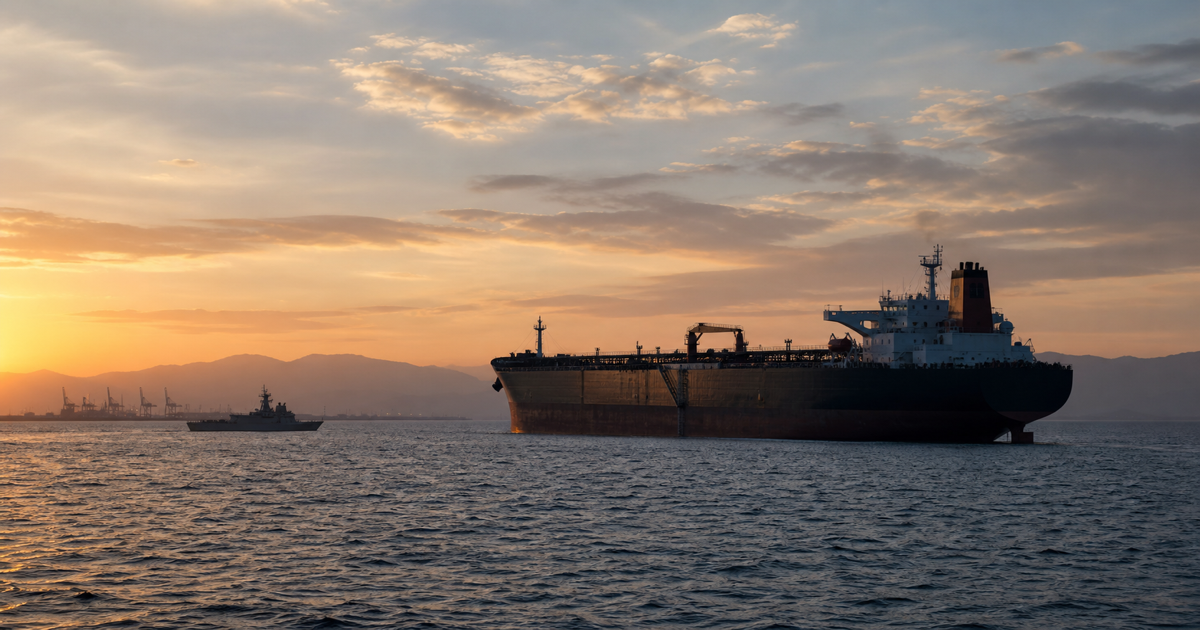
Russia wanted attention on investment, influence and resilience as St Petersburg opened its flagship economic forum. Ukraine’s drones forced a different conversation: even far from the front, infrastructure has become part of the battlefield.
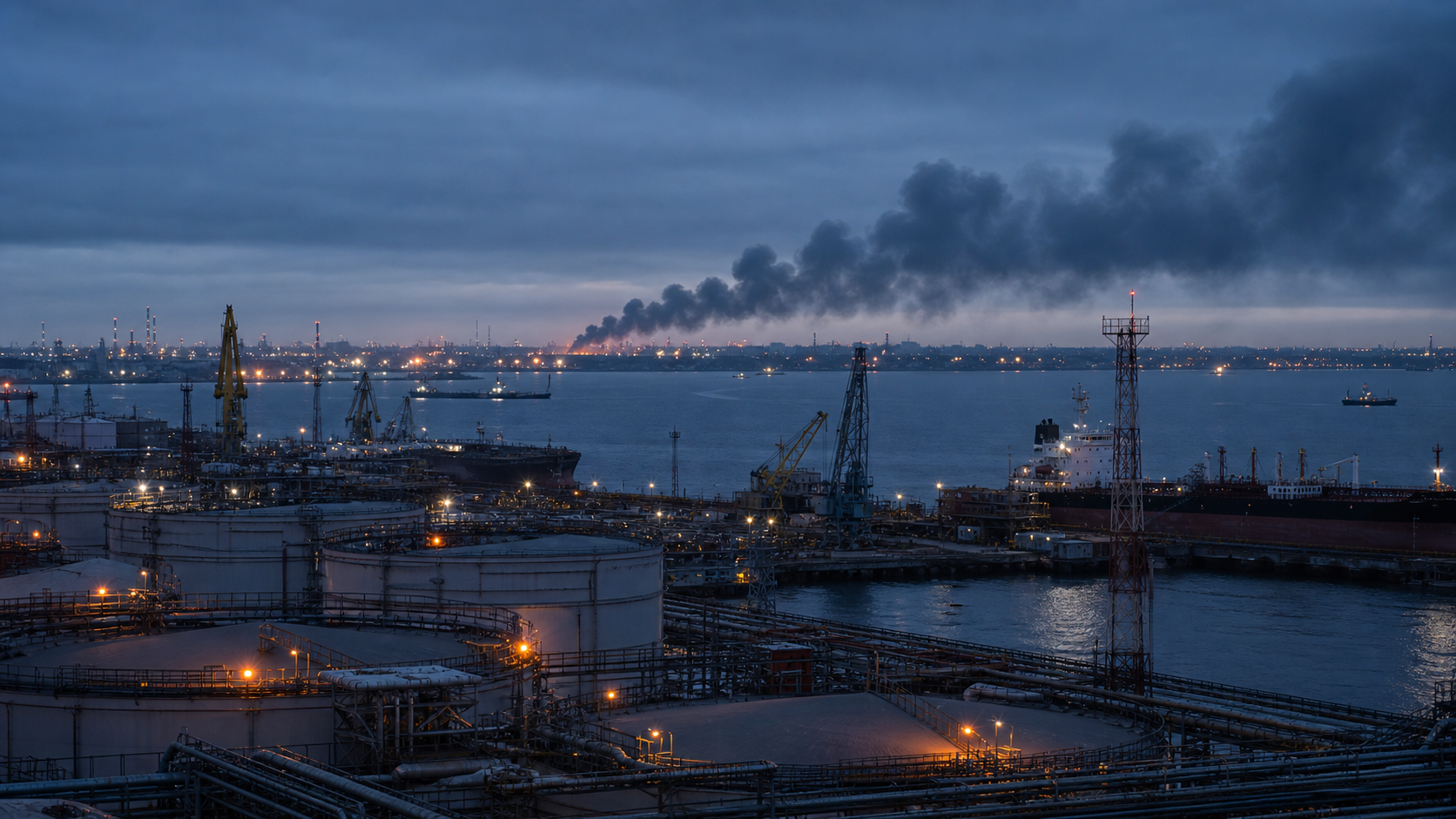
BBC reported that Ukrainian drones hit oil storage facilities near St Petersburg as President Vladimir Putin’s major economic forum opened. AP likewise reported strikes on a St Petersburg oil terminal before the city hosted the forum. (BBC; AP)
The symbolism of location
St Petersburg is not a random target. It is a historic city, a political showcase and a gateway for Russia’s international economic messaging. A strike near the city during a major forum challenges the image of distance and control that Moscow wants to project.
Ukraine’s strategic message is clear: Russia can continue to attack Ukrainian cities, but Russian infrastructure and prestige spaces are not insulated from consequence.
Drones change the cost curve
Long-range drones are not equivalent to missiles in every way. They may be slower, more vulnerable and less destructive. But they can be cheaper, numerous and politically disruptive. They force defenders to protect more sites across a wider geography.
That creates a difficult asymmetry. A state can spend heavily defending refineries, depots, ports and symbolic cities, while the attacker searches for gaps. Even failed attacks can impose costs through alerts, rerouting, insurance and public anxiety.
Energy infrastructure as pressure point
Oil storage and terminals matter because they connect battlefield pressure to economic pressure. Damage does not have to cripple national supply to matter. It can interrupt logistics, raise local security costs, signal vulnerability and complicate export narratives.
For Europe, the lesson is uncomfortable. Energy security is no longer only about replacing Russian gas or managing prices. It is also about protecting infrastructure from drones, sabotage and hybrid attacks.
The air-defence dilemma
Every drone that reaches a sensitive site raises questions about air defence coverage. But no country can defend every asset perfectly, especially across Russia’s vast territory. The same logic applies to Europe: ports, pipelines, cables, substations and airports cannot all be hardened to military standards.
That means resilience has to include redundancy, rapid repair, intelligence sharing and public communication, not just interception.
What this means for the war
The strike will not decide the war. But it shows how the conflict’s geography keeps expanding. Ukraine is using long-range pressure to complicate Russia’s sense of normality; Russia is intensifying attacks in Ukraine while insisting its own rear remains stable.
That contradiction is increasingly hard to maintain. Modern war reaches backward into logistics, finance, energy and symbols. St Petersburg’s forum may still go ahead, but the message around it has changed: economic confidence is difficult to stage when infrastructure security is visibly uncertain.