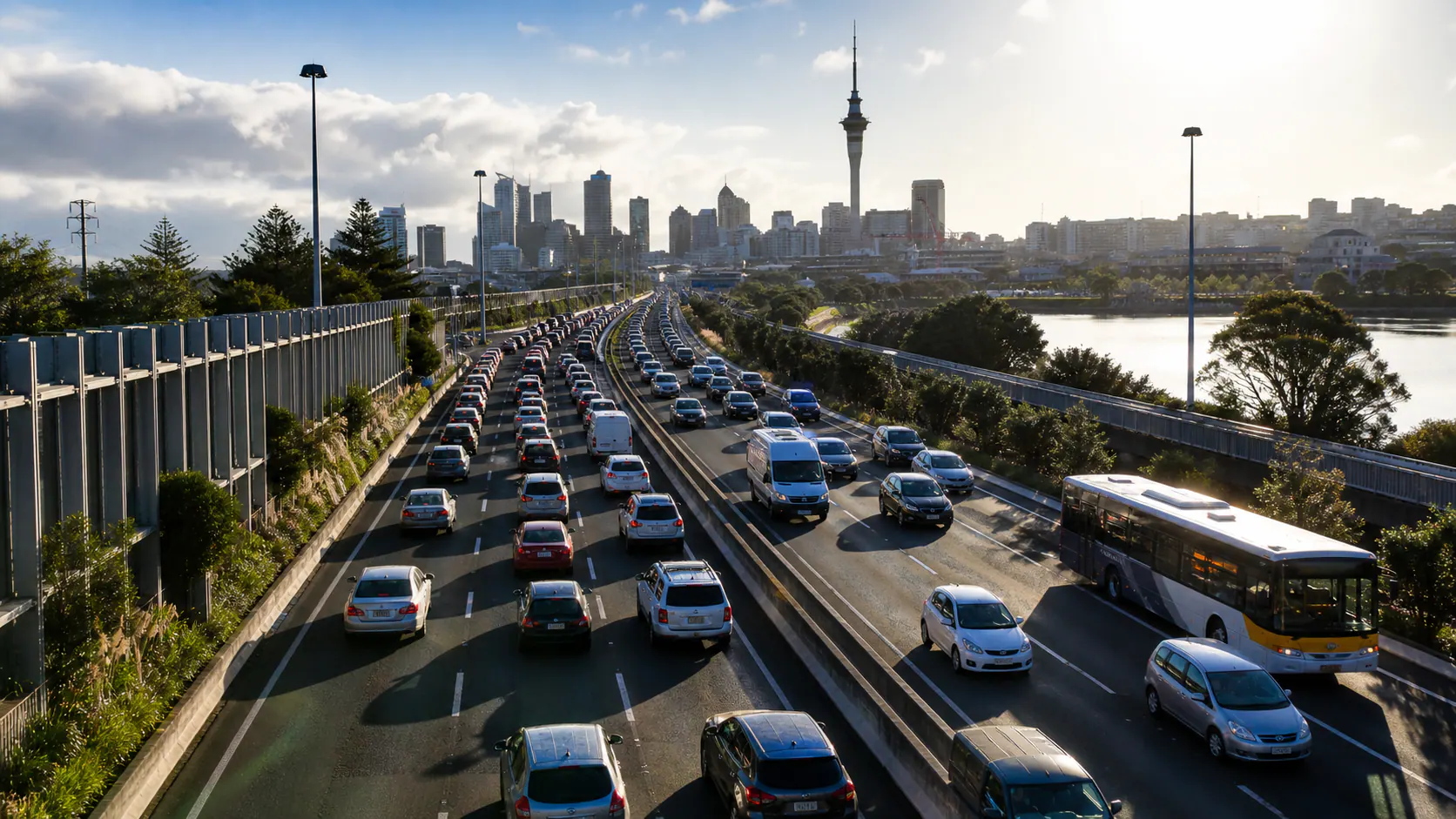
A digital driver licence sounds like one of the simplest government upgrades imaginable: take the card in your wallet, put it securely on your phone, and let the paper labels on the windscreen slowly become a memory. But New Zealand’s next step in transport digitisation is not really about whether an app can display a credential. It is about whether the public trusts the rules around that credential.
1News reported that legislation passed last week enables digital alternatives for driver licences, warrants of fitness and vehicle registration labels. Detailed rules are still being developed, public consultation is expected in the second half of the year, and the New Zealand Transport Agency is working with Austroads on design and implementation. The digital licence is expected to be optional, with the physical card still playing a role.
That optional status matters. Digital identity systems succeed when they give people more control, not when they quietly turn a practical convenience into a new condition of participation.
What problem is digitisation trying to solve?
At the basic service level, the case is obvious. A digital licence can be updated faster than a plastic card. A digital warrant or registration record can reduce the ritual of paper labels, lost reminders and manual checks. Police already have electronic access to driver and vehicle records in many enforcement situations, so the windscreen sticker is partly a public-facing symbol of a database that already exists.
For motorists, the promise is convenience. For government, it is lower friction. For businesses that check identity or age, a recognised digital credential could eventually be more reliable than eyeballing a plastic card. For road safety agencies, cleaner data flows could reduce mistakes and make compliance easier to verify.
But every digital credential has two faces. It is a service, and it is also a data object. The more useful it becomes, the more important it is to ask who can request it, what they can see, whether a person must hand over a phone, how the information is stored, and what happens when the device is flat, stolen, offline or inaccessible.
The privacy question is practical, not theoretical
New Zealand’s Privacy Act principles require agencies and organisations to think carefully about why information is collected, how it is stored, when it can be used and how it is disclosed. A digital licence touches all of those questions at once.
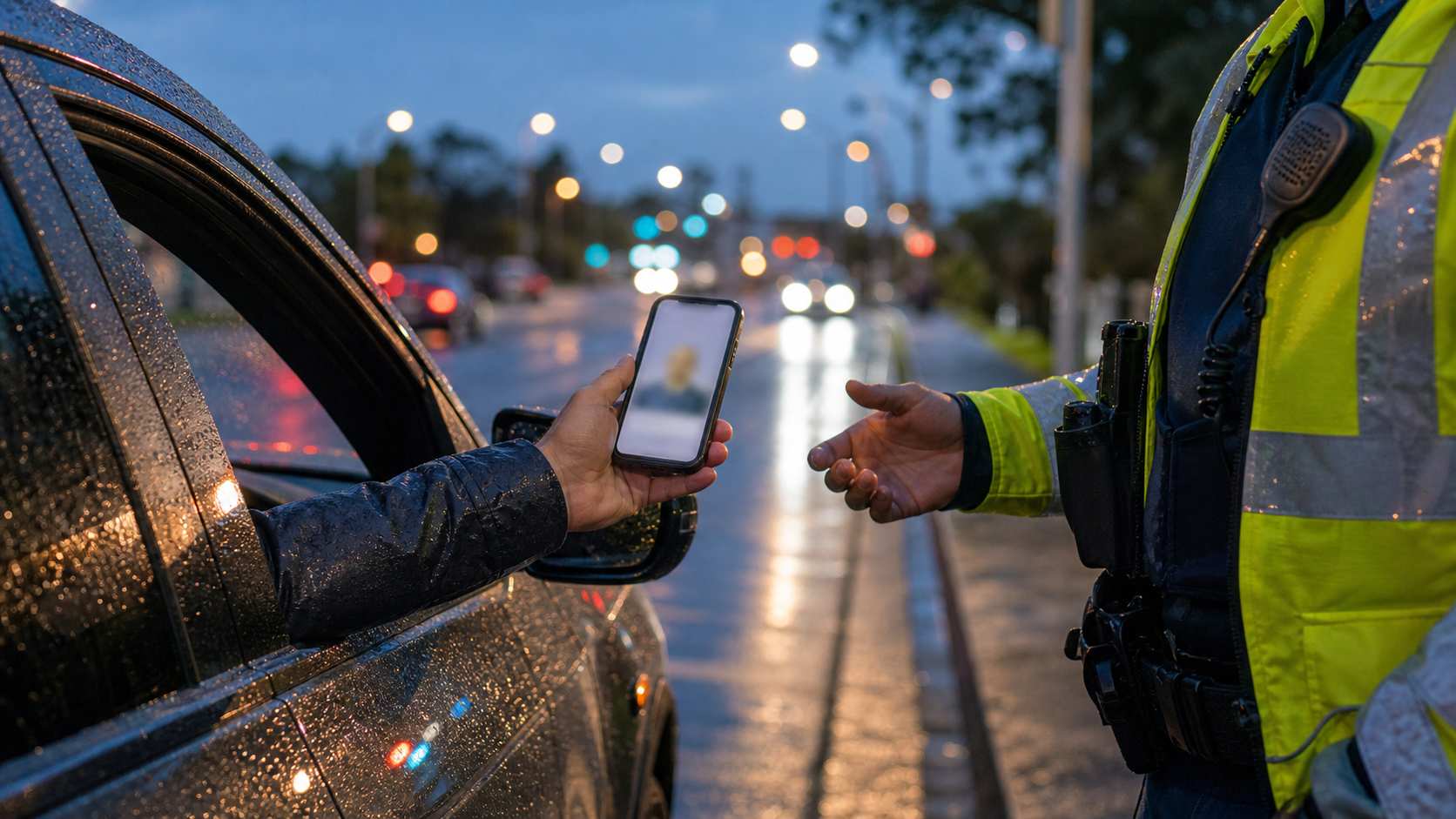
A useful digital licence should not make every interaction a full identity disclosure. If a bar needs to know that someone is over 18, it does not necessarily need a home address. If a police officer needs to verify a licence at the roadside, the procedure should make clear whether the driver must unlock a phone, whether the officer touches the device, and what data is visible. If a rental car company checks a licence, the system should limit unnecessary data capture and create clear accountability for misuse.
These design details can sound technical, but they are where trust is either built or lost. A public that believes digital credentials expose too much information will keep carrying plastic. A public that sees privacy built into the workflow may adopt the new system quickly.
Australia offers a useful warning and model
New Zealand is not starting from zero. Service NSW describes its digital driver licence as optional, available through the state app, and generally carrying the same legal status as the plastic licence in New South Wales. NSW also makes several practical points New Zealand should study closely: the digital licence does not replace the plastic card, drivers are advised to understand conditions of use, and it remains illegal to access the digital licence while driving unless asked to do so by police.
Those conditions matter because a roadside check is not the same as opening a loyalty card at a checkout. A driver may be nervous. It may be raining. A phone may be locked, cracked, out of battery or using a language setting unfamiliar to the officer. The rulebook must be simple enough to work under pressure.
The Australian experience also shows that adoption can be high when the product is useful, but usefulness depends on acceptance. A licence that works for police but not for rental companies, clubs, banks or insurers may become a partial convenience rather than a new standard. A licence that works everywhere but encourages over-collection of personal data creates a different problem.
Access is the equity test
New Zealand should be cautious about treating smartphone ownership as a proxy for readiness. Many people have phones, but not all phones are reliable, current, secure or easy to use. Older drivers, recent migrants, disabled users, people with low digital confidence, people in financial hardship and those in rural areas with patchy connectivity may experience the same system very differently.
That does not mean New Zealand should avoid digital licences. It means the physical card should remain a normal, respected option. It also means the app must work clearly in low-connectivity situations, offer accessible design, provide support in plain language, and avoid turning a flat battery into a legal or administrative crisis.
The same applies to digital WoF and registration labels. If enforcement increasingly relies on databases rather than visible stickers, motorists need reliable ways to check their own compliance and fix errors. A system that removes paper should not remove the citizen’s ability to see, contest and correct what the state believes about their vehicle.
What to watch in the consultation
The coming consultation should answer several concrete questions. Will drivers ever need to hand their phone to another person? What exactly can police, businesses and private checkers see? Will there be selective disclosure, such as proof of age without address? How will the system work offline? What happens during an outage? How will fraud, screenshots and fake displays be prevented? Will use be logged, and who can audit those logs? How will people complain or correct a mistake?
There is also a broader democratic question: how much of daily life should move into government-linked digital wallets, and under what safeguards? The Govt.nz driver licence page still presents the ordinary licence system as a set of familiar public services: getting, renewing, replacing and updating a licence. Digitisation should improve that service layer rather than create a new maze.
The real measure of success
A digital driver licence will be judged first by whether it works. But it should be judged more seriously by whether it works fairly. The best version of the system would make life easier for drivers, reduce administrative clutter, improve verification, protect privacy by design and keep non-digital options fully legitimate.
The worst version would be technically impressive but socially brittle: a system that assumes everyone has the right device, the right confidence, the right connectivity and the same relationship with authority.
New Zealand has time to get this right. The important thing is to treat the app as the easy part. The hard part is designing a public credential that people can use without feeling that they have surrendered more information, more control, or more practical backup than the plastic card ever asked of them.