Editor’s note (27 July 2026): The original wording, examples, order, images and authorial voice are preserved in full, without deletion, summary or rewriting. Every inline and featured image still loads, so no image was generated, removed or replaced. The separate “2026 supplementary reading” section adds later outcomes, factual corrections, present-day context and practical guidance.
Wool was once one of New Zealand’s most exported products. But thanks to trade wars and synthetic fabrics, wool prices have plummeted.
It’s left farmers with bales of wool they can’t sell and herds they can barely afford to shear. Some farmers are stockpiling wool. Some are turning to forestry and getting out of wool altogether.
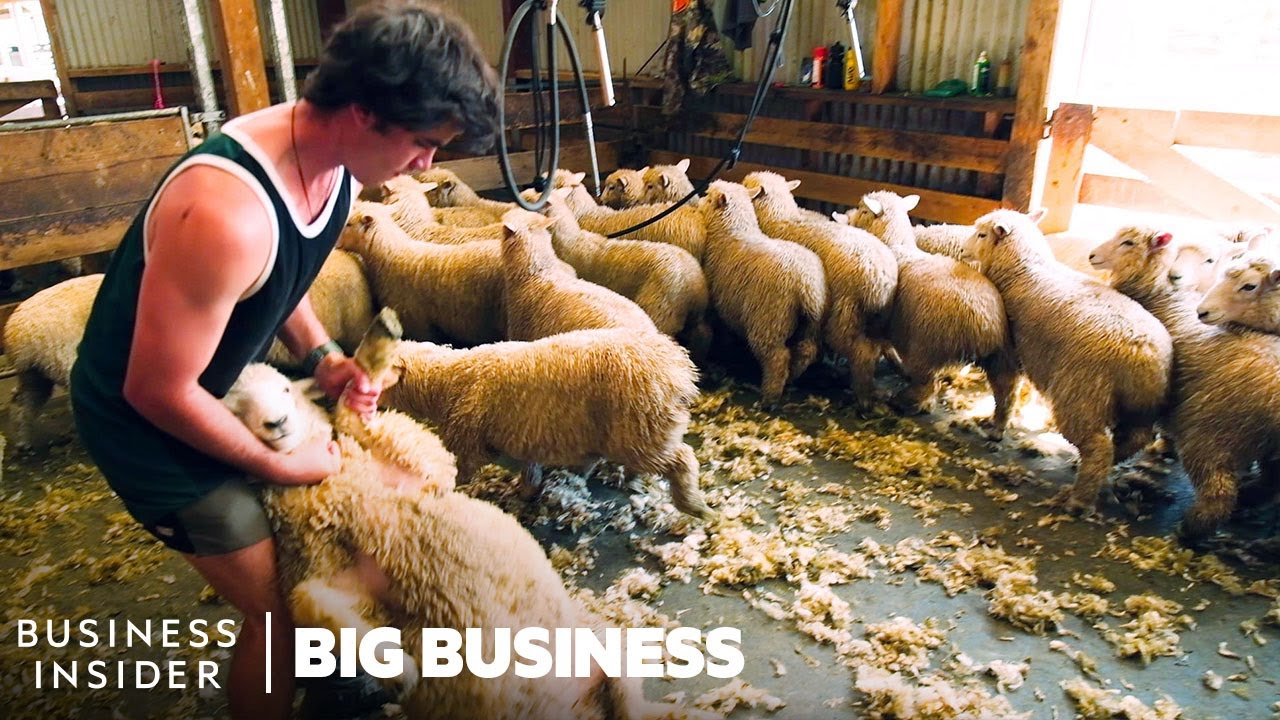
Business Insider follows the owners of Ruanui Station as they shear their 25,000 sheep and fight to keep New Zealand’s wool industry alive.

*NZ Today, keep you updated on NZ
2026 supplementary reading:How China-US trade war impact NZ’s wool industry
Updated 27 July 2026. The wool story is a 2021 supply-chain case study. Trade-war effects should be separated from fibre demand, exchange rates, logistics, farm prices and the type of wool produced.
Evidence and context
The original wording and source link remain intact as a record of what was reported or argued in 2021.
How to read it now
Check dates, definitions, primary evidence and later outcomes; a headline, clip or individual account cannot establish every broader claim.