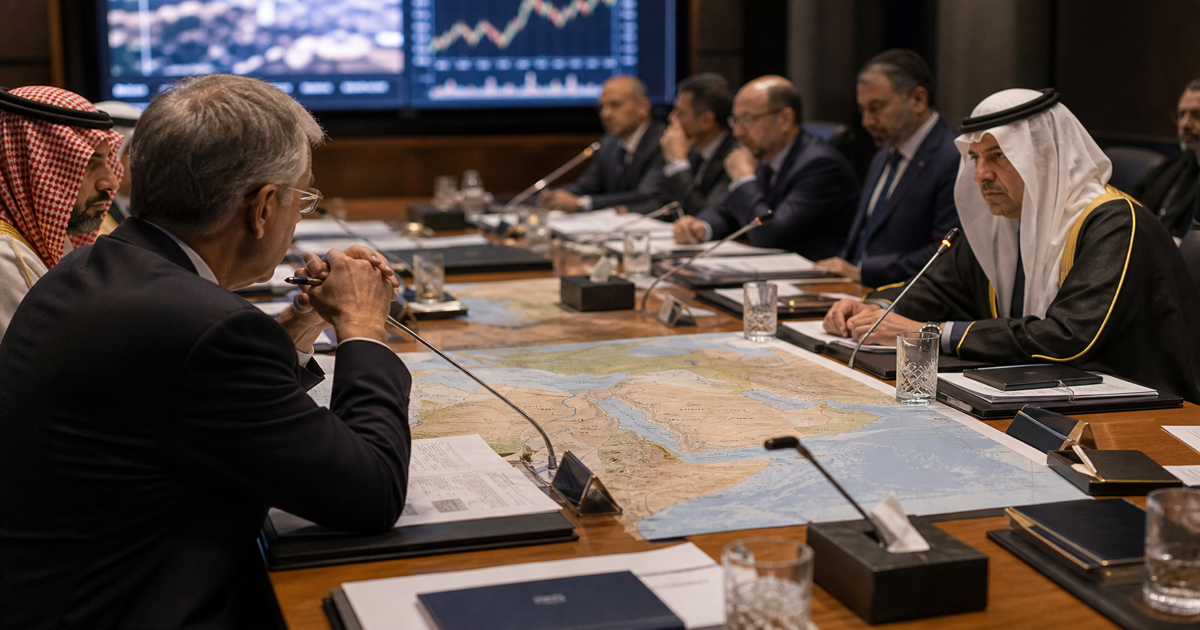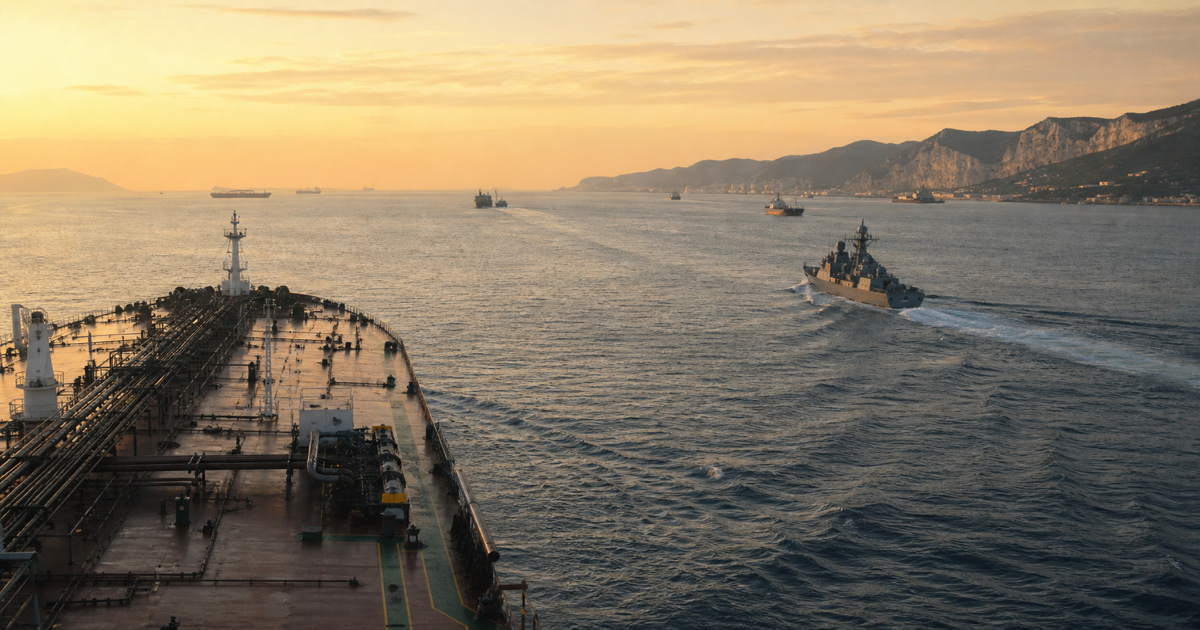
Markets can price futures contracts in milliseconds, but oil still has to move through water. That is why every escalation around the Strait of Hormuz becomes a global story. The route is narrow, politically exposed and central to energy flows. When it looks unsafe, the risk does not stay in the Gulf.
Why this chokepoint matters
Reports this week, including live coverage from The Guardian and market coverage from The Times of India, underline how quickly headlines about Hormuz can move oil prices, shipping decisions and diplomatic language.
The logic is simple. If tankers face delay, inspection, military confrontation or insurance spikes, the cost of moving energy rises. Even if barrels keep flowing, uncertainty itself becomes a price.
The wider chain reaction
- Shipping companies may reroute, delay or demand higher premiums.
- Refiners and utilities face uncertainty about delivery timing.
- Import-dependent economies worry about inflation and currency pressure.
- Governments must decide whether to signal restraint, deterrence or both.
Energy security is often discussed as supply, demand and reserves. Hormuz adds a fourth word: passage. A country may have contracts, money and storage, but if the route becomes dangerous, the whole system has to reprice risk.
That is the lesson markets keep relearning. Geography is not old-fashioned. It is the hard floor under globalisation.