Xinhua reported that a Chinese vice premier addressed a high-level meeting on an Ebola outbreak, and also reported that China updated its Ebola prevention and control plan in the wake of an outbreak in Africa. The words “Ebola outbreak” naturally draw attention. But the most important lesson is not panic. It is preparedness.
The frightening disease is only half the story
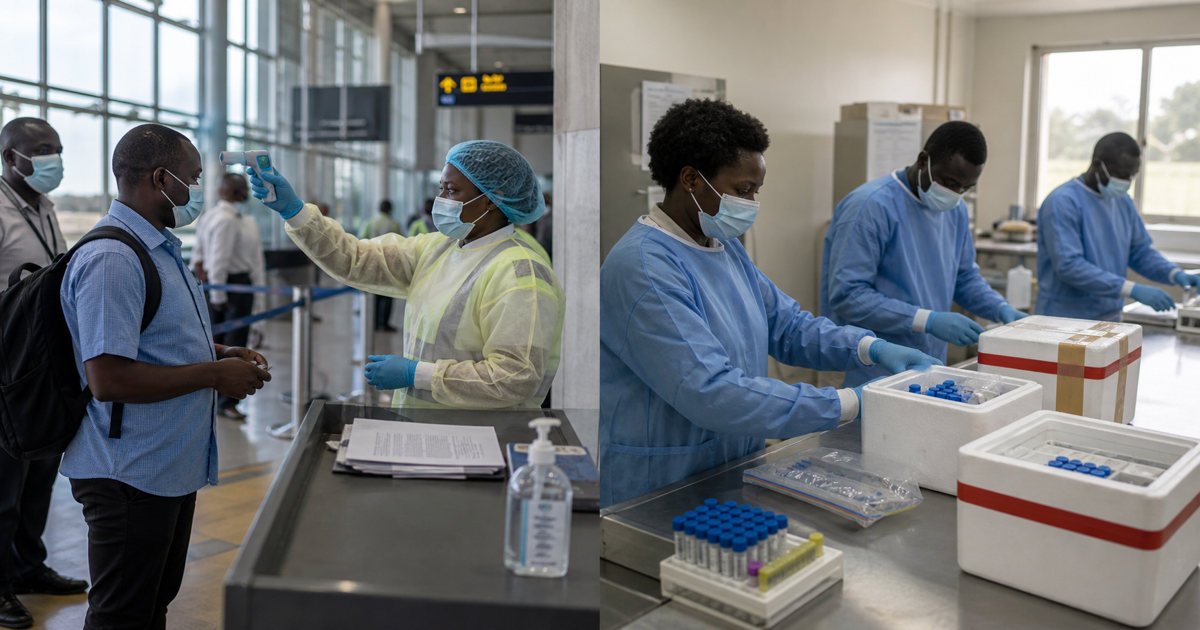
Ebola is feared because of its severity, the danger to health workers, and the social disruption that can follow an outbreak. Yet outbreak control rarely depends on one dramatic intervention. It depends on routine systems doing their work under pressure: early detection, safe sample transport, trained clinicians, protective equipment, contact tracing, border and hospital protocols, community communication and international coordination.
That is why updates to prevention and control plans matter. A plan is not proof of safety, but it is the architecture for action. Without it, agencies improvise. With it, they still need staff, supplies, trust and speed. The difference between those two conditions can decide whether a cluster stays local or becomes a regional emergency.
What countries should watch
- Are hospitals and ports of entry clear about what to do when a suspected case appears?
- Are frontline workers protected and trained before they are asked to take risks?
- Can public-health officials communicate without fuelling stigma toward affected communities?
- Is international support reaching the outbreak zone in useful forms, not only diplomatic statements?
Global health security is often discussed in grand language, but it is made of ordinary capacity. A functioning laboratory. A phone call that reaches the right district officer. A community leader who trusts the health team. A stockroom that has the right gloves when they are needed. These are not glamorous, but they are the system.
The Ebola alert should therefore be read as a reminder. After Covid, many countries promised to rebuild readiness. The test is whether those promises survive between crises. Outbreaks expose the gap between what governments say they can do and what their public-health systems can actually deliver at 2am.