Global vaccination coverage can improve while particular districts, settlements and children remain consistently missed. A national average does not show whether zero-dose children are clustered by conflict, displacement, remoteness, poverty or exclusion.
WHO’s 2026 health statistics review inequalities in immunisation alongside broader progress toward health goals. The central lesson is operational: reaching the next child is not simply a matter of buying one more dose.
Find who is missing
Civil registration, clinic records, school lists and community knowledge rarely align perfectly. Microplanning should identify settlements and movement patterns without turning lack of documents into a barrier to care.
Cold chain is a maintenance system
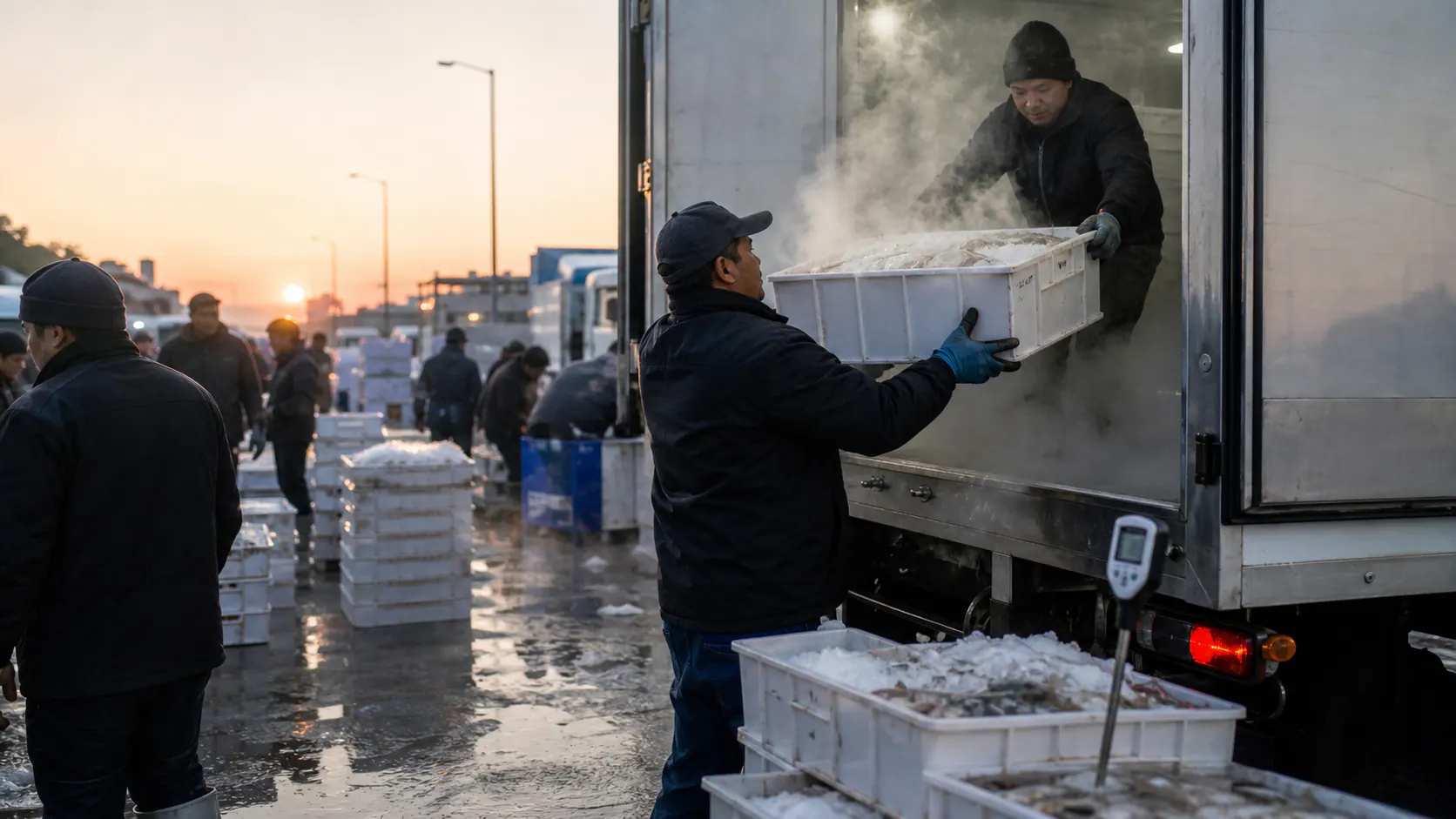
A refrigerator is useful only with reliable energy, temperature monitoring, trained staff, transport and repair. Procurement headlines often understate the recurring cost of keeping every link functional.
Convenience shapes uptake
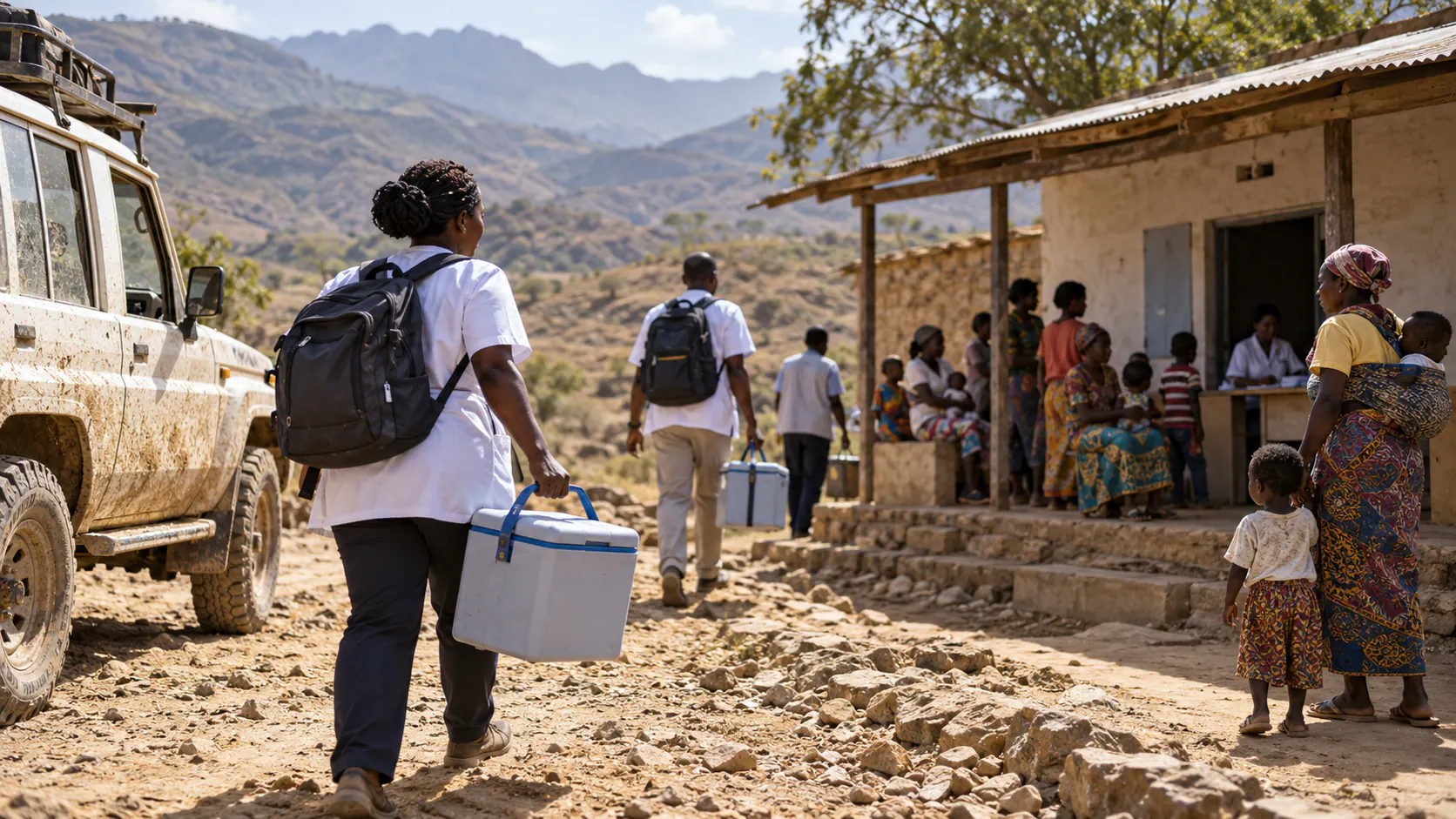
Long travel, lost wages and unpredictable clinic hours can make a free vaccine costly. Outreach sessions, integrated child health visits and schedules designed around local livelihoods reduce that burden.
Trust is built before a rumour
Health workers need time and respectful language to discuss adverse events, uncertainty and changing guidance. Community leaders can help, but they should not be used as one-way messengers after decisions are complete.
Conflict changes the model
In insecure settings, neutral access, flexible routes, local negotiation and protection of health workers matter as much as supply. Short campaigns cannot replace routine care, but they may preserve access while systems recover.
Count quality as well as doses
Coverage data should be checked for timeliness, completion, geographic gaps and data quality. A child counted once may still miss later doses; a district target may conceal a settlement never visited.
Pair vaccination with primary care
Families are more likely to return when an encounter also addresses nutrition, pregnancy, malaria or common illness. Integrated services reduce repeated travel and strengthen a relationship beyond one campaign.
Equity is the hard end of success
The final percentage points require more staff time, transport and adaptation. That is not inefficiency; it is the real cost of equal access. Systems should budget for the hardest-to-reach child from the beginning rather than celebrate averages and leave that child permanently last.