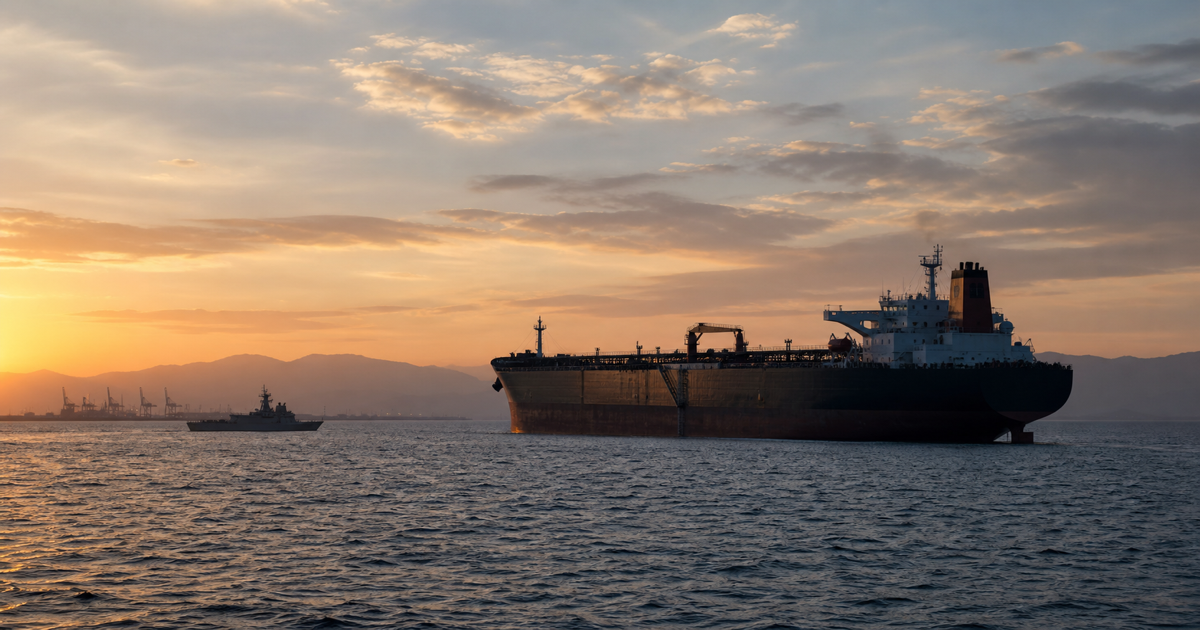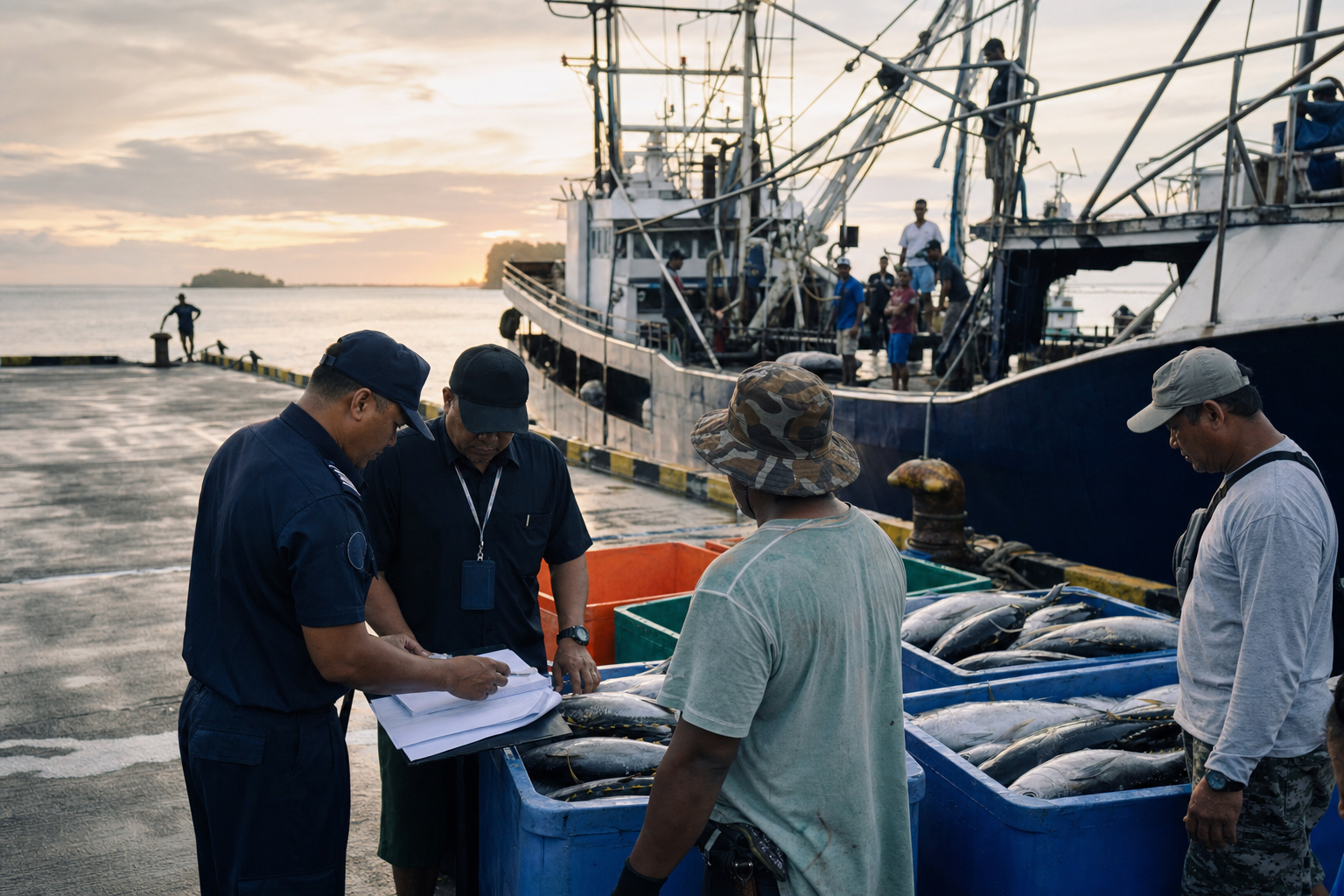
Tuna can appear on a supermarket shelf as a simple product: a can, a fillet, a lunchbox protein, a price. What disappears behind that simplicity is the ocean, the vessel, the crew, the licence, the observer, the port inspection, the transshipment, the paperwork and the politics of who gets value from one of the world’s most important fisheries.
SBS reported on Pacific tuna wars, including illegal fishing, fish laundering concerns and worker fatalities. The Western and Central Pacific Fisheries Commission exists because the region’s tuna stocks are too valuable, too mobile and too politically important to be managed by any single country alone. This is not only a conservation story. It is a story about sovereignty, labour and the hidden cost of cheap fish.
The ocean is not empty space
The Pacific is often described from outside as vast and remote. For island states, it is neither empty nor peripheral. Exclusive economic zones are central to national revenue, food security, employment, diplomacy and identity. Tuna licence fees can fund public services. Fisheries negotiations can shape relationships with larger powers. Enforcement capacity can determine whether a country benefits from its own ocean or watches value leave with foreign fleets.
Illegal, unreported and unregulated fishing threatens that balance. It can mean vessels fishing without permission, underreporting catch, mislabelling fish, manipulating location data, breaching labour rules, or using transshipment and complex ownership structures to obscure what happened at sea. The harm is not only fewer fish. It is weaker governance.
Why fish laundering matters
Fish laundering sounds like a technical phrase, but the concept is straightforward: illegal or questionable catch is mixed into legal supply chains until buyers and consumers can no longer tell the difference. Once that happens, responsible operators are undercut, island governments lose revenue, and consumers may unknowingly reward bad practice.
The challenge is that tuna supply chains are long. A fish may be caught far from shore, transferred at sea, processed in another country, sold through global brands and consumed thousands of kilometres away. Every handoff creates a chance for information to be lost, manipulated or ignored. Traceability is therefore not a marketing luxury. It is a governance tool.
The labour story is central
Illegal fishing debates often focus on stock health, but worker safety should be just as central. Fishing is already dangerous work. Long voyages, fatigue, language barriers, recruitment debt, isolation, weak inspection and power imbalances can make crews vulnerable. When worker fatalities enter the story, the industry has to be understood as a labour-rights issue as well as an environmental one.
Cheap seafood can be cheap because efficiency improved. It can also be cheap because risk, exhaustion and weak enforcement were pushed onto workers far from public view. A serious tuna system has to ask who is on the vessel, how they were recruited, whether they can leave abusive conditions, whether observers are safe, and whether port states have enough power to investigate.
Island sovereignty meets global appetite
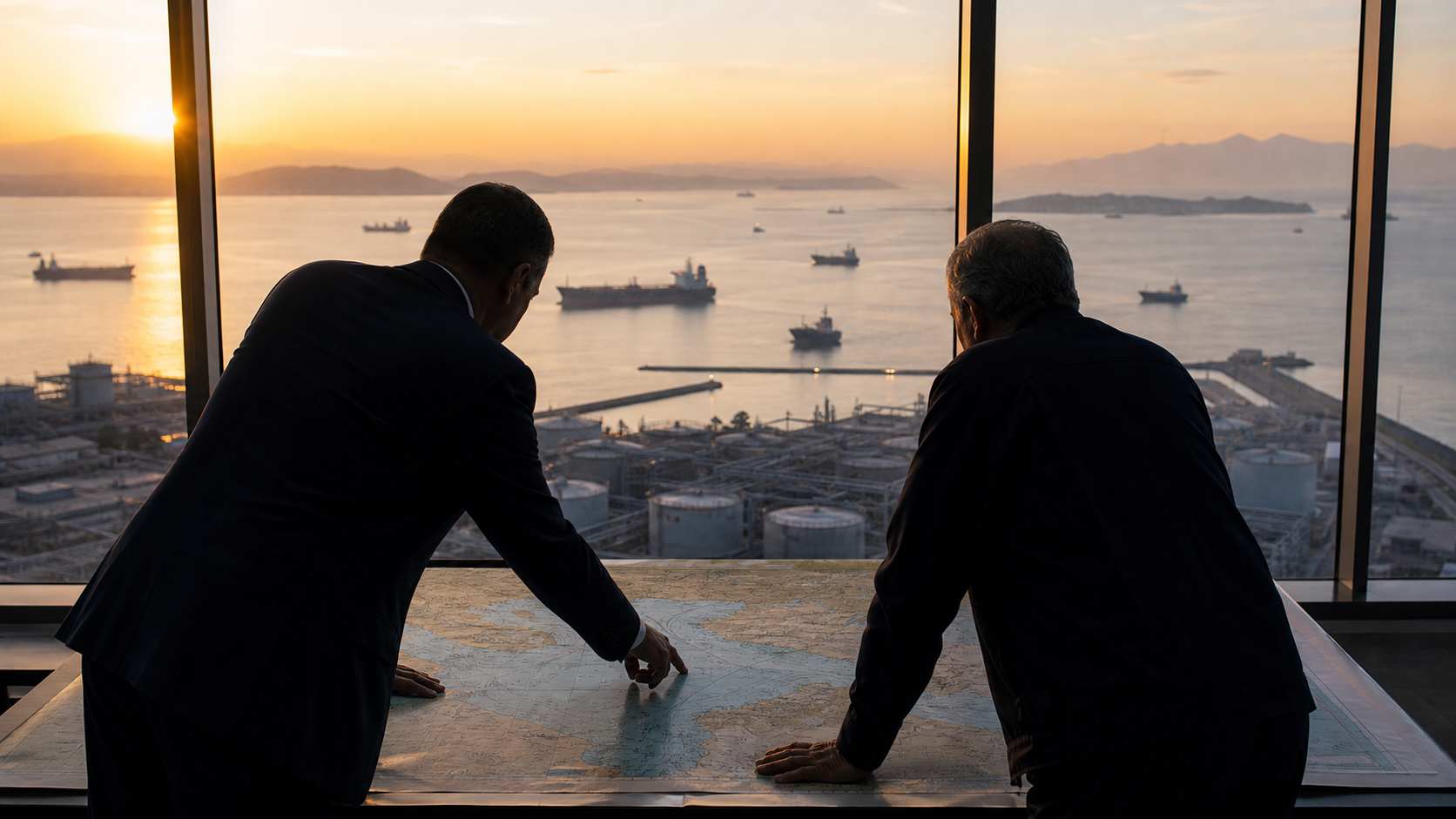
Pacific states face a difficult bargaining environment. They control vast ocean areas but often have limited patrol vessels, aircraft, satellite capacity and inspection staff relative to the scale of their waters. Larger distant-water fishing nations and multinational seafood companies have money, ships and market access. Regional cooperation helps balance that asymmetry, but enforcement remains hard.
This is why organisations such as the WCPFC matter. They provide a forum for rules on catch, monitoring, compliance and conservation. But forums only work if members respect rules, data is credible, and violations have consequences. Otherwise, governance becomes a performance while the strongest actors exploit the gaps.
What consumers and governments should ask
Consumers cannot solve illegal fishing alone by choosing better labels at the supermarket. The system is too complex for individual morality to carry. But consumers can create pressure for retailers and brands to prove traceability, worker protections and sourcing standards. Governments can require stronger import controls, support Pacific surveillance capacity, fund observer safety, and treat seafood supply chains with the same seriousness increasingly applied to forced-labour risks in other industries.
New Zealand and Australia have particular reasons to care. They are Pacific nations with security, development, climate and trade relationships across the region. Supporting fisheries governance is not charity. It is part of regional stability and respect for island sovereignty.
The deeper price
The Pacific tuna fight is not just about whether there will be enough fish. It is about who has the authority to manage the ocean, who carries the danger of extraction, who captures the profit, and whether global consumers are willing to see the labour and politics behind a familiar product.
Cheap fish is not cheap if the missing cost is paid by Pacific governments, exhausted crews, depleted stocks and opaque supply chains. The next phase of tuna governance has to make those costs visible before the ocean is asked to absorb them again.
Sources: SBS on Pacific tuna wars, illegal fishing and worker fatalities and Western and Central Pacific Fisheries Commission.