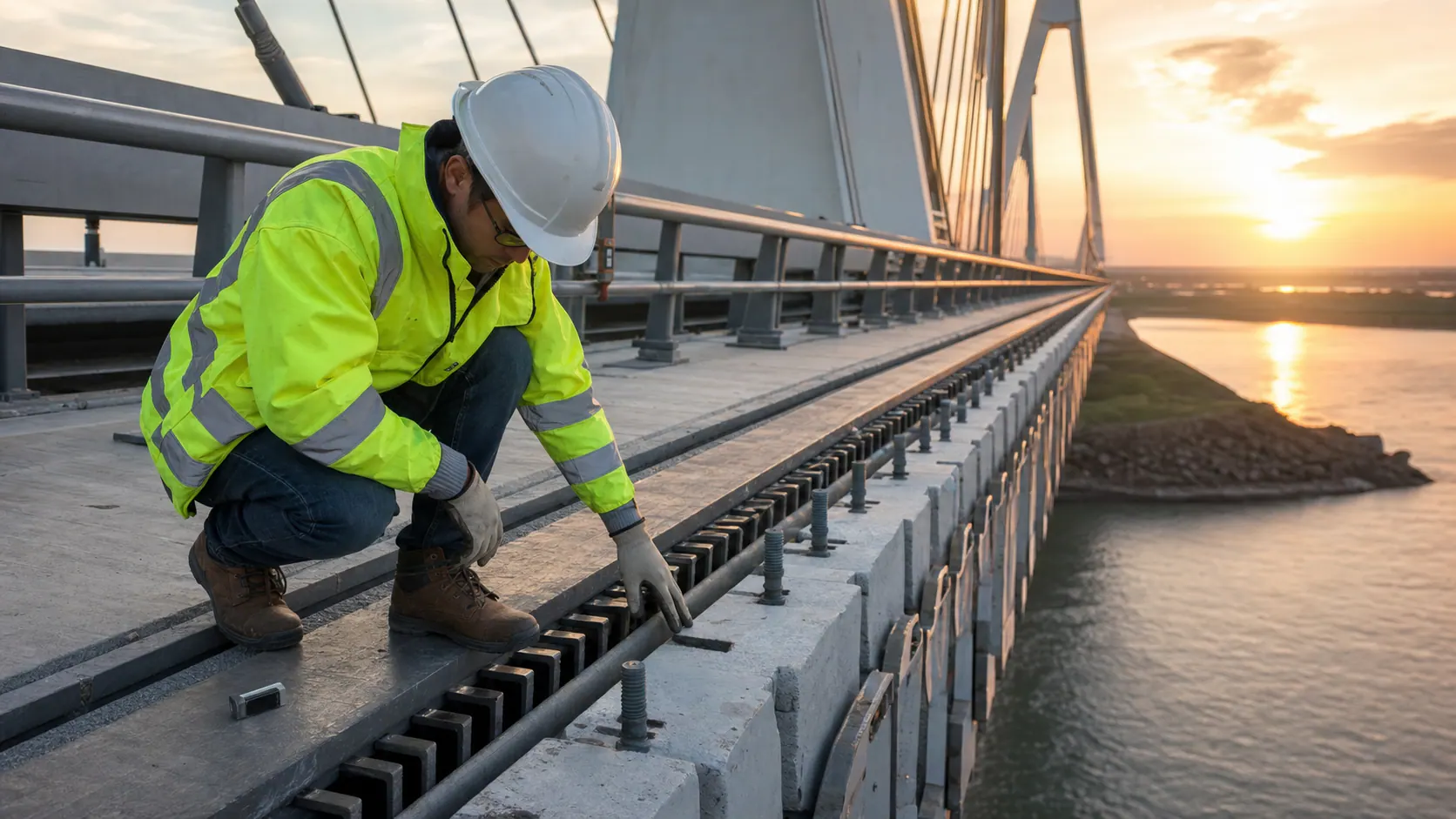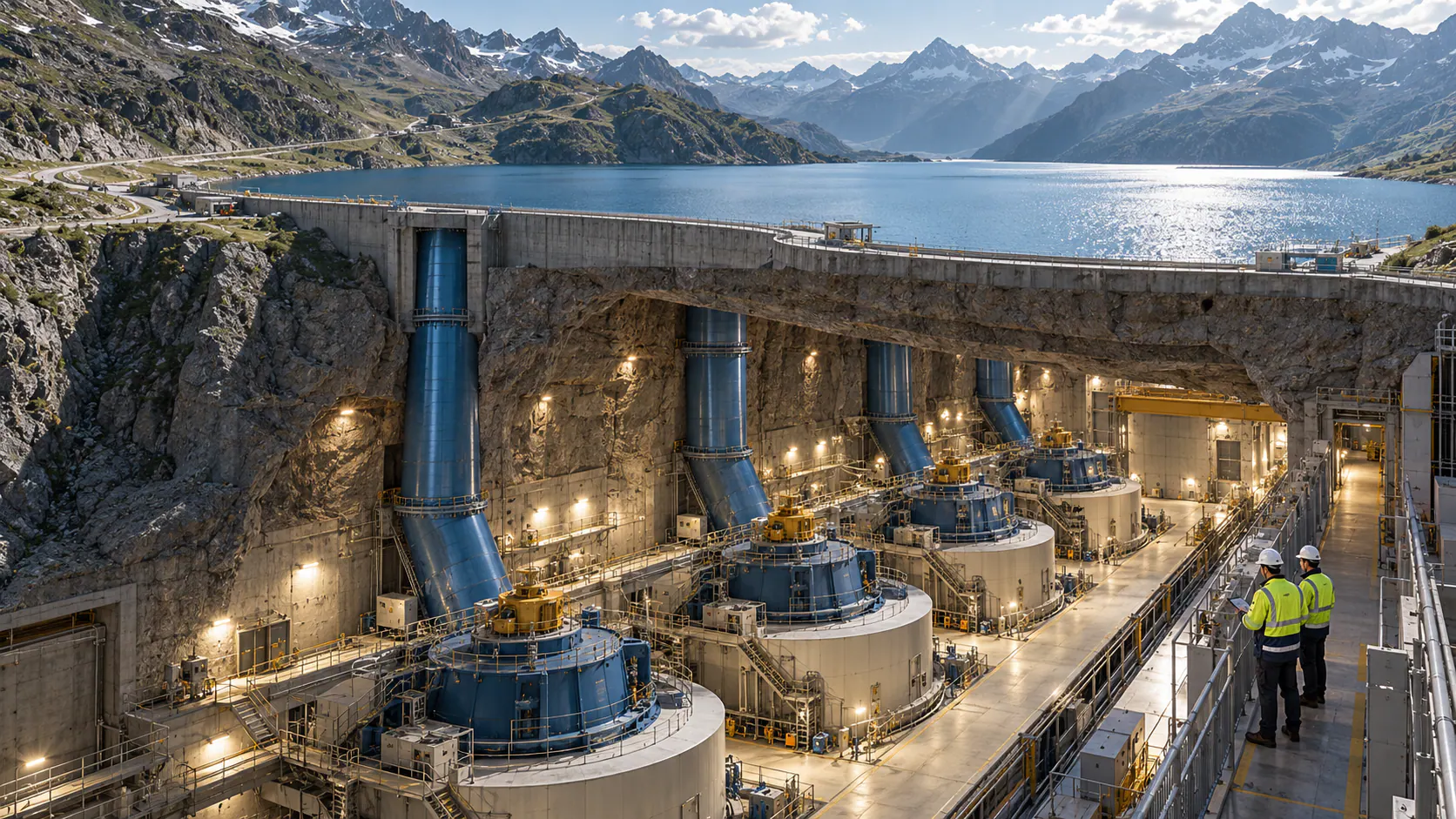
Pumped storage is often explained with a clean diagram: two reservoirs, a reversible turbine and arrows showing water moving uphill when electricity is abundant and downhill when demand rises. Practical Engineering’s video about the Taum Sauk facility makes the system physical. Earthworks, geology, concrete, controls and operating decisions must all work together at enormous scale.
The episode is especially valuable because it does not stop at the energy-storage concept. It examines the 2005 failure of the upper reservoir and the subsequent reconstruction, turning an abstract technology into a case study about containment, warning systems and institutional learning.
The landscape is part of the machine
Unlike a battery delivered in a container, pumped storage depends on elevation, water, foundations and large civil structures. Site selection determines both performance and consequence.
Storage does not create energy
Pumping consumes more electricity than generation later returns. The value lies in shifting energy across time, supporting peaks and helping a grid respond to variability. That distinction prevents exaggerated efficiency claims.
Failure has a pathway
A reservoir does not simply “break”. Instrument readings, overtopping, erosion, structural details and operational responses form a chain. The video’s strength is showing how several layers can fail or succeed together.
Rebuilding changes more than concrete
A credible reconstruction addresses design, monitoring, redundancy and decision authority. New materials matter, but so do alarms that reach the right people and procedures that require action.
Visual explanation earns its place
Aerial views and diagrams reveal scale that prose alone struggles to convey. Pause when the video shows water paths and reservoir geometry; those frames explain why a small level error can produce a large consequence.
Bring the lesson back to New Zealand carefully
New Zealand debates dry-year risk, renewable generation and storage options, including pumped hydro. Taum Sauk is not a direct template: geography, economics, environmental effects and grid needs differ. It is useful as an engineering lesson, not a project endorsement.
What to watch after the first viewing
On a second pass, notice which statements describe physical principles and which describe one facility. Then read about local proposals, consent issues and alternatives such as demand response, transmission and other storage.
Why this is a strong pick
The best engineering videos make infrastructure less magical without making it dull. This one shows that resilience is designed through details, tested by operations and proven only over time.