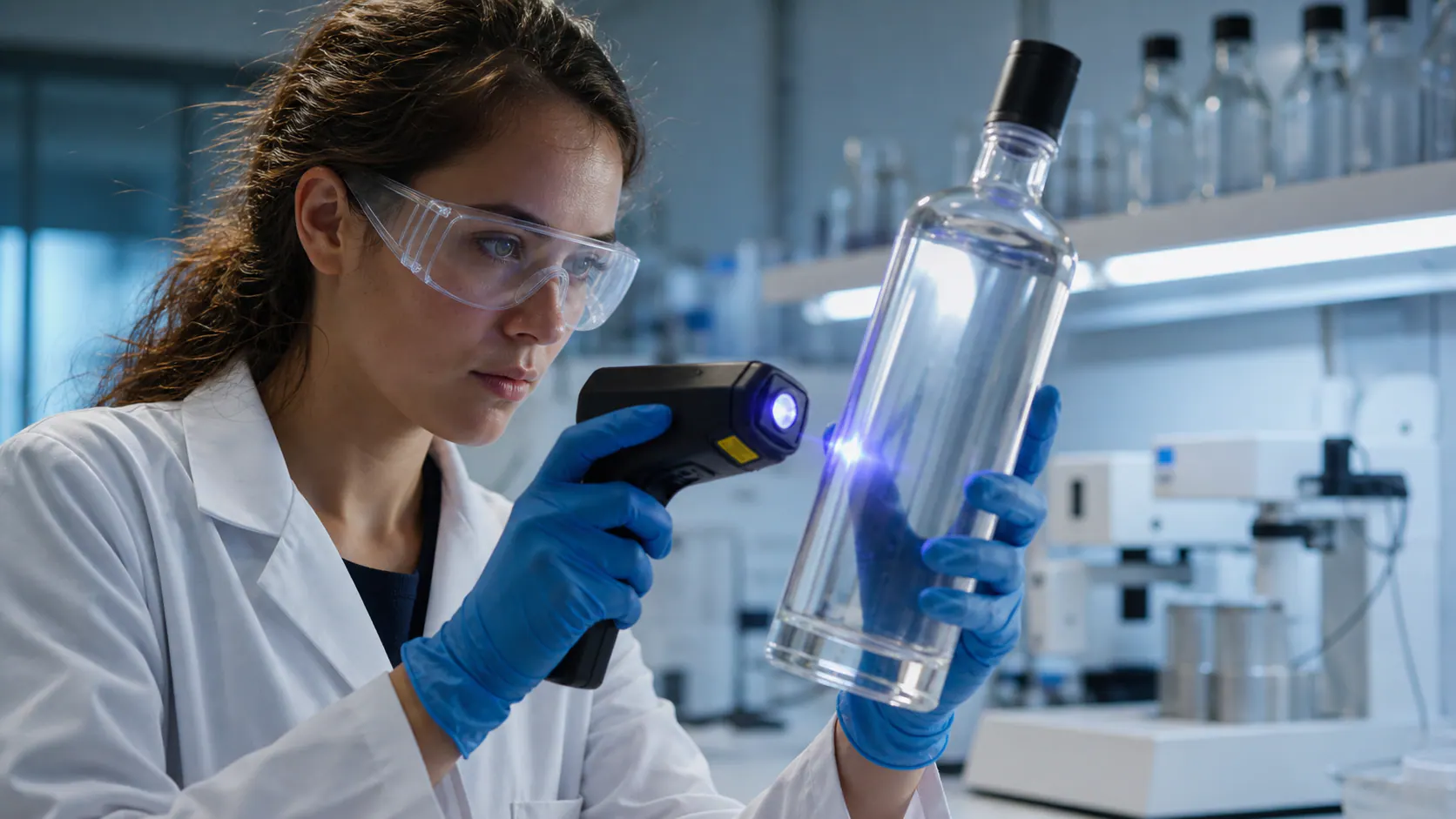
Methanol poisoning repeatedly turns ordinary travel and celebrations into medical emergencies. Contaminated alcohol may look and smell normal, while symptoms can be delayed until serious injury has begun. Australian researchers have developed laser technology intended to test closed bottles, a potentially valuable shift from laboratory sampling toward rapid screening.
The device should be judged not only by sensitivity in a research setting but by whether inspectors, distributors and venues can use it reliably where adulteration risk is highest.
Why methanol is dangerous
The body converts methanol into toxic compounds that can damage vision, the brain and other organs. Early symptoms may resemble intoxication, delaying treatment.
Public advice remains essential: suspicious alcohol should not be consumed, and symptoms after drinking require urgent medical care.
Screening changes the workflow
A non-destructive test can examine bottles without breaking seals, allowing more samples across warehouses, borders and venues. Rapid screening could identify lots for confirmatory laboratory analysis.
It is not automatically a legal proof. Chain of custody and validated confirmation still matter.
False reassurance is a risk
A device must work across coloured glass, bottle shapes, labels and different beverages. Calibration drift, operator training and detection thresholds need published evidence.
Counterfeiters may also adapt, so surveillance cannot depend on one tool.
Put equipment where harm occurs
High-income laboratories are not the only priority. Tourism centres, remote health systems and regulators in places with recurrent poisoning need affordable units, maintenance and training.
International procurement should include spare parts and quality assurance rather than one-off donations.
Technology inside a prevention system
Licensing, supply-chain traceability, public warnings and prompt clinical protocols remain necessary. A laser cannot repair weak enforcement or fear of reporting.
The breakthrough is exciting because it may move detection closer to the bottle. Its public-health value will come when accurate screening is embedded in a system that acts before anyone drinks.
Sources and further reading: ABC Science latest; WHO methanol poisoning resources.