The first test of any deal to end the Iran war will not be a signing ceremony. It will be a ship moving through the Strait of Hormuz without its insurer, crew, owner and cargo buyer all pricing in the next crisis.
That is why the latest reports of an emerging agreement matter far beyond Tehran, Washington or Tel Aviv. AP reporting, syndicated by PBS, framed the moment as one of partial clarity and deep uncertainty: some outlines of a deal are visible, but the durability of any pause, the verification of commitments and the regional buy-in remain unresolved. At the same time, the U.S. military said it had carried out what it called self-defence strikes in Iran, including on missile launch sites, according to AP coverage syndicated by The Korea Times. In other words, diplomacy and military pressure are still operating at the same time.
That combination is familiar in Middle East crisis management. Ceasefires and interim deals often emerge before trust does. The gap between the two is where markets, regional governments and civilians have to live.
Why Hormuz is the real-world scoreboard
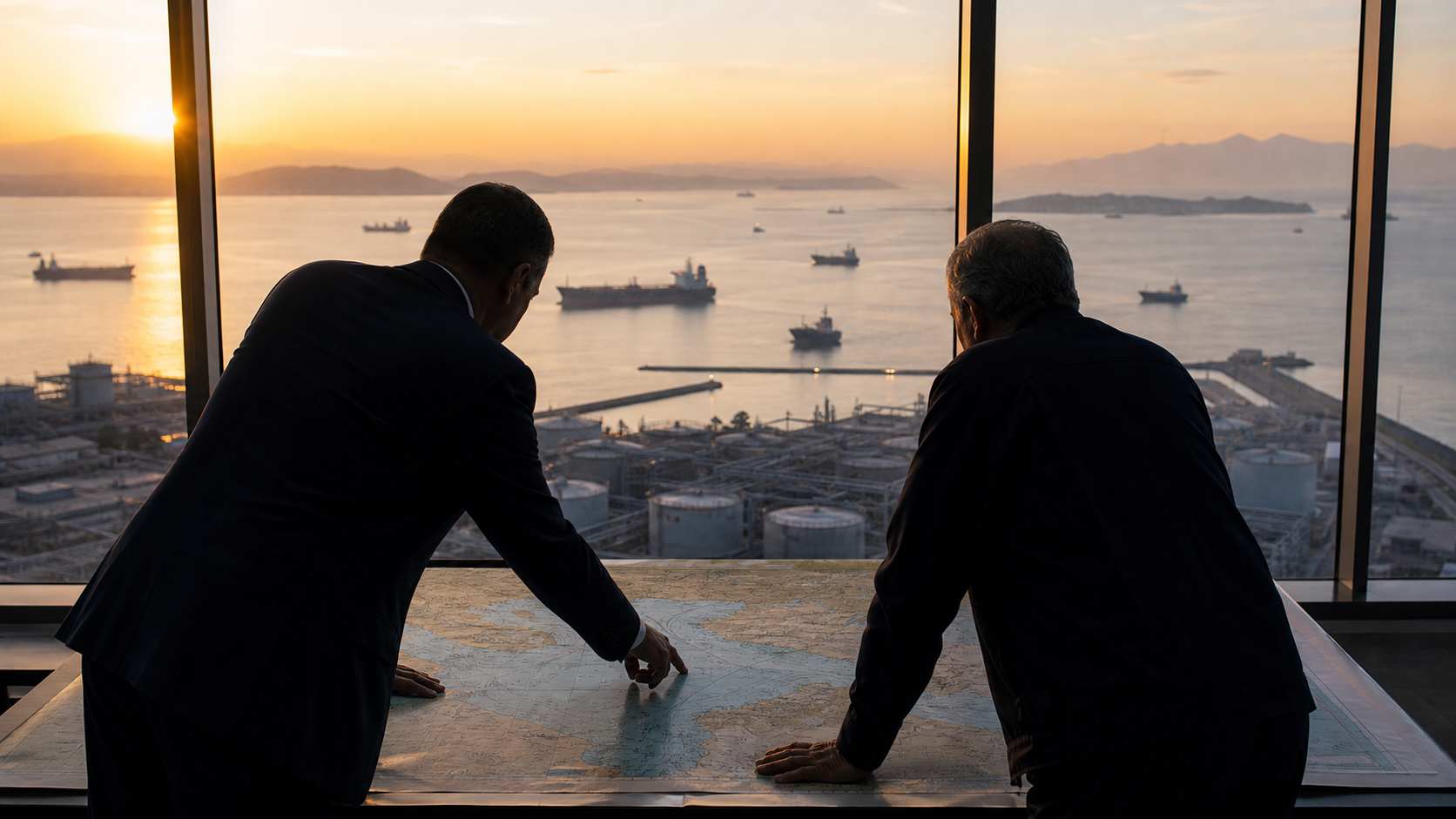
The Strait of Hormuz is not just a line on a map. It is one of the global economy’s most important energy arteries. The U.S. Energy Information Administration has long described Hormuz as the world’s most important oil transit chokepoint, because a large share of seaborne oil and liquefied natural gas exports from the Gulf pass through it. That geography turns local military risk into a worldwide price signal.
If tanker operators believe the deal is real, insurance premia should ease, shipping schedules should normalise and oil markets should price in lower disruption risk. If they do not, a diplomatic announcement may produce only a temporary market rally before risk returns. Energy traders watch signatures, but they also watch naval movements, missile deployments, satellite imagery, port congestion and the cost of war-risk cover.
This is the difference between a political pause and a functioning settlement. A political pause may stop the worst escalation for a few days. A functioning settlement changes behaviour: military commanders hold fire, regional proxies receive instructions, insurers reduce risk charges, and commercial actors believe that the next shipment is not a gamble.
The hardest question is verification
Iran deals have always struggled with a verification problem. In nuclear diplomacy, verification means inspectors, enrichment data, stockpile accounting and monitored facilities. In a shooting war, verification is broader and messier. Who confirms a missile unit has stood down? What counts as a violation if a proxy group attacks a ship or a base? How are cyber operations treated? What happens if one side claims an incoming threat and strikes first?
The emerging deal appears to sit across several layers: direct U.S.-Iran military contact, Israeli security concerns, Gulf shipping risk, regional militia networks and nuclear monitoring. Each layer has a different timeline. A commander can stop firing quickly. A nuclear file takes months or years to rebuild credibility. A proxy network may not respond as cleanly to central orders as diplomats prefer. A shipping insurer will make its own calculation, not simply accept a government talking point.
That is why the deal’s first phase should be read as risk management rather than peace. It may reduce the chance of sudden escalation. It does not by itself resolve the deeper conflict over Iran’s strategic capabilities, Israel’s threat perception, Gulf security or the role of U.S. military power in the region.
Who has to buy into it?
The United States and Iran are the obvious actors, but they are not enough. Israel’s opposition leader Yair Lapid has already criticised the emerging framework as bad for the region, according to AP reporting syndicated by PBS. Gulf states will measure the deal by whether it reduces danger to ports, energy infrastructure and airspace. European governments will look at nuclear constraints and refugee, energy and trade consequences. Asian importers will focus on energy flows and price stability.
That creates a difficult design problem. A narrow deal may be easier to sign but too weak to reassure the region. A wider deal may address more risks but become too complex to implement. The more issues are added, the more veto points appear.
Markets can reward calm before politics has earned it
Oil markets often move faster than diplomacy. If traders believe the worst has passed, prices can fall before any institution has verified compliance. That can help governments by reducing inflation pressure and cooling public anxiety. It can also create false confidence. A single missile incident, tanker seizure, drone strike or ambiguous intelligence claim can reverse the mood in hours.
This is why governments will have to communicate carefully. Overselling a fragile deal may produce a short-term market benefit and a long-term credibility cost. Underselling it may deny diplomacy the political oxygen it needs. The honest middle ground is to call it what it is: a possible off-ramp from escalation, not yet a durable settlement.
What to watch next
Four indicators matter more than ceremonial language. First, whether military strikes and proxy attacks actually stop for a sustained period. Second, whether tanker traffic through Hormuz normalises and insurance costs fall. Third, whether nuclear monitoring questions are clarified rather than postponed. Fourth, whether Israel, Gulf governments and European partners publicly align behind the deal or keep hedging.
If those indicators move together, the emerging agreement could become the start of a broader stabilisation process. If they diverge, the region may enter a familiar pattern: reduced fire, unresolved causes, and a market that remains one incident away from panic.
The Strait of Hormuz will tell the story first. Diplomats may announce the deal, but the waterway will reveal whether the world believes it.